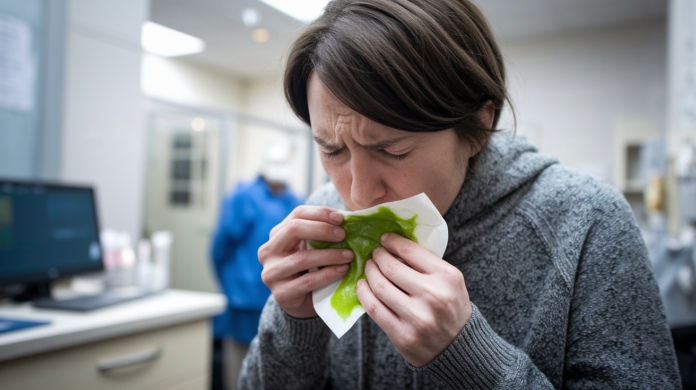

Think green phlegm means you need antibiotics?
Not usually.
When mucus turns green, it most often shows your immune system is working, not proof of a bacterial infection.
This post explains what commonly causes a green phlegm cough, what to watch for, safe self-care you can try at home, and the red flags that mean you should see a clinician sooner rather than later.
By the end you’ll know when to monitor at home and when to get checked.
Understanding a Green Phlegm Cough and What It Usually Means
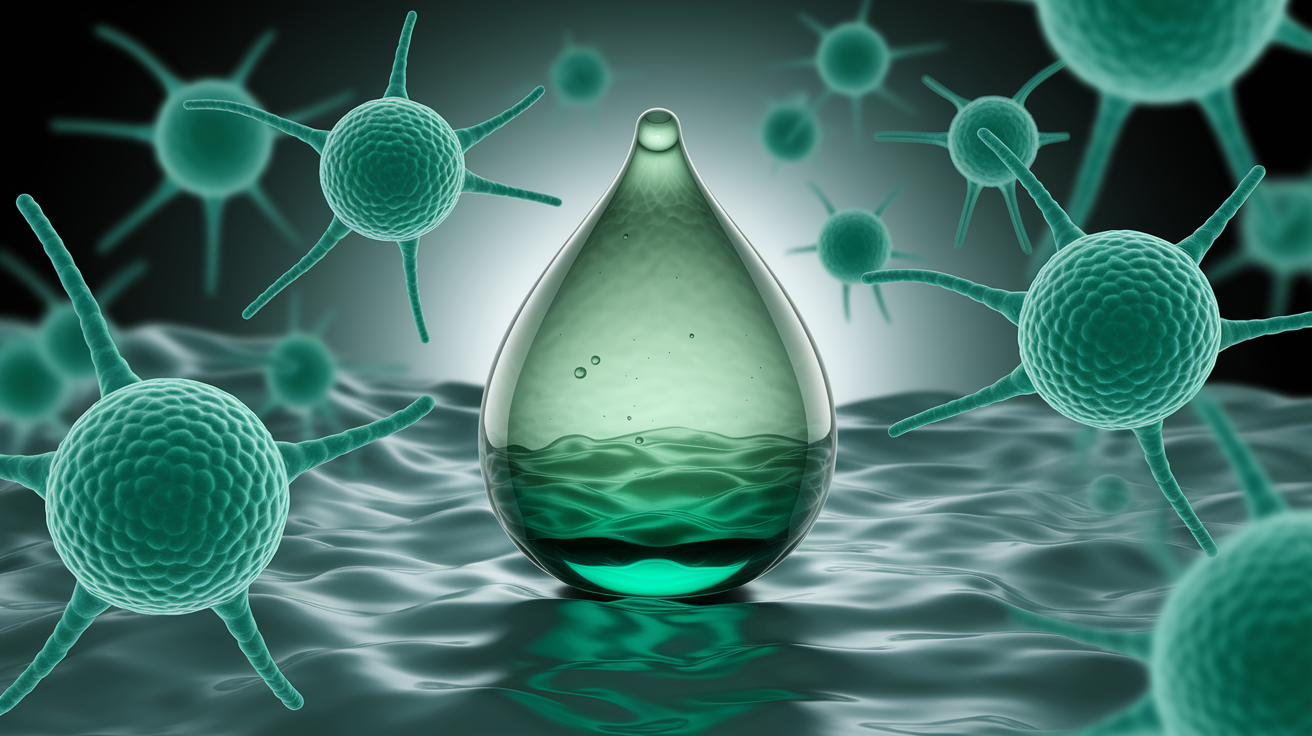
When you start coughing up green phlegm, it’s easy to assume the worst. But here’s the thing: most of the time, it just means your immune system’s doing its job, not that you’ve got a bacterial infection that needs antibiotics.
Green mucus happens when white blood cells (neutrophils, specifically) release an enzyme called myeloperoxidase while they’re fighting germs or clearing out irritants. That enzyme has iron in it, which turns your mucus yellow or green. One study found bacteria in about 58.9% of green or yellow sputum samples. So color raises the possibility of infection, sure. But it’s not proof. Plenty of viral illnesses produce green phlegm and clear up in 7 to 14 days without antibiotics.
The real question isn’t “is my phlegm green?” It’s “how do I feel overall, and is this getting worse?” Green phlegm that shows up during a cold, slowly improves, and comes with mild symptoms? Usually fine to monitor at home. Green phlegm plus high fever, chest pain, shortness of breath, or symptoms dragging past 10 to 14 days? Time to see someone.
Watch for these alongside a green phlegm cough:
- Thick greenish or yellowish mucus when you cough or blow your nose
- Persistent cough that starts dry, then turns productive
- Congestion and post-nasal drip making the cough worse overnight
- Facial pressure or sinus pain if your sinuses are involved
- Fatigue or body aches, especially if a virus kicked things off
Causes of a Green Phlegm Cough Explained
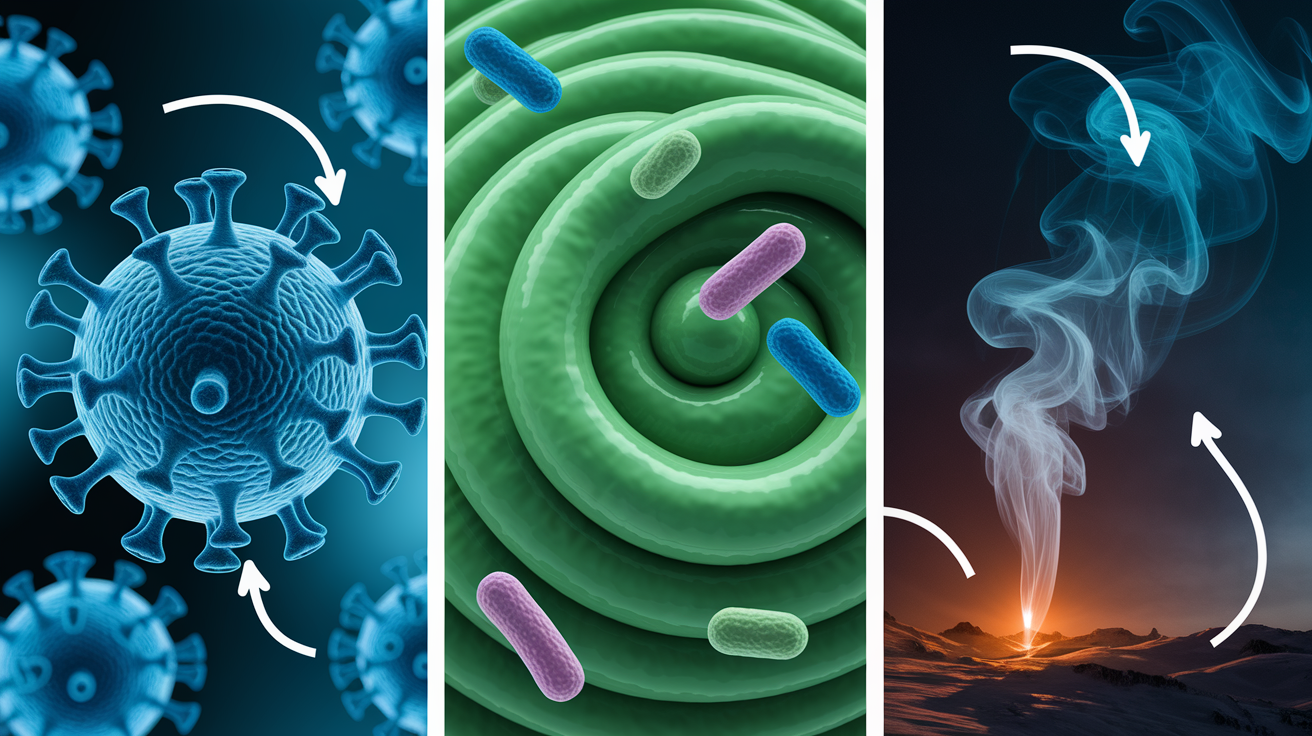
Green phlegm cough can come from viral infections, bacterial infections, or irritants that aren’t infectious at all. Viral causes are more common. Common colds often produce green mucus around day 3 or 4, then clear within 7 to 10 days total. Influenza can bring green snot and cough that lasts 7 to 14 days, sometimes longer if you’re really sick or have underlying lung issues.
Bacterial causes usually appear when symptoms drag on past the typical viral timeline or worsen after you thought you were getting better. Bacterial sinusitis is one example: thick green nasal discharge, facial pressure, reduced sense of smell, all sticking around beyond 10 to 14 days. Bacterial bronchitis can produce dark, thick green phlegm for 2 to 3 weeks, though most bronchitis is viral and doesn’t need antibiotics. Bacterial pneumonia is more serious. It often brings green or rust-colored sputum along with high fever, chest pain, and shortness of breath.
Noninfectious causes matter too. Chronic sinus drainage from allergies or irritation can produce colored mucus without any infection. Smoke exposure, whether from cigarettes or wildfires, inflames your airways and triggers mucus production that turns green as immune cells rush in.
| Cause | Typical Duration | Key Signs |
|---|---|---|
| Viral common cold | 7–10 days | Green mucus mid-illness, improves steadily, mild symptoms |
| Bacterial sinusitis | Beyond 10–14 days or worsening after initial improvement | Facial pressure, thick green nasal discharge, reduced smell |
| Bacterial pneumonia | Symptoms can persist 2–4 weeks if untreated | High fever, chest pain, shortness of breath, green or rust-colored sputum |
Green Phlegm Cough vs Other Mucus Colors
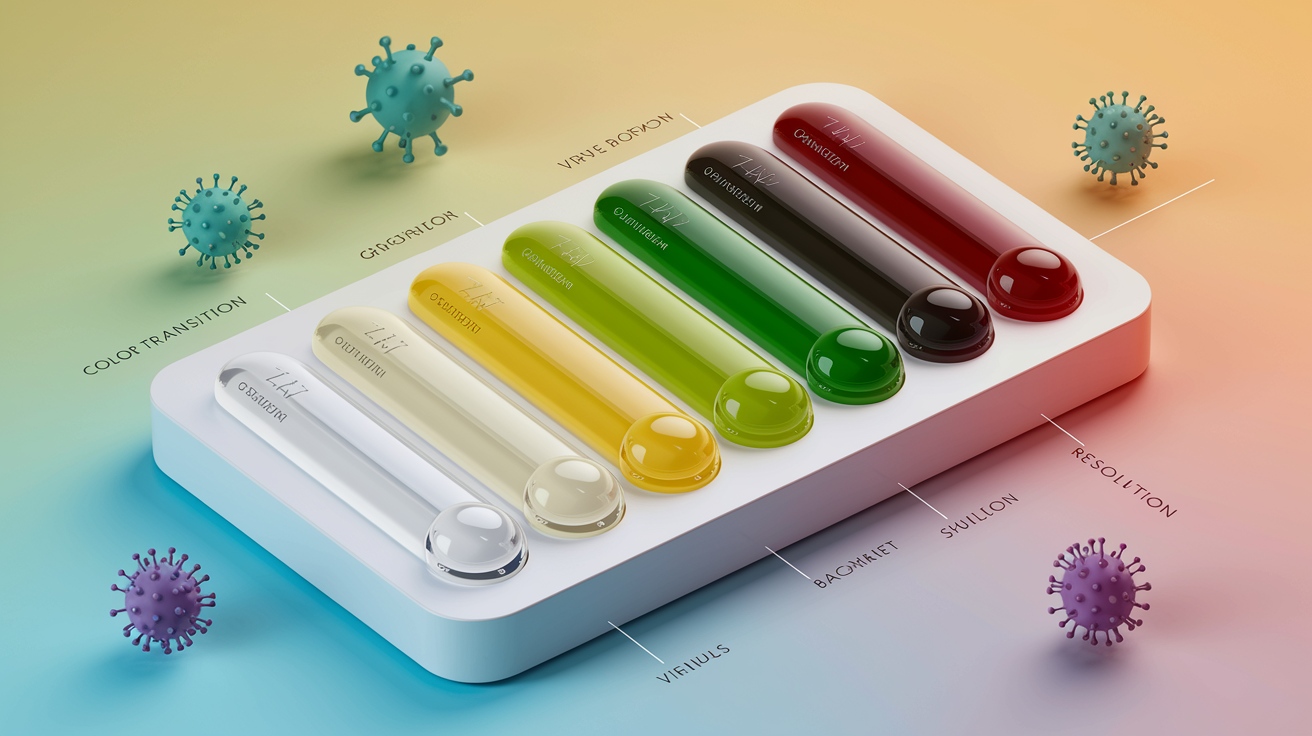
Mucus color shifts as your illness evolves. It starts clear when your nose or lungs are irritated or fighting the first wave of a virus. As white blood cells flood in, mucus turns yellow, then green as those cells break down and release their enzymes.
Rusty or brownish phlegm can show up with some pneumonias, especially bacterial pneumonia from Streptococcus pneumoniae, because red blood cells leak into the mucus. Pink or blood-streaked phlegm may appear if you’ve been coughing hard enough to irritate your throat or airways. But it can also signal something more serious like pneumonia or, rarely, tuberculosis or lung injury.
Quick color guide:
- Clear: early viral infection, allergies, or simple irritation
- Yellow: immune cells arriving, common in colds and early sinus issues
- Green: more immune activity, can be viral or bacterial, not definitive on its own
- Rusty or brown: possible pneumonia or old blood mixed in, get checked
- Pink or red streaks: throat irritation from coughing, or a sign to see a clinician if it keeps up
Symptoms That Often Accompany a Green Phlegm Cough
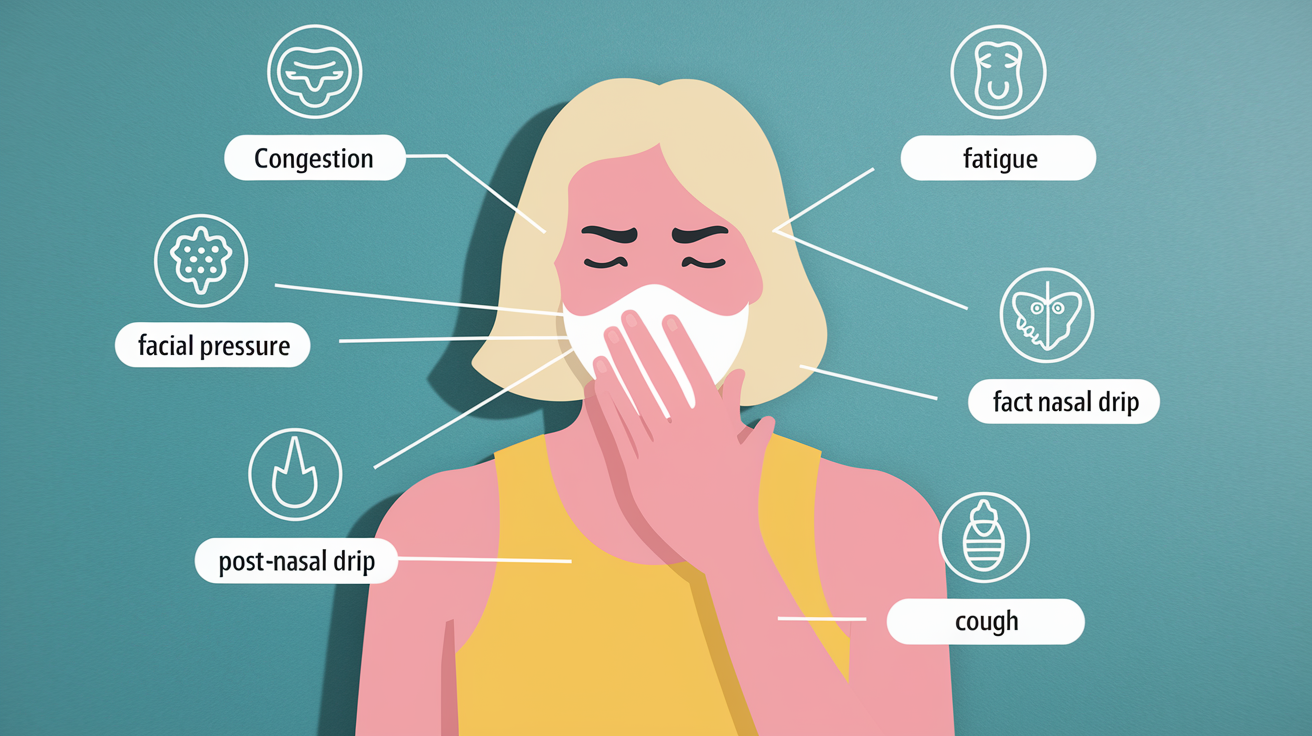
Coughing up green phlegm rarely happens alone. You’ll usually notice congestion, fatigue, sometimes a low-grade fever if a virus is behind it. If your sinuses are involved, expect facial pressure or fullness around your cheeks, forehead, or eyes, plus a reduced sense of smell. Post-nasal drip makes the cough worse at night or first thing in the morning, and you might feel like you’re constantly clearing your throat.
When bacterial bronchitis or pneumonia is the cause, symptoms get heavier. You might run a high fever that doesn’t break with over-the-counter meds, feel short of breath even with light activity, or notice sharp chest pain when you breathe deeply or cough. Fatigue can be significant, the kind that makes a normal day feel impossible. Some people feel lightheaded or confused if oxygen levels drop.
Lingering cough is common across the board. Viral bronchitis can leave you coughing for 1 to 3 weeks even after other symptoms improve, and that cough may still bring up green mucus. The key is whether you’re getting better overall or whether new, worrying symptoms are popping up.
When a Green Phlegm Cough Requires Urgent Medical Attention

Most green phlegm coughs resolve with time and home care. But some situations need faster evaluation. If your symptoms cross certain thresholds or include red flags, don’t wait to see if it improves.
High fever lasting more than one day despite fever reducers, severe shortness of breath, or chest pain that gets worse when you breathe or cough all point to something more serious than a simple cold. Confusion, extreme lethargy, or a rapid heart rate can mean your body’s struggling to keep up with the infection. That’s especially true if you have underlying lung disease, heart disease, diabetes, or a weakened immune system.
Seek urgent or emergency care if you notice:
- Difficulty breathing or shortness of breath that’s new or worsening
- Chest pain or pressure, especially if it’s sharp or worsens with deep breathing
- High fever lasting more than one day that doesn’t respond to acetaminophen or ibuprofen
- Coughing up blood, even small streaks mixed with green phlegm
- Confusion, severe dizziness, or trouble staying awake
- Rapid heart rate or feeling like your heart’s racing while resting
Diagnosing the Cause of a Green Phlegm Cough

Clinicians start with your story. When symptoms began, how they’ve changed, what makes them better or worse, whether you’ve been around sick people, traveled recently, or have chronic lung or sinus issues. They’ll listen to your lungs and check for wheezing, crackles, or reduced breath sounds that suggest pneumonia or bronchitis.
If the history and exam point toward a simple viral infection and you’re otherwise stable, no testing may be needed. If bacterial infection or pneumonia is suspected, your clinician may order tests to confirm and guide treatment. Sputum cultures can identify the specific bacteria, though results take a few days. Chest X-rays show lung infiltrates or fluid that confirm pneumonia. Blood tests like a complete blood count or C-reactive protein help gauge how serious the infection is and whether bacteria are likely.
In complicated cases, a CT scan might be ordered to look for abscesses, structural lung issues, or complications that don’t show up clearly on X-ray. Procalcitonin testing is sometimes used to decide whether antibiotics are likely to help, since it rises more with bacterial infections than viral ones.
| Test | What It Shows | When It’s Used |
|---|---|---|
| Sputum culture and Gram stain | Identifies bacteria and guides antibiotic choice | Suspected bacterial pneumonia or chronic productive cough |
| Chest X-ray | Detects lung infiltrates, fluid, or structural problems | Suspected pneumonia, persistent symptoms, or shortness of breath |
| Complete blood count (CBC) | Shows elevated white cells if infection is present | Fever, severe symptoms, or uncertainty about infection severity |
| C-reactive protein (CRP) or procalcitonin | Elevated in bacterial infections, helps guide antibiotic decisions | When distinguishing bacterial from viral cause is difficult |
Treatment Options for a Green Phlegm Cough

Treatment depends on the cause. If a virus is responsible, antibiotics won’t help and can increase your risk of side effects and antibiotic resistance. Supportive care is what works: rest, fluids to thin mucus, saline nasal irrigation to flush out green discharge, and steam inhalation or a humidifier to loosen phlegm. Over-the-counter expectorants like guaifenesin can help you cough up mucus more easily. Decongestants may relieve sinus pressure, though use them cautiously if you have high blood pressure or heart issues.
If bacterial infection is confirmed or strongly suspected based on symptom duration, severity, and test results, antibiotics become appropriate. Common choices for bacterial sinusitis or bronchitis include amoxicillin or amoxicillin-clavulanate. Pneumonia treatment depends on the suspected organism and may require broader-spectrum antibiotics, sometimes started in the hospital if you’re very sick. Your clinician will tailor the choice and duration to your situation.
Antivirals like oseltamivir can shorten influenza if started within the first 48 hours of symptoms. They won’t help a green phlegm cough from other viruses or bacteria, so timing and diagnosis matter.
Nebulized treatments or inhaled bronchodilators may be added if you’re wheezing or have underlying asthma or COPD. Severe pneumonia can require supplemental oxygen and intravenous antibiotics in the hospital.
Common supportive measures that help regardless of cause:
- Drink plenty of water and warm fluids like broth or herbal tea to thin mucus
- Use saline nasal sprays or irrigation to clear green discharge from sinuses
- Run a humidifier or breathe steam from a hot shower to loosen phlegm
- Rest as much as you can to give your immune system time to clear the infection
- Take acetaminophen or ibuprofen for fever and body aches, following package directions
Home Strategies to Reduce Green Phlegm and Ease Coughing

Staying hydrated is one of the simplest, most effective things you can do. Water, herbal tea, and clear broths thin mucus so it’s easier to cough up and less likely to sit in your airways. Aim for steady fluid intake throughout the day, not just when you remember.
Steam inhalation or a warm humidifier adds moisture to the air and loosens thick green phlegm. You can lean over a bowl of hot water with a towel over your head, or just stand in a steamy bathroom for a few minutes. Saline nasal irrigation with a neti pot or squeeze bottle flushes out green nasal discharge and reduces post-nasal drip that feeds the cough. Honey can soothe throat irritation and may reduce cough frequency, especially at night. A spoonful of plain honey or honey stirred into warm water works well for adults and children over one year old.
Try these steps in order:
- Hydrate steadily with water, warm tea, or broth throughout the day.
- Use saline nasal irrigation once or twice daily to clear green mucus from sinuses.
- Run a humidifier in your room, especially overnight, or take a hot shower and breathe the steam.
- Take a spoonful of honey or add it to warm lemon water to calm throat irritation and reduce coughing.
Preventing Future Episodes of Green Phlegm Cough

Preventing green phlegm cough starts with reducing your exposure to respiratory infections and keeping your airways healthy. Hand hygiene is one of the best tools. Wash your hands with soap and water for at least 20 seconds, especially before eating and after being in public spaces. Avoid close contact with people who are actively sick, and practice good cough etiquette yourself by coughing into your elbow and tossing tissues promptly.
Vaccination plays a key role. The annual influenza vaccine cuts your risk of flu, which can cause green phlegm cough and sometimes lead to bacterial pneumonia as a complication. Pneumococcal vaccines are recommended for adults over 65 and for younger people with chronic lung disease, diabetes, or weakened immune systems. If you smoke, quitting is one of the most powerful prevention steps you can take. Smoking damages the lining of your airways, increases mucus production, and makes infections more likely and harder to clear. Avoiding secondhand smoke and air pollution also helps keep your lungs clear and your immune defenses strong.
Final Words
If you notice green phlegm, act on the basics: note how long it’s lasted, any fever, trouble breathing, chest pain, and whether it’s getting worse. That simple story helps a clinician.
Most cases clear with fluids, steam, rest, and time—color alone doesn’t prove a bacterial infection. But if red flags appear or symptoms keep worsening, get same‑day care.
Write down timing, triggers, and any meds. With good watching and timely care, a green phlegm cough often gets better.
FAQ
Q: Do I need antibiotics for coughing up green phlegm?
A: Whether you need antibiotics for coughing up green phlegm depends on signs of bacterial infection. Color alone doesn’t confirm it; see a clinician if high fever, worsening after 7–10 days, or severe symptoms.
Q: How do I get rid of a green mucus cough?
A: To get rid of a green mucus cough, try hydration, steam or a humidifier, saline nasal rinses, rest, and OTC expectorants; seek medical review if symptoms worsen or last beyond 10–14 days.
Q: What stage of infection is green mucus?
A: Green mucus indicates immune cells and enzymes tinting sputum and often appears in the middle phase of a respiratory infection; it does not reliably distinguish bacterial from viral causes.
Q: What color is pneumonia phlegm?
A: Pneumonia phlegm can be green, yellow, or rusty brown; color varies, so focus on accompanying signs like fever, chest pain, or shortness of breath for prompt evaluation.