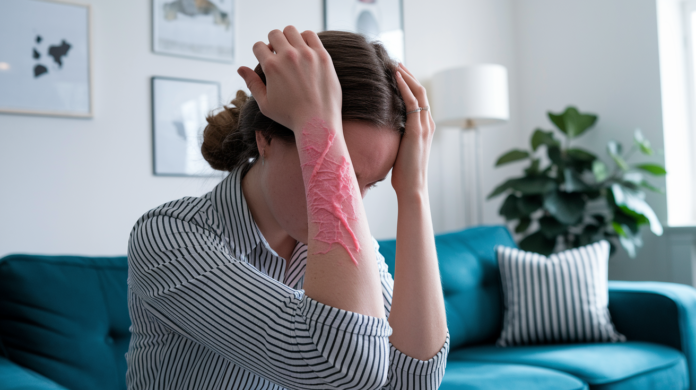

What if your stress is the main thing driving that sudden, unbearably itchy patch, even more than a new soap or food?
If you want relief, start by tracking whether flares follow tense days or big events.
Survey data shows 50% to 80% of people with eczema say stress sets off their symptoms.
When you’re stressed, your body ramps up inflammation and weakens the skin barrier, so itch, redness, and dryness can spike fast.
This post shows simple mind-body tools, tracking tips, and skin care steps that often calm the cycle.
Understanding How Stress Triggers an Eczema Flare

Psychological stress is one of the most common triggers for eczema flares. Survey data shows that between 50% and 80% of people with eczema say stress clearly sets off their symptoms. When you’re dealing with emotional strain, your body fires up inflammatory pathways that go straight to your skin. These stress responses ramp up production of molecules that promote inflammation and at the same time weaken the natural barrier that keeps moisture in and irritants out.
Emotional strain doesn’t just mess with your mood. It quickly changes how sensitive and reactive your skin becomes, so things you used to tolerate just fine can suddenly cause redness, itching, and dryness. The barrier disruption from stress means your skin loses water faster and becomes more open to bacteria, allergens, and everyday contact with fabrics or water.
Most people notice eczema symptoms get worse during or right after stressful periods, sometimes within hours or a few days of an intense emotional event. If you’re going through a rough patch that lasts weeks or months, flares may happen more often or stick around longer. Recognizing this connection is the first step toward breaking the cycle.
- Rapid escalation of itch intensity, often way out of proportion to what you can actually see on your skin
- Sudden patches of redness or irritation showing up on your usual eczema spots like hands, face, or inner elbows
- More scratching that happens almost automatically, especially during tense moments or when you’re not sleeping well
- Sleep disruption from nighttime itching that gets worse during high stress weeks
- Flares that start within hours to days after a stressful event or during ongoing emotional strain
- Symptoms getting worse even though you haven’t tried any new irritants or products, pointing to stress as the main driver instead of something external
Biological Pathways Behind Stress-Related Eczema Flares

How Dysregulated Cortisol Worsens Skin
Chronic or repeated stress messes with your hypothalamic–pituitary–adrenal axis, the system that controls cortisol release. While short bursts of stress initially raise cortisol levels, ongoing emotional strain often leads to HPA dysregulation where cortisol responses become blunted or all over the place. This altered signaling can’t properly control inflammation, so immune cells in the skin stay active and keep producing pro-inflammatory cytokines. At the same time, cortisol problems make it harder for your skin to repair its barrier after even minor damage, slowing recovery from scratching or everyday irritation. Over time, this combo of unchecked inflammation and delayed repair creates conditions where flares happen more often and last longer.
Neuroimmune Mediators That Increase Itch
Stress activates sensory nerves in your skin, which release neuropeptides like substance P and nerve growth factor. These molecules don’t just signal distress to your brain. They also directly trigger immune cells and keratinocytes to produce itch causing cytokines, especially interleukin‑31 (IL‑31). IL‑31 is a major driver of chronic itch in atopic dermatitis and works by binding to receptors on sensory nerve endings, amplifying itch signals. The result is a loop where stress triggers nerve activity, nerves release mediators that cause itch and inflammation, scratching damages the barrier even more, and the whole thing intensifies. That’s why stress induced flares often come with severe itch even when visible skin changes look mild.
Recognizing When an Eczema Flare Is Triggered by Stress

Timing is your best clue. Stress induced flares usually start within hours to a few days of an acute emotional event—a rough conversation, a work deadline, a sleepless night—or they worsen gradually during stretches of chronic strain like ongoing relationship tension or money worries. If you notice your skin reacting even though you haven’t changed skincare products, laundry detergent, clothing, or diet, stress is likely behind it. Allergic and irritant triggers need direct contact or ingestion, so their timing follows exposure patterns that are easier to trace.
Stress flares look and feel different from other causes. Allergic contact dermatitis usually shows up right where you touched the allergen and has sharp borders. Irritant reactions follow exposure to harsh chemicals or detergents and get better quickly once you stop using the irritant. Bacterial or viral infections create warmth, spreading redness, crusting, or pus. Stress related flares, by contrast, often pop up in your typical eczema spots, make itching worse than the visible redness, and don’t respond as predictably when you just avoid external irritants.
Stress flares also tend to follow emotional patterns. Many people see that symptoms get better during vacations or low stress weekends and come right back when daily pressures start up again. This rhythm is less common with purely environmental triggers like pollen or cold weather, which follow seasonal or weather based cycles. Spotting these patterns helps you go after the root cause.
- Flares happen without introducing new skincare products, fabrics, or foods
- Symptoms line up with identifiable emotional events like exams, arguments, or job changes
- Itch and irritation improve when stress levels drop, even if you don’t change your skincare routine
- Flares are itch dominant, with itching severity way beyond the degree of visible redness or scaling
- Symptoms come back during prolonged stress like caregiving responsibilities or ongoing work pressure
Skincare Steps to Calm a Stress-Induced Eczema Flare
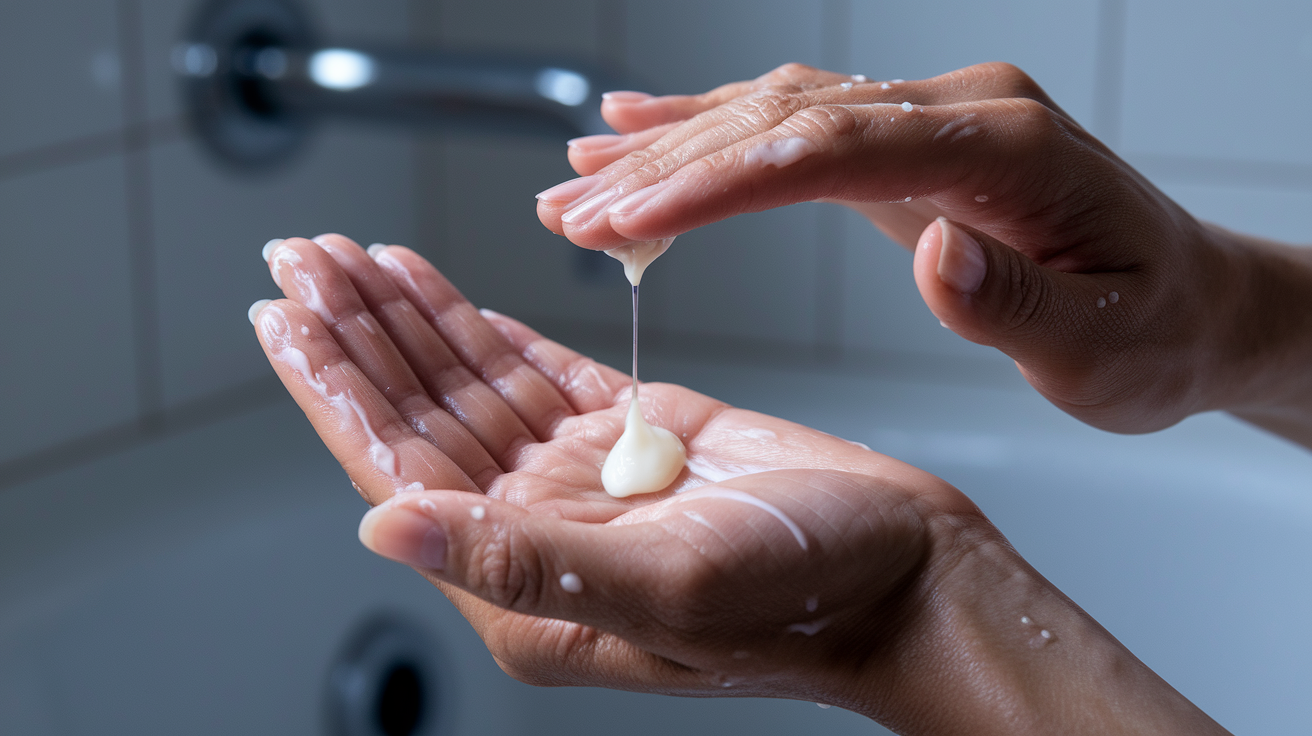
The first goal during a flare is restoring your skin’s protective barrier while bringing down inflammation. Start by avoiding more irritation. Stop using harsh soaps, fragranced products, or exfoliating tools. Switch to lukewarm baths or showers that last no more than 5 to 10 minutes and keep water temperature below 95°F (35°C). Hot water strips natural oils and makes dryness worse, even if it feels good at the time.
Moisturize right after bathing, within 3 minutes while your skin is still damp. This locks in water and supports barrier repair. Apply a thick layer of fragrance free, soap free emollient over all affected areas, and reapply at least once more during the day. Most adults need roughly 250 to 500 grams of emollient per week for whole body maintenance when eczema is active. If you’re not going through a large tub every few weeks, you’re probably under moisturizing.
For inflammation control, over the counter hydrocortisone 1% cream works well on the face and skin folds, where skin is thinner and more sensitive. For body areas like arms, legs, or torso, you might need a mid to high potency topical corticosteroid, but only use these as directed by a clinician and for short courses to avoid side effects. If a small area is really inflamed and not responding to standard care, wet wrap therapy can help. Apply your prescribed steroid or a thick emollient, cover the area with a damp cotton layer, then a dry layer, and leave it in place for one to two hours or overnight. Wet wraps are typically used for two to fourteen days under medical guidance.
- Use lukewarm water only, keeping baths and showers to 5–10 minutes
- Apply emollient within 3 minutes of getting out of the water to trap moisture
- Reapply emollient at least twice daily, using 250–500 g per week for whole body coverage
- Choose fragrance free, soap free cleansers and moisturizers to avoid more irritation
- Use low potency hydrocortisone 1% on face and folds, saving stronger steroids for the body
- Consider short course wet wraps for bad localized flares, under clinician supervision
Managing the Itch–Scratch Cycle During Stress Flares

Itch drives scratching, and scratching damages the skin barrier, which then worsens itch. Breaking this cycle takes both behavioral strategies and, sometimes, medication. Keep your fingernails trimmed short and filed smooth to minimize damage if you scratch without thinking. Wear soft cotton gloves at night if you wake up scratching. When you feel the urge to scratch, try putting firm pressure on the itchy spot instead, or gently pinch the surrounding skin. These actions stimulate sensory nerves without breaking the skin surface.
For nighttime itch that wrecks your sleep, a sedating antihistamine like diphenhydramine (25–50 mg) before bed can help you rest. The drowsiness side effect becomes useful here. Non sedating antihistamines don’t help much for eczema itch itself because histamine isn’t the main itch driver in atopic dermatitis, though they may help if you also have allergic rhinitis or hives. Avoid topical anesthetics like benzocaine or lidocaine creams on large areas of eczema. They carry a high risk of causing allergic contact dermatitis and can make things worse.
- Trim and file nails regularly to reduce injury from unconscious scratching
- Wear soft cotton gloves at night if you scratch during sleep
- Replace scratching with firm pressure or gentle pinching on itchy areas
- Use sedating antihistamines at bedtime (like diphenhydramine 25–50 mg) for sleep related itch
- Avoid topical anesthetics because of high sensitization risk on inflamed skin
Stress-Reduction Techniques to Prevent Eczema Flares

Daily Stress-Reduction Practices
Mindfulness meditation and focused breathing are practical tools that reduce stress physiology in measurable ways. Aim for 10 to 20 minutes of daily practice. Sit quietly, focus on slow breaths in and out, and gently redirect your attention when your mind wanders. Structured programs like Mindfulness-Based Stress Reduction (MBSR) usually run eight weeks and teach guided meditation, body scanning, and awareness techniques. If you like structure, look for local or online MBSR courses. Many show real reductions in symptom severity and itch related distress in people with chronic skin conditions. Progressive muscle relaxation is another option. Tense and release muscle groups one by one, starting at your toes and working up to your forehead. This takes about 10 to 15 minutes and can be done before bed or during a work break. Even short daily sessions, five to ten minutes, can lower baseline stress over time.
Cognitive Behavioral Therapy (CBT) helps you identify and change thought patterns that ramp up stress and anxiety. Standard CBT courses run six to twelve weekly sessions with a trained therapist and have been shown to reduce both emotional distress and eczema symptom severity. If you notice that worrying about your skin makes flares worse, or if anxiety around visible symptoms affects your daily life, CBT may be especially helpful. Lots of therapists now offer virtual sessions, making access easier.
Exercise and Sleep as Preventive Tools
Regular physical activity cuts down stress hormones and promotes better sleep, both of which protect against flares. The general recommendation is at least 150 minutes per week of moderate aerobic activity, brisk walking, cycling, swimming, or 75 to 150 minutes per week of vigorous exercise like running, hiking, or singles tennis. Find activities you enjoy and can stick with, because consistency matters more than intensity. If sweating triggers irritation during active flares, shower right afterward with lukewarm water and reapply emollient immediately.
Sleep hygiene is just as important. Poor sleep makes stress responses worse and lowers your itch threshold, setting you up for flares. Keep a regular sleep and wake schedule, even on weekends. Stop using screens 30 to 60 minutes before bed, because blue light messes with melatonin production. Cut out caffeine after lunch and avoid big meals or alcohol close to bedtime. Keep your bedroom dark, cool, and comfortable. Many people with eczema sleep better in a slightly cooler room with a humidifier during dry seasons. Set up a calming routine before bed. A warm (not hot) bath, gentle stretching, or reading can signal your body that it’s time to rest.
Environmental and Lifestyle Triggers That Interact With Stress
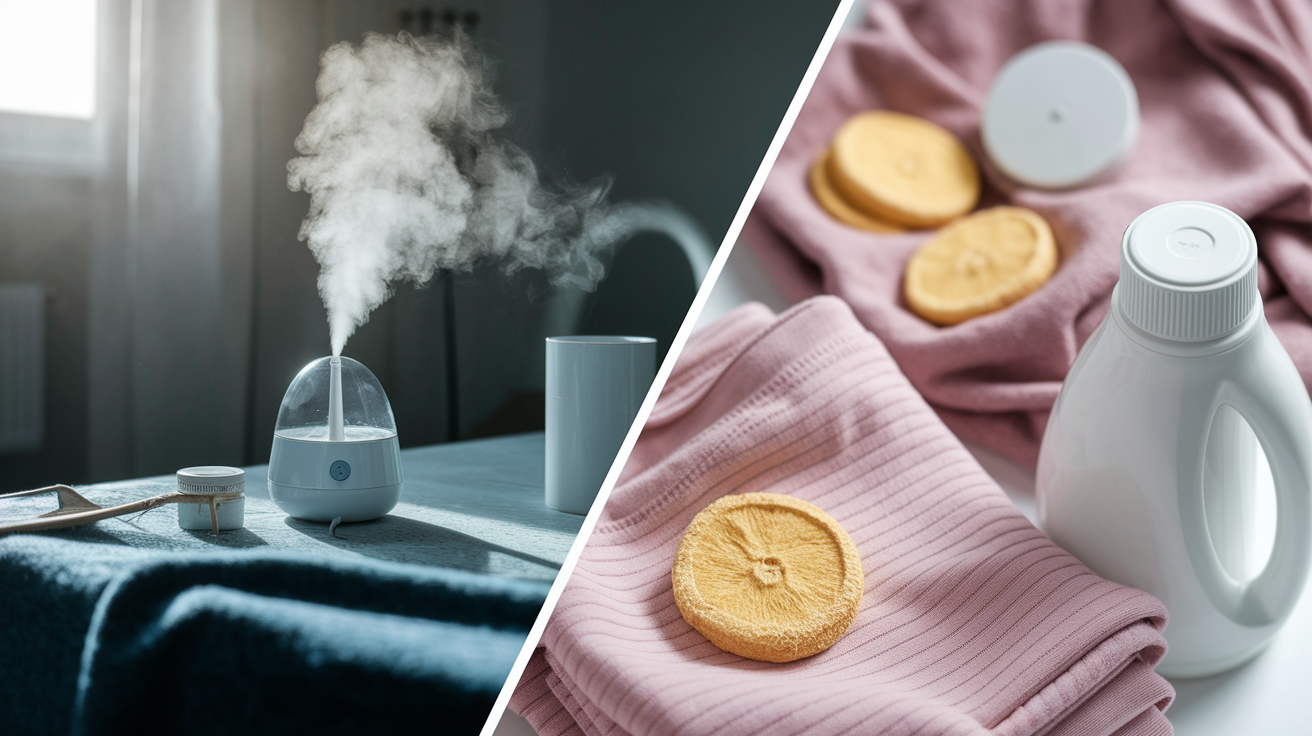
Stress doesn’t work alone. Environmental and lifestyle factors often team up with emotional strain to push your skin over the edge into a flare. Cold, dry air is one of the most common triggers, especially in winter when indoor heating cuts humidity even more. Low moisture in the air pulls water out of your skin, weakening the barrier and making stress induced inflammation more obvious. If you live somewhere cold or dry, use a humidifier indoors and apply emollient more often during these months.
Irritants like fragrances, cigarette smoke, harsh detergents, and certain fabrics also interact with stress to make flares worse. Wool and polyester can trap heat and moisture against your skin, ramping up itch and irritation. Stick to soft cotton clothing and wash new stuff before wearing it to remove manufacturing residues. Use fragrance free laundry detergent and skip fabric softeners, which leave a coating that can irritate sensitive skin. Even small exposures add up when your stress response has already primed your immune system for inflammation.
Allergens like dust mites, pet dander, mold, and pollen can trigger flares in people with atopic tendencies. If you notice that flares get worse in certain rooms, after contact with pets, or during pollen season, think about allergen testing with a dermatologist or allergist. Cutting down allergen load at home—using dust mite proof mattress covers, keeping pets out of the bedroom, running a HEPA filter—can lower your baseline inflammation and make stress related flares less severe. The goal isn’t to wipe out every possible trigger, which is rarely realistic, but to reduce your total trigger burden so that stress alone is less likely to push you into a flare.
Advanced Medical Treatments for Severe Stress-Induced Eczema
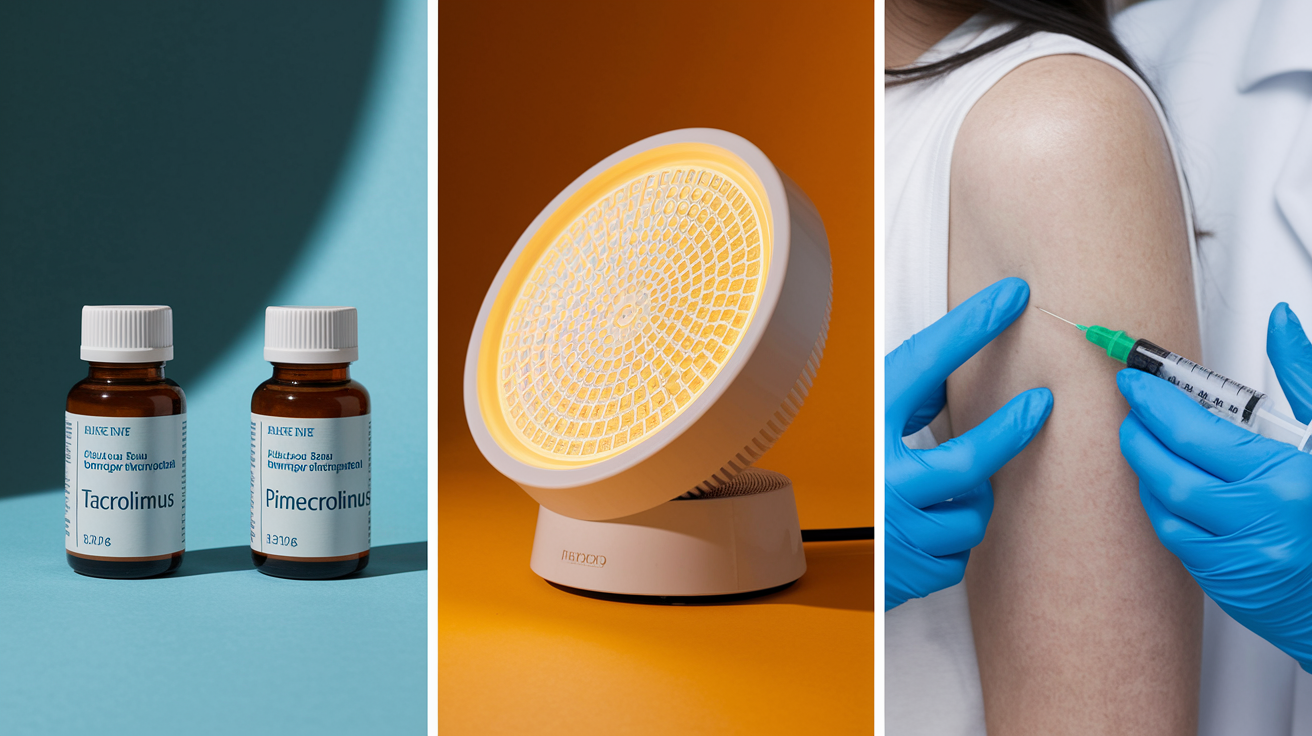
When home care and stress reduction strategies aren’t cutting it, dermatologists have several prescription options to reduce inflammation, repair the barrier, and prevent flares from coming back. Topical calcineurin inhibitors, tacrolimus and pimecrolimus, are steroid sparing medications that suppress local immune activation without the thinning and stretch mark risks of long term topical corticosteroids. They’re especially useful for sensitive areas like the face, eyelids, and skin folds, and can be used for longer maintenance periods.
Phototherapy, usually narrowband ultraviolet B (UVB), delivers controlled light exposure that reduces inflammation and calms overactive immune responses in the skin. Treatment usually needs two to three sessions per week for several weeks and is done in a dermatology clinic. Phototherapy works well for widespread eczema that hasn’t responded to topical treatments alone. Systemic immunosuppressants, cyclosporine, methotrexate, and azathioprine, are oral or injectable medications saved for moderate to severe eczema that really affects quality of life. These drugs need regular blood monitoring and are used for time limited courses or long term control when other options fail.
Biologic therapy, like dupilumab, targets specific immune pathways involved in atopic dermatitis. Dupilumab blocks interleukin-4 and interleukin-13 signaling, which drive the type 2 inflammation typical of eczema. It’s given as a shot under the skin every two weeks after a loading dose and has shown major reductions in itch, redness, and flare frequency in clinical trials. Biologics are usually considered for people with moderate to severe disease who haven’t gotten enough control with topical therapies and phototherapy.
| Treatment | When Used | Notes |
|---|---|---|
| Topical calcineurin inhibitors (tacrolimus, pimecrolimus) | Face, folds, or long-term maintenance | Steroid-sparing; no skin thinning risk |
| Phototherapy (narrowband UVB) | Widespread moderate eczema | 2–3 sessions/week; requires clinic visits |
| Systemic immunosuppressants (cyclosporine, methotrexate, azathioprine) | Moderate–severe, uncontrolled disease | Oral/injectable; needs monitoring |
| Dupilumab (biologic) | Moderate–severe atopic dermatitis | Subcutaneous injection every 2 weeks |
| Wet-wrap therapy | Severe localized flares | Short courses (2–14 days) under guidance |
When Stress-Induced Eczema Requires Medical or Urgent Care

Most stress related eczema flares can be handled at home with good skincare and stress reduction strategies, but some situations need quick medical evaluation. If your flare is severe enough to mess with sleep every night for more than a few days, or if itch and discomfort get in the way of work, school, or daily routines, see a dermatologist. Persistent, uncontrolled symptoms often mean you need prescription strength topical or systemic therapies.
Signs of bacterial infection need same day or urgent evaluation. Watch for spreading redness, warmth, swelling, yellow crusting or oozing, pus filled blisters, or fever. Eczema damaged skin is vulnerable to bacterial superinfection, most often with Staphylococcus aureus, and untreated infection can spread fast. If you develop sudden, widespread pustules, severe pain, or feel sick overall, get emergency care. These symptoms may mean eczema herpeticum (a viral infection with herpes simplex) or another serious complication that needs immediate antiviral or antibiotic treatment.
- Sleep disruption every night for more than a few days because of itch or discomfort
- Severe pain, warmth, or swelling in affected areas
- Yellow crusting, pus, or rapidly spreading redness
- Fever or feeling sick overall alongside worsening skin symptoms
- Symptoms that don’t improve after two to four weeks of consistent home care and stress management
Tracking Stress and Eczema Flares Over Time

Keeping a symptom diary helps you spot patterns that aren’t obvious day to day. For four to eight weeks, write down when flares start, how bad they are, what was going on in your life at the time, and how your sleep, stress, and skincare routine were that day. Note any new irritants, foods, or environments, plus emotional stressors like deadlines, conflicts, or big life events. Over time, you’ll probably see that certain stressors consistently show up before flares, or that flares bunch together during stretches of bad sleep or high work pressure.
Once you recognize your patterns, you can build a personalized action plan. Combine daily skincare, consistent emollient use, gentle cleansing, avoidance of known irritants, with a scheduled stress reduction routine. Maybe commit to 10 minutes of meditation each morning and 30 minutes of exercise five times per week. Set regular sleep and wake times, and set up a pre bed routine that supports relaxation. When you know a high stress period is coming, ramp up your stress management and skincare ahead of time, before symptoms start.
Some people find digital tools and apps helpful for tracking symptoms, stress levels, and potential triggers. Lots of apps let you log daily entries quickly and generate visual summaries that make patterns easier to see. Whether you use a paper journal, a spreadsheet, or an app, the key is consistency and honest reflection. Share your diary with your dermatologist at appointments. It gives context that helps clinicians customize treatment and catch triggers you may have missed.
Final Words
in the action, we linked emotional strain to quick-onset itch, redness, and sleep trouble, and explained how stress changes the skin’s reactivity.
You learned simple skincare moves, ways to break the itch–scratch loop, practical stress-reduction habits, and when to get same-day care for signs of infection or severe worsening.
Keep a brief diary for 4–8 weeks and note what happens before flares. If a stress induced eczema flare keeps coming back or gets worse, call your clinic. With steady care and stress tools, most people see real improvement.
FAQ
Q: How do you treat stress related eczema?
A: Treating stress related eczema focuses on calming the skin and reducing stress. Use gentle skincare, moisturize within three minutes after bathing, add stress‑reduction habits, track patterns, and see your clinician for severe or infected flares.
Q: What is the 3 minute rule for eczema?
A: The 3 minute rule for eczema means applying moisturizer within three minutes after bathing to lock in moisture. Use a fragrance‑free emollient and pat skin gently rather than rubbing.
Q: Is B12 good for eczema?
A: Vitamin B12 may help some people with eczema when used topically, but evidence is limited and oral B12 has weak support. Talk with your clinician before trying supplements or new creams and track any changes.