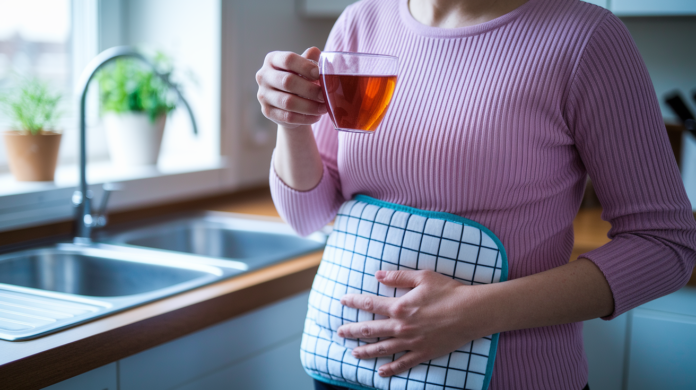

Is your belly so tight and heavy you just want it gone now?
You don’t have to wait hours. Small actions often ease bloating in minutes.
This post gives four easy steps you can try right away: sip warm peppermint or ginger tea, take a simethicone tablet, put a heating pad on your stomach, and walk slowly for 10 minutes, plus quick food swaps, simple self-massage, and clear red flags that mean you should get checked.
Immediate Actions for Fast Bloating Relief Right Now

If your belly feels tight and uncomfortable right now, try these four things: sip some warm peppermint tea, take an over the counter simethicone tablet like Gas-X, put a heating pad on your stomach, and walk slowly for about 10 minutes. You might start feeling better within minutes.
Each one works differently. Peppermint relaxes the smooth muscles in your gut so trapped gas can move. Simethicone breaks up tiny gas bubbles, making them easier to pass. Heat loosens tense stomach muscles and eases cramping. Walking nudges your digestive system into motion, helping gas travel through and out.
A 2021 study found that people who walked for 10 to 15 minutes after eating had less bloating. Most of these work fastest when you use them right away, before pressure builds up more.
Here’s what to do right now:
- Drink warm peppermint or ginger tea. Relief can start in 5 to 15 minutes.
- Take a simethicone tablet. It can reduce gas bubbles in 15 to 30 minutes.
- Put a heating pad or hot water bottle on your belly. Warmth usually helps in 10 to 20 minutes.
- Walk slowly for 10 to 15 minutes. Movement helps gas pass within 15 to 45 minutes.
- Stop eating or drinking anything carbonated. This prevents new gas from getting in.
- Lie on your left side with knees pulled gently toward your chest. Gas may exit within 10 to 30 minutes.
If these give you some relief but symptoms stick around, keep reading for more detailed options.
Quick Food and Drink Adjustments That Reduce Bloating Fast
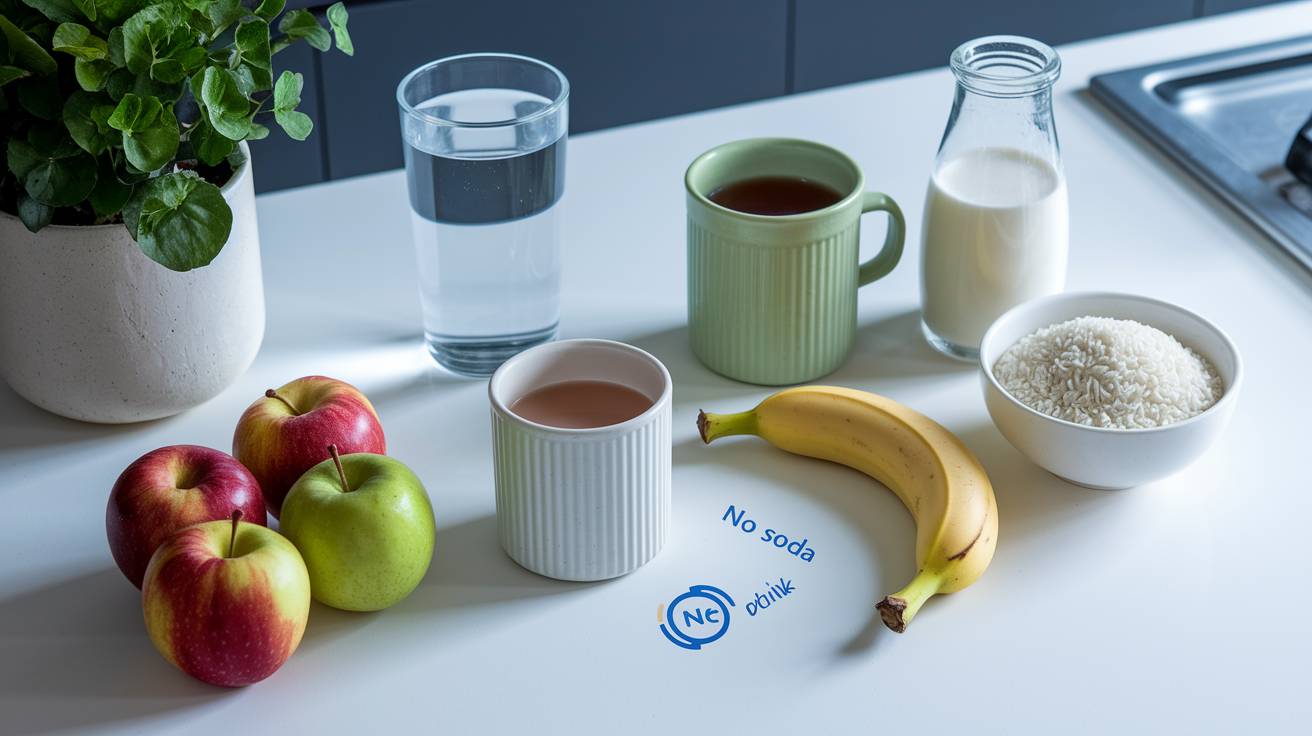
Certain foods and drinks trap gas in your system or make your gut produce more. Cutting them out now can reduce bloating in the next few hours.
Carbonated drinks like soda, sparkling water, and beer put bubbles straight into your stomach. Every sip adds carbon dioxide that has to come back out, either as a burp or intestinal gas. If you’re already bloated, stop drinking anything fizzy. Artificial sweeteners in sugar-free gum and diet sodas can ferment in your colon too, making extra gas within a couple hours. High fructose fruits like apples, pears, peaches, and dried fruit are harder to digest and might make bloating worse if you eat them during an episode.
If dairy makes you feel worse, switch to lactose-free milk or a plain plant option like almond or oat milk. Cruciferous vegetables (cabbage, Brussels sprouts, broccoli, cauliflower) have raffinose, a sugar that makes gas as it breaks down. Save those for when your belly feels normal again.
Make these swaps now:
- Put down any carbonated drink and switch to plain room temperature or warm water.
- Don’t chew gum or eat mints with sugar alcohols like sorbitol or xylitol.
- Skip high fructose fruits for the rest of the day.
- Use lactose-free or plant milk instead of regular dairy if you think that’s a trigger.
- Hold off on beans, lentils, and cruciferous vegetables until tomorrow.
- Keep portions small and simple. Stick with easily digested foods like plain rice, bananas, or cooked carrots.
Warm drinks, especially plain warm water or herbal teas, can help your digestive system relax and move gas along. The warmth itself is soothing and might ease cramping fast.
Fast-Acting Over-the-Counter Options for Bloating Relief
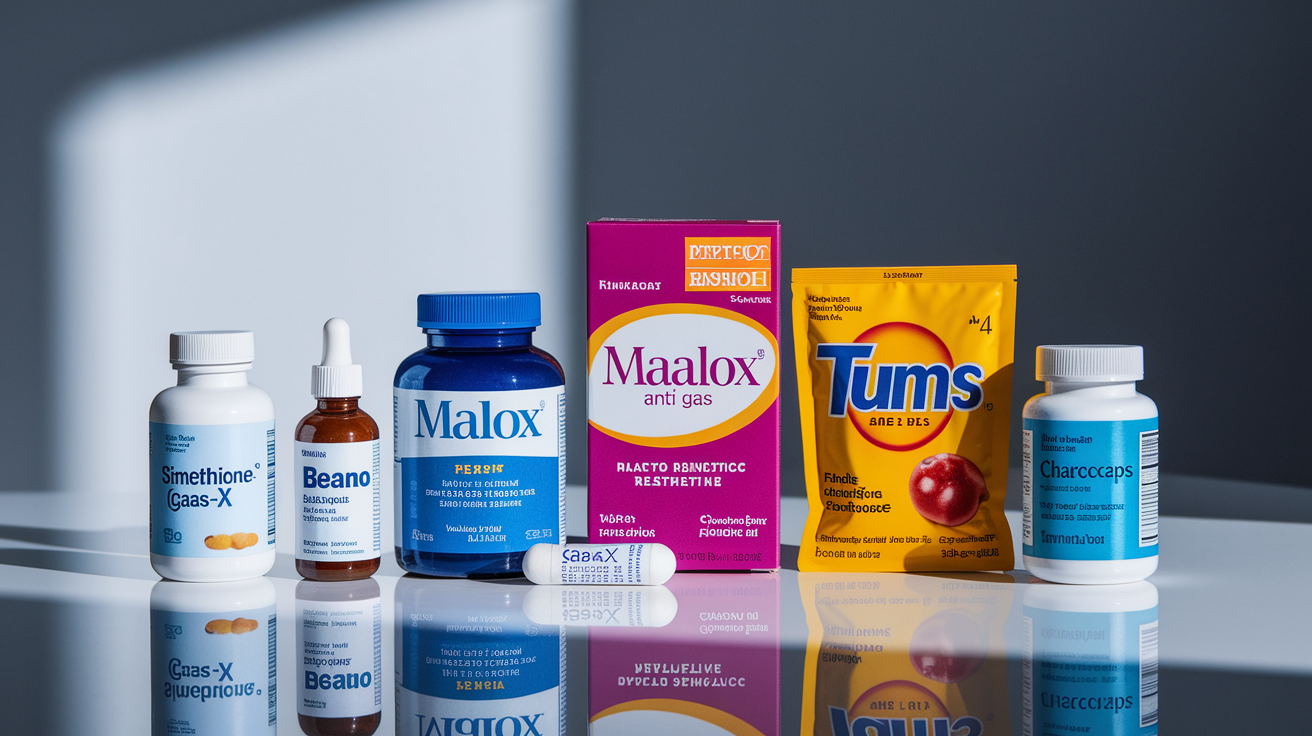
Over the counter products can reduce bloating quickly, especially when it’s caused by extra stomach acid or trapped gas. Different products work on different causes, so knowing which one to grab helps you get relief faster.
Simethicone, sold as Gas-X or Maalox Anti-Gas, breaks up gas bubbles in your stomach and intestines so they’re easier to pass. It doesn’t stop gas production, but it makes existing gas less uncomfortable. Most people notice some relief in 15 to 30 minutes. Simethicone is safe for occasional use and doesn’t get absorbed into your bloodstream.
Antacids like Pepto Bismol and Tums help when bloating comes with heartburn or a sour stomach. They neutralize stomach acid and may reduce inflammation in your digestive tract. These work best if your bloating pairs with indigestion or acid reflux, and relief usually starts in 20 to 40 minutes. If your bloating is only from gas or overeating, antacids might not do much.
Activated charcoal products like CharcoCaps are sometimes used for gas, but evidence is limited. Charcoal may bind to gas in your digestive tract, but it can also mess with medications and isn’t right for everyone.
| Product | Best For | Expected Relief Time |
|---|---|---|
| Simethicone (Gas-X, Maalox Anti-Gas) | Trapped gas, gas bubbles | 15 to 30 minutes |
| Antacids (Pepto Bismol, Tums) | Bloating with heartburn or acid reflux | 20 to 40 minutes |
| Alpha-D-galactosidase (Beano) | Before meals with beans or cruciferous vegetables | Preventive, not fast relief |
| Activated charcoal (CharcoCaps) | Occasional gas (limited evidence) | Variable, 30 minutes to hours |
If you take other medications regularly, check with a pharmacist before using activated charcoal or antacids. They can interfere with absorption. Don’t use any of these daily without talking to a clinician, especially if bloating keeps coming back.
Rapid Herbal and Natural Remedies for Immediate Belly Comfort
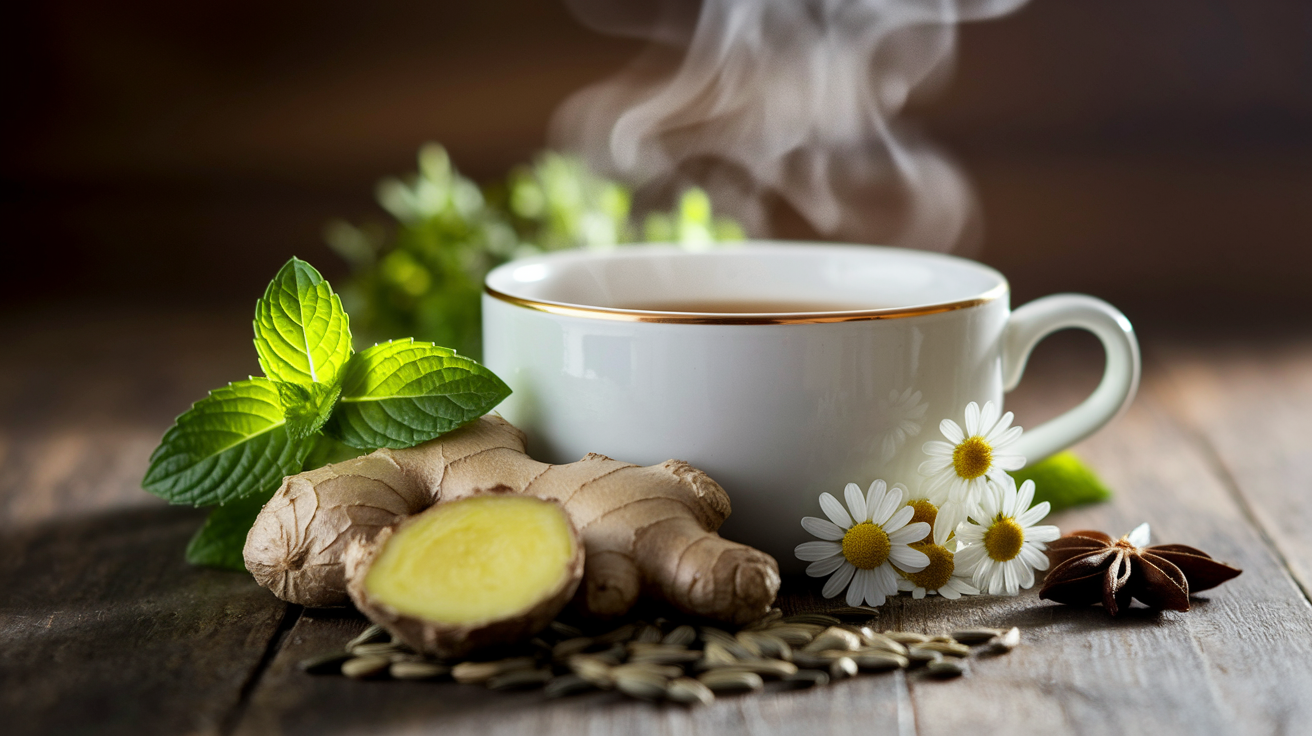
Herbal remedies have been used for digestive discomfort for centuries, and some have research backing them up. These work best when you drink them as warm teas or take them in specific forms soon after symptoms start.
Peppermint has menthol, which relaxes the smooth muscles in your digestive tract and can ease cramping and gas. Drinking warm peppermint tea might start working in 5 to 15 minutes. Peppermint oil capsules are available too and may help with irritable bowel syndrome symptoms, but they take longer than tea. Ginger does similar things, calming stomach muscles and reducing nausea. Ginger tea or fresh ginger in hot water can bring relief in 10 to 20 minutes.
Chamomile tea has mild anti-inflammatory effects and can soothe an irritated digestive system. The warmth and slow ritual of sipping tea also encourage you to pause and breathe, which helps reduce tension that can make bloating worse. Fennel seeds have compounds that relax the gut and reduce gas. Chewing a small pinch of fennel seeds after a meal or steeping them in hot water may ease symptoms in 15 to 30 minutes. Anise has been shown in studies to reduce bloating in people with IBS and dyspepsia, and you can use it like fennel.
Try these quick herbal methods:
- Brew a cup of peppermint, ginger, or chamomile tea and sip it slowly over 10 minutes.
- Chew a small pinch of fennel or anise seeds after eating.
- Add fresh ginger slices to warm water and let it steep for 5 minutes before drinking.
- Use enteric coated peppermint oil capsules if you have recurring IBS related bloating, following package directions.
Herbal remedies work differently for different people. If you try one and don’t feel better in 30 minutes, move on to another method. These are generally safe for occasional use, but skip peppermint tea if you have severe acid reflux since it can relax the valve between your stomach and esophagus.
Quick Movements, Stretches, and Positions to Ease Bloating Immediately

Movement helps gas travel through your digestive system and exit naturally. When you’re bloated, you might want to lie still, but gentle activity usually brings faster relief.
Walking is one of the simplest and most effective options. A slow 10 to 15 minute walk after eating can reduce bloating a lot. A 2021 study found that people who walked briefly after meals reported less gas and fullness. Walking stimulates peristalsis, the wave-like muscle contractions that push food and gas through your intestines. You don’t need to walk fast. A relaxed pace is enough to encourage movement without causing discomfort.
Certain yoga poses and stretches can help too by changing the position of your organs and creating gentle pressure that nudges gas along. Lying on your left side with your knees pulled gently toward your chest can help gas move toward the exit. The left side works best because of how your colon is shaped. Gas naturally travels up the right side, across the top, and down the left side before leaving.
Try these movements and positions:
- Walk slowly for 10 to 15 minutes. Relief may start in 15 to 30 minutes.
- Lie on your left side and pull your knees gently toward your chest. Hold for 2 to 5 minutes.
- Child’s pose. Knees wide, forehead to the floor, arms stretched forward. Hold for 1 to 3 minutes to compress your abdomen gently.
- Pelvic tilts. Lie on your back, knees bent, gently rock your pelvis up and down. Repeat 10 to 15 times to massage your intestines.
- Cat-cow stretch. On hands and knees, alternate between arching and rounding your back. Repeat slowly 8 to 10 times to encourage movement.
Most people feel some relief within 10 to 45 minutes of trying these movements. If lying down makes symptoms worse, stick with walking or standing stretches. Movement should feel gentle, never painful. Stop if you feel sharp pain or symptoms get worse.
Fast Self-Massage and Breathing Techniques to Release Trapped Gas

Gentle stomach massage and controlled breathing can help release trapped gas by encouraging your digestive system to relax and move. These are especially helpful when you feel pressure or cramping but aren’t ready to move around yet.
Massaging your belly in a clockwise direction follows the natural path of your colon. Starting at your lower right side, moving up, across, and down the left side mimics how food and gas travel through your intestines. Light pressure is enough. Deep diaphragmatic breathing, where you breathe into your belly rather than your chest, reduces tension in your stomach muscles and may get your gut moving. Stress and shallow breathing can make bloating feel worse by tightening your core.
Try these techniques now:
- Abdominal massage. Lie on your back with knees bent. Using your fingertips, press gently on your lower right abdomen and move in slow circles up toward your ribs, across to the left side, and down toward your left hip. Repeat for 5 to 10 minutes. You might feel gurgling or movement, which is normal.
- Deep belly breathing. Sit or lie comfortably. Put one hand on your chest and one on your belly. Breathe in slowly through your nose, letting your belly rise while your chest stays still. Exhale slowly through your mouth. Repeat for 5 to 10 minutes.
- Combine both. After massaging, spend a few minutes breathing deeply to get the most relaxation.
Relief may start in 10 to 30 minutes. If you feel the urge to pass gas during or after these, that’s a good sign they’re working. These methods are safe and you can repeat them as needed.
Why You Get Bloated: Fast Overview of Common Triggers
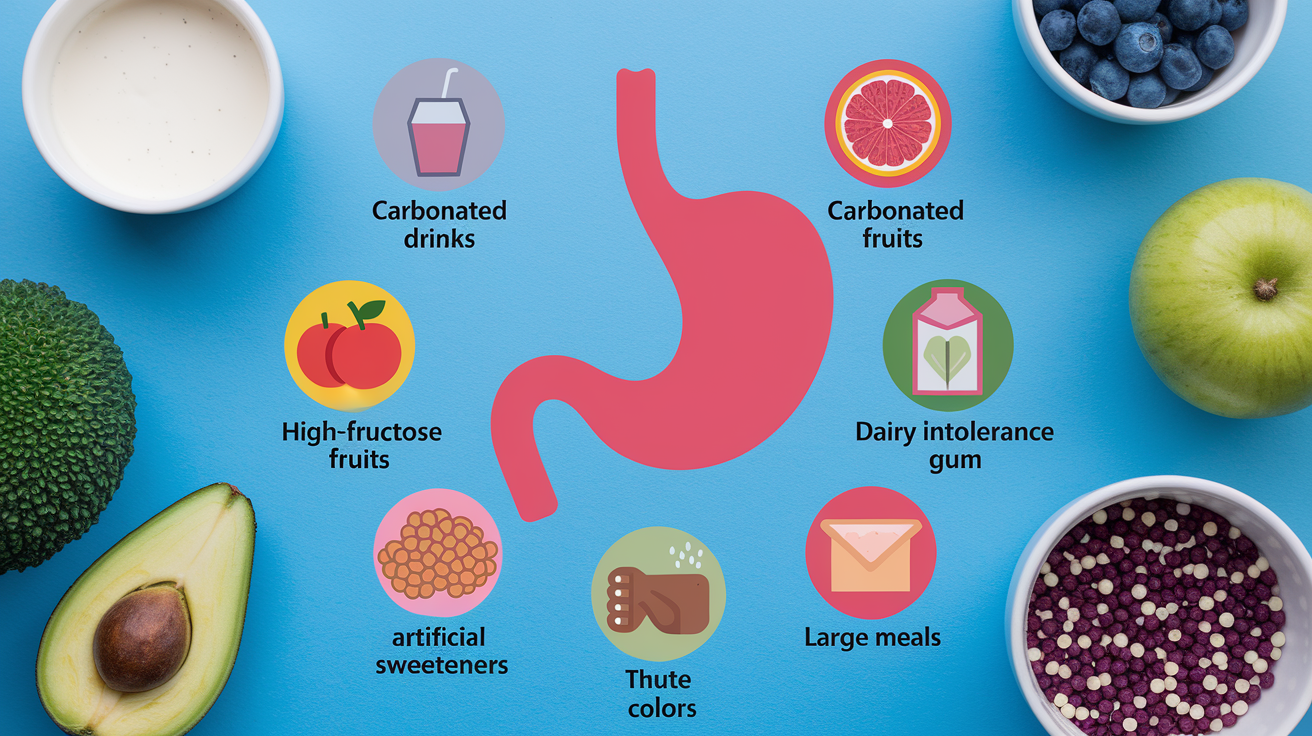
Bloating affects 10% to 25% of people sometimes, and it usually happens when pressure builds in your stomach or intestines. Understanding what triggers it helps you pick the right relief strategy and avoid it happening again.
Most bloating comes from swallowing too much air or making excess gas during digestion. Eating too fast, gulping drinks, chewing gum, or smoking all bring extra air into your system. That air has to come out eventually, and while some leaves as burps, the rest travels through your intestines and causes pressure. Certain foods are harder to digest too and make more gas as they break down. Beans, lentils, and cruciferous vegetables have complex sugars that gut bacteria ferment, releasing gas.
Food intolerances are another big trigger. Lactose intolerance means your body can’t break down the sugar in dairy, so it ferments in your colon and makes gas and bloating within a few hours of eating milk, cheese, or yogurt. Fructose intolerance works the same way with high fructose fruits and sweeteners. Gluten sensitivity or celiac disease can cause bloating along with other digestive symptoms when you eat wheat, barley, or rye.
Common bloating triggers:
- Eating too quickly or swallowing air while eating or drinking
- Carbonated beverages and beer
- High fructose foods like apples, pears, and dried fruit
- Dairy products if you’re lactose intolerant
- Beans, lentils, and cruciferous vegetables (cabbage, broccoli, Brussels sprouts)
- Artificial sweeteners like sorbitol, xylitol, and mannitol
- Chewing gum or sucking on hard candy
- Large meals that stretch your stomach
- Conditions like irritable bowel syndrome (IBS), small intestinal bacterial overgrowth (SIBO), gastroesophageal reflux disease (GERD), or celiac disease
Bloating can also happen from slower digestion as you age, hormonal changes during your menstrual cycle or menopause, or an imbalance in your gut bacteria. Keeping track of when bloating happens and what you ate before can help you figure out your specific triggers.
When Bloating Means You Need Medical Care

Most bloating is uncomfortable but harmless and goes away with simple fixes. But sometimes bloating signals a more serious problem that needs medical attention.
Get same-day or urgent care if your bloating comes with severe abdominal pain, especially pain that’s sharp, constant, or gets worse when you move. Vomiting that won’t stop, inability to pass gas or have a bowel movement, or a visibly swollen and hard belly can mean a bowel obstruction, which is a medical emergency. Bloody or black stools, unexplained weight loss, or bloating that keeps getting worse over days or weeks are red flags that need prompt evaluation by a clinician.
If you get bloating often, more than a few times a week, or if it messes with your daily life, schedule an appointment with your primary care provider or a gastroenterologist. Chronic bloating can be a symptom of irritable bowel syndrome (IBS), small intestinal bacterial overgrowth (SIBO), inflammatory bowel disease (IBD), celiac disease, or gastroparesis (delayed stomach emptying). These conditions need diagnosis and targeted treatment, not just symptom relief.
Your clinician may recommend:
- Blood tests to check for celiac disease or other inflammation markers
- Breath tests to diagnose lactose intolerance, fructose intolerance, or SIBO
- Stool tests to check for infections or digestive enzyme deficiencies
- Imaging studies like an abdominal ultrasound or CT scan if obstruction or structural issues are suspected
It’s okay to get checked even if you’re not sure whether your symptoms are serious. Persistent bloating is worth looking into, especially if it’s new or changing.
Preventing Future Bloating: Simple Habits to Reduce Recurrence
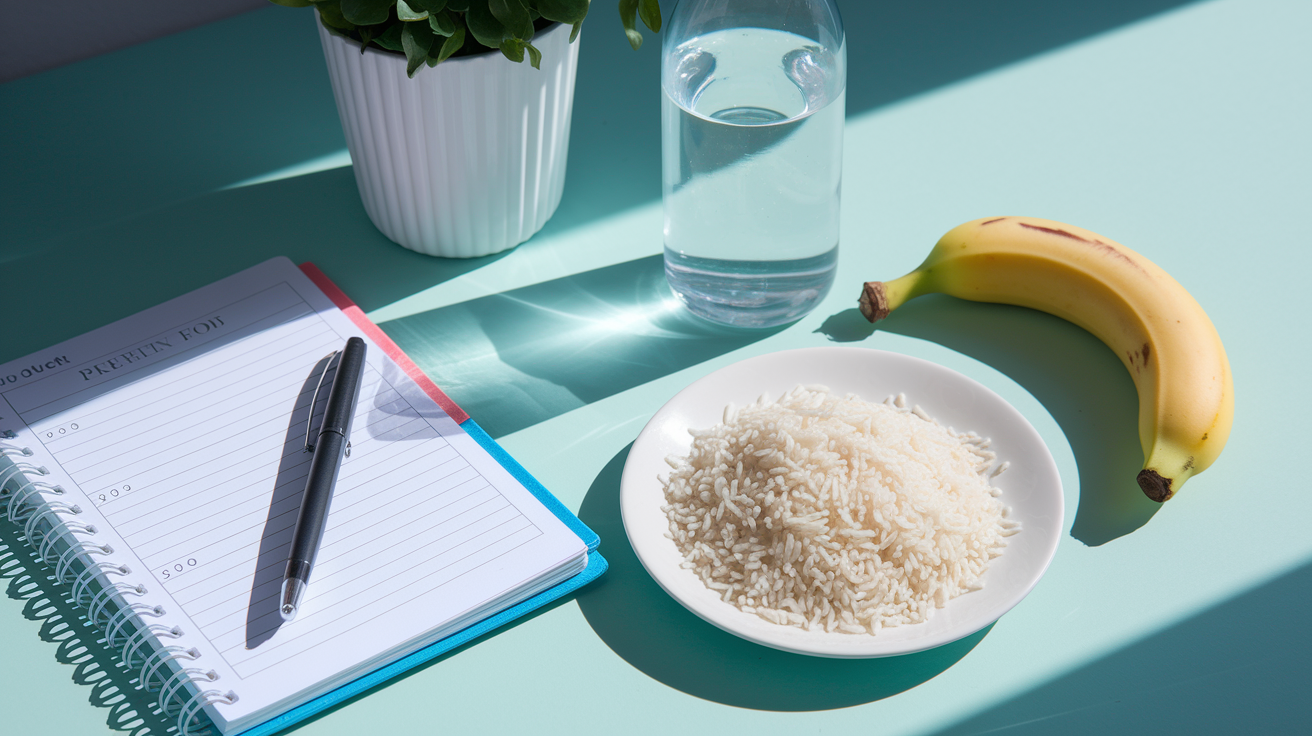
Once you’ve eased your current bloating, small daily habits can help you avoid future episodes. Prevention is about eating mindfully, avoiding known triggers, and supporting healthy digestion.
Portion control makes a big difference. Large meals stretch your stomach and slow digestion, giving food more time to ferment and produce gas. Eating 4 to 5 smaller meals throughout the day instead of 2 to 3 large ones keeps your digestive system moving steadily. Chew thoroughly, about 20 to 30 times per bite. This breaks food down before it reaches your stomach and reduces the amount of air you swallow. Make meals last at least 20 minutes. Eating quickly makes you gulp air and miss your body’s fullness signals, which leads to overeating.
Staying hydrated helps food move smoothly through your digestive tract and prevents constipation, which can make bloating worse. Aim for plain water throughout the day, and don’t drink large amounts during meals since this can dilute digestive enzymes. Salty and fatty foods slow digestion and make your body hold onto water, making bloating worse. Cutting back on processed foods, fried foods, and high sodium snacks can reduce puffiness and discomfort.
Simple prevention habits:
- Eat slowly and chew each bite thoroughly, aiming for meals that last at least 20 minutes.
- Switch to 4 to 5 smaller meals per day instead of 2 to 3 large ones.
- Drink water steadily throughout the day, but don’t gulp large amounts quickly.
- Cut back on salty, fatty, and processed foods that slow digestion.
- Avoid carbonated drinks, sugar-free gum, and artificial sweeteners daily.
- Keep a food and symptom diary for 2 to 3 weeks to identify your personal triggers. Write down what you eat, when you eat it, and when bloating happens.
If you think you have a food intolerance, try cutting out the suspected trigger for 2 weeks and see if symptoms improve. For example, if dairy seems to cause bloating, switch to lactose-free milk and skip cheese, yogurt, and ice cream. If symptoms improve, you may have found a trigger. Bring the food back slowly and watch for a reaction. If bloating returns, that food is likely a problem for you. Working with a nutritionist or gastroenterologist can help you design an elimination trial safely, especially if you’re thinking about a low-FODMAP diet or testing for multiple intolerances.
Final Words
Try these fastest moves now: sip warm peppermint tea, take simethicone, apply a warm compress, or walk 10–15 minutes. Those often ease trapped gas in minutes.
This post also covered quick food swaps, OTC and herbal options, simple movements, self-massage and breathing, common triggers, red flags, and habits to prevent repeats.
If you want a quick plan for how to stop bloating immediately, use the fast toolkit, note what helps, and see a clinician if red flags appear. Small steps usually bring real relief.
FAQ
Q: How do I get rid of bloating in 5 minutes?
A: Getting rid of bloating in 5 minutes usually means quick steps: sip warm peppermint or ginger tea, take simethicone, apply a warm compress, walk gently, and massage your belly clockwise.
Q: What stops bloating quickly?
A: Stopping bloating quickly often means breaking up trapped gas and relaxing your belly: use simethicone, drink something warm, walk lightly, do a gentle abdominal massage, and avoid fizzy or high‑fructose foods.
Q: How to get rid of big belly bloat?
A: Getting rid of big belly bloat means combining fast fixes and follow‑up: try warm drinks, simethicone, heat, walking, track recent foods, and see a clinician if it’s persistent, very painful, or recurring.
Q: How to flush gas out of your stomach?
A: Flushing gas out of your stomach works by moving and breaking bubbles: try simethicone, change positions or walk, sip peppermint or ginger tea, do clockwise belly massage, and use slow diaphragmatic breaths.