

That annoying cough that won’t stop?
Most of the time it’s not your lungs but post nasal drip—mucus that drains down the back of your throat and tickles the cough sensors.
This post explains why that happens, the common triggers like allergies, colds, and dry air, and the most effective relief you can try at home.
You’ll also get simple tracking tips to spot patterns, clear next steps, and the warning signs that mean it’s time to see a clinician.
Understanding Post Nasal Drip and Why It Causes a Cough
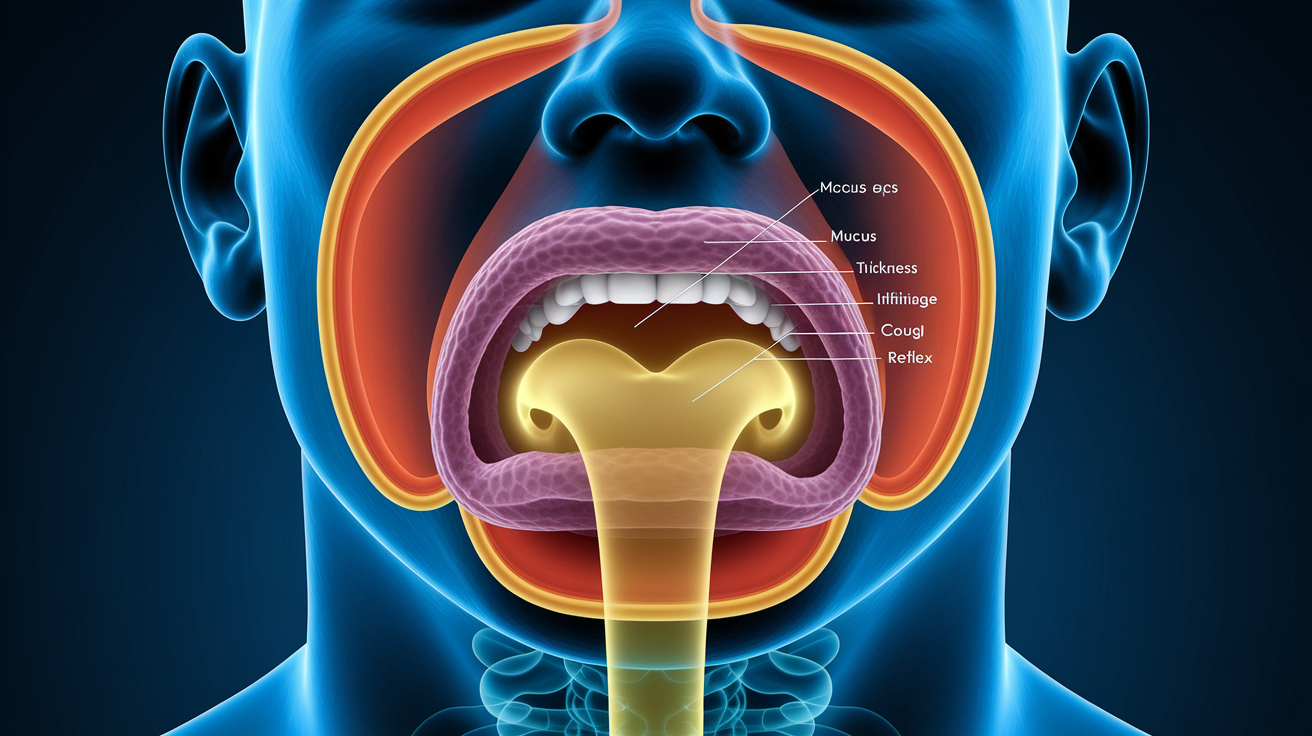
Post nasal drip happens when your nose and sinuses churn out too much mucus, or when normal mucus gets thicker and starts pooling at the back of your throat instead of flowing where it’s supposed to go. Your body makes about a quart of mucus every day to keep airways moist and trap dust, allergens, germs. You swallow most of it without thinking twice. But when something disrupts that balance, allergies, a cold, dry air, irritation, the mucus gets heavier, stickier, or overproduced. It drains down your throat where you can actually feel it.
That drainage doesn’t just sit there. Mucus slides down constantly, especially when you’re lying flat or first waking up.
The cough reflex kicks in because of a few overlapping triggers. Direct irritation happens when mucus physically touches sensitive nerve endings in your throat, sending a signal to your brain that something needs clearing. The lining of your throat can get inflamed from constant mucus contact, making nerves fire more easily. Even thin mucus can create this maddening tickle that makes you cough or clear your throat over and over. And mucus collects at the back of your throat when you lie down, triggering a cough when you wake up or roll over.
When mucus lands on the cough receptors in your pharynx, the back of your throat, those receptors send an urgent message up the vagus nerve to your brainstem. Your brainstem reads it as “foreign material in the airway” and launches a cough to expel it. The more mucus drains, the more your throat stays irritated, and the more you cough. It’s a cycle that can go on for weeks if you don’t address the source.
Common Symptoms to Recognize

The hallmark sign is a sensation that something’s stuck or sliding down the back of your throat. You might feel a tickle, a lump, or a constant need to clear your throat even when you just did. That throat clearing often doesn’t bring relief. It just repeats.
The cough itself is usually dry or minimally productive, meaning you’re not coughing up a lot of thick stuff from your lungs. Instead, you might feel mucus in your throat that you swallow or spit out after clearing. This cough tends to get worse at night or right when you wake up because mucus pools while you’re lying flat. You might also notice a scratchy or sore throat from all the coughing and clearing, or a hoarse voice from the constant irritation.
Other clues include a stuffy or runny nose, sneezing, bad breath from mucus sitting in your throat, and sometimes nausea if you’ve swallowed a lot of thick drainage. If your cough is sharp and comes from deep in your chest, or if you’re wheezing and short of breath, that’s more likely a lung issue than post nasal drip. Post nasal drip cough lives in your throat, not your chest. It responds to swallowing, drinking, or clearing rather than deep breathing.
Causes and Triggers
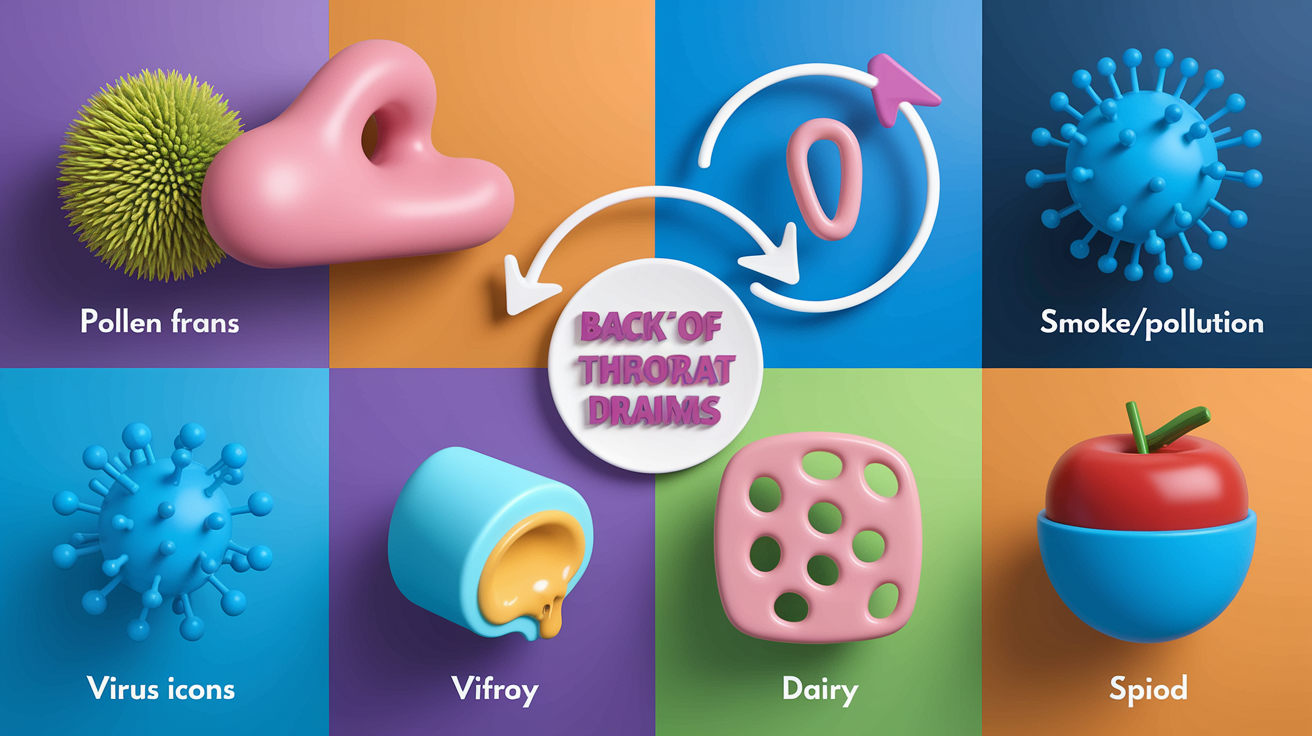
Post nasal drip starts when something irritates or inflames the lining of your nose and sinuses, causing them to overproduce mucus or change its consistency. The mucus then drains backward instead of forward.
Allergies are one of the most common culprits. When your immune system reacts to pollen, dust mites, pet dander, or mold, your nasal lining swells and pumps out watery or thick mucus to flush out the allergen. Viral infections like the common cold or flu also trigger heavy mucus production as your body tries to trap and clear the virus. Bacterial sinus infections can follow, especially if mucus gets trapped in your sinuses and becomes thick, green, or yellow. Environmental factors play a big role too. Dry indoor air in winter, sudden weather changes, smoke, strong perfumes, and air pollution can all irritate nasal passages and increase drainage. Structural issues like a deviated septum, nasal polyps, or enlarged turbinates can block normal mucus flow and cause backup. Certain foods and drinks, especially spicy meals, alcohol, and dairy for some people, can thicken mucus or trigger more production.
The five major categories to track: allergic triggers (pollen, dust, pets, mold), infectious causes (colds, flu, sinus infections), environmental irritants (dry air, smoke, chemicals, pollution), structural problems (deviated septum, polyps), and lifestyle factors (diet, hydration, medication side effects).
Identifying your specific trigger is the key to breaking the cycle. If your symptoms flare every spring, think allergies. If they started with a cold and won’t quit, consider a lingering sinus infection or inflammation.
Effective Treatments and Relief Methods
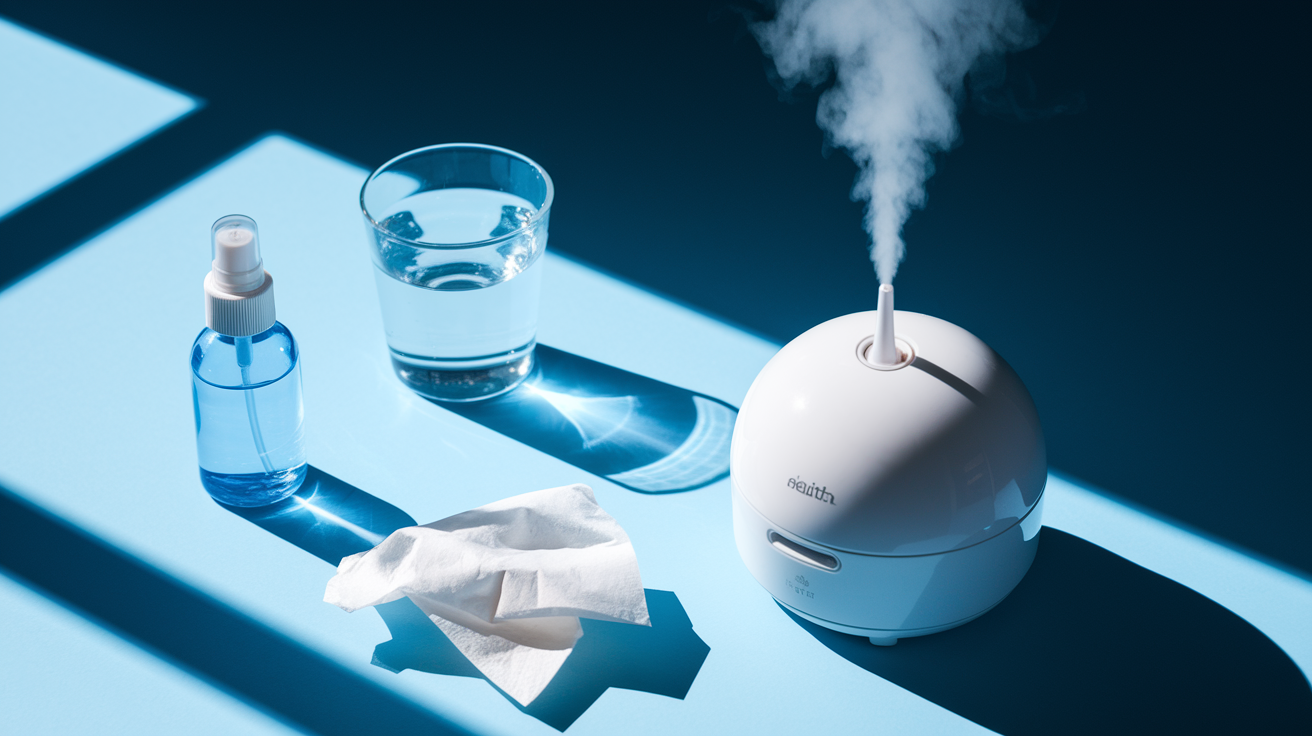
The goal is to thin the mucus, reduce production, calm inflammation, and help drainage move in the right direction. Start with the safest, simplest options and add layers if needed.
Saline nasal rinses work well. Use a squeeze bottle, neti pot, or saline spray with distilled or boiled then cooled water, 1 to 2 times a day. This flushes out mucus, allergens, and irritants and keeps nasal passages moist. Stay hydrated. Drink water throughout the day, aim for 8 to 12 cups, to thin mucus so it drains more easily and irritates your throat less. Nasal corticosteroid sprays like fluticasone or triamcinolone reduce inflammation in your nasal lining. Use 1 to 2 sprays per nostril once daily. It can take 1 to 2 weeks to feel the full effect. Oral antihistamines, non-drowsy versions like loratadine or cetirizine, block allergic reactions and dry up excess mucus. Follow package dosing, usually once a day. Decongestants like oral pseudoephedrine or short term nasal decongestant sprays, no more than 3 days, can shrink swollen nasal tissues and open drainage pathways. Use cautiously if you have high blood pressure or heart issues. Steam inhalation and humidifiers help. Breathe steam from a bowl of hot water or a warm shower for 10 to 15 minutes to loosen mucus. Run a humidifier to keep indoor humidity around 40 to 50 percent.
These treatments work by either thinning the mucus (hydration, saline, steam), reducing how much your body makes (antihistamines, nasal steroids), or opening up clogged passages so mucus can drain forward instead of backward (decongestants). Combining a few approaches usually works better than relying on just one.
Prevention Strategies

Once you’ve identified what triggers your post nasal drip, you can take steps to avoid flare ups before they start. If allergies are the issue, check daily pollen counts and stay indoors on high pollen days, keep windows closed, and use HEPA filters in your bedroom. Wash your hands and face after being outside, and shower before bed to rinse off allergens. If dry air is the problem, run a humidifier during colder months and drink water consistently throughout the day to keep mucus thin.
Avoid smoking and stay away from secondhand smoke, strong perfumes, cleaning fumes, and other irritants that inflame nasal passages. If certain foods seem to thicken your mucus or trigger drainage, dairy, spicy dishes, alcohol, try cutting back and see if symptoms improve. Small daily habits like these can keep your nasal lining calm and reduce the chance of that tickle and cough starting up again.
When to Seek Medical Care

If your cough from post nasal drip lasts longer than 8 to 10 weeks, it’s worth seeing a clinician. Chronic symptoms can mean an underlying issue like chronic sinusitis, structural problems, or uncontrolled allergies that need targeted treatment. You should also get checked if over the counter options haven’t helped after 2 to 3 weeks of consistent use, or if your symptoms are getting worse instead of better.
Watch for red flags: high fever above 101°F, severe facial pain or pressure, thick green or yellow mucus that persists for more than 10 days, coughing up blood, shortness of breath, chest pain, or wheezing. These can signal a bacterial sinus infection, pneumonia, or another respiratory condition that needs prescription medication or further testing. If you’re unable to sleep, can’t keep food down because of mucus drainage, or feel your quality of life slipping, don’t wait. A clinician can offer prescription strength nasal sprays, allergy testing, imaging to check your sinuses, or a referral to an ENT specialist if something structural is blocking normal drainage.
Final Words
If mucus keeps trickling into your throat and sets off a cough, this article walked through what post nasal drip is, how it triggers coughing, common signs, likely causes, useful treatments, prevention tips, and when to seek care.
Try simple steps first: saline rinses, steady hydration, humidifying dry air, and avoiding known triggers. Track when the cough happens, what helps, and what makes it worse so you can tell your clinician a clear story.
If your post nasal drip cough lasts over 10–12 weeks, gets worse, or comes with fever or facial pain, get evaluated. Most people find relief with small changes—there’s plenty you can try.
FAQ
Q: How do you stop post-nasal drip making me cough?
A: To stop post-nasal drip making you cough, reduce throat irritation with saline nasal rinses, humidify the air, stay hydrated, and try OTC antihistamines or nasal steroid sprays; see a clinician if it persists.
Q: How to tell if a cough is post-nasal drip?
A: A cough is likely post-nasal drip if you have throat clearing, a tickle at the back of the throat, extra mucus or frequent swallowing, and symptoms that worsen at night or when you lie down.
Q: What medicine is best for post-nasal drip cough?
A: The best medicine for post-nasal drip cough depends on the cause: antihistamines for allergies, nasal steroid sprays for inflammation, and saline rinses or decongestants for congestion; check with your clinician first.
Q: How long does a postnasal drip cough last?
A: A postnasal drip cough usually lasts a few days to a few weeks with a cold; with allergies it can last while exposure continues—seek care if it lasts longer than 10 to 12 weeks.