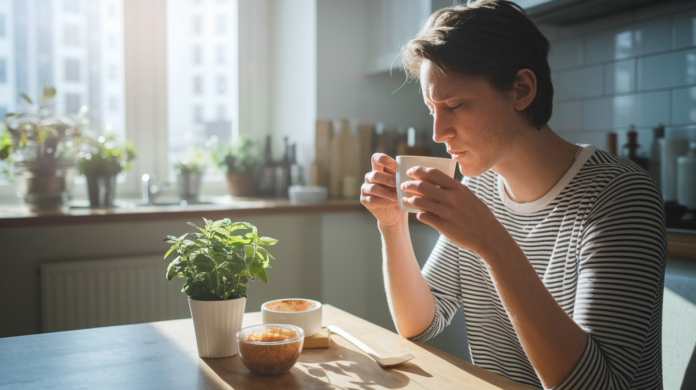

What if the fix for bloating isn’t a pill but a cup of tea and a 10-minute walk?
If your belly feels tight or gassy, simple moves and drinks can often ease pressure in 10 to 30 minutes.
This post shows practical, science-backed tips like peppermint and ginger teas, warm compresses, gentle stretches, abdominal massage, and timing tricks that many people find bring fast relief from trapped gas and fullness.
Read on to learn what to try right away, what to track in a quick symptom journal, and when to get checked if things don’t improve.
Fast-Acting Natural Relief Methods

Bloating relief doesn’t have to take hours. Certain teas, stretches, and simple drinks can ease pressure and discomfort within 10 to 30 minutes by helping trapped gas move through your digestive system or calming smooth muscle spasms in your gut. These remedies work best when you catch bloating early, right after a heavy meal, when you first notice tightness, or before it builds into something more uncomfortable.
Timing matters. Sipping a cup of peppermint or ginger tea right after eating can prevent gas from building up in the first place. Light movement like a 10 minute walk or a few gentle stretches helps gravity and muscle contractions push gas downward and out. Warm water with lemon may stimulate digestion and reduce that “stuck” feeling fast.
Here’s what you can try right away:
Peppermint tea: Steep 1 teaspoon dried peppermint leaves or 1 tea bag in 1 cup boiling water for 10 minutes. Drink while hot. Peppermint relaxes the muscles in your digestive tract, helping gas pass. Avoid if you have GERD since it can worsen heartburn.
Ginger tea: Use fresh ginger slices or a tea bag. Ginger reduces fermentation in the stomach and helps move food along.
Warm water with lemon: Squeeze half a lemon into a mug of warm water and sip slowly. This may kickstart digestion and reduce fullness.
10 minute walk: Walk at a comfortable pace. Movement helps intestinal contractions push gas through naturally.
Knees to chest stretch: Lie on your back, pull both knees to your chest, and hold for 20 seconds. Repeat 3 times. This position compresses the abdomen and encourages gas release.
Abdominal massage: Place your hand below your ribs on the left side. Press gently and move downward, then sweep right to left under your ribs, and repeat. Use circular clockwise motions to follow the path of your colon.
Why Bloating Happens
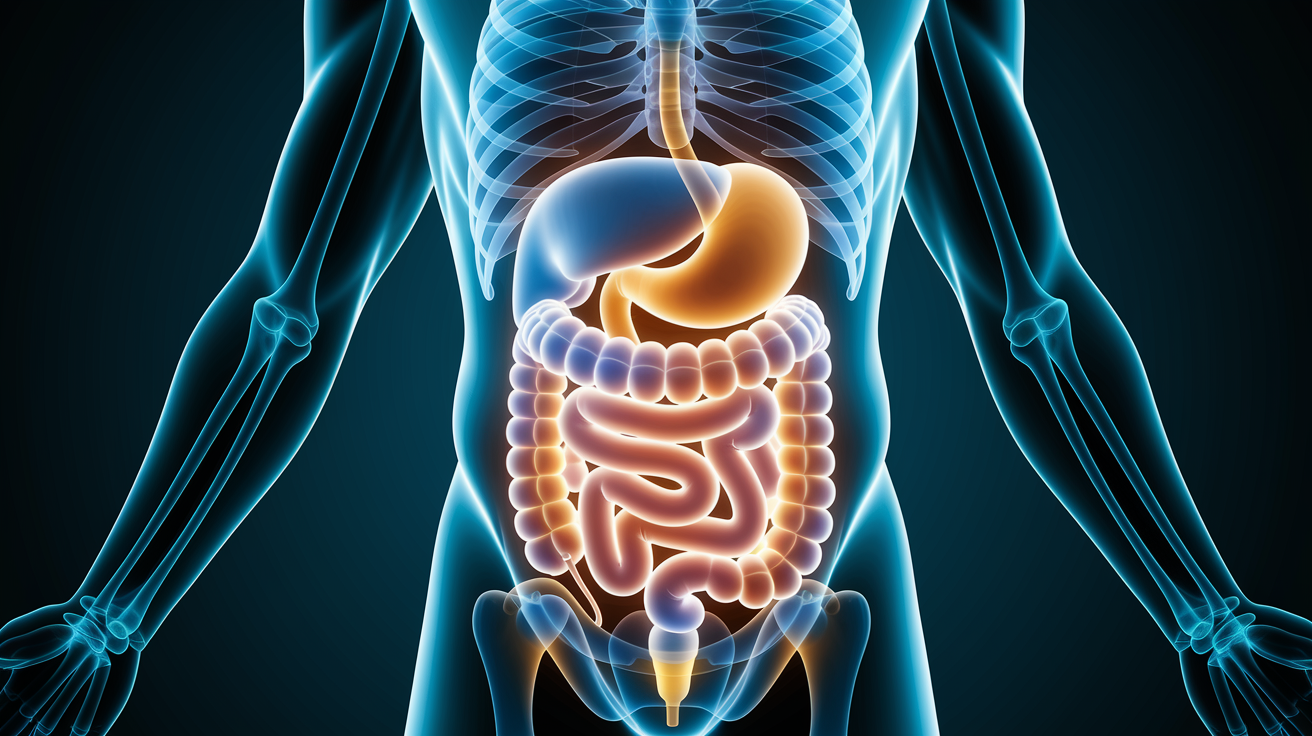
Bloating is that tight, swollen feeling in your abdomen when too much gas builds up in your digestive tract. Gas forms naturally as bacteria in your intestines break down food, especially foods high in fiber, sugars, or starches. Normally, that gas moves through and out without much fuss. But when digestion slows down, or when you swallow extra air while eating too fast, chewing gum, or talking while you eat, gas gets trapped and pressure builds.
Water retention can also make you feel bloated. High sodium meals cause your body to hold onto extra fluid, which puffs up your belly. Hormonal shifts, especially before your period, trigger similar fluid retention and digestive slowdowns. Stress tightens your gut muscles and disrupts normal contractions, trapping gas in pockets along your intestines.
Some people bloat because they can’t fully digest certain foods. Lactose intolerance, for example, means undigested milk sugar ferments in your gut, producing extra gas. Food intolerances and sensitivities can have the same effect. The result is pressure, visible swelling, discomfort, and sometimes cramping or rumbling sounds as your body tries to move things along.
Foods and Drinks That Trigger Bloating
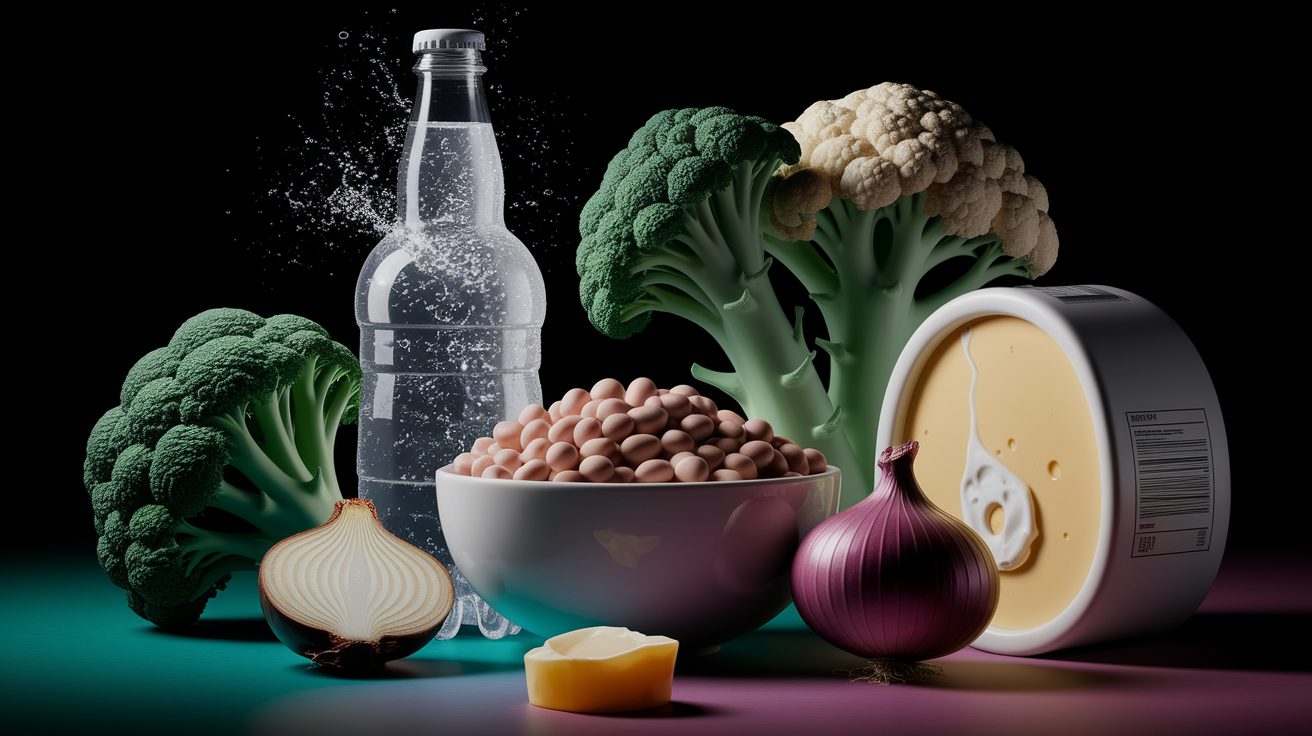
Certain foods and drinks are notorious for producing gas or slowing digestion. Carbonated beverages introduce bubbles of carbon dioxide directly into your stomach. Those bubbles have to go somewhere, and they often build up before you can burp or pass them. High fat meals take longer to digest, which gives gut bacteria more time to ferment food and produce gas.
Here are the most common culprits:
Carbonated drinks: Soda, sparkling water, beer. All add extra gas to your system.
Broccoli: Contains raffinose, a complex sugar that ferments in the gut.
Cauliflower: Similar to broccoli. Produces sulfur compounds during digestion.
Beans and lentils: High in fiber and oligosaccharides that feed gas producing bacteria.
Onions: Contain fructans, which many people can’t fully digest.
Dairy products: If you’re lactose intolerant, undigested lactose ferments and creates gas.
Chewing gum: Swallowing air while chewing, plus sugar alcohols like sorbitol, cause bloating.
Fried foods: Heavy, greasy meals slow stomach emptying and fermentation increases.
If you notice a pattern, bloating after certain foods or meals, keep a simple food log. Write down what you ate, when, and how you felt an hour or two later. That can help you identify your personal triggers and adjust your diet without guessing.
Step by Step Home Relief Techniques
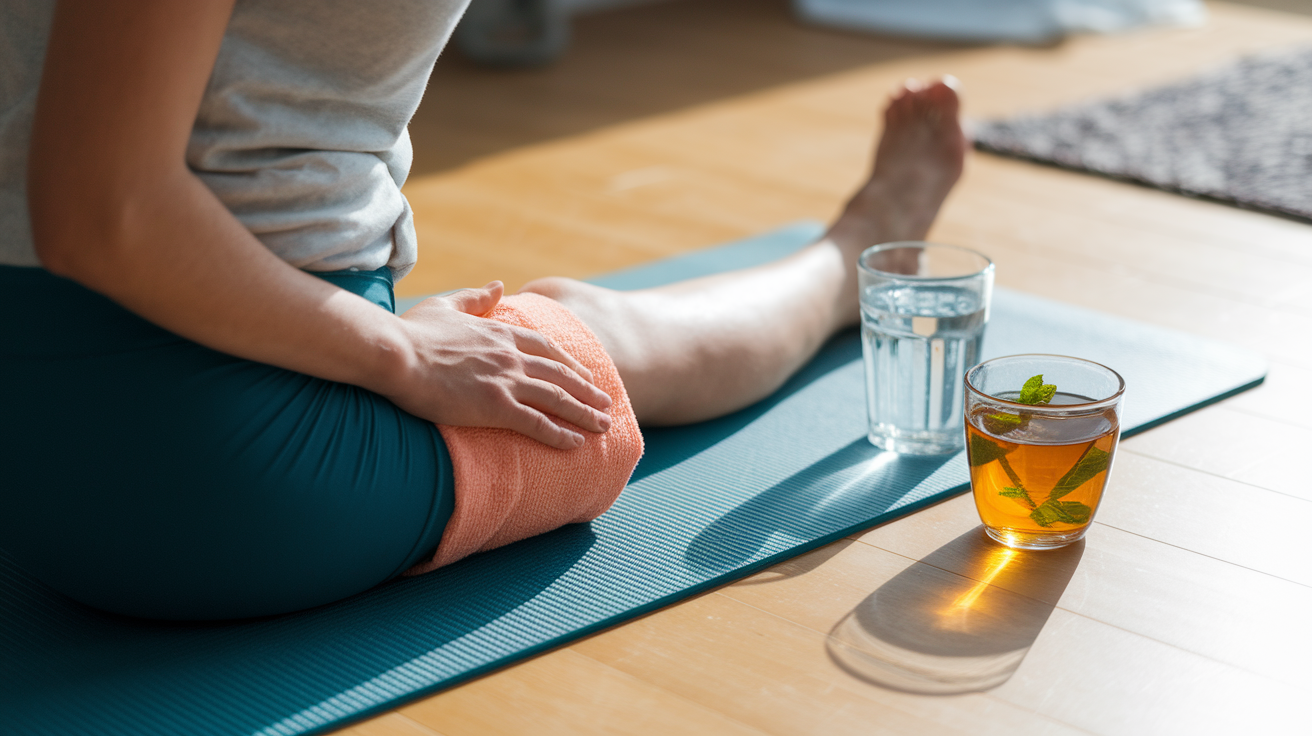
When bloating hits, a clear routine can help you feel better fast. These steps combine hydration, heat, movement, and gentle pressure to encourage trapped gas to move through and out.
Drink a full glass of room temperature or warm water. Hydration helps soften stool and supports normal intestinal contractions. Sip slowly to avoid swallowing more air. If plain water feels heavy, add a squeeze of lemon or a slice of fresh ginger.
Apply a warm compress to your lower abdomen. Use a heating pad on low or a warm damp towel for 10 to 15 minutes. Heat relaxes tight intestinal muscles and can ease cramping that traps gas in place.
Perform a gentle lying twist stretch. Lie on your back, pull your right knee to your chest, and let it fall across your body to the left while keeping your shoulders flat. Hold 20 seconds, then switch sides. Repeat twice per side. This compresses different sections of your colon and helps release pockets of gas.
Massage your abdomen in a clockwise circle. Start at your lower right side (where your small intestine meets your colon), press gently, and move upward, then left across under your ribs, then down the left side. Use steady, firm pressure and repeat the circle for 2 to 3 minutes. This follows the natural path of digestion and encourages movement.
Sit or stand with good posture for at least 10 minutes. Slouching compresses your abdomen and traps gas. Sitting upright or standing allows your diaphragm to move freely and gives your intestines more room to work.
Sip peppermint or ginger tea slowly. Brew as described earlier. These teas relax smooth muscle and reduce spasms, helping gas pass more easily. Drink after the massage and stretches for best results.
Natural Ingredients with Evidence Backed Effects
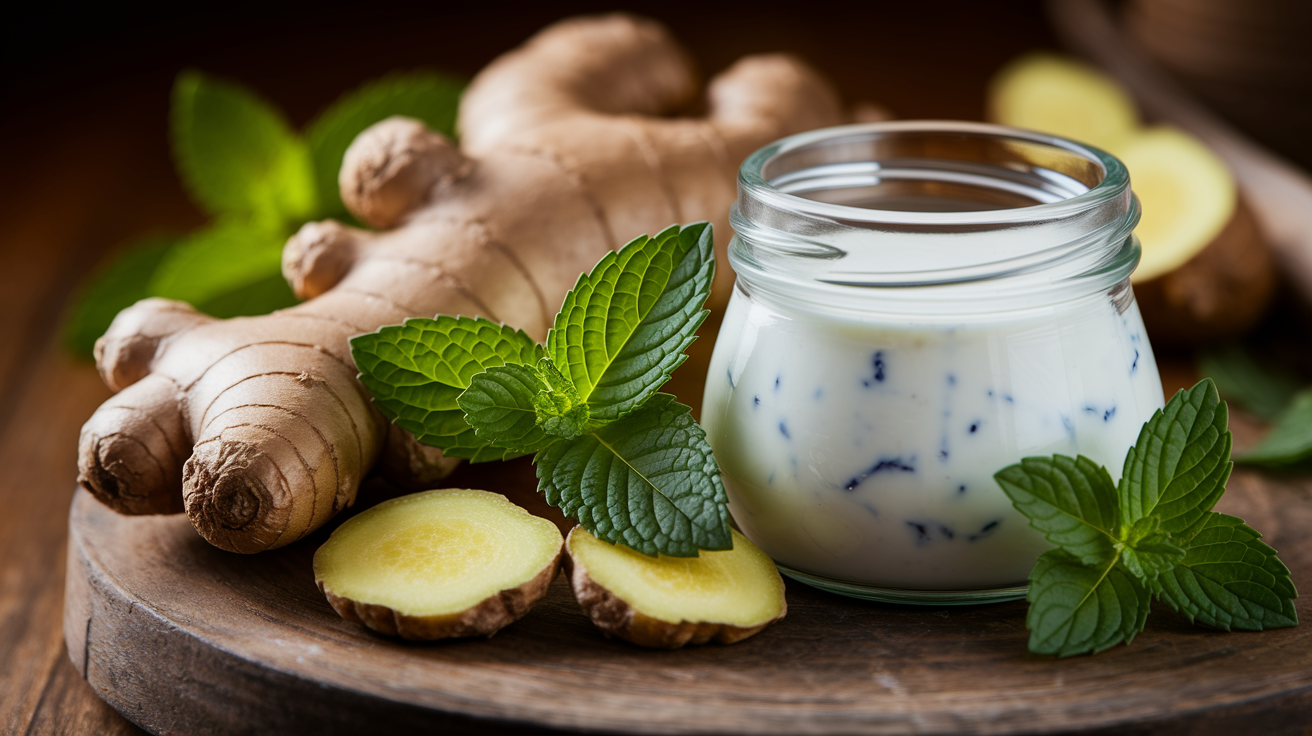
Ginger has been used for centuries to ease nausea, indigestion, and bloating. Its active compounds, gingerol and shogaol, stimulate gastric emptying, meaning they help your stomach move food into the small intestine faster. When food doesn’t sit and ferment as long, less gas forms. Ginger also has mild anti inflammatory effects that can calm an irritated gut. You can chew a small piece of fresh ginger, steep slices in hot water for tea, or use ginger supplements after consulting a clinician. Most people tolerate 1 to 2 grams of fresh ginger per day without trouble.
Peppermint works differently. Peppermint oil contains menthol, which relaxes the smooth muscles lining your intestines. That relaxation can reduce cramping and help trapped gas move along. Studies show peppermint oil, especially in enteric coated capsules, can improve bloating, abdominal pain, and other IBS symptoms. Peppermint tea offers a gentler, faster option. Steep 1 teaspoon of dried leaves or 1 tea bag in boiling water for 10 minutes and drink hot. Skip peppermint if you have GERD or acid reflux, because it can relax the valve between your stomach and esophagus, making heartburn worse. Also avoid it if you’re taking iron supplements or managing iron deficiency anemia, since peppermint can reduce iron absorption.
Probiotics are live bacteria that help balance the mix of microbes in your gut. When your gut bacteria are out of balance, too many gas producing strains for example, bloating and discomfort increase. Research supports probiotics for reducing bloating in people with IBS and after certain gut infections. Probiotic rich foods like plain yogurt with live cultures and fermented vegetables (sauerkraut, kimchi) are a good starting point. If you’re considering a supplement, look for products that list specific strains like Lactobacillus or Bifidobacterium species and colony forming units (CFUs) in the billions. Check with a clinician first, especially if you have a weakened immune system, because probiotics can occasionally worsen symptoms in people with small intestinal bacterial overgrowth (SIBO).
Lifestyle Adjustments for Long Term Reduction

Eating slowly is one of the simplest and most effective ways to prevent bloating. When you rush through a meal, you swallow more air, and your stomach doesn’t signal fullness until you’ve already overeaten. Both lead to more gas and pressure. Chew each bite thoroughly, put your fork down between bites, and give yourself at least 20 minutes to finish a meal.
Regular movement keeps your digestive system active. A short walk after meals, even 10 to 15 minutes, helps food move through your stomach and intestines more efficiently, reducing the chance that it will sit and ferment. Consistent daily activity, like walking, cycling, or yoga, supports healthy gut motility over time.
Here are a few more habits that make a difference:
Avoid drinking through a straw. Straws pull extra air into your mouth and down into your stomach.
Watch portion sizes. Large meals stretch your stomach and slow digestion. Smaller, more frequent meals are easier on your system.
Keep a regular sleep schedule. Poor sleep disrupts digestion and increases stress, both of which can worsen bloating.
Manage stress with breathing exercises or short relaxation breaks. Stress tightens your gut and slows normal contractions. Even five minutes of slow, deep breathing can help reset your nervous system.
Track patterns in a simple food and symptom journal. Write down what you eat, how much, and how you feel afterward. Over time, you’ll see which foods, meal sizes, or habits trigger your bloating.
When Natural Remedies Are Not Enough

If you’ve tried the strategies above for a week or two and bloating isn’t improving, or if it’s getting worse, it’s time to check in with a clinician. Persistent bloating can be a sign of an underlying condition like irritable bowel syndrome (IBS), small intestinal bacterial overgrowth (SIBO), celiac disease, or a food intolerance (lactose, fructose, gluten). These conditions need proper diagnosis and treatment, not just symptom management.
Watch for red flags that mean you should seek care sooner. Sudden, severe bloating that comes with sharp abdominal pain, fever, vomiting, or an inability to pass stool or gas can signal a bowel obstruction or other urgent problem. Bloating paired with unexplained weight loss, blood in your stool, or persistent diarrhea or constipation lasting more than a few weeks also warrants evaluation. If over the counter remedies, dietary changes, and lifestyle adjustments aren’t helping, a gastroenterologist can run tests like breath tests for SIBO or lactose intolerance, stool studies, or imaging to find the cause and build a targeted treatment plan.
Final Words
Try one fast relief now: peppermint or ginger tea, lemon water, a short walk, or a knees-to-chest stretch to move trapped gas.
We covered why bloating happens, common food triggers, step-by-step home techniques, evidence-backed ingredients like ginger and peppermint, and lifestyle changes to cut down episodes.
We also flagged when symptoms need a clinician.
Keep a short symptom log—what you ate, how it felt, and what helped.
With these natural remedies for bloating and simple tracking, you can often find what works and feel better soon.
FAQ
Q: What reduces bloating fast and how to get unbloated in 5 minutes at home?
A: What reduces bloating fast and how to get unbloated in 5 minutes at home: sip warm peppermint or ginger tea, take a quick walk, do knees-to-chest stretches, gently massage your belly, and use a warm compress.
Q: Does lemon water reduce bloating?
A: Lemon water can reduce bloating by easing digestion and fullness; warm lemon water is gentler. Sip slowly—helpful for some people but not a cure for ongoing or severe bloating.
Q: How can I flush out gas from my stomach?
A: You can flush out gas from your stomach by moving (walking), doing gentle belly massage toward the lower abdomen, trying knees-to-chest or side-lying positions, and sipping ginger or peppermint tea while avoiding fizzy drinks.