

How long will this eczema flare last — days, weeks, or forever?
Short answer: it depends — most flares clear in days to weeks, but chronic cases can keep coming back.
This piece breaks down common timelines, what stretches healing, simple self-care that speeds recovery, and when to see your clinician.
You’ll get clear steps to track your symptoms and know when to seek faster care.
It’s okay to get checked if you’re unsure; the right timing can shave weeks off recovery.
Timeframes You Can Expect During an Eczema Flare

Most eczema flares stick around anywhere from a few days to a few weeks. If it’s an acute flare, you’ll usually see things settle down within several weeks once you’ve ditched the trigger or started treatment. Chronic eczema is different. You’re looking at cycles of flares and quiet stretches that can go on for months or years, with no real finish line.
The timeline really comes down to what kicked off the flare and how bad it got. Irritant driven flares tend to back off fast once you stop using whatever caused it, sometimes in just days. Allergic flares can drag on longer, especially if the allergen is something you run into all the time or your immune system takes its sweet time calming down. Mild to moderate cases often fade in about two weeks. Severe flares? Those rarely clear up without medical help and can stick around for weeks or more.
Here’s what you can roughly expect:
Mild irritant related flare – A few days to one week after you remove the irritant.
Moderate flare (treated) – About two weeks with steady moisturizing and gentle care.
Severe flare (untreated) – Several weeks or longer, often getting worse without help.
Allergic triggered flare – Two to four weeks, depending on allergen exposure and treatment.
Chronic eczema baseline – May never fully clear. Flares come and go over months or years.
The itching usually peaks in the first few days and should start backing off within a week if you’re managing it well. Redness can hang around longer, sometimes for several weeks even after the itch improves. If your flare hasn’t started settling down after two weeks of careful self care, or if it’s getting worse instead of better, schedule a visit. Persistent redness, spreading rash, or increasing itch beyond that point often means you need prescription help or a closer look at triggers.
Eczema Flare Stages and Their Effect on Duration
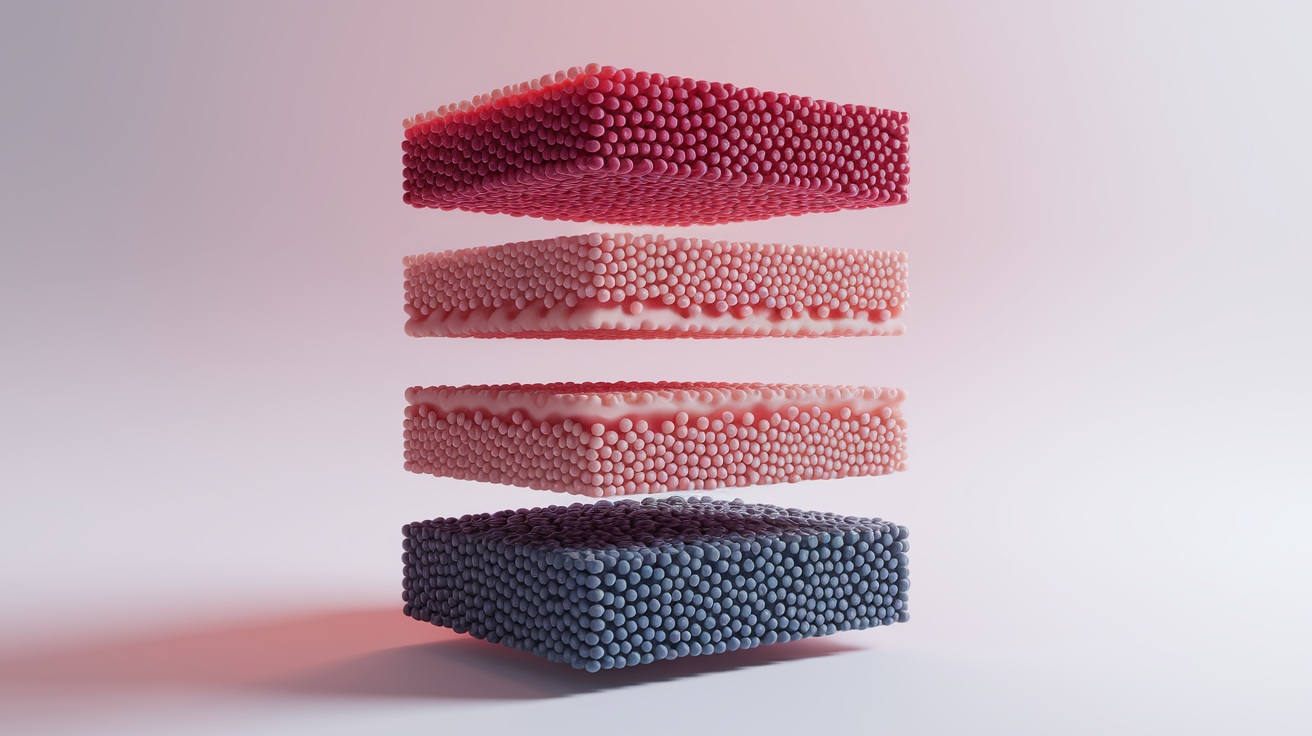
Eczema moves through three clinical stages, and where you land in that progression changes how long you’ll be dealing with symptoms. The acute stage is when the flare just started. You’ll see intense redness, swelling, and small bumps, and the itch is at its worst. Acute eczema often lasts a few weeks if treated promptly. The subacute stage comes next, as your skin starts to heal. You’ll notice flaking, cracking, and dryness, but the itch and redness are less intense. If you stop treatment or re expose your skin to triggers during this phase, the flare can swing back to acute or drag on indefinitely.
The chronic stage means long term or recurrent eczema. Your skin thickens, darkens, and develops a leathery texture from repeated flares and scratching. The itch never fully goes away, and your skin cracks more easily. Chronic eczema doesn’t have a neat endpoint. It cycles through flares and partial remissions over months or years, and each new flare can last just as long as the acute ones if left untreated.
How Stages Overlap
The three stages don’t always follow a clean sequence. You can have chronic eczema on your hands and a brand new acute flare on your neck at the same time. Some patches may heal to subacute while others stay inflamed. This overlap makes it hard to predict a single timeline for the whole flare. You might think you’re getting better, then scratch one spot too hard or encounter a trigger, and that patch flips back to acute while the rest stays calm.
Factors That Make an Eczema Flare Last Longer

Trigger exposure is the biggest factor. If you keep using the soap that started the flare, or if you’re allergic to dust mites and your bedroom is full of them, your skin can’t heal. Irritants like harsh detergents usually cause faster, sharper flares that calm down within days once you stop the exposure. Allergens can drive a slower, deeper immune response that keeps inflammation simmering for weeks even after you’ve removed the allergen.
Heat, humidity, sweat, stress, and scratching all stretch out the healing timeline. Sweating during exercise or in warm weather softens your skin barrier and traps irritants. Dry, cold air cracks your skin and lets allergens and bacteria in. Stress doesn’t cause eczema, but it can turn a mild flare into a severe one and keep your immune system on high alert. Scratching is the hardest habit to break. Every scratch damages your skin, releases more itch chemicals, and restarts the cycle. Even light rubbing can add days or weeks to your recovery.
Here are six common factors that meaningfully prolong symptoms:
Continued irritant or allergen exposure – Using the same product, wearing wool, or sleeping on unwashed bedding.
Scratching and rubbing – Damages healing skin and triggers more inflammation.
Very dry or very humid environments – Extremes in either direction slow barrier repair.
Heat and sweat – Softens skin, traps irritants, and worsens itch.
Stress and poor sleep – Keeps your immune system reactive and lowers your ability to manage itch.
Skin infection – Bacteria or fungi delay healing and require separate treatment.
Infection is a major concern if a flare isn’t improving on schedule. Look for yellow or honey colored crusting, increasing pain instead of just itch, oozing or pus, swelling that spreads, or fever. Infected eczema won’t heal with moisturizer alone. It needs antibiotic or antifungal treatment, and the infection can add another one to two weeks to your total flare duration. If you suspect infection, get checked the same day or next day.
Age and Type of Eczema: How They Change Flare Duration

About 60% of people with eczema develop it before their first birthday, and roughly two thirds of those children will outgrow it by adolescence. Infant and childhood flares can be intense but often respond quickly to gentle care and short courses of mild topical steroids. Adult onset eczema tends to be more stubborn. It may take longer to clear, and remissions are often shorter. Adults also have more cumulative skin damage and a longer list of potential triggers built up over time.
Different types of eczema run on different schedules. Atopic dermatitis is the most common form and tends to flare unpredictably, lasting weeks at a time with periods of calm in between. Contact dermatitis clears faster once you identify and avoid the irritant or allergen, but allergic contact dermatitis can linger if you don’t pinpoint the cause. Seborrheic dermatitis often worsens with stress or infrequent washing and can become a chronic low grade issue that flares seasonally. Each type has its own rhythm.
| Type of Eczema | Typical Flare Duration | What Influences Timing |
|---|---|---|
| Atopic Dermatitis | Several weeks per flare; lifelong recurrence pattern | Triggers, allergen exposure, stress, season, scratching, barrier care |
| Contact Dermatitis | Days to two weeks after removing irritant; longer if allergic | Speed of allergen identification, continued exposure, skin sensitivity |
| Seborrheic Dermatitis | Weeks to months; waxes and wanes | Stress level, humidity, shampooing frequency, skin yeast overgrowth |
| Dyshidrotic Eczema | One to three weeks; blisters resolve but may recur frequently | Heat, humidity, sweating, nickel or cobalt exposure, season |
How Treatment Affects How Long an Eczema Flare Lasts
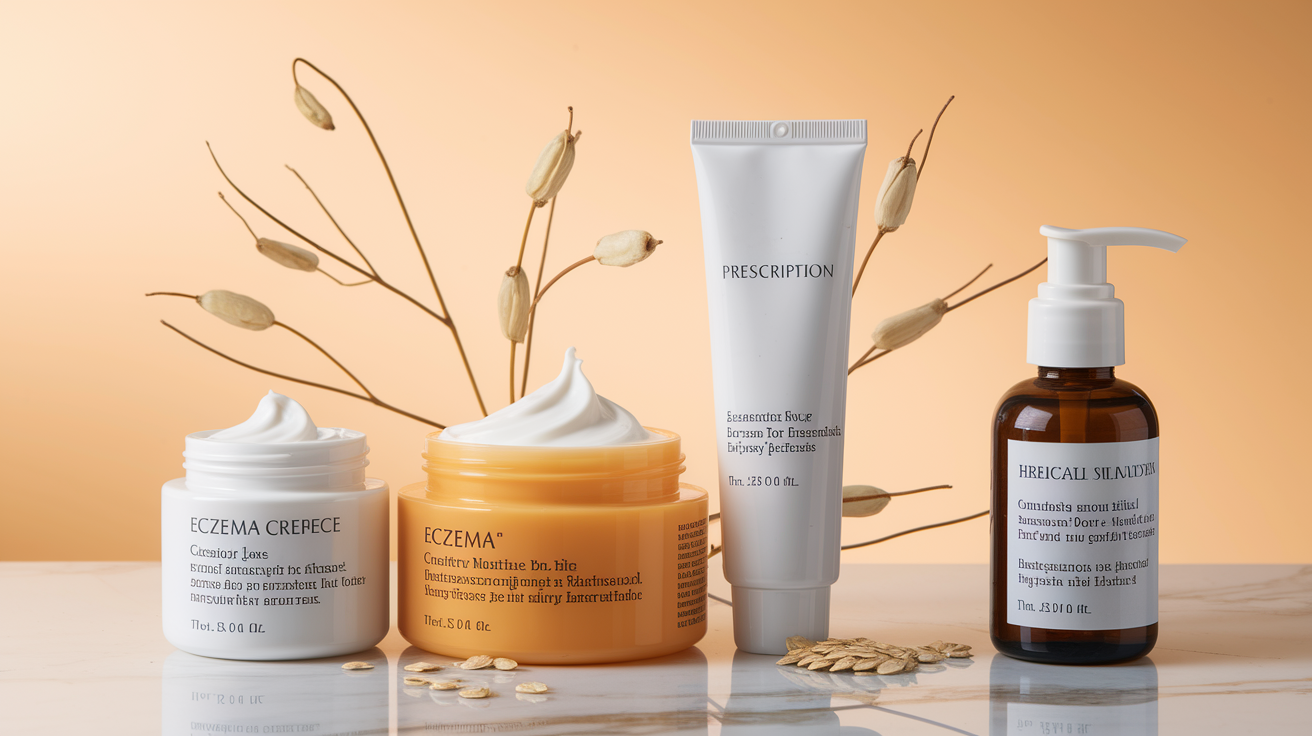
Emollients and barrier creams are the foundation. When you apply a fragrance free, preservative free moisturizer multiple times a day, especially right after bathing, you can see a reduction in redness and itch within three to five days. Consistent use over two weeks often clears mild flares entirely or shrinks moderate ones to a manageable baseline. The key is frequency and thickness. Thin lotions absorb fast but don’t seal moisture. Thick creams and ointments work better for active flares.
Prescription options work faster but come with timing trade offs. Topical corticosteroids can calm inflammation within a few days, with noticeable improvement in itch and redness by the end of the first week. Stronger steroids work faster but carry more risk with prolonged use, including skin thinning and potential rebound flares when you stop. Topical calcineurin inhibitors like tacrolimus and pimecrolimus take longer to show results, often one to two weeks, but are safer for long term use on sensitive areas like the face and neck. Nonsteroidal PDE4 inhibitors such as crisaborole (Eucrisa) typically reduce inflammation within one to two weeks and can be used for extended periods without steroid related side effects.
Here are estimated improvement times for major treatment categories:
Daily emollients – Visible improvement in three to five days. Significant relief in two weeks.
Topical corticosteroids (mild to moderate strength) – Itch reduction in two to three days. Redness fades in one week.
Topical calcineurin inhibitors – Noticeable improvement in one to two weeks. Full effect may take four weeks.
Nonsteroidal PDE4 inhibitor (crisaborole) – Itch and redness reduction within one to two weeks.
Wet wrap therapy – Immediate itch relief. Inflammation reduction within 24 to 48 hours. Used short term under clinician guidance.
Biologics and phototherapy are for moderate to severe cases that don’t respond to topicals. Biologic injections like dupilumab can take four to eight weeks to show meaningful improvement, and some people need several months to reach their best result. Phototherapy sessions happen two to three times per week, and most people see improvement after four to six weeks of consistent treatment. Both options require ongoing care and close monitoring.
Treatment Timing Caveats
Your actual timeline depends on how severe your flare is when you start treatment, how consistently you apply medications and moisturizers, and whether you’ve fully removed your triggers. A mild flare caught early with immediate emollient use may clear in a week. A severe, weeks old flare with secondary infection may take a month or more even with prescription help. If you miss doses, stop too soon, or keep encountering the same allergen, expect delays. Treatment shortens flares, but it doesn’t override continued exposure or poor adherence.
How to Recover Faster From an Eczema Flare

Daily moisturizing is the single most effective thing you can do at home. Apply a thick, fragrance free cream or ointment at least twice a day, and always within three minutes of getting out of the bath or shower while your skin is still damp. Use gentle, soap free cleansers and keep water lukewarm, not hot. Long, hot showers strip your skin’s natural oils and can add days to your recovery. Lukewarm oatmeal baths soothe itch and calm inflammation. Soak for ten to fifteen minutes, then pat dry gently and immediately apply moisturizer.
Here are six practical measures and their timing benefits:
Apply thick emollient within three minutes of bathing – Locks in moisture. Visible improvement in skin texture within two to three days.
Use lukewarm oatmeal baths – Reduces itch within minutes. Calms redness over several days.
Avoid scratching and trim nails short – Prevents new damage. Can shorten flare duration by one to two weeks.
Wear soft, breathable cotton clothing – Reduces friction and heat. Helps skin stay calm day to day.
Keep indoor temperature cool and humidity moderate – Lessens sweat and dryness. May reduce flare intensity within a week.
Manage stress with adapted exercise, journaling, or breathing techniques – May prevent stress related flare prolongation. Cumulative benefit over weeks.
Evidence for probiotics and prebiotics is still limited and inconsistent. Some studies suggest they may help certain people, especially children with food related eczema, but the data isn’t strong enough to recommend them as a primary treatment. If you want to try them, talk to your clinician first. The bigger impact comes from sticking to the basics. Moisturize, avoid triggers, and don’t scratch. Consistency matters more than adding supplements with unclear benefit.
Environmental and Lifestyle Factors That Change Healing Time
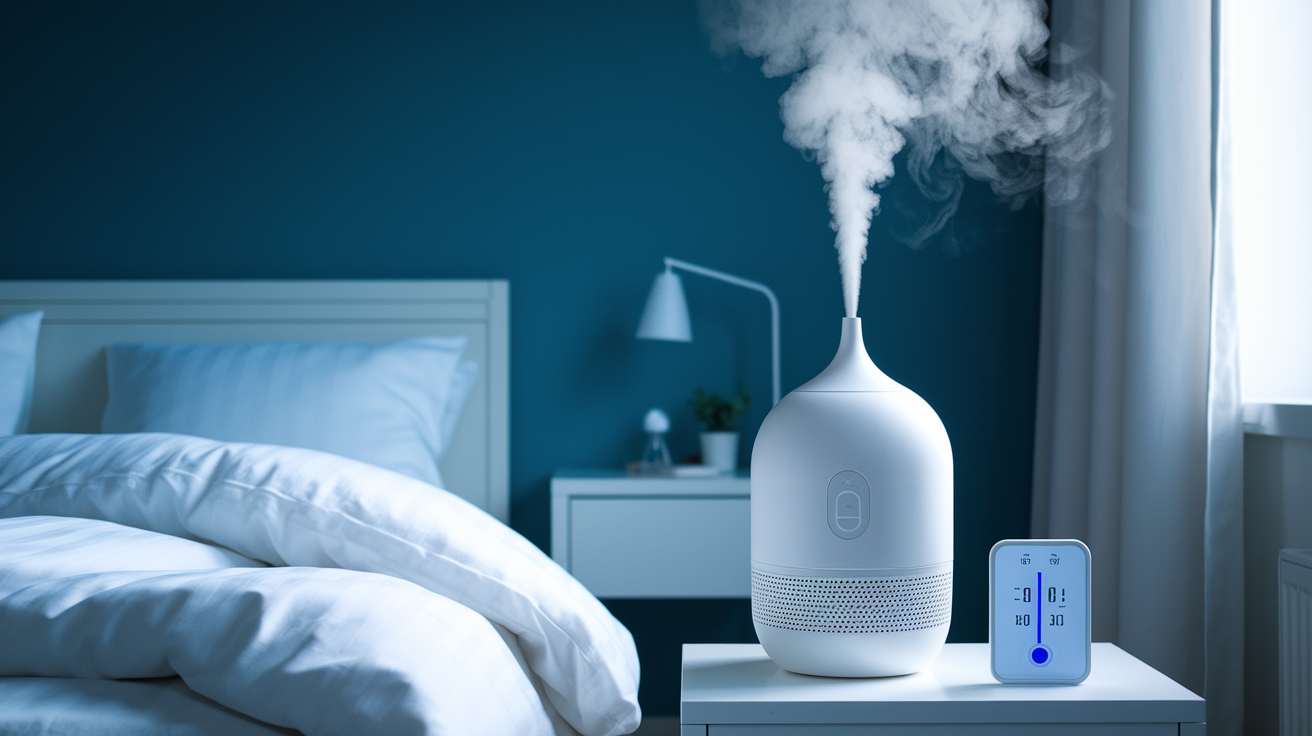
Cooler, moderately dry environments often speed healing. Many people with eczema notice flares calm down faster when indoor humidity stays between 30% and 50%, and the temperature is on the cool side. Very dry winter air cracks your skin and slows barrier repair, so running a humidifier can help. Very humid, hot conditions make you sweat more, which traps irritants and worsens itch. If you exercise or spend time in heat, rinse off with cool water as soon as possible and reapply moisturizer right after.
Poor sleep and high stress both slow recovery. When you’re exhausted or anxious, your immune system stays reactive, your itch threshold drops, and you’re more likely to scratch without realizing it. Alcohol can worsen inflammation in some people and may interfere with how well your skin heals overnight. You don’t need to avoid exercise or cut out all stress, but managing both thoughtfully, staying cool during workouts, and prioritizing sleep can shave days off a flare.
When an Eczema Flare Lasts Too Long

If your flare hasn’t improved after two weeks of careful self care and over the counter moisturizers, or if it’s getting worse instead of better, schedule a visit with your clinician. Flares that spread, develop new symptoms, or interfere significantly with sleep or daily activities need medical evaluation. You may need prescription topicals, trigger testing, or a referral to a dermatologist.
Watch for these signs of infection or urgent concern:
Yellow or honey colored crusting on the rash – Suggests bacterial infection.
Increasing pain, warmth, or swelling instead of itch alone – Infection spreading.
Pus, oozing, or foul smell from affected skin – Needs antibiotic treatment.
Fever, chills, or feeling unwell along with worsening rash – May require same day or emergency evaluation.
Severe, widespread rashes that appear suddenly, cover large areas of your body, or make it hard to sleep or function warrant same day care. If you recently stopped a strong topical steroid and your eczema rebounds with intensity worse than before, that’s called topical steroid withdrawal or rebound eczema. It can last weeks to months and needs careful management with a dermatologist. Don’t wait if you’re in significant distress or if the flare is clearly out of control.
Tracking Eczema Flares to Understand Duration
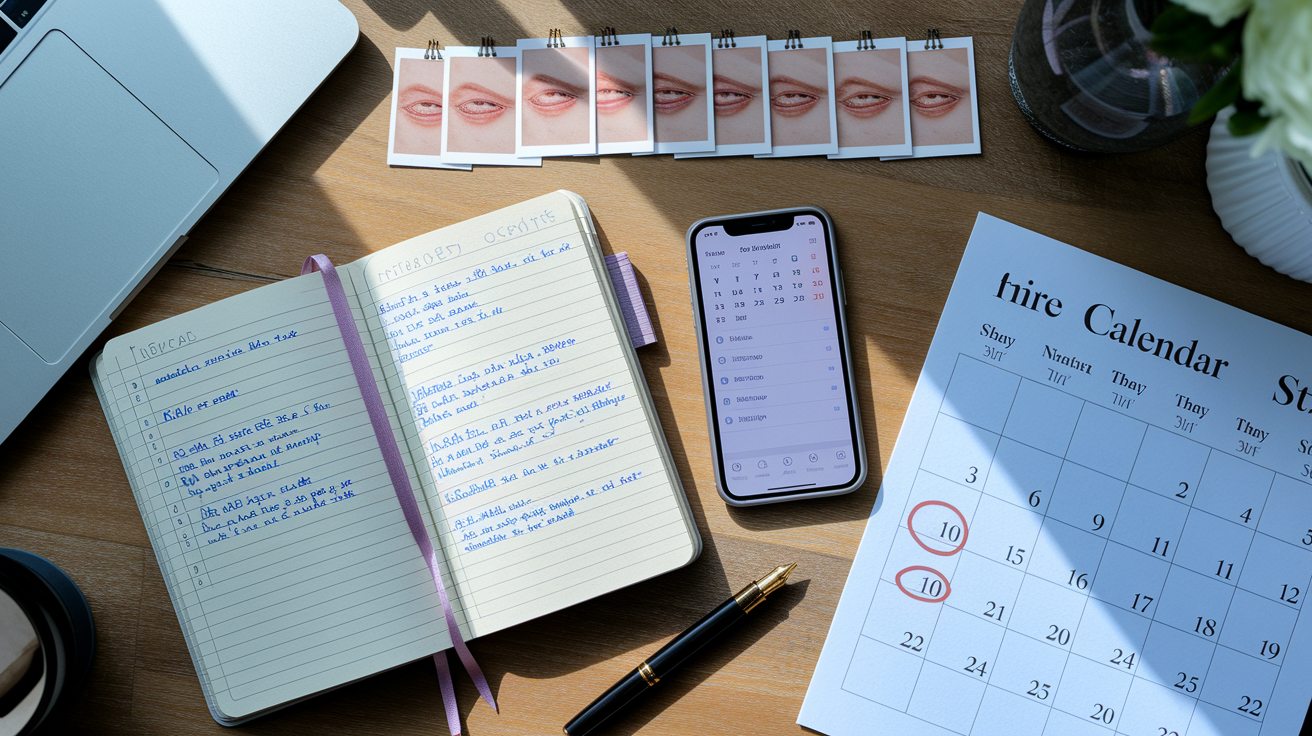
Many people don’t know what triggers their flares because the connection isn’t always obvious. Keeping a symptom journal helps you spot patterns. Write down when each flare starts, where it is, what it feels like, and what you were doing in the day or two before it appeared. Track foods, new products, laundry detergent changes, weather shifts, stressful events, exercise, and sleep quality. After a few flares, you may notice that certain foods, fabrics, or seasonal changes consistently show up before symptoms start.
Remission periods vary widely. Some people go months between flares. Others have a few good weeks and then another outbreak. Atopic dermatitis tends to cycle unpredictably. Contact dermatitis stays quiet until you encounter the trigger again. Tracking helps you see whether your remissions are getting longer with better management, or if certain triggers are shortening the calm periods. Over time, you’ll build a clearer picture of your personal eczema rhythm and what actions actually change the timeline.
Photo Tracking Tips
Take photos in the same lighting and at the same distance each time. Natural daylight near a window works best. Photograph the affected area at the start of a flare, then every few days as it changes, and once more when it clears. Date each image. This creates a visual record you can show your clinician and helps you see slow improvements that are hard to notice day to day. Even a week of photos can reveal whether a treatment is working or if your skin is staying the same.
Final Words
Most flares last a few days to a few weeks. Chronic eczema can come back more often.
Things that lengthen a flare include irritants, allergies, infection, stress, and the stage of the rash. Track symptoms and photos so you can show your clinician what helped.
- Moisturize and avoid triggers
- See care if it worsens or looks infected
If you wonder how long does eczema flare last, most improve within days to weeks with steady care — recovery is possible.
FAQ
Q: How do you know if an eczema flare-up is healing?
A: You know a flare-up is healing when itching and redness ease, oozing stops, the rash shrinks, and skin feels smoother; if there’s no steady improvement within two weeks or it worsens, see a clinician.
Q: What triggers eczema flare-ups?
A: Eczema flare-ups are triggered by skin irritants (soaps, wool), allergens (pets, pollen, foods), heat or sweat, dry air, stress, and infections; triggers vary, so track exposures and avoid likely culprits.
Q: What are the stages of an eczema flare-up?
A: Eczema flare-ups have three stages: acute (red, itchy bumps and swelling), subacute (dry, scaly, cracking skin), and chronic (thickened, darker, leathery patches); stage influences how long it lasts.
Q: How to calm eczema flare-up?
A: To calm a flare-up, wash gently with a mild cleanser, pat dry, apply a thick moisturizer, use cool compresses, avoid scratching, and contact your clinician if it’s severe or not improving.