

Which cough medicine actually quiets a cough instead of wasting your money?
There are lots of bottles on the shelf and claims that sound good.
Most start working in 15 to 30 minutes, but what helps depends on whether your cough is dry (tickly, no mucus) or wet (bringing up mucus).
This post cuts through the noise and gives the top picks that actually work, how fast they act, basic safety notes, and a simple guide to choose the right one for your cough.
Top-Ranked Options for the Best Cough Suppressant (Fast Relief Overview)

Standing in the pharmacy aisle at midnight with a relentless cough? You need to know which product actually works and how fast it’ll kick in. Most over-the-counter options start doing something within 15 to 30 minutes, but how well they work and how long they last depends on what’s in them and what kind of cough you’ve got.
The right suppressant for you comes down to whether your cough is dry and hacking or wet and bringing stuff up. Dry coughs respond to suppressants that quiet the cough reflex in your brain. Productive coughs often need expectorants to help you clear mucus out. Some products try to do both, which can help but also stacks up side effects and interaction risks.
Here’s what tends to work best based on how quickly it starts, how well it performs, and how safe it is:
-
Dextromethorphan extended-release (Delsym) works in 15 to 30 minutes, lasts up to 12 hours. Best for persistent dry cough in adults and kids 4 and up. Single ingredient means fewer interaction headaches.
-
Benzonatate capsules (Tessalon) needs a prescription. Starts in 15 to 20 minutes. Numbs airway sensors to stop the cough reflex. Approved for age 10 and up, but keep it locked away from younger kids because accidental swallowing has caused serious harm.
-
Dextromethorphan plus guaifenesin combo (Robitussin DM, Mucinex DM) kicks in around 15 to 30 minutes. Tackles both dry cough and chest congestion. Most formulas are for 12 and up.
-
Honey in warm water or tea is a natural pick with actual evidence for nighttime cough. Safe for age 1 and older. Works within 30 minutes and won’t mess with other medications.
-
Diphenhydramine liquid (Benadryl) starts working in 20 to 30 minutes. This sedating antihistamine calms allergy-related cough and knocks you out. Approved for 6 and up but expect serious drowsiness.
-
Codeine-containing cough syrup is a prescription controlled substance. Takes 1 to 2 hours to work. Strongest option but only approved for adults 18 and up because of respiratory depression risk.
-
Menthol cough drops or throat spray soothes immediately. Numbs your throat and opens airways. Generally safe for 4 and up, but doesn’t actually suppress the cough reflex.
If you’ve got a dry, tickling cough keeping you awake or wrecking your day, grab something with dextromethorphan as the only active ingredient. If your cough is bringing up mucus or feels tight in your chest, go for a combo product with guaifenesin to thin and clear the mucus while dextromethorphan calms the urge to cough. Don’t use a true suppressant for a productive cough if the mucus needs to come out. Blocking that reflex can trap mucus in your lungs and slow down recovery.
Comparing Cough Suppressant Ingredients (How Each One Works)

Knowing what’s in your cough medicine helps you pick the right product and dodge unwanted effects. The most common over-the-counter suppressant is dextromethorphan, a very weak opiate-like compound that works in your brain to raise the threshold for the cough reflex. It doesn’t contain actual opiates, but it acts on similar pathways, which is why it can cause dizziness, drowsiness, and in misuse cases, a dangerous high people call “robo-tripping.” Store it safely and stick to the dosing instructions.
Diphenhydramine is an older antihistamine that doubles as a cough suppressant in nighttime formulas. It blocks histamine receptors and dries out mucus membranes, but its main cough-calming effect comes from sedation. You’ll see it in products labeled “PM” or “nighttime.” It’ll make you drowsy, give you dry mouth, and in older adults it can increase the risk of falls or urinary retention. If you need to stay alert or drive, skip anything with diphenhydramine.
Benzonatate is prescription-only. It numbs the stretch receptors in your airways and lungs, essentially telling your body to stop registering the irritation that triggers coughing. Fast-acting and effective for stubborn dry coughs. But you have to swallow it whole. Chewing or opening the capsule can numb your mouth and throat, and accidental ingestion by young children has led to seizures, coma, and death.
Here are the five main suppressant ingredients you’ll run into:
Dextromethorphan: Fast onset (15 to 30 min), available over the counter, long track record. But it can cause dizziness, drowsiness, and serious harm if misused or combined with MAOIs.
Diphenhydramine: Relieves allergy-related cough and helps with sleep. Significant sedation, dry mouth, not ideal for daytime use or older adults.
Benzonatate: Non-sedating, fast (15 to 20 min), effective for dry cough. Prescription required. Dangerous if chewed or given to young children.
Codeine or hydrocodone: Strongest suppression for severe cough. Controlled substances, high risk of dependence and respiratory depression, adults-only (18+).
Menthol and benzocaine topicals/lozenges: Immediate soothing, numbs throat, opens airways. Doesn’t suppress cough reflex centrally, temporary relief only.
Choosing the Best Suppressant for Dry vs. Productive Cough
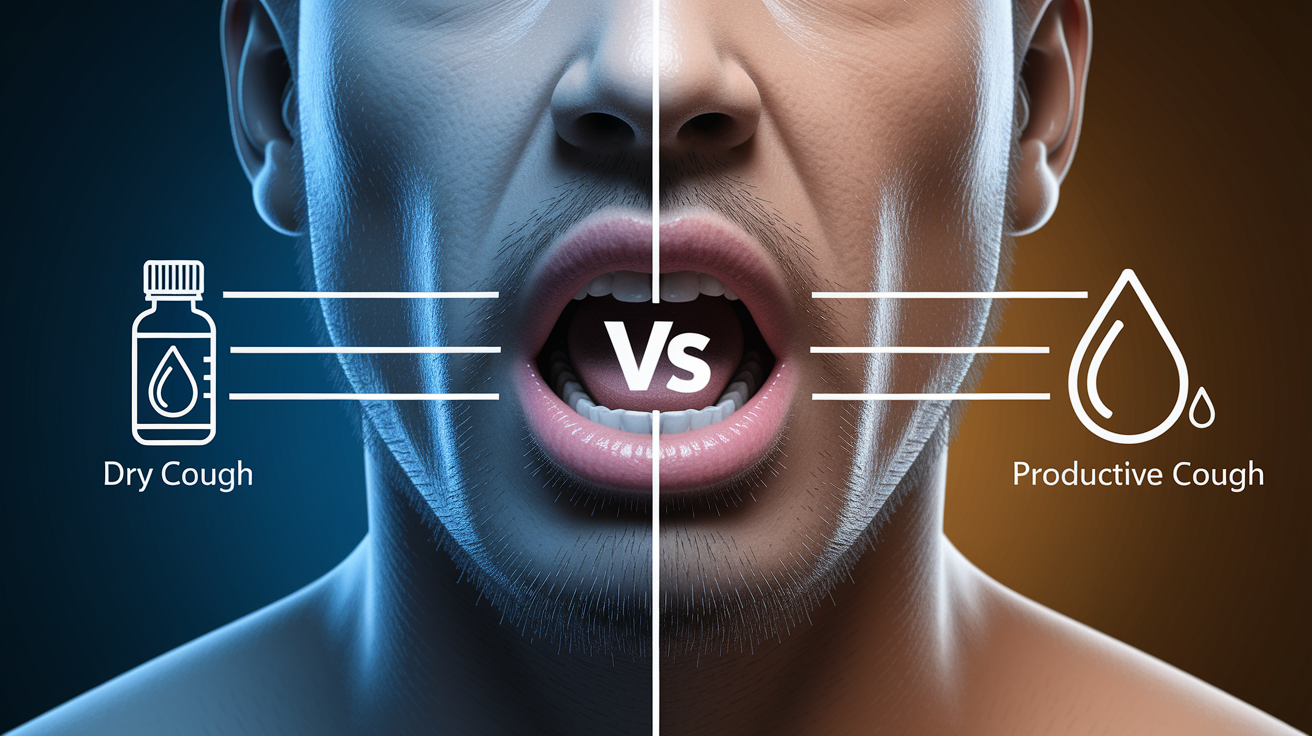
The most important decision you’ll make at the pharmacy is whether to suppress your cough or help it work better. A dry cough is nonproductive. You’re not bringing up mucus, just coughing because your throat or airways feel irritated or ticklish. For dry coughs, a true suppressant like dextromethorphan or benzonatate makes sense because there’s nothing beneficial happening when you cough.
A productive or wet cough brings up mucus from your lungs or airways. This type of cough is your body clearing out irritants, infection byproducts, or excess fluid. Completely shutting it down can trap mucus and potentially slow your recovery or increase the risk of complications like pneumonia. For productive coughs, an expectorant like guaifenesin is more appropriate because it thins the mucus and makes it easier to cough up, even though that may temporarily make your coughing feel worse before it gets better.
| Cough Type | Recommended Ingredient | Notes |
|---|---|---|
| Dry (nonproductive) | Dextromethorphan or benzonatate | Suppresses the cough reflex; no mucus to clear |
| Wet (productive) | Guaifenesin (expectorant) | Thins mucus; may increase coughing temporarily |
| Mixed (dry and congested) | Dextromethorphan + guaifenesin | Combination products address both symptoms |
If your cough is bringing up thick, yellow-green, or bloody mucus, don’t rely on a suppressant alone. That kind of mucus can signal infection or a more serious lung problem. You need to see a healthcare provider for evaluation. Even if an expectorant helps thin the mucus, the underlying cause may require antibiotics, steroids, or other prescription treatment.
Dosage Guidance and Safe Use of the Best Cough Suppressants

Getting the dose right matters for both safety and effectiveness. For adults, the maximum daily dose of dextromethorphan is 120 mg per day, spread across multiple doses. Most immediate-release liquid formulas contain 10 to 20 mg of dextromethorphan per dose, which means you can take a dose every 4 to 6 hours as needed. Extended-release formulations like Delsym work differently. A single 10 mL adult dose provides the equivalent of 60 mg of dextromethorphan released slowly over up to 12 hours, so you only dose twice a day.
Combination products that include both dextromethorphan and guaifenesin often come in 20 mL adult doses, delivering 20 mg of dextromethorphan plus 200 to 400 mg of guaifenesin. Some nighttime formulas add diphenhydramine or doxylamine (another sedating antihistamine) to help you sleep. Always check the Drug Facts panel on the package to see exactly what active ingredients and doses you’re taking, especially if you’re using more than one medicine.
Using Dosing Devices Correctly
Never use a household spoon to measure liquid cough medicine. Teaspoons and tablespoons vary widely in size. Even a small error can lead to underdosing (no relief) or overdosing (side effects or toxicity). Always use the dosing cup, syringe, or dropper that comes with the product. Hold it at eye level on a flat surface to read the correct line. If the package didn’t include a measuring device, ask your pharmacist for one before you leave the store.
Common dosing errors to avoid:
Taking more than the maximum daily dose of dextromethorphan (120 mg for adults).
Combining two products that both contain dextromethorphan, acetaminophen, or other overlapping ingredients.
Using household spoons instead of the included dosing device.
Giving adult-strength products to children or using pediatric formulas for adults without adjusting the dose.
Natural and Home-Based Alternatives to the Best Cough Suppressants

Honey is one of the most effective natural cough remedies. Multiple studies show it reduces nighttime coughing and improves sleep quality in both adults and children. A spoonful of honey in warm water or tea coats the throat and has mild antibacterial properties. Safe and effective for anyone age 1 and older. But never give honey to infants under 12 months because of the risk of infant botulism, a rare but serious form of food poisoning.
Steam and humidified air can soothe irritated airways and thin mucus naturally. Run a hot shower and sit in the bathroom with the door closed, or use a cool-mist humidifier in your bedroom overnight. Adding a few drops of eucalyptus or peppermint oil to the steam can provide a mild decongestant effect, though essential oils should never be ingested or applied directly to skin without proper dilution, especially in children.
Five evidence-backed natural remedies for cough:
-
Honey (1 to 2 teaspoons) in warm water or herbal tea, taken before bed for nighttime cough relief (ages 1 and up only).
-
Steam inhalation from a hot shower, sauna, or bowl of hot water for 10 to 15 minutes to loosen mucus and calm airways.
-
Cool-mist humidifier running in your bedroom overnight to keep airways moist and reduce throat irritation.
-
Warm peppermint or ginger tea, which can relax throat muscles and provide mild anti-inflammatory effects.
-
Menthol chest rubs or vapor patches applied to the chest or back, which create a cooling sensation and may help open nasal passages (safe for ages 2 and up when used as directed).
Safety Warnings and Side Effects of Cough Suppressants

Dextromethorphan is generally safe at recommended doses, but it interacts dangerously with a class of antidepressants called MAOIs (monoamine oxidase inhibitors). This can cause a life-threatening reaction called serotonin syndrome. If you take an MAOI or have stopped one within the past 14 days, don’t use any product containing dextromethorphan without talking to your doctor first. Symptoms of serotonin syndrome include confusion, rapid heart rate, high blood pressure, muscle rigidity, and fever.
Pseudoephedrine, a nasal decongestant sometimes included in cough and cold combo products, can raise your blood pressure and cause insomnia, jitteriness, and a rapid heartbeat. If you have high blood pressure, heart disease, or trouble sleeping, avoid products with pseudoephedrine or ask your pharmacist for a decongestant-free option. In the United States, pseudoephedrine is sold behind the pharmacy counter because it can be used to manufacture methamphetamine, so you’ll need to show ID to purchase it.
Benzonatate capsules must be swallowed whole and kept completely out of reach of children. Accidental ingestion by children under 10 has resulted in seizures, loss of consciousness, and death. If a child swallows benzonatate or chews a capsule, seek emergency care immediately. Opioid-containing cough syrups like codeine and hydrocodone carry risks of slowed breathing, dependence, and overdose. They’re approved only for adults 18 and older for short-term use.
Six red-flag warnings requiring immediate caution or medical attention:
Currently taking or recently stopped an MAOI antidepressant (don’t use dextromethorphan).
High blood pressure, heart disease, or enlarged prostate (avoid pseudoephedrine and check with your doctor before using combo products).
Pregnancy or breastfeeding (consult your healthcare provider before using any cough suppressant).
Drowsiness severe enough to impair driving or operating machinery (don’t drive after taking diphenhydramine or doxylamine).
Child under 10 has swallowed or chewed a benzonatate capsule (call 911 or go to the emergency room).
Signs of allergic reaction such as rash, swelling, difficulty breathing, or severe dizziness (stop the medication and seek immediate care).
Pediatric Use: Best Cough Suppressant Options for Kids
Over-the-counter cough and cold medicines shouldn’t be used in children under 4 years old. Most experts don’t recommend them for children under 6 without a pediatrician’s guidance. Young children’s airways and brains are still developing, and the risk of serious side effects, accidental overdose, and lack of proven benefit make these products more harmful than helpful in this age group. If your infant or toddler has a cough, focus on supportive care like fluids, humidified air, and saline nose drops. Call your pediatrician if the cough is worsening, interfering with feeding or sleep, or accompanied by fever or difficulty breathing.
For children ages 1 and up, honey is a safe and effective option for nighttime cough relief. Give 1 to 2 teaspoons before bed, either straight or mixed into warm (not hot) water or caffeine-free tea. Don’t give honey to babies under 12 months because of the risk of infant botulism. Avoid giving cough drops or lozenges to children under 4 because they’re a choking hazard.
Age-by-Age Guidance
| Age | Allowed Options | Notes |
|---|---|---|
| Under 1 year | Saline drops, humidifier, fluids only | No honey, no OTC cough meds; call pediatrician if concerned |
| 1–3 years | Honey, humidifier, saline, fluids | Avoid OTC suppressants; consult pediatrician if cough persists or worsens |
| 4–5 years | Honey, drug-free syrups, possibly single-ingredient OTC with doctor input | Talk to pediatrician before giving any OTC cough medicine |
| 6 years and up | Pediatric-dose dextromethorphan, guaifenesin, or combination products as labeled | Follow label dosing carefully; prefer single-ingredient products when possible |
Contact your child’s pediatrician if the cough lasts longer than one week, is getting worse instead of better, is accompanied by high fever (over 100.4°F in infants under 3 months, over 102°F in older children), makes it hard for your child to breathe or drink, or if your child seems unusually sleepy, irritable, or in pain. Trust your instinct as a parent. If something feels wrong, it’s always okay to get checked.
Prescription Alternatives When OTC Suppressants Aren’t Enough

When over-the-counter options fail to control a persistent or severe cough, your healthcare provider has several prescription tools available. Benzonatate is often the first step up from OTC dextromethorphan because it’s non-narcotic, fast-acting (15 to 20 minutes), and effective for dry coughs that don’t respond to standard suppressants. It works by numbing the sensory nerves in your lungs and airways so your body doesn’t register the irritation that triggers coughing.
For coughs caused by asthma or reactive airways, especially if you hear wheezing or feel tightness in your chest, a rescue inhaler like albuterol can open your airways and reduce the cough reflex. Albuterol works within minutes and is safe for both adults and children when prescribed appropriately, though routine use hasn’t been shown to shorten the duration of an acute cough from a cold or bronchitis.
Opioid-containing cough syrups, such as codeine with promethazine or hydrocodone with homatropine, are controlled substances approved only for adults 18 and older. They provide strong suppression by acting directly on the brain’s cough center, but they carry significant risks including respiratory depression (slowed or shallow breathing), drowsiness, constipation, and the potential for dependence and addiction. These medications are reserved for severe, short-term cough that hasn’t responded to safer options. They must be used exactly as prescribed.
Three situations that warrant prescription evaluation:
Cough lasting longer than 3 weeks despite trying multiple OTC suppressants and home remedies.
Cough accompanied by wheezing, chest tightness, or shortness of breath that suggests asthma or another airway disease.
Nighttime cough so severe it prevents sleep for multiple nights in a row, significantly affecting your ability to function or recover.
When to See a Doctor About a Cough Despite Suppressants

A cough lasting longer than 3 weeks is considered prolonged and warrants a medical evaluation to rule out underlying causes like asthma, reflux, postnasal drip, chronic bronchitis, or less common conditions such as whooping cough or tuberculosis. A cough lasting 8 weeks or longer is classified as chronic and requires a thorough workup, which may include chest X-rays, lung function tests, or referral to a specialist.
Even if your cough is newer, seek same-day or urgent care if it’s accompanied by high fever (over 100.4°F), sharp chest pain, shortness of breath, or if you’re coughing up thick yellow-green or bloody mucus. These signs can indicate pneumonia, a blood clot in the lung, or another serious condition that needs prompt diagnosis and treatment.
Urgent or emergency warning signs requiring immediate medical attention:
Difficulty breathing, gasping for air, or lips or face turning blue.
Coughing up blood or large amounts of thick, colored mucus.
High fever (over 103°F in adults, over 100.4°F in infants under 3 months) that doesn’t improve with fever reducers.
Severe chest pain that worsens with coughing or deep breathing.
Sudden confusion, extreme drowsiness, or inability to stay awake.
Signs of allergic reaction to a cough medicine, such as swelling of the face or throat, severe rash, or trouble breathing.
Buying Tips for Selecting the Best Cough Suppressant

The biggest mistake people make when buying cough medicine is picking a combo product with ingredients they don’t need or that duplicate something they’re already taking. Many multi-symptom formulas include acetaminophen for fever and body aches, a decongestant like pseudoephedrine or phenylephrine, an antihistamine, and both a suppressant and expectorant. If you’re also taking acetaminophen separately for a headache or fever, you can easily exceed the safe daily limit of 3,000 to 4,000 mg and risk liver damage.
Read the Drug Facts panel on every package before you buy. Look for the “Active Ingredients” section at the top, which lists exactly what drugs are in the product and how much of each. If you only need a suppressant, choose a product with dextromethorphan as the sole active ingredient. If you need both suppression and mucus relief, choose a two-ingredient product with dextromethorphan plus guaifenesin. Skip the products that add unnecessary decongestants or pain relievers.
| Feature | What to Check | Why It Matters |
|---|---|---|
| Active ingredients | Number and type of drugs in the formula | Fewer ingredients = lower risk of side effects and drug interactions |
| Acetaminophen content | Whether the product includes acetaminophen and how much per dose | Prevents accidental overdose if you’re taking acetaminophen separately |
| Phenylephrine presence | Check if the decongestant is phenylephrine or pseudoephedrine | Phenylephrine has been deemed ineffective by FDA advisory committees; choose pseudoephedrine or skip the decongestant |
| Sugar and alcohol content | Look for “sugar-free” or “alcohol-free” on the label | Important for children, people with diabetes, and anyone avoiding alcohol |
| Generic vs. brand name | Compare active ingredients and doses on store-brand vs. name-brand packages | Generic versions contain the same active ingredients at lower cost |
Generic or store-brand cough suppressants are just as effective as name brands when the active ingredients and doses match. A bottle of generic dextromethorphan or a store-brand DM combo syrup can cost half the price of Robitussin or Delsym but deliver identical relief. Check the milligrams per dose and the total volume in the bottle, then choose the option that gives you the best value for the amount of active ingredient you’re getting.
Final Words
Match your cough to the right option now: for a dry, tickly cough try dextromethorphan or benzonatate; for a wet, chesty cough favor guaifenesin.
This article gave top picks and timing, explained how ingredients work, covered safe dosing, pediatric limits, home remedies, red flags, and buying tips.
Track when it started, what helps or makes it worse, other medicines, and any new symptoms.
Use this guide to choose the best cough suppressant for your symptoms, and see your clinician if it lasts or red flags appear. You’ll be breathing easier soon.
FAQ
Q: What is the most effective cough suppressant? / What works best as a cough suppressant? / What is the best medicine to stop from coughing?
A: The most effective cough suppressants are dextromethorphan (DM, which quiets the cough reflex) and benzonatate (which numbs the throat). Pick based on whether the cough is dry or producing mucus and age limits.
Q: Is Delsym or Robitussin better for cough?
A: Delsym or Robitussin: Delsym is long-acting dextromethorphan (up to 12 hours); Robitussin products vary and are usually shorter acting. Choose by how long you need relief and other active ingredients.