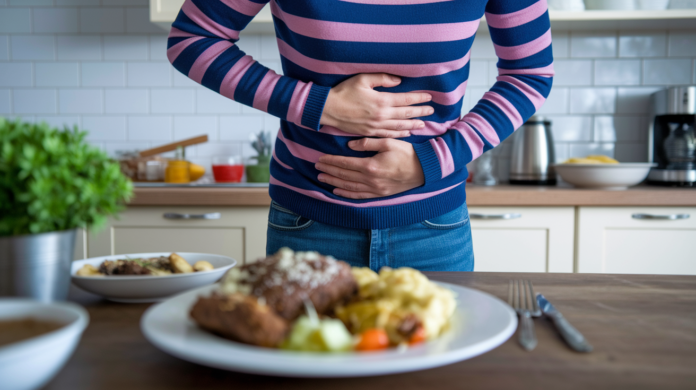

What if your belly puffs up after every meal—even tiny ones?
This tight, full feeling after eating is common, but when it happens every time, it means something is off.
It can come from swallowed air, foods your gut can’t break down, slow stomach emptying, hormones, or a digestive condition.
This post walks you through the most likely triggers, simple home steps to try, when to seek care, and how to track meals so you can spot patterns.
Key Reasons You May Feel Bloated After Every Meal
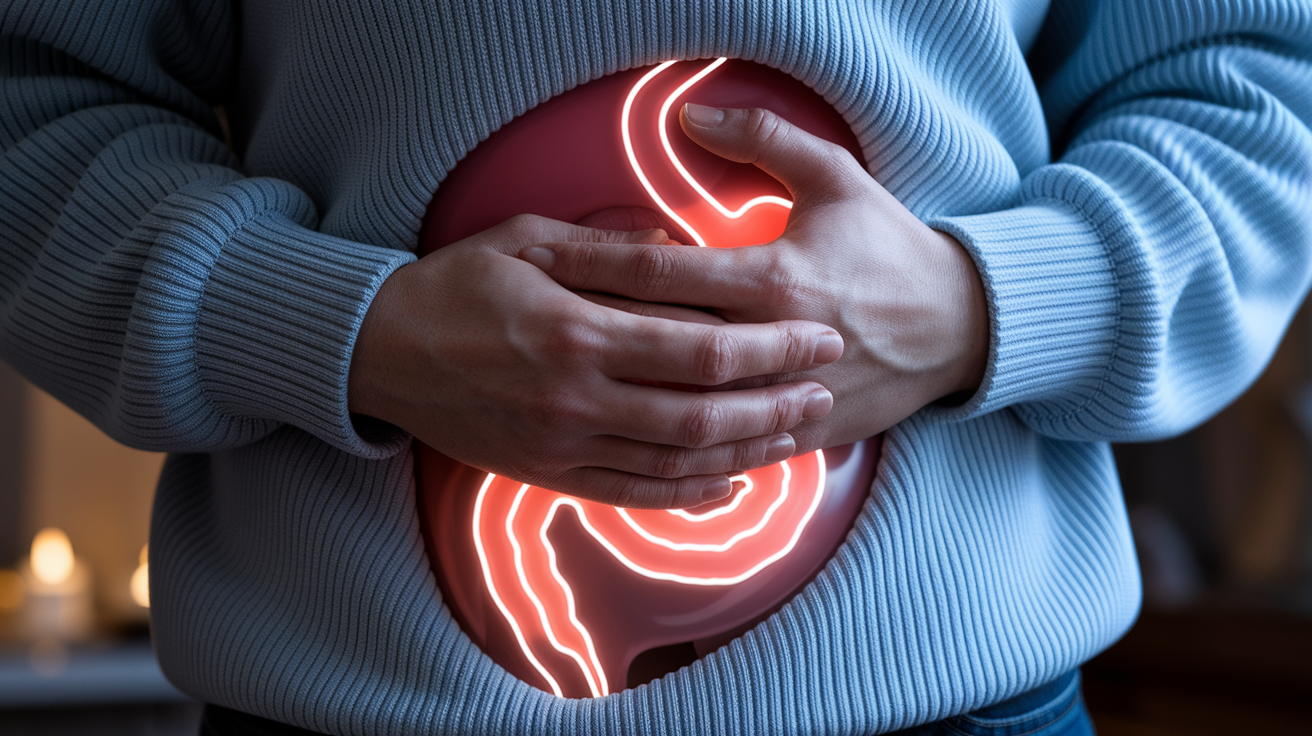
Bloating after meals is that uncomfortable pressure or fullness in your belly, often paired with visible swelling. It happens when your digestive system produces or traps too much gas, or when your stomach empties slower than it should. The discomfort usually peaks during or right after eating and can stick around for hours. Most of the time, post-meal bloating isn’t dangerous. But if it’s happening after every single meal, something in your digestion, diet, or eating routine needs attention.
Several things drive bloating. You might be swallowing too much air when you eat quickly, chew gum, or talk while chewing. Certain carbs reach your intestines intact because your body can’t break them down, and gut bacteria ferment them, creating gas. High-fat meals slow stomach emptying, leaving you feeling stuffed longer. Hormonal shifts, especially around menstruation, can increase fluid retention and visceral sensitivity, making every meal feel heavier. Digestive conditions like IBS, SIBO, or gastroparesis often turn routine eating into a bloating trigger.
Eating too quickly increases swallowed air and creates larger food particles. Gas-producing foods like beans, cruciferous vegetables, and dairy products can be culprits. Delayed stomach emptying from high-fat meals or gastroparesis plays a role. Poorly absorbed carbs (lactose, fructose, FODMAPs) fermenting in the intestines contribute. And hormonal changes or fluid retention, especially common in women around their cycle, don’t help.
These triggers don’t work alone. If you eat a large, fatty meal quickly while stressed, you’re swallowing air, slowing digestion, and potentially aggravating an undiagnosed sensitivity. Add a carbonated beverage? You’re adding carbon dioxide directly into your gut. Bloating after every meal often means multiple factors are at play. Tracking when and what you eat can help you see the patterns clearly.
How Food Intolerances Contribute to Persistent Bloating
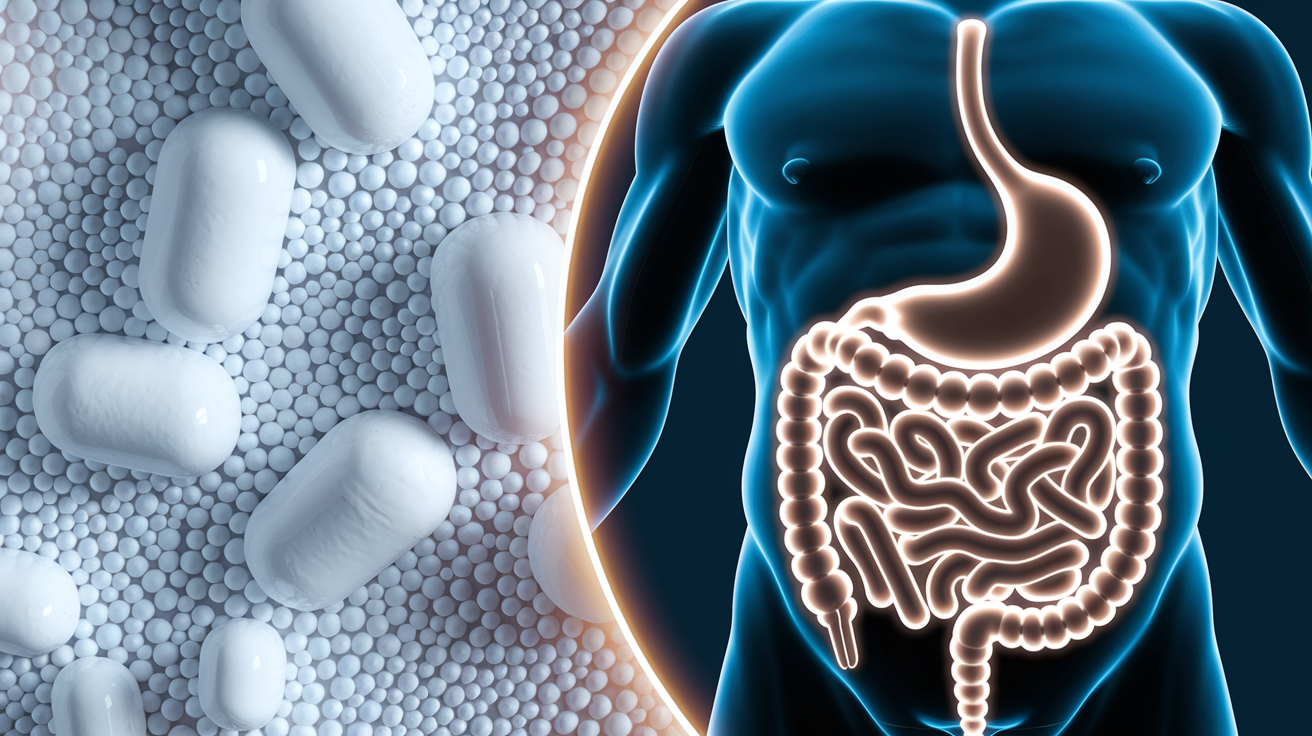
When your body can’t fully digest certain ingredients, undigested material moves into your intestines. Bacteria ferment it there and produce gas. That fermentation creates the pressure, rumbling, and distention. Lactose intolerance is one of the most common causes, especially after meals with milk, cheese, or yogurt. If you lack enough lactase enzyme, lactose stays undigested. Bacteria break it down in the colon, releasing hydrogen and methane gas.
Fructose and sugar alcohols (sorbitol, xylitol) follow a similar path. Fructose shows up in fruit, honey, and high-fructose corn syrup. Sugar-free gums and candies use sorbitol or xylitol. Both can overwhelm your small intestine’s absorption capacity, especially in larger amounts. Gluten sensitivity or celiac disease can cause bloating along with cramping, diarrhea, or constipation. In celiac disease, gluten triggers an autoimmune response that damages the intestinal lining, disrupting digestion and nutrient absorption.
FODMAP carbohydrates (fermentable oligosaccharides, disaccharides, monosaccharides, and polyols) are a broad group of short-chain carbs. You’ll find them in wheat, onions, garlic, apples, beans, dairy, and many other everyday foods. For people with sensitive guts, FODMAPs ferment rapidly and produce excess gas before your body can absorb water properly. This leads to bloating and loose stools. A structured low-FODMAP elimination diet, done with guidance, can help you identify which categories are your personal triggers.
Digestive Disorders That Can Cause Bloating After Eating
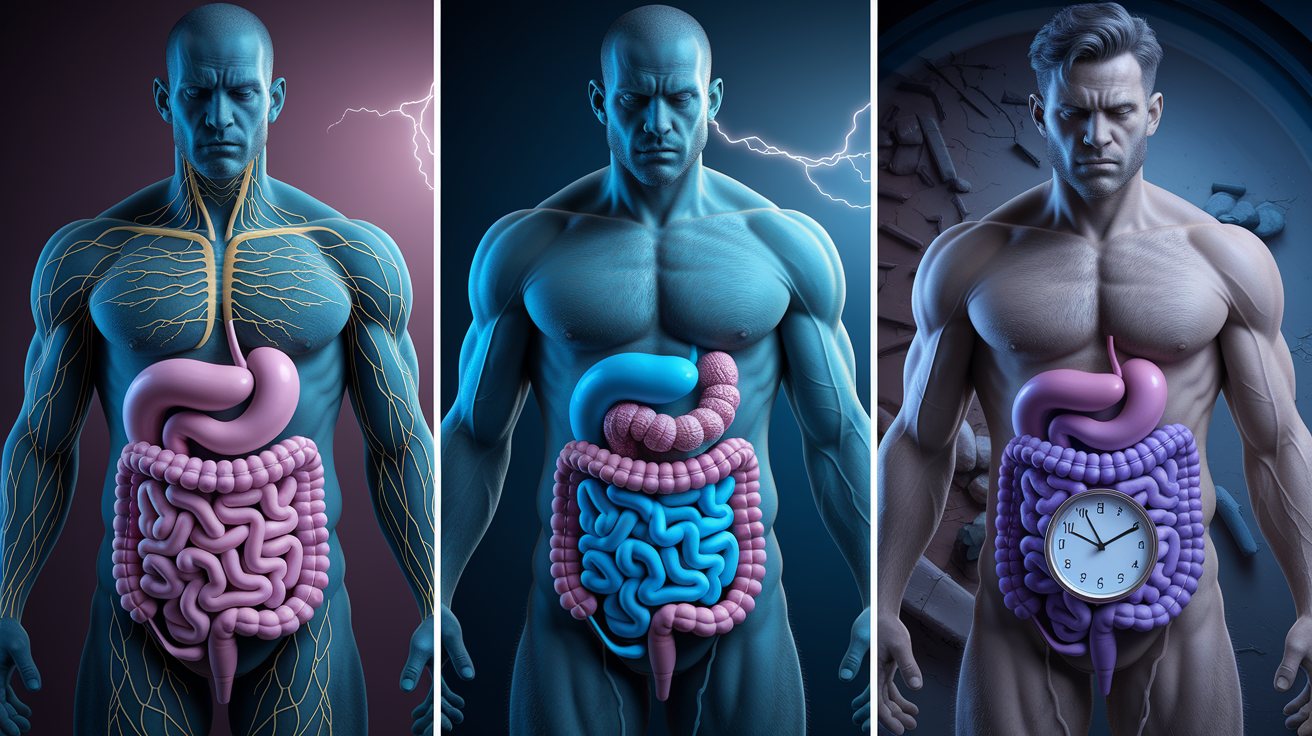
Irritable bowel syndrome (IBS) is one of the most frequent causes of chronic post-meal bloating. IBS disrupts the normal rhythm of intestinal contractions. It either speeds transit (leading to diarrhea) or slows it (causing constipation). People with IBS also tend to have visceral hypersensitivity. Normal amounts of gas cause more discomfort than they would in someone without the condition. Stress, certain foods, and hormonal changes can all make IBS symptoms worse.
Small intestinal bacterial overgrowth (SIBO) happens when bacteria that normally live in your colon migrate up into the small intestine. These bacteria ferment food much earlier in the digestive process, producing gas and bloating soon after eating. SIBO often causes additional symptoms like diarrhea, malabsorption, and nutrient deficiencies. Breath tests that measure hydrogen and methane after consuming a sugar solution can help diagnose it. Treatment typically involves antibiotics or herbal antimicrobials, along with dietary changes to reduce fermentation.
Gastroparesis means your stomach empties too slowly. Food sits longer than it should before moving into your intestines. This delayed emptying creates prolonged fullness, nausea, and bloating after meals, especially high-fat or high-fiber meals that take longer to digest. Gastroparesis can result from diabetes, nerve damage, or post-surgical complications. Gastroesophageal reflux disease (GERD) can also contribute to bloating by creating pressure and discomfort in the upper belly, though bloating isn’t its primary symptom.
Eating Habits That Lead to Excess Gas and Fullness
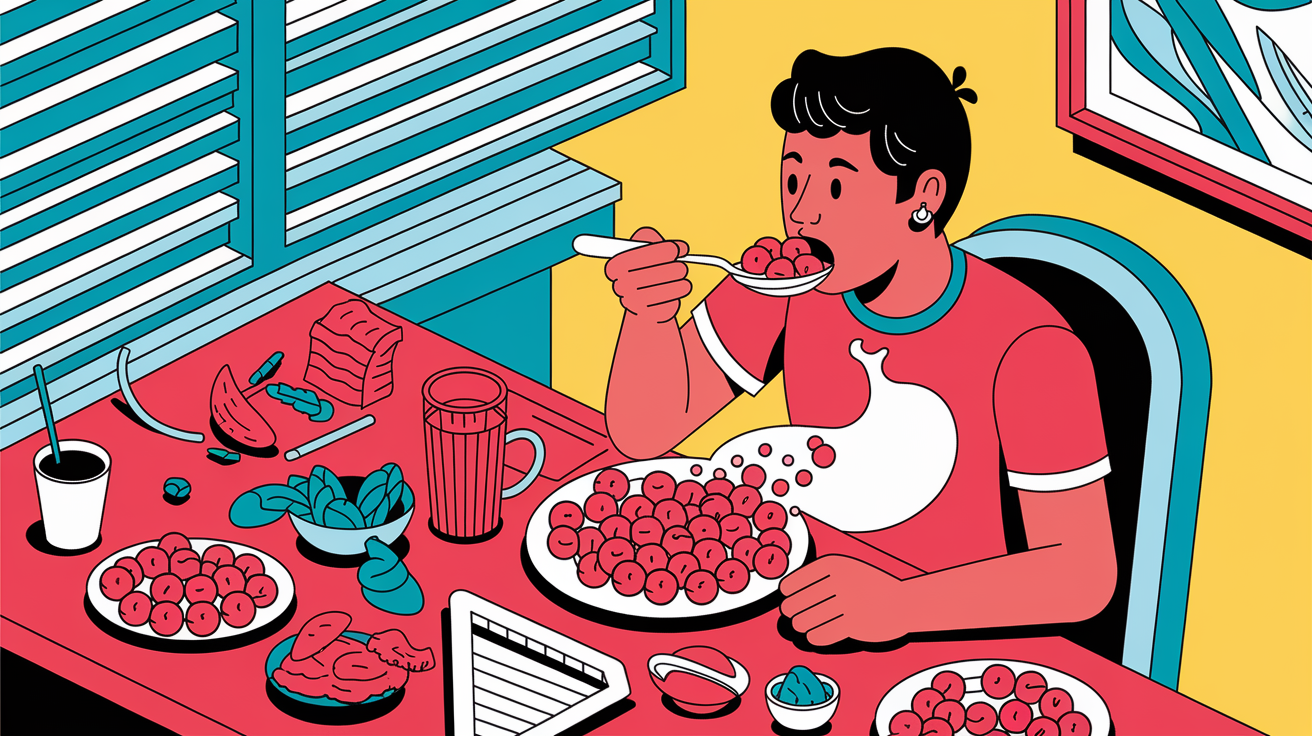
Eating too quickly is one of the easiest ways to guarantee post-meal bloating. When you rush through a meal, you swallow more air with each bite. You also take in larger, poorly chewed pieces of food. Your stomach has to work harder, and undigested particles reach your intestines where they ferment. Chewing each bite 20 to 30 times might feel slow, but it reduces swallowed air and starts carbohydrate digestion in your mouth. That gives your gut less work to do.
Overeating stretches your stomach beyond its normal fist-sized capacity, creating physical pressure and discomfort. Large portions also mean more material for your gut bacteria to ferment, which increases gas production. Eating smaller, more frequent meals throughout the day keeps your stomach from over-distending and can smooth out digestion. Talking while chewing, drinking through straws, and chewing gum all introduce extra air into your digestive tract. This is called aerophagia.
Eating meals in under 10 minutes without pausing doesn’t help. Consuming large portions in a single sitting makes things worse. Drinking carbonated beverages with meals adds gas. Chewing gum or sucking on hard candies frequently brings in more air.
Timing also matters. If you eat a heavy meal and lie down within two hours, gravity can’t help move food through your stomach efficiently. Finishing dinner at least two to three hours before bed reduces overnight bloating and reflux. Irregular meal timing can disrupt your digestive rhythm, so aim to eat at roughly the same times each day.
How Doctors Diagnose the Cause of Chronic Bloating

If bloating happens after every meal and home strategies aren’t helping, a healthcare provider will start with a detailed history and physical exam. They’ll ask about the timing of your symptoms, what you eat, your bowel habits, stress levels, menstrual cycle if relevant, and any other symptoms like pain, weight loss, or changes in stool. That conversation often points toward likely causes before any testing begins.
Breath tests are commonly used to diagnose lactose intolerance and SIBO. For lactose intolerance, you drink a lactose solution and then breathe into a device at timed intervals. If bacteria ferment the undigested lactose, hydrogen levels in your breath will rise. SIBO breath tests work similarly but use glucose or lactulose. Blood tests can screen for celiac disease by checking for specific antibodies. If celiac is suspected, an intestinal biopsy confirms the diagnosis. Stool tests can reveal inflammation, infection, or malabsorption.
Imaging studies like abdominal X-rays, ultrasounds, or CT scans help rule out obstructions, tumors, or fluid accumulation (ascites). If gastroparesis is suspected, a gastric emptying study tracks how quickly a radiolabeled meal leaves your stomach. For cases that remain unclear, a referral to a gastroenterologist may lead to endoscopy or colonoscopy to visualize the digestive tract directly and take biopsies if needed.
Immediate Relief for Bloating After Meals

When bloating strikes right after eating, a 10 to 15 minute walk can help move trapped gas through your intestines and relieve pressure. Light movement stimulates peristalsis, the wave-like muscle contractions that push food and gas along your digestive tract.
Take a short, gentle walk after meals. Apply a heating pad or hot water bottle to your belly to relax muscles. Drink peppermint tea, which can reduce intestinal spasms (skip this if you have reflux). Try abdominal massage in a clockwise direction to encourage gas movement. Or use an over-the-counter anti-gas medication like simethicone (Gas-X) to break up gas bubbles.
Heat can soothe abdominal discomfort and reduce cramping. A warm bath or shower works similarly. Lying on your left side in a knees-to-chest position can also help release gas. These relief methods won’t fix underlying causes, but they can make you more comfortable while you work on longer-term changes. If you’re using over-the-counter remedies regularly, mention it to your healthcare provider. Frequent need for symptom relief suggests an undiagnosed issue.
Long-Term Strategies to Prevent Recurring Post-Meal Bloating

Identifying your personal trigger foods is the most powerful prevention tool. Keep a food and symptom diary for at least two weeks, noting everything you eat, portion sizes, meal timing, and how you feel afterward. Look for patterns. “Bloating always happens after dairy” or “worse on days I skip breakfast and eat a huge lunch.” Once you spot a trigger, try eliminating it for a few weeks and then reintroduce it to confirm the connection.
A low-FODMAP diet can help if you suspect carbohydrate fermentation is driving your bloating. This structured elimination diet removes high-FODMAP foods for several weeks, then systematically reintroduces them one category at a time to pinpoint which ones you tolerate. Work with a registered dietitian if possible. The diet is complex and cutting out too many foods long-term can reduce beneficial gut bacteria and limit nutrition. Increasing fiber gradually, rather than all at once, prevents the gas spike that comes from suddenly feeding your gut bacteria more material than they’re used to.
Regular physical activity improves gut motility and reduces bloating over time. Even 20 to 30 minutes of moderate movement most days can help keep digestion steady. Manage stress through techniques like deep breathing, yoga, or mindfulness. Stress can slow digestion and worsen IBS symptoms. Probiotics may support a healthier gut bacterial balance, though results vary by strain and individual. If you try a probiotic, give it several weeks before deciding if it helps.
When Bloating After Eating Signals a More Serious Issue

Most post-meal bloating is uncomfortable but not dangerous. Certain red-flag symptoms mean you should get evaluated promptly, though. Unexplained weight loss paired with bloating can indicate malabsorption, cancer, or another serious condition. Blood in your stool, whether bright red or dark and tarry, requires urgent assessment.
Severe, unrelenting abdominal pain that worsens or doesn’t improve with time needs attention. Persistent vomiting that prevents you from keeping food or liquids down is concerning. Sudden worsening of bloating along with fever can signal infection or obstruction. Bloating that started recently and is rapidly getting worse despite dietary changes also warrants evaluation.
If you’re experiencing bloating after every meal along with significant changes in your bowel habits lasting more than a few days, schedule a visit with your healthcare provider. If you’re over 50 and experiencing new, persistent bloating, get it checked. Early evaluation can catch conditions like celiac disease, inflammatory bowel disease, pancreatic insufficiency, or ovarian cancer when they’re most treatable. Trust your instinct. If something feels wrong or your quality of life is suffering, it’s okay to get checked even if you’re unsure.
Final Words
You learned common reasons for feeling bloated after meals: food intolerances, digestive conditions, and eating habits. We also covered tests, quick relief, and longer-term fixes.
Next: track meals and symptoms, slow your eating, try walking or peppermint, and talk with a clinician if symptoms don’t improve. Get care right away for severe pain, sudden weight loss, blood in stool, or repeated vomiting.
Understanding bloating after every meal causes helps you choose small steps that often ease symptoms. You’re not stuck, keep tracking and ask for help as needed.
FAQ
Q: Why do I get really bloated after every time I eat?
A: Getting really bloated after every meal is usually from swallowed air, eating fast, gas-making foods, or food sensitivities; track meals, slow your eating, and see a clinician if it’s severe or lasts.