

Ever coughed up brown phlegm and wondered if it means something serious?
Brown or rust colored mucus can come from tar in a smoker’s airways, inhaled dust and pollution, tiny old bleeds, or the breakdown after an infection.
Sometimes it’s benign morning mucus; other times it points to bronchitis, pneumonia, or chronic lung irritation.
This post will explain common causes, simple self care you can try, clear red flags that need same day attention, and what to track so you can tell your clinician the right story.
Key Reasons Behind a Brown Phlegm Cough
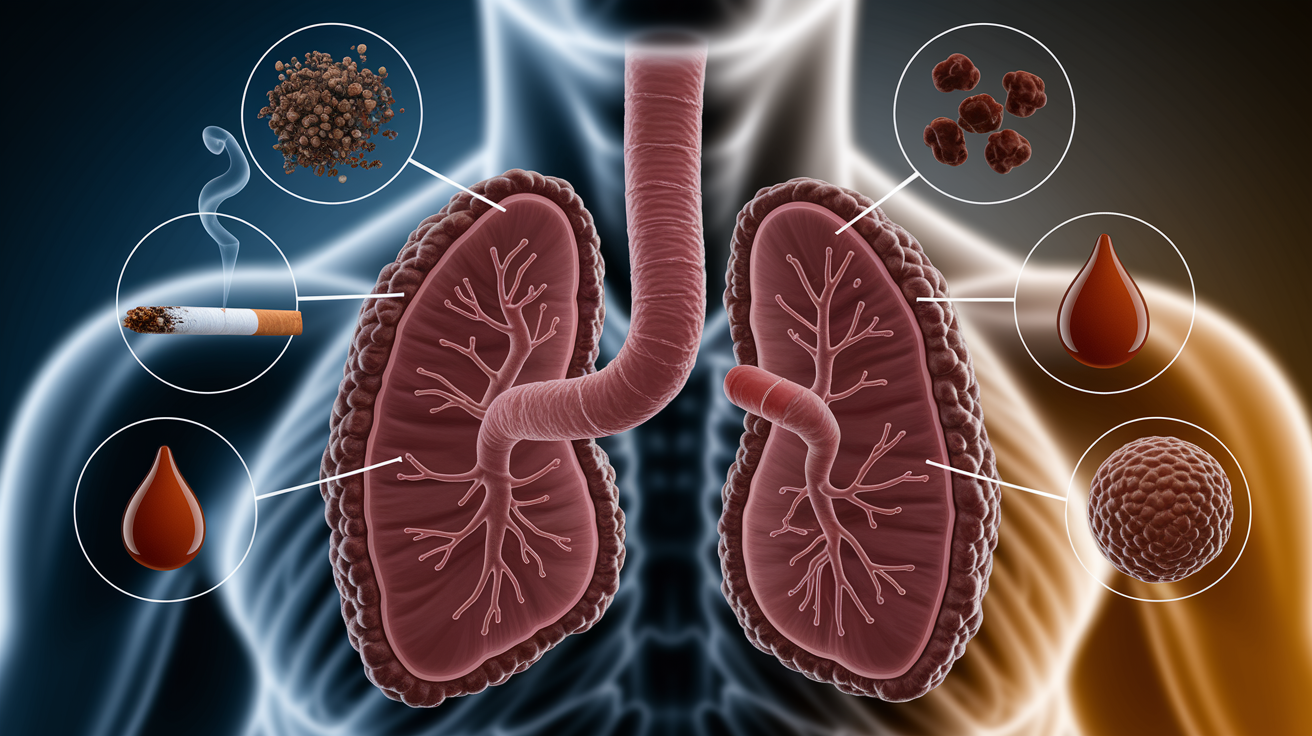
Brown phlegm shows up when something’s coloring your mucus. Could be tar from smoking, tiny particles you’ve breathed in, old dried blood, or the leftover mess after your immune system fights off an infection. That brown or rust tint usually comes from one of four places: tobacco smoke leaving tar deposits in your airways, environmental dust or pollutants your lungs have trapped, small amounts of blood that oxidized and turned brown, or a mix of dead white blood cells, bacteria, and shed airway cells after days of inflammation.
If you smoke, brown or black-tinged sputum is pretty common. It’s the sticky tar coating your airways. Even secondhand smoke can darken mucus over time. When you inhale coal dust, metal fumes, or heavy smog, those particles stain the mucus brown as your lungs work to clear them out. Dried blood often looks rust-colored because iron in red blood cells oxidizes. This can happen after a nosebleed, irritated nasal vessels, or minor throat bleeding that drains backward into your throat and gets coughed up later. Infections produce thick yellow-green mucus that can look brownish when blood or old mucus mixes in, especially bacterial bronchitis or pneumonia.
Acute bronchitis typically lasts up to 3 weeks. You might see your mucus shift from clear to white to yellow-green to brown as inflammation peaks and starts to calm down. But if your cough keeps going beyond 3 weeks, especially if it stretches past 8 weeks, you’re entering chronic-cough territory. The causes shift toward long-term airway disease, repeated infections, or structural lung problems. Brown phlegm that appears suddenly with a fever over 38.5°C (101.3°F), shortness of breath, or chest pain raises concern for pneumonia and should prompt same-day evaluation.
Five mechanisms that produce brown coloration:
- Tobacco tar and smoke byproducts – Sticky brown-black residue coats airways and mixes with mucus, especially heavy in current smokers.
- Inhaled environmental particles – Dust, dirt, coal, or pollutants trapped by mucus give a tan or brown tint.
- Oxidized blood – Small amounts of blood from the nose, throat, or airways turn rusty brown when exposed to air and enzymes.
- Infection debris – Dead immune cells, bacteria fragments, and shed airway cells can darken mucus during or after respiratory infections.
- Chronic inflammation – Long-standing airway irritation thickens mucus and concentrates pigments from all the above sources.
Common Conditions Linked to a Brown Phlegm Cough

Acute bronchitis is the most frequent infection tied to brown sputum. It starts as a viral cold that moves into your chest, triggering a wet, productive cough that can last up to 3 weeks. The mucus often progresses from clear to white to yellow or green. Sometimes it takes on a brown shade when old blood or heavy inflammation is present. Most cases resolve without antibiotics, but if your fever climbs above 38.5°C, you’re breathing fast, or you feel increasingly short of breath, pneumonia becomes more likely. Imaging plus possible antibiotics are needed.
Pneumonia produces brown phlegm when infection damages small blood vessels in the lungs or when thick purulent sputum mixes with traces of blood. Classic signs include fever over 38.5°C, rapid breathing, chest pain with deep breaths or coughing, and oxygen saturation below 92% on a pulse oximeter. A chest X-ray usually shows a focal infiltrate, a cloudy patch where air spaces have filled with fluid and inflammatory cells. Bacterial pneumonia is often treated with a short antibiotic course, commonly around 5 days if you start improving within 48 to 72 hours.
Chronic obstructive pulmonary disease flare-ups frequently produce increased sputum volume and thickness. The color can shift to brown, green, or yellow. COPD exacerbations are more common in people over 40 with a smoking history. Treatment typically includes inhaled bronchodilators to open airways, a short course of oral steroids (usually 5 to 7 days), and antibiotics if the sputum becomes more purulent or the person has severe underlying disease. Bronchiectasis creates permanent widening and scarring of the airways. It generates large daily volumes of thick, discolored mucus and recurrent infections. A CT scan is often needed to confirm the diagnosis.
Four hallmark symptom patterns to watch:
- Fever >38.5°C plus brown-green sputum and chest pain → suspect pneumonia; get a chest X-ray and consider same-day evaluation.
- Daily large-volume thick brown mucus for weeks or months → think bronchiectasis; pursue CT imaging and sputum culture.
- Persistent cough >3 weeks with night sweats, weight loss, and occasional blood streaks → raise concern for tuberculosis; AFB sputum testing and specialist referral are needed.
- Sudden increase in sputum thickness and breathlessness in a long-time smoker → likely COPD exacerbation; add bronchodilators, steroids, and possibly antibiotics.
Patterns and Associated Symptoms That Help Explain a Brown Phlegm Cough

Morning brown mucus is especially common in smokers and people with chronic bronchitis. Secretions pool overnight and become thicker and darker by the time you wake up and cough them out. If you notice brown phlegm mainly in the morning but it clears or lightens during the day, and you don’t have fever or worsening breathlessness, the cause is often chronic airway irritation rather than an active infection. Brown sputum that appears throughout the day, increases in volume, or comes with new chest tightness suggests an evolving infection or exacerbation of underlying lung disease.
Postnasal drip can also produce brown-tinged mucus, especially if you’ve had a nosebleed, dry nasal passages, or sinus inflammation. Blood from irritated vessels in your nose or sinuses drains backward, oxidizes in your throat, and gets coughed up as rust-colored phlegm. This pattern usually comes with sinus pressure, nasal congestion, or a sore throat. The brown color fades once the nasal irritation heals. Chest pain with a brown phlegm cough is more concerning. Sharp pain that worsens with deep breaths or coughing can signal pneumonia, pleurisy, or even a pulmonary embolism if you also have sudden shortness of breath.
Four associated symptoms that guide your next steps:
- Fever of 38.5°C (101.3°F) or higher – raises likelihood of bacterial pneumonia or severe infection; see a clinician within 24 hours.
- Shortness of breath at rest or with minimal effort – may indicate low oxygen or significant lung inflammation; check SpO2 if possible and seek care if <92%.
- Night sweats and unexplained weight loss – concerning for tuberculosis or malignancy, especially with cough >3 weeks.
- Chest discomfort or pain that worsens when you breathe deeply – can mean pneumonia, pleurisy, or another serious lung problem; get evaluated promptly.
Diagnostic Tests Used to Evaluate a Brown Phlegm Cough

A chest X-ray is almost always the first imaging test when pneumonia or significant lung disease is suspected. It shows infiltrates, areas where air spaces have filled with fluid or pus. It can reveal masses, significant scarring, or fluid around the lungs. If the X-ray is normal but symptoms persist or you have risk factors for bronchiectasis or cancer, a CT scan of the chest offers much higher detail and can catch early changes the X-ray missed.
Sputum testing helps identify the specific bug causing infection. A Gram stain gives a quick look at bacteria under the microscope. A sputum culture grows out the organism so the lab can test which antibiotics work best. If tuberculosis is a concern (cough lasting more than 3 weeks, night sweats, weight loss, known TB exposure), an acid-fast bacilli test and possibly a TB culture or molecular test are ordered. A complete blood count checks for elevated white blood cells, a sign your body is fighting infection, though a normal count doesn’t rule out bacterial disease. Pulse oximetry is a fast, noninvasive measure of oxygen saturation. Anything below 92% on room air suggests your lungs aren’t exchanging oxygen well and warrants urgent assessment.
| Test | What It Detects | When It’s Used |
|---|---|---|
| Chest X-ray | Infiltrates, masses, fluid, significant scarring | First-line for suspected pneumonia or persistent cough with alarm features |
| CT scan | Bronchiectasis, early tumors, complex infections, fine airway detail | When X-ray is normal but symptoms persist, or to evaluate chronic sputum production |
| Sputum culture & Gram stain | Bacteria type and antibiotic sensitivities | Purulent sputum, suspected bacterial pneumonia, or recurrent infections |
| Complete blood count (CBC) | Elevated white cells (leukocytosis), anemia | Suspected infection or systemic inflammation |
| AFB testing (acid-fast bacilli) | Mycobacterium tuberculosis or atypical mycobacteria | Cough >3 weeks, night sweats, weight loss, known TB exposure |
Treatment Approaches for a Brown Phlegm Cough

Treatment depends entirely on the underlying cause. For bacterial pneumonia, clinicians prescribe antibiotics, often a short course of around 5 days if you start feeling better and your fever drops within 48 to 72 hours. Common choices include amoxicillin, azithromycin, or doxycycline, tailored to local resistance patterns and your allergy history. Acute bronchitis is usually viral and doesn’t benefit from antibiotics. Supportive care and time are the main therapies unless you develop signs pointing to a bacterial superinfection.
When COPD flares up with increased brown or green sputum, your doctor will often add a short course of oral corticosteroids, typically 5 to 7 days, to calm airway inflammation. Plus inhaled bronchodilators like albuterol or ipratropium to open constricted airways and make breathing easier. Antibiotics are added if the sputum becomes much thicker or more purulent, or if you have severe underlying disease. For chronic conditions like bronchiectasis, long-term strategies may include regular airway clearance techniques, inhaled antibiotics during exacerbations, and sometimes low-dose maintenance antibiotics to prevent repeated infections.
Expectorants like guaifenesin can help thin mucus and make it easier to cough up. A typical adult dose is 200 to 400 mg every 4 hours as needed, with a maximum around 2,400 mg per day. Extended-release formulations are also available and may simplify dosing. Cough suppressants are generally avoided when you’re producing sputum, because coughing is your body’s way of clearing infected or irritated mucus from your lungs. If tuberculosis or lung cancer is diagnosed, treatment shifts to specialist-directed therapy. Multi-drug TB regimens lasting months, or oncology management including chemotherapy, radiation, or surgery.
Six major treatment classes compared:
- Antibiotics – Target bacterial infections like pneumonia; short courses (~5 days) if improving; not effective for viral bronchitis.
- Bronchodilators (inhaled) – Open airways in COPD or asthma exacerbations; examples include albuterol and ipratropium.
- Oral corticosteroids – Reduce airway inflammation in COPD flares; typical course is 5 to 7 days (e.g., prednisone 40 mg daily).
- Expectorants (guaifenesin) – Thin mucus to ease coughing; dose 200–400 mg every 4 hours, max ~2,400 mg/day.
- Inhaled corticosteroids – Long-term controller therapy for asthma or COPD; not a quick fix for acute brown phlegm but prevents future exacerbations.
- Specialist therapies (TB drugs, cancer treatments) – Multi-drug regimens or oncology protocols when serious underlying disease is confirmed.
Home Remedies and Supportive Care for Brown Phlegm Cough Relief

Staying well hydrated is one of the simplest ways to thin mucus and make it easier to clear. Aim for about 2 to 3 liters, roughly 8 to 12 cups, of fluids each day unless your doctor has told you to limit intake for heart or kidney reasons. Water, herbal teas, and warm broths all count. Steam inhalation can loosen thick secretions and soothe irritated airways. Lean over a bowl of hot water with a towel draped over your head for 10 to 15 minutes once or twice a day, being careful to avoid burns from water that’s too hot.
A cool-mist humidifier running overnight adds moisture to dry indoor air, which helps prevent mucus from becoming sticky and hard to cough up. Clean the humidifier regularly according to the manufacturer’s instructions to avoid growing mold or bacteria inside the tank. Saline nasal irrigation, using a neti pot or saline squeeze bottle once or twice daily, clears sinus drainage that can drip backward and contribute to brown phlegm. Warm fluids like ginger tea with honey or plain warm water with lemon can soothe your throat. Saltwater gargles (about half a teaspoon of salt in a cup of warm water) reduce throat irritation from repeated coughing.
Five practical home remedies:
- Drink 2–3 liters of water daily to keep mucus thin and easier to expel.
- Use steam inhalation for 10–15 minutes once or twice daily; avoid scalding by testing water temperature first.
- Run a cool-mist humidifier at night and clean it per instructions to prevent mold buildup.
- Try saline nasal irrigation 1–2 times daily to clear sinus drainage and reduce postnasal drip.
- Sip warm fluids (ginger tea, honey-lemon water, or broth) and gargle with saltwater to soothe your throat.
Red Flags and When to Seek Medical Care for a Brown Phlegm Cough
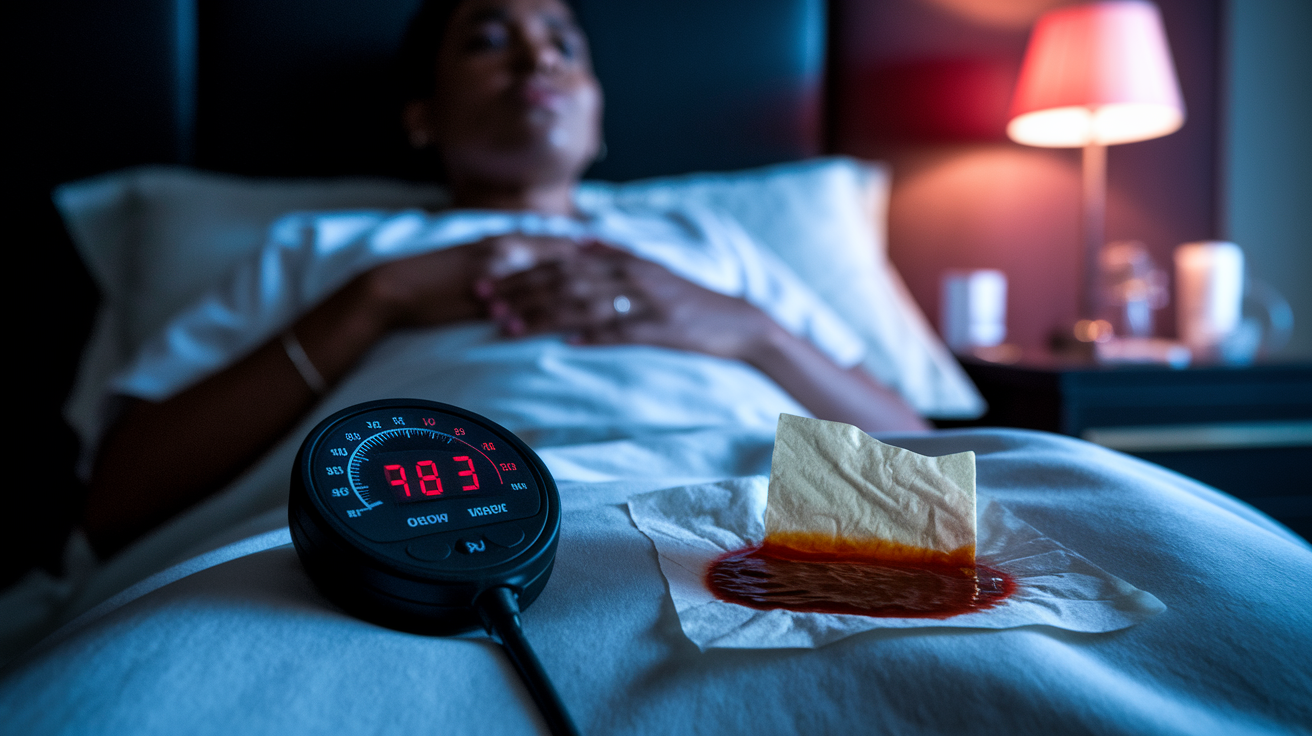
Any amount of blood in your sputum, whether it’s bright red streaks, pink-tinged foam, or rust-brown clots, should prompt evaluation by a clinician. Small streaks from throat irritation or a recent nosebleed may not be an emergency, but you still need to get checked to rule out infection, bronchitis, or something more serious. Very large-volume hemoptysis, coughing up 100 to 200 mL or more of blood, or bleeding that keeps coming, is a medical emergency. Call for an ambulance or go to the nearest emergency department immediately.
Fever higher than 38.5°C (101.3°F) combined with brown sputum, shortness of breath, rapid breathing, or chest pain signals possible pneumonia or severe infection and requires same-day medical assessment. If your heart rate climbs above 100 to 120 beats per minute at rest, your oxygen saturation drops below 92%, you feel faint or confused, or you develop new chest pain, don’t wait. Seek urgent care. Even without those dramatic signs, a cough that persists beyond 2 to 3 weeks or symptoms that worsen after 48 to 72 hours of home treatment or prescribed antibiotics means you need reassessment to check for treatment failure, resistant bacteria, or an alternative diagnosis.
Six warning signs that require prompt medical attention:
- Any visible blood in sputum, especially if recurrent or increasing; very large amounts (>100–200 mL) are an emergency.
- Fever ≥38.5°C (101.3°F) with brown phlegm, shortness of breath, or chest pain—get evaluated within 24 hours for possible pneumonia.
- Oxygen saturation <92% on a pulse oximeter, or new difficulty breathing at rest—seek urgent or emergency care.
- Heart rate persistently >100–120 beats per minute at rest, fainting, confusion, or new severe chest pain—call for emergency help.
- Cough lasting >2–3 weeks, especially with weight loss, night sweats, or ongoing fever—schedule a clinician visit to rule out TB, cancer, or chronic lung disease.
- Symptoms not improving or worsening after 48–72 hours of treatment—contact your doctor to reassess diagnosis and therapy.
Preventive Steps to Reduce Future Brown Phlegm Cough Episodes

Quitting smoking is the single most effective step to reduce brown phlegm and chronic cough. Within weeks of your last cigarette, the tiny hair-like cilia lining your airways begin to recover. Mucus clearance improves, and you’ll likely notice less daily sputum and easier breathing. It can take months for cough and phlegm to fully resolve. Some long-time smokers may have permanent airway changes, but even partial recovery significantly lowers your risk of infections, COPD progression, and lung cancer.
Vaccination plays a key role in preventing respiratory infections that trigger brown sputum. The annual influenza vaccine reduces your chance of flu-related bronchitis and pneumonia. Pneumococcal vaccines, commonly recommended at age 65 or older, and earlier for people with chronic lung disease, diabetes, or weakened immune systems, protect against the bacteria that cause most cases of community-acquired pneumonia. If you work around dust, chemicals, metal fumes, or biomass smoke, use proper respiratory protection like N95 respirators or appropriate masks, ensure good ventilation, and follow workplace safety protocols to limit pollutant exposure and future airway damage.
Four prevention strategies to adopt:
- Quit smoking and avoid secondhand smoke; expect gradual improvement in cough and sputum over weeks to months.
- Get vaccinated—annual flu shot and pneumococcal vaccine per age and risk guidelines (often at ≥65 years or earlier for high-risk groups).
- Use occupational respiratory protection (masks, respirators, ventilation) when exposed to dust, chemicals, or smoke at work.
- Practice good hand hygiene and treat upper respiratory infections promptly to reduce the risk of bacterial superinfection spreading to your lungs.
Final Words
If you’re coughing up brown phlegm, here’s the short version: common causes include smoking, inhaled dust, dried nasal blood, or infections like bronchitis or pneumonia. Acute bronchitis often clears within about 3 weeks.
Try simple care: hydrate, use a clean humidifier or steam, try saline rinses, and track timing and triggers. Call your clinic for high fever, trouble breathing, coughing up blood, or if it lasts more than 2–3 weeks or doesn’t improve after 48–72 hours.
Jot down a clear symptom story about your brown phlegm cough before you call. You’ve got options and help is available.
FAQ
Q: What causes brown phlegm when coughing?
A: Brown phlegm when coughing is most often caused by smoking or inhaled particles, dried or old blood, or debris from infections. Less commonly, chronic disease or heavy pollution can darken mucus.
Q: Is brown phlegm a sign of bronchitis or pneumonia?
A: Brown phlegm can come from bronchitis or pneumonia; bronchitis often lasts up to 3 weeks, while pneumonia more often has high fever, marked breathlessness, and abnormal chest imaging.
Q: Can smoking make my phlegm brown or rust colored?
A: Smoking makes phlegm brown or black by staining mucus with tar and particles; quitting helps cilia recover within weeks and often reduces discoloration and morning cough.
Q: Could dried blood or nasal bleeding cause brown mucus?
A: Brown mucus can come from dried, oxidized blood in the nose or throat mixing with sputum; any coughing up blood should be checked by a clinician promptly.
Q: When should I see a doctor, urgent care, or the emergency room?
A: See a clinician for persistent or worsening brown phlegm beyond 2–3 weeks or if symptoms don’t improve after 48–72 hours of treatment; go to urgent care or ER for severe breathlessness, high fever, or heavy bleeding.
Q: What tests might a clinician order for a brown phlegm cough?
A: Clinicians often start with a chest X-ray, then may add sputum culture or Gram stain, CBC, CT scan, AFB testing for TB, or bronchoscopy if bleeding or obstruction is suspected.
Q: How is brown phlegm treated?
A: Treatment for brown phlegm depends on the cause: many bronchitis cases need supportive care, bacterial pneumonia may need antibiotics, and COPD exacerbations often need bronchodilators and short steroid courses.
Q: What home remedies can help thin and clear brown phlegm?
A: Hydration (about 2–3 liters daily if allowed), steam or humidifier use, saline nasal rinses, warm fluids and throat gargles, and rest can thin mucus and ease coughing.
Q: How long should I monitor a brown phlegm cough before seeking care?
A: Monitor at home if it’s less than 3 weeks and improving; seek evaluation if it persists beyond 3 weeks, worsens, or shows red flags like high fever, low oxygen, or blood in sputum.
Q: Could tuberculosis or lung cancer cause brown sputum?
A: Tuberculosis or lung cancer can sometimes cause brown or bloody sputum, usually with longer symptom duration, weight loss, night sweats, or large daily sputum; these require specialist testing.
Q: What information should I track to give my clinician a clear symptom story?
A: Track when it started, how the color and volume change, triggers or relief, fever, breathlessness, recent travel or exposures, and current medicines—bring this concise list to your visit.
Q: How can I reduce future brown phlegm episodes?
A: Reducing future episodes involves quitting smoking, staying up to date on flu and pneumococcal vaccines if recommended, improving home ventilation, and using appropriate workplace protection.