

Think a cough with phlegm is just annoying? Think again.
A wet, productive cough usually means your airways are trying to clear extra mucus from irritation or infection, and the pattern and timing tell you a lot.
This post shows common causes, simple relief you can try safely at home, what not to do, and the warning signs that mean you should call a clinician or seek urgent care.
You’ll also get quick tracking tips so you can tell if it’s improving or needs a check.
Understanding a Cough With Phlegm and What It Usually Means
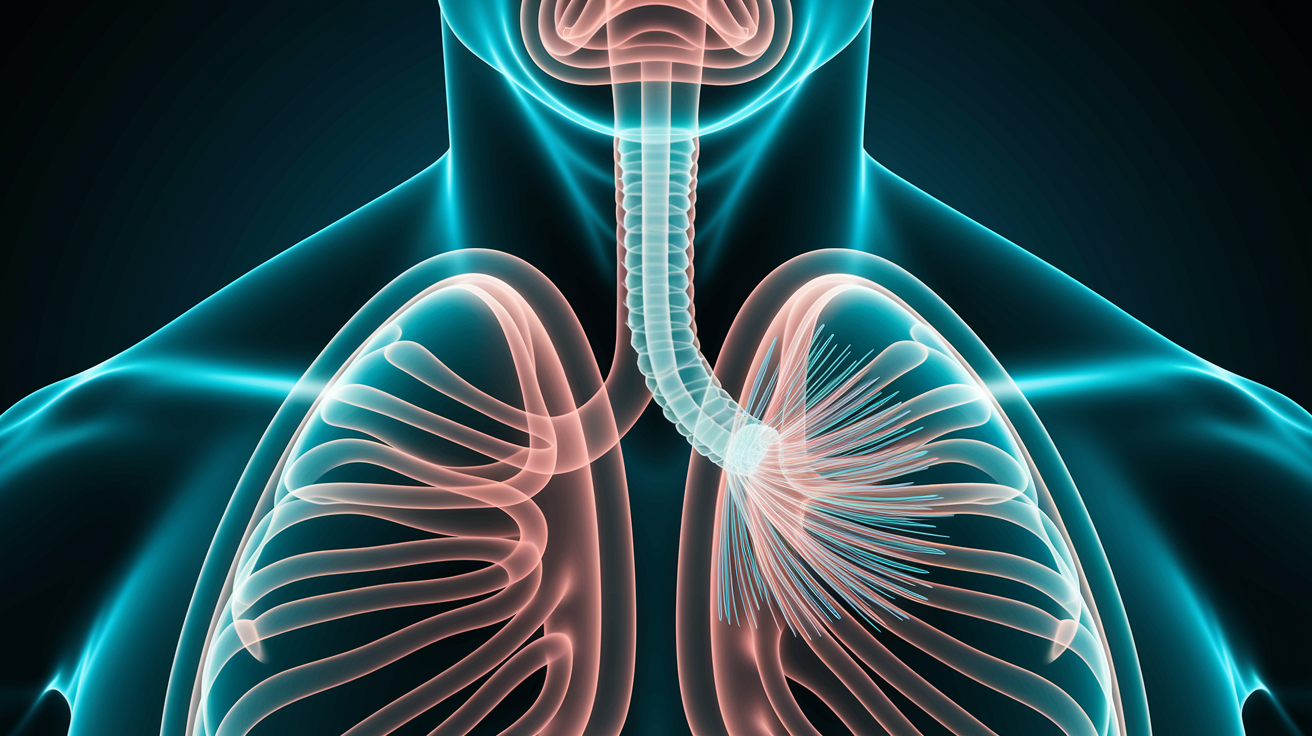
Mucus does a lot of work protecting your respiratory system. It traps dust, germs, stuff you don’t want in there. Then tiny hair-like structures called cilia sweep it all out. When your airways sense infection or irritation, mucus production ramps up and gets thicker. That’s when you start coughing it up. A cough with phlegm is what people call a “productive” or “wet” cough, and it means your body’s actively clearing something it doesn’t want in your lungs or throat.
You’re dealing with a productive cough when you’re bringing up more than about 2 tablespoons of mucus in 24 hours. Sometimes you’ll feel it rattling in your chest before you cough it out. You’ll hear a wet, congested sound. This feels different from a dry, tickly cough because you’re actually expelling something. It’s fine to spit out what you cough up so you can see what it looks like. Swallowing it is safe too, your stomach acid will digest it.
Acute productive coughs show up suddenly and usually stick around anywhere from a few days to about 3 weeks. Most often they’re tied to a short-term infection like a cold or bronchitis. If your phlegmy cough hangs on for 8 weeks or longer, it’s considered chronic and might point to an ongoing condition like asthma, chronic bronchitis, or reflux instead of a simple bug. Duration and pattern matter because they help you and your clinician figure out whether this is a passing irritation or something that needs closer attention.
Common Causes Behind Persistent Phlegm Cough Symptoms
Most productive coughs start with an infection. Acute bronchitis is the classic example. It’s usually viral, often follows a cold, and brings days to a couple of weeks of chest congestion, rattly coughing, and clear-to-yellow phlegm. Bacterial pneumonia can look similar at first but typically includes higher fever, more severe fatigue, and sometimes sharp chest pain when you breathe deeply. Chronic bronchitis is common in people who smoke or used to smoke. It causes daily mucus production that can get worse during flare-ups and usually lasts at least three months out of the year for two years in a row.
Non-infectious triggers also produce phlegm. Post-nasal drip happens when mucus from your sinuses drains down the back of your throat, especially overnight. You wake up needing to clear thick secretions. Asthma can cause mucus build-up when airways swell and tighten, even without obvious wheezing. GERD irritates your throat and windpipe with stomach acid, prompting your airways to make extra mucus as a protective response. About a quarter of people with reflux report a morning phlegmy cough.
Long-term lung diseases like COPD, cystic fibrosis, and bronchiectasis all cause ongoing mucus that’s often thickest first thing in the morning. Environmental irritants like cigarette smoke, dust, mold, and fine particles can keep your airways inflamed and productive. If your phlegm cough started suddenly and you have other symptoms like fever or body aches, think infection first. If it’s been weeks to months and comes with specific patterns (worse when lying down, triggered by certain foods, or paired with wheezing), the cause is more likely chronic or environmental.
Final Words
in the action we explained why mucus is useful and what a productive cough means, when your lungs make extra sputum to trap irritants and clear them. We described acute versus chronic patterns so you can tell short infections from longer problems.
Then we ran through common causes and the difference between infections and non-infectious triggers, plus typical time frames, days to weeks for viral and eight weeks or more for chronic.
If your cough with phlegm lasts more than a few weeks, worsens, or you see red flags, get checked. Most people get clear steps and relief.
FAQ
Q: How do you get rid of phlegmy cough?
A: Getting rid of a phlegmy cough usually means loosening and clearing mucus while watching for red flags. Try staying hydrated, warm drinks, humidified air, gentle chest percussion, and saline nasal rinses and see a clinician if it’s worsening or >3 weeks.
Q: What are 5 symptoms of bronchitis?
A: The 5 symptoms of bronchitis are a cough that brings up mucus, wheezing, chest tightness, low-grade fever, and feeling unusually tired; seek care if breathing gets worse.
Q: How long should a phlegmy cough last?
A: A phlegmy cough often lasts 1-3 weeks with a common viral infection; if it continues daily beyond 8 weeks it’s considered chronic and needs evaluation.
Q: Do you need antibiotics if coughing up phlegm?
A: You don’t usually need antibiotics when coughing up phlegm; they’re used if a bacterial infection is likely. See a clinician for high fever, bloody sputum, worsening symptoms, or persistent cough.