

What if a dry, tickly cough that won’t go away isn’t “just a cough”?
It feels like an itch deep at the back of your throat that won’t quit, and that constant urge to clear it can wreck sleep and conversations.
This post explains the common causes—postnasal drip, cough-variant asthma, reflux, allergies, and certain medications.
It also gives safe home relief, quick tracking tips to tell your clinician, and clear signals for when to seek care.
You’ll leave with a simple plan to try tonight and a cleaner symptom story for your visit.
Understanding a Persistent Dry Tickly Cough

A dry tickly cough feels like an itch you can’t reach, sitting deep at the back of your throat. You get the urge to cough, but nothing comes up. No mucus, no phlegm. Just that irritating tickle, and the more you try to clear it, the more it comes back. It can strike during the day and mess up conversations. Or wake you at night. A lot of people describe it as something they can’t quite scratch, and that feeling alone keeps the cough going.
Cough duration falls into three windows. Acute cough lasts less than 3 weeks and usually shows up with a cold or flu. Subacute cough runs from 3 to 8 weeks and often hangs on after a respiratory infection. Chronic cough pushes beyond 8 weeks in adults or 4 weeks in children. These time frames matter because they guide what you’re looking for and when to get things checked out.
Most viral tickly coughs settle within 1 to 3 weeks as the infection clears. But some stick around longer, even after the virus is gone. Post-viral cough can last up to 8 weeks because your airways stay inflamed. The virus leaves, but the irritation it caused lingers. If your tickly cough crosses the 3-week mark, especially if it’s getting worse or paired with new symptoms, it’s time to think beyond a simple cold.
Common Reasons a Dry Tickly Cough Won’t Go Away

The most frequent cause of a dry tickly cough that drags on is postnasal drip. Mucus from your nose slides down the back of your throat and tickles the sensitive lining there. You might feel the need to clear your throat constantly, especially in the morning or after lying down. Sinus congestion, a stuffed-up nose, and throat clearing are the usual clues.
Asthma is another big player, especially cough-variant asthma. You might not wheeze or feel short of breath during the day, but the cough shows up at night or after exercise. Your chest may feel tight, or you find yourself a bit more tired than usual. The airways tighten and inflame, and your body responds with a tickly, dry cough that won’t quit.
Gastroesophageal reflux disease (GERD) sends stomach acid up into your throat and voice box. That acid irritates the same tissues that make you cough. You might notice a sour or metallic taste, a feeling of something stuck in your throat (the “plum pit” sensation), or coughing that gets worse after meals or when lying flat. Allergies behave much like postnasal drip but are triggered by pollen, dust, pet dander, or mold. If your tickly cough flares with seasonal changes or after time indoors, allergies may be the root.
Less common but still important causes include ACE inhibitor medications (a blood pressure drug known to trigger dry cough in some people), long COVID (a cough that lingers weeks or months after infection), chronic sinusitis, chronic bronchitis in smokers, and pertussis (whooping cough), which can last 6 weeks or longer. Pertussis often starts with cold symptoms, then shifts into severe coughing fits that can end in a “whoop” sound or vomiting, especially in children.
Here are the clue patterns that help sort them out:
Postnasal drip: throat clearing, nasal congestion, worse in the morning
Asthma: night cough, chest tightness, cough after activity or cold air
GERD: cough after meals or lying down, sour taste, lump sensation in throat
Allergies: seasonal pattern, sneezing, itchy eyes, nasal symptoms
ACE inhibitor: started within weeks of beginning the medication, no other clear cause
Pertussis: severe coughing fits, possible “whoop,” vomiting after coughing
How Duration and Patterns Help Explain a Dry Tickly Cough

The timing of your cough often points to the cause. A cough that wakes you at night or is worse in the early morning hours suggests asthma or reflux. Asthma tightens the airways during sleep. Reflux is more likely when you’re lying flat and gravity stops helping keep stomach contents down. A cough that flares right after meals or when you bend over leans toward GERD.
A cough that’s worse during the day, especially with talking or activity, may be driven by postnasal drip or environmental irritants like dry air, smoke, or dust. If you notice the cough gets better on weekends or when you’re away from work, think about occupational exposures like chemical fumes, sawdust, or strong cleaning products.
For children, any cough lasting more than 4 weeks should be checked. Kids can have asthma that’s missed, chronic sinus issues, or in rare cases, something structural in the airway. Don’t wait the full 8 weeks with a child. Earlier is safer.
Home Remedies That Can Soothe a Dry Tickly Cough

Honey is one of the simplest and most effective remedies for a dry tickly cough. Give 5 to 10 mL (1 to 2 teaspoons) at bedtime for adults and children over 1 year old. Never give honey to infants under 1 year because of botulism risk. Honey coats the throat, reduces inflammation, and calms the cough reflex. You can take it straight from the spoon or stir it into warm herbal tea.
Saltwater gargles help reduce throat irritation and wash away mucus or allergens. Mix 1/4 to 1/2 teaspoon of salt into 240 mL (8 fluid ounces) of warm water and gargle for 30 seconds, then spit it out. Repeat 2 to 4 times a day, especially after waking and before bed.
Running a humidifier adds moisture to dry indoor air and helps keep your throat from drying out overnight. Aim for indoor humidity around 40 to 60 percent, and run the humidifier for 6 to 12 hours at night. Clean it regularly to avoid mold buildup. Steam inhalation works similarly. Stand in a hot shower for 8 to 10 minutes, or lean over a bowl of hot water with a towel over your head, 1 to 2 times a day. Use caution with children to prevent burns.
Hydration keeps mucus thin and your throat moist. Aim for about 2 to 3 liters of fluids a day if you’re an adult. Warm fluids like herbal tea, warm water with lemon, or broth feel especially soothing. Avoid very cold drinks, which can trigger coughing in some people. Throat lozenges or menthol cough drops stimulate saliva and provide a coating effect. Use one every 2 to 4 hours as needed. Skip lozenges for young children who might choke.
Here are the five key home strategies in order:
Honey at bedtime (1 to 2 teaspoons, age greater than 1 year)
Saltwater gargle (1/4 tsp salt in 8 oz water, 2 to 4 times daily)
Humidifier (40 to 60% humidity, 6 to 12 hours overnight)
Steam inhalation (8 to 10 minutes, 1 to 2 times daily, caution with kids)
Hydration (2 to 3 liters per day, warm fluids preferred)
OTC Options for Managing a Dry Tickly Cough

Over-the-counter cough medicines fall into two main types: suppressants and expectorants. Suppressants quiet the cough reflex and work best for dry, tickly coughs. Expectorants thin mucus and are better for chesty, productive coughs, though some people use them for dry coughs that feel “stuck.”
The most common cough suppressant is dextromethorphan. You’ll find it in products like Robitussin DM or store-brand versions. Typical adult dosing is 10 to 20 mg every 4 hours, or 30 mg every 6 to 8 hours, with a daily maximum around 120 mg. Most bottles cost between $5 and $15 and last several days.
Guaifenesin is the standard expectorant. Adult dosing is 200 to 400 mg every 4 hours, with a daily max of 2.4 grams. It won’t stop a tickly cough directly, but if your dry cough occasionally brings up a small amount of mucus, guaifenesin may help clear it. Prices run similar, $5 to $12 per bottle.
If allergies are driving your tickly cough, an antihistamine like cetirizine or loratadine (both 10 mg once daily) can reduce postnasal drip and throat irritation. Expect to pay $6 to $15 for a month’s supply. These are non-drowsy, but older antihistamines like diphenhydramine work faster and may help you sleep if the cough is waking you at night. Throat lozenges or menthol drops cost $2 to $8 per pack and can be used every 2 to 4 hours.
| Medication | What It Helps | Typical Dose | Notes |
|---|---|---|---|
| Dextromethorphan | Suppresses dry cough reflex | 10 to 20 mg every 4 hours or 30 mg every 6 to 8 hours; max 120 mg/day | Best for tickly, dry cough; avoid with MAOIs |
| Guaifenesin | Thins mucus | 200 to 400 mg every 4 hours; max 2.4 g/day | More useful for productive cough, less for pure tickle |
| Cetirizine or Loratadine | Reduces postnasal drip, allergy symptoms | 10 mg once daily | Non-drowsy; helps if allergies are the trigger |
| Throat lozenges | Soothes throat, stimulates saliva | One every 2 to 4 hours as needed | Safe for most adults; check age limits for kids |
Always read labels for contraindications. Don’t combine multiple cough products with the same active ingredient. If you have high blood pressure, diabetes, or take other medications, ask a pharmacist before starting anything new. Pregnant or breastfeeding individuals should check safety before using any OTC cough medicine.
Prescription Treatments That Address a Persistent Dry Tickly Cough
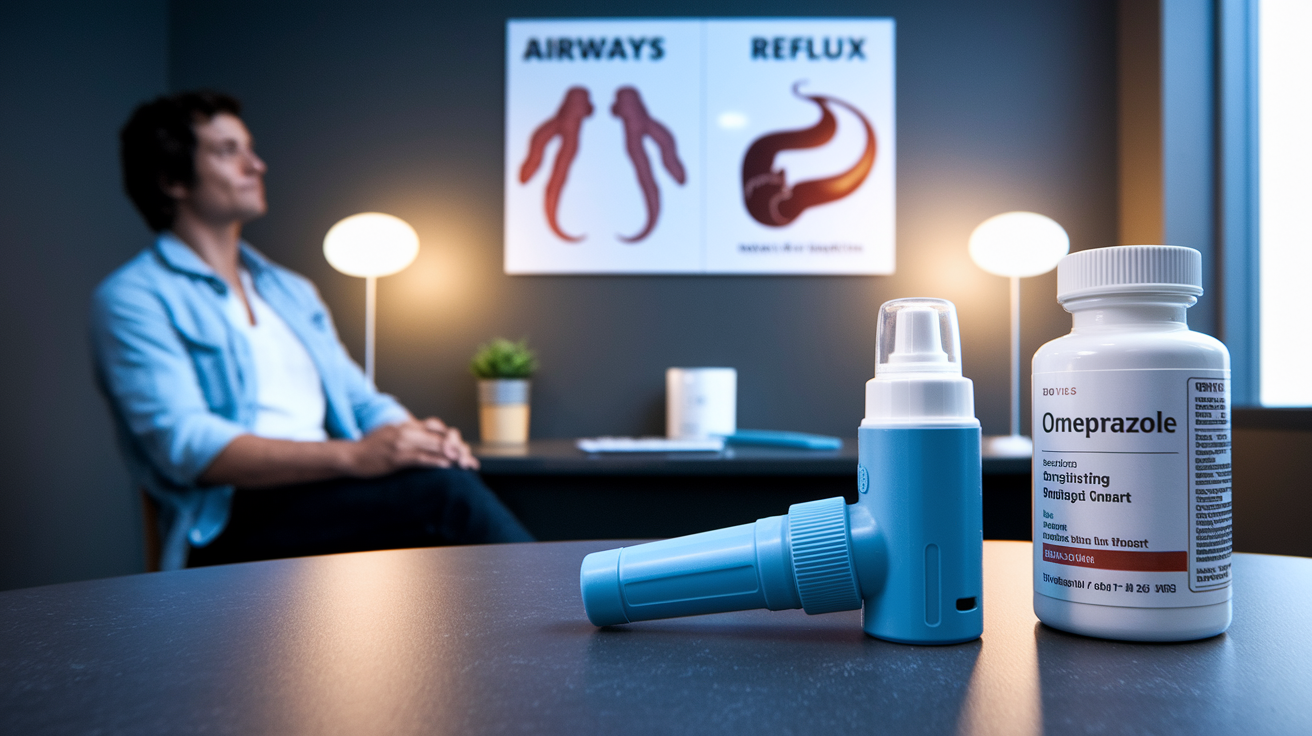
When home care and OTC options don’t work, prescription treatments target the underlying cause. For asthma-related cough, an inhaled corticosteroid like fluticasone or budesonide reduces airway inflammation. Dosing varies, but a typical starting dose might be 88 to 250 mcg of fluticasone-equivalent once or twice daily. It can take 2 to 6 weeks to see meaningful cough reduction, so patience is important. Your doctor may also prescribe a short-acting bronchodilator, like albuterol (salbutamol), 100 mcg per puff, 1 to 2 puffs every 4 to 6 hours as needed. This opens the airways quickly and helps confirm whether asthma is the problem.
For GERD-related cough, a proton-pump inhibitor (PPI) like omeprazole 20 mg once daily is often tried for 4 to 8 weeks. Reflux takes time to settle, and the cough may not improve for days to weeks after acid production drops. Lifestyle changes matter just as much. Avoid large meals before bed, elevate the head of your bed by 6 to 8 inches, limit caffeine, alcohol, chocolate, and fried or fatty foods, and don’t lie down within 2 to 3 hours of eating.
If your dry tickly cough started within a few weeks of beginning an ACE inhibitor (like lisinopril or enalapril), your doctor may switch you to a different blood pressure medication, often an angiotensin receptor blocker (ARB). The cough typically resolves within 1 to 4 weeks after stopping the ACE inhibitor. For pertussis, macrolide antibiotics like azithromycin are used early in the illness to reduce transmission and may shorten symptoms if given within the first few weeks. Once the coughing-fit stage begins, antibiotics won’t stop the cough, but they prevent spread to others.
Tests Used to Evaluate a Dry Tickly Cough That Won’t Go Away

A chest X-ray is the first test most clinicians order when a cough lasts more than 3 weeks or if red-flag symptoms appear. It looks for pneumonia, fluid in the lungs, masses, or structural problems. Results are usually available within hours to a day.
If asthma is suspected, spirometry measures how well you can exhale and whether your airways are narrowed. You blow into a device before and after using a bronchodilator inhaler. If lung function improves after the inhaler, asthma is likely. A FeNO test measures nitric oxide in your breath and reflects airway inflammation, another asthma marker.
When infection is a concern, a throat swab or nasopharyngeal PCR can detect viruses like influenza, RSV, or SARS-CoV-2 (COVID-19). Pertussis can be confirmed with a specific PCR swab or culture, though timing matters. The test is most accurate in the first few weeks. If your dry cough becomes productive, a sputum culture may identify bacteria and guide antibiotic choice.
If GERD is suspected but doesn’t respond to initial PPI therapy, your doctor may refer you for upper GI endoscopy (a camera exam of your esophagus and stomach) or 24-hour pH monitoring, which tracks acid exposure in your esophagus. For chronic cough with unclear cause, a CT scan of the chest provides more detail than an X-ray and can reveal small nodules, early lung disease, or signs of interstitial lung disease. Referral to an ear, nose, and throat (ENT) specialist, pulmonologist, or gastroenterologist may be recommended if initial testing doesn’t explain the cough.
When a Persistent Dry Tickly Cough Needs Medical Attention

Some symptoms alongside a dry tickly cough signal the need for urgent or emergency evaluation. If you cough up blood, even a small amount, get checked the same day. Hemoptysis can indicate infection, blood clots, or lung damage. Sudden severe chest pain, especially if it’s sharp and worsens with breathing, may point to a pulmonary embolism (a blood clot in the lung arteries), which is life-threatening.
Severe or sudden shortness of breath that doesn’t improve with rest, or if your lips or fingertips turn blue, warrants emergency care. Oxygen saturation below 92 percent at rest (measured with a pulse oximeter) is another red flag for adults.
High fever above 38°C (100.4°F) that persists for more than a few days, significant unintentional weight loss, drenching night sweats, or fainting (syncope) all need prompt medical review. A cough that’s getting significantly worse instead of better, or a brand-new cough pattern that feels different from anything you’ve had before and won’t resolve, should be assessed by a clinician within days.
Here are the clear red-flag signs:
Coughing up blood (any amount)
Sudden, severe chest pain
Severe or worsening shortness of breath
Blue lips or fingertips (cyanosis)
Oxygen saturation below 92% at rest
High fever above 38°C persisting more than a few days
Unexplained weight loss, night sweats, or fainting
If you see any of these, don’t wait. Call your doctor’s office, visit urgent care, or go to the emergency department. Better to get checked and find nothing serious than to delay and miss something that needs immediate treatment.
Environmental and Lifestyle Triggers for a Dry Tickly Cough

The air you breathe every day can keep a tickly cough alive long after an infection clears. Cold, dry air irritates sensitive airways, especially in winter or air-conditioned spaces. Cigarette smoke, whether you’re the smoker or breathing second-hand smoke, inflames the throat and lungs and prolongs cough. Quitting smoking is the single most effective step for smokers with chronic cough. Improvement often begins within weeks, though full recovery can take months.
Strong fragrances from perfumes, scented candles, air fresheners, or cleaning products can trigger or worsen a tickly cough, especially if you have underlying asthma or allergies. Dust, pet dander, and mold are common indoor allergens. If you notice your cough improves when you’re away from home, suspect something in your environment. Occupational exposures matter too. Painters, hairdressers, factory workers, and construction crews may inhale fumes, dust, or chemicals daily that irritate the airways.
Simple changes can make a real difference:
Run a humidifier to keep indoor air moist
Avoid smoking and second-hand smoke
Use fragrance-free cleaning products and personal care items
Vacuum regularly with a HEPA filter, and wash bedding weekly in hot water to reduce dust mites
If you work in a dusty or chemical-heavy environment and your cough improves on weekends or holidays, talk to your employer about ventilation, masks, or task rotation. Your lungs deserve clean air.
Tracking a Dry Tickly Cough to Understand Patterns

Keeping a simple symptom journal helps you and your clinician find patterns faster. Write down when the cough happens, how long each episode lasts, and what you were doing right before it started. Note whether it’s worse at certain times of day, in specific locations, or after certain activities like eating, exercising, or lying down.
Track any triggers you notice: dust, pets, cold air, fragrances, stress, meals, or new medications. Record what helps and what doesn’t, including home remedies, OTC medicines, and any prescription treatments you try. If you’re monitoring peak flow (a simple breathing test for asthma), log those numbers. Include other symptoms that come and go with the cough, like nasal congestion, heartburn, chest tightness, wheezing, or fatigue.
Here’s what to record in your cough journal:
Date and time of each coughing episode
Duration and severity (mild tickle vs. coughing fit)
Triggers or activities just before the cough (meal, exercise, lying down, exposure to smoke or dust)
Relieving factors (what made it better, even temporarily)
Other symptoms (congestion, heartburn, wheeze, chest tightness, fever)
Bring this journal to your appointment. A week or two of tracking can reveal the difference between reflux-triggered cough and asthma-triggered cough, or spot a medication side effect you didn’t connect. Patterns turn guesswork into targeted treatment.
Final Words
If your dry tickly cough that won’t go away is nagging you, this post defined the itchy, throat‑only feeling and the time cutoffs for acute, subacute, and chronic cough.
We also ran through the most likely causes, how timing and night symptoms give clues, simple home remedies, OTC and prescription options, tests clinicians may order, and the red flags that need prompt attention.
Track what makes it worse or better, try safe self‑care, and see a clinician if it’s not improving. With a plan and notes, you can usually get to the bottom of a dry tickly cough that won’t go away and start feeling better.
FAQ
Q: How do you get rid of a dry tickly cough that won’t go away?
A: Getting rid of a dry tickly cough that won’t go away starts with soothing: humidifier, warm drinks, honey (over one year), salt gargles, and avoiding smoke. See a clinician if it lasts longer than eight weeks or has red flags.
Q: What does a cardiac cough sound like?
A: A cardiac cough often sounds wet or bubbly, sometimes with frothy sputum, and may be worse when lying flat; it usually comes with breathlessness, worse night breathing, or swollen ankles.
Q: What is a permanent dry tickly cough?
A: A permanent dry tickly cough refers to a cough lasting more than eight weeks in adults; it’s a symptom, not a diagnosis, and needs a clinician check for asthma, reflux, postviral causes, or medications.
Q: What illness has a persistent dry cough?
A: A persistent dry cough can be caused by postnasal drip, asthma, reflux (acid backing up), allergies, ACE inhibitor medicines, postviral cough, or long COVID; pattern and timing help clinicians narrow the cause.