
Ever notice tiny, angry blisters popping up on your palms or soles and nothing seems to help?
This type of flare can be itchy, burning, and deeply frustrating.
It’s okay.
You don’t have to wait it out.
In this post I give a clear, no-nonsense plan for dyshidrotic eczema flare treatment that actually works.
It includes quick home steps to calm blisters, medical options your clinician may use, barrier repair routines, and simple ways to find triggers.
Read on for a step-by-step action plan you can start today and when to get same-day care.
Immediate Steps for Dyshidrotic Eczema Flare Relief
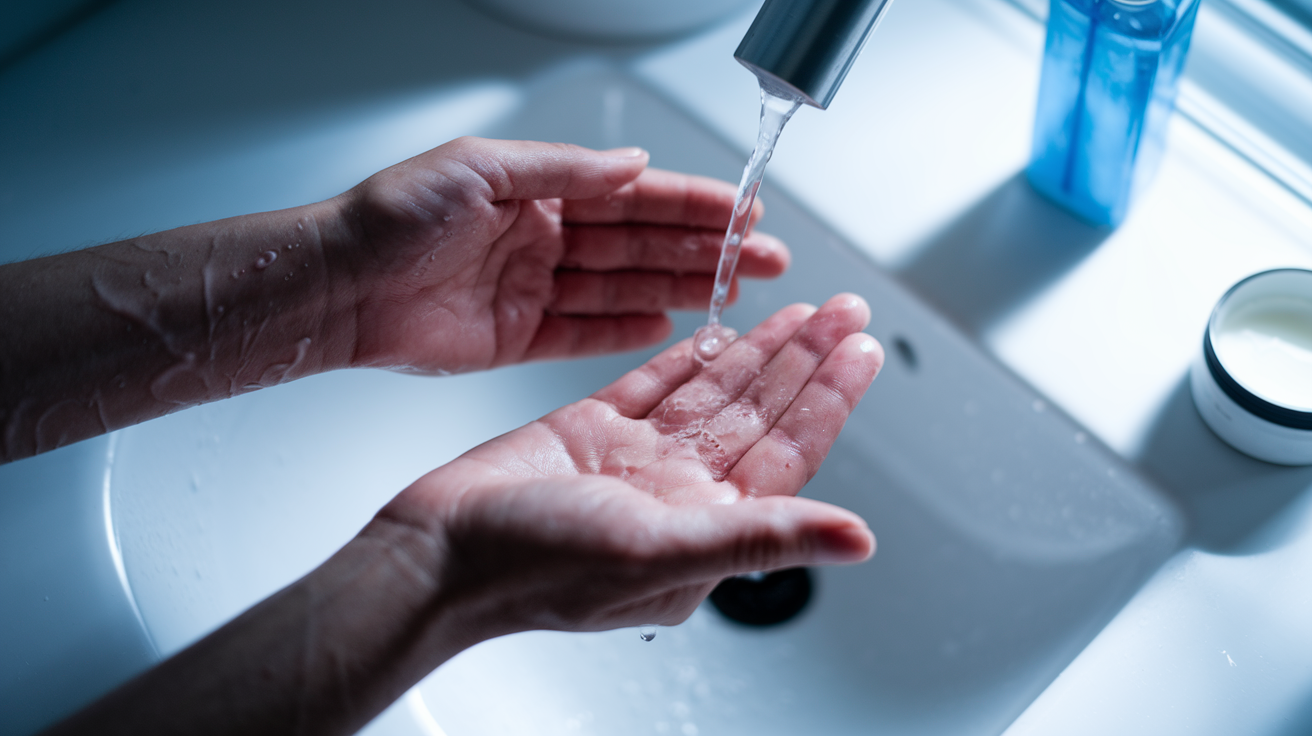
The moment you spot blisters clustering on your palms, finger sides, or soles, you’ve got to move fast. Clean the affected skin with lukewarm water and a fragrance-free cleanser, even if it stings like crazy. Dirt and everyday grime keep inflammation going and raise infection risk, so clean skin is where healing actually starts.
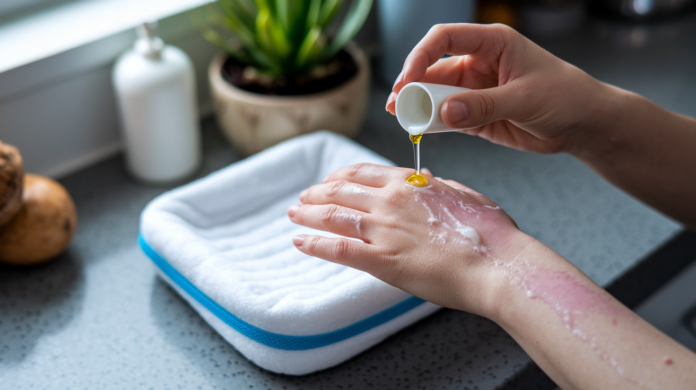
Once you’ve cleaned up, grab a cool compress and hold it against the blistered area for about 10 minutes. Do this several times throughout the day. Cool compresses take the edge off that burning feeling and quiet the itch without wrecking your already fragile skin. After each compress session, pat the area until it’s just slightly damp, then layer on a simple moisturizer or a bit of coconut oil to lock moisture in and calm the itch. If the itch won’t quit and nothing else is working, you can try over-the-counter 1% hydrocortisone cream once or twice daily for up to a week. No improvement after two or three days? Blisters spreading fast or getting painful? Stop the OTC stuff and get yourself to a dermatologist for something stronger.
For quick cooling and comfort, keep a bottle of 100% aloe vera gel in your fridge. Stash it in your bathroom or kitchen so you can reach it the second a flare starts. Some people swear coconut oil stops the itch or burn during those first awful hours after blisters show up, especially if you apply it right after cleaning and cooling your skin.
Here’s a simple four-step protocol to follow the moment you notice symptoms:
- Clean the area with gentle, fragrance-free soap and lukewarm water, even if it hurts.
- Apply a cool compress for 10 minutes, pat skin until slightly damp.
- Spread a thin layer of coconut oil or aloe, then follow with a ceramide-rich moisturizer or OTC 1% hydrocortisone if itch is brutal.
- Repeat steps 2 and 3 several times daily, and don’t scratch or pick at blisters.
Medical Dyshidrotic Eczema Treatment Options for Active Flares

When drugstore treatments aren’t cutting it, your dermatologist will usually write a script for a high-potency topical corticosteroid to knock down inflammation fast and stop new blisters from forming. Because hands and feet get washed constantly, prescription steroids for these areas are designed to stick around longer and penetrate deeper. You’ll typically apply it twice daily to clean, slightly damp skin for best absorption. If standard application doesn’t bring improvement within a week, your clinician might suggest occlusion therapy. That means wrapping the treated area in plastic wrap or wearing cotton gloves overnight to push the steroid deeper and speed things up.
For people who can’t tolerate steroids or who deal with chronic, mild flares, topical calcineurin inhibitors like tacrolimus or pimecrolimus offer a steroid-free option. These meds suppress localized immune activity without thinning your skin, which makes them safer for long-term or repeated use. They can sting when you first put them on cracked or inflamed skin, but that feeling usually fades within a few days. Short courses of oral corticosteroids might be considered for severe flares that are messing with your work or daily life, but doctors use these sparingly because of side effects and the risk of rebound when you stop.
Phototherapy using narrowband ultraviolet B light can dial down itch and inflammation, especially if you’re dealing with chronic or recurring flares. Studies show measurable itch reduction after about four weeks of supervised treatment sessions, typically done two to three times per week at a dermatology clinic. For cases that don’t respond to topical treatments or phototherapy, systemic immunomodulators like methotrexate or JAK inhibitors might get prescribed. In a small study of 15 patients treated with the biologic medication dupilumab, 40% saw their dyshidrotic eczema completely clear, though your mileage may vary.
| Treatment Type | When It’s Used | Notes |
|---|---|---|
| High-potency topical steroids | First-line for moderate to severe flares | Applied twice daily; occlusion may boost effectiveness |
| Calcineurin inhibitors (tacrolimus, pimecrolimus) | Steroid-free option for chronic or sensitive areas | Can sting initially; safe for long-term intermittent use |
| Oral corticosteroids | Severe, disabling flares unresponsive to topical care | Short courses only; watch for rebound when stopping |
| Phototherapy (narrowband UVB) | Recurrent or chronic flares | Requires multiple clinic visits; itch improvement after ~4 weeks |
| Systemic immunomodulators (methotrexate, JAK inhibitors) | Refractory cases not controlled by topical or light therapy | Requires lab monitoring; discuss risks and benefits with dermatology |
| Biologics (dupilumab) | Severe, persistent disease | Injectable; small study showed 40% complete clearing in 15 patients |
Moisturizing and Barrier Repair During a Dyshidrotic Eczema Flare
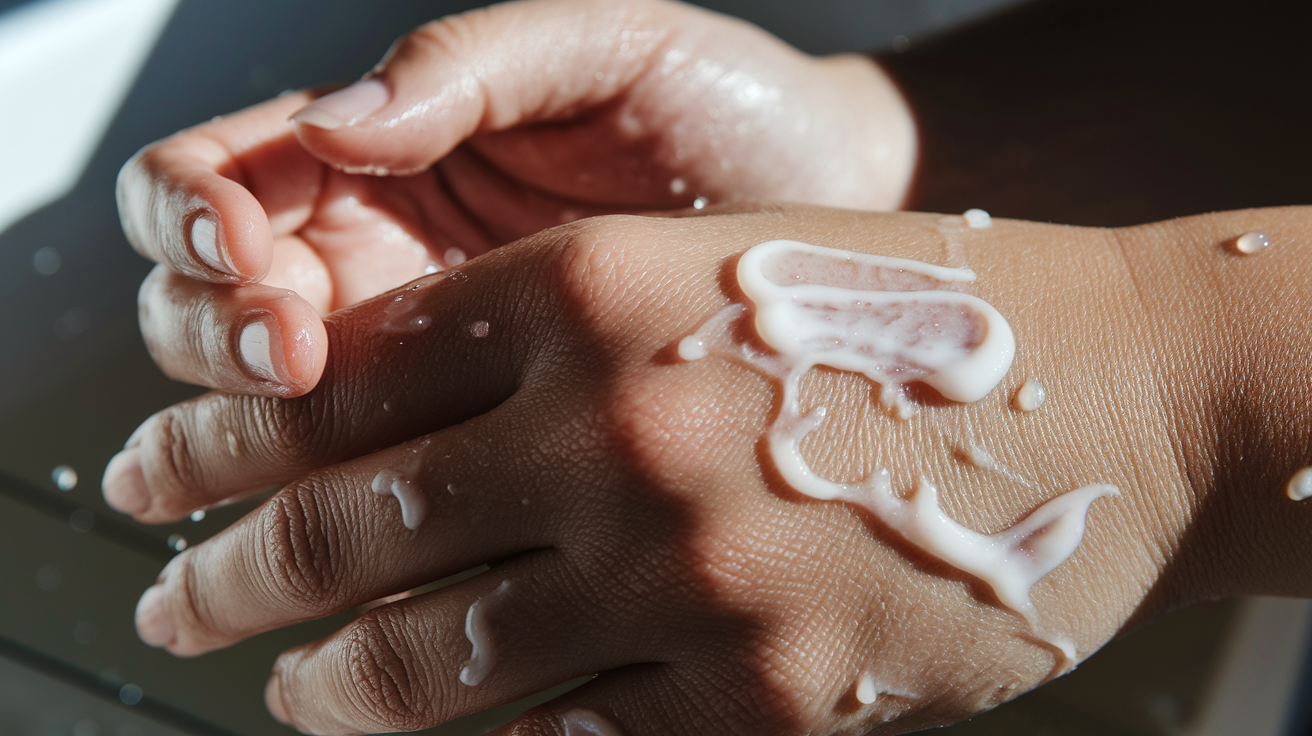
Moisturizing isn’t optional during a dyshidrotic flare. It’s a core treatment step that speeds healing, slows blister progression, and keeps skin from cracking worse. The goal is to restore your skin barrier, which gets damaged both by the eczema itself and by all that handwashing or cleaning you’re doing to keep infection at bay. Choose a thick, cream-based moisturizer loaded with ceramides, petrolatum, or dimethicone. All of these seal moisture into your skin and help patch up that protective outer layer.
One of the best techniques is the soak-and-smear method. Soak your affected hands or feet in lukewarm water for about five minutes. Pat the skin gently with a clean towel until it’s still slightly damp, not bone-dry. Right away, slap on a generous layer of your barrier cream or ointment while the skin is moist. The water on your skin helps the moisturizer soak in and lock down hydration. If you’re using a prescription steroid, apply it first to damp skin, then seal it in with your moisturizer a few minutes later.
Your moisturizing schedule needs to match how often your skin gets hit with water and irritants. Wash your hands 20 times a day? Apply moisturizer 20 times a day. Keep small tubes or pumps of your product in every room, your car, your bag, and at your desk so there’s zero excuse not to reapply. Sounds extreme. But consistent moisture replacement is what lets blisters flatten, cracks close, and itch fade.
Look for moisturizers with these five features:
- Fragrance-free and dye-free formulation
- Ceramide, petrolatum, or dimethicone as a primary ingredient
- Cream or ointment consistency, not lotion
- No alcohol, menthol, or botanical extracts that can sting broken skin
- Approved for use on face and hands, indicating gentle formulation
Home Remedies and Protective Measures for Dyshidrotic Blister Control
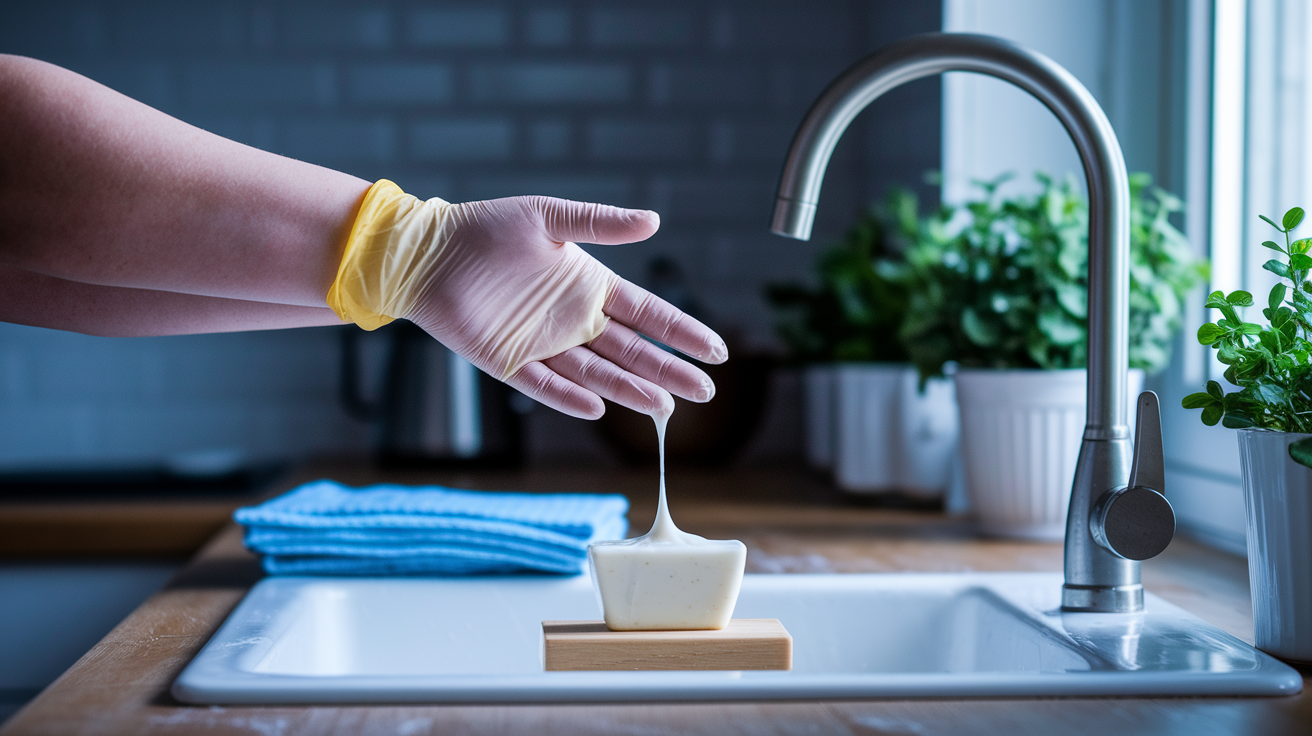
Beyond immediate flare relief, you need a practical plan to shield healing skin from everyday irritants and friction. The layered glove method is simple and works. After applying your steroid or moisturizer, put on a pair of thin cotton gloves, then pull plastic or nitrile gloves over them. Seal the plastic gloves at your wrists with a rubber band to create a waterproof barrier. This setup keeps treatments in contact with your skin while blocking hot water, shampoo, and body wash that can trigger new blisters or make existing ones worse.
When you’re tackling household tasks like dishwashing, cleaning, or gardening, wear gloves even if you’re not actively flaring. Choose vinyl or nitrile gloves with cotton liners, and swap them out as soon as they get damp inside. For footwear, wear moisture-wicking socks and change them midday if your feet sweat. Don’t wear tight shoes or sandals that rub against blister sites. Stick with natural or fragrance-free cleansers for both handwashing and body washing, because a lot of commercial soaps have surfactants and preservatives that strip your skin barrier and drag out inflammation.
Here are six protective methods that support healing and cut down recurrence risk:
- Use the layered glove method during every shower or bath
- Wear protective gloves for all wet work, even quick tasks
- Remove rings before washing your hands and put them back on only after skin is fully dry
- Carry a small bottle of your preferred gentle soap or cleanser when traveling to dodge harsh public restroom soaps
- Switch to natural black soap or castile soap if commercial products set off flares
- Apply coconut oil or another simple occlusive oil before bed and wear cotton gloves overnight to lock in moisture
Trigger Identification and Prevention Strategies for Dyshidrotic Eczema Flares

Finding your specific flare triggers is the most powerful tool for long-term control. Keep a detailed journal that tracks everything you touch, eat, put on your skin, and run into in your environment each day. Write down the date, time, and description of any new symptoms, even mild ones. Over a few weeks, patterns will jump out. One person’s careful trigger tracking and avoidance kept them flare-free about 98% of the time, and when flares did pop up, they cleared within a day or two once the trigger got removed.
Common triggers include nickel exposure from jewelry, belt buckles, or metal tools, harsh soaps or alcohol-based hand sanitizers, heat and humidity that trap sweat against your skin, and direct sun or pool chemicals. Stress is a frequent culprit, and flares often follow periods of high anxiety or lousy sleep. One documented example involved a flare that started after a day at the beach and pool. Within two days of avoiding more sun exposure, the person’s skin completely cleared up. That kind of rapid response confirms the trigger and helps you build a solid avoidance strategy.
If your hands get exposed to irritants at work (healthcare, food service, hair styling, childcare), talk to your supervisor about accommodations like access to cotton-lined gloves, fragrance-free soap, and breaks to reapply moisturizer. Manage related conditions like seasonal allergies and atopic dermatitis proactively, because untreated inflammation elsewhere in your body can lower your threshold for skin flares. Work in daily stress-reduction practices like short walks, yoga, or five minutes of deep breathing before bed.
How to Use a Trigger Journal
Set up a simple notebook or phone app with sections for products used (soap, lotion, shampoo, dish soap, cleaning sprays), foods eaten, activities (swimming, gardening, wearing gloves, sweating), environmental conditions (hot, humid, dry, air-conditioned), and stress level on a scale of one to five. Each evening, rate your skin on a scale of zero (clear) to five (severe flare) and note any new blisters, itch, or burning. After two to four weeks, review your entries and hunt for patterns. You might notice that flares always follow a certain food, show up the day after using a new cleaning product, or line up with stressful work deadlines. Once you spot a pattern, test it by cutting out that trigger for two weeks and watching how your skin responds. Bring your journal to dermatology appointments so your provider can look at your data and help catch patterns you might’ve missed.
Infection Risks, Blister Care, and When to Seek Urgent Dermatology Help

Dyshidrotic blisters can rupture on their own or from accidental friction, leaving open skin that’s wide open to bacterial infection. If a blister breaks, gently wash the area with mild soap and water, pat it dry, and apply a thin layer of antibiotic ointment if your clinician recommended it. Cover the area with a clean, non-stick bandage during the day if it’s at risk of rubbing or contamination. Never pop or drain blisters at home on purpose unless a healthcare provider tells you to, because improper technique raises infection risk and can worsen scarring.
Watch for signs of secondary infection, which can turn a manageable flare into a serious problem. If you notice increasing pain, spreading redness beyond the blister area, warmth, pus or cloudy fluid draining from blisters, red streaks crawling up your arm or leg, swollen lymph nodes, or fever, contact your clinician the same day. Infected dyshidrotic eczema might need oral antibiotics and closer monitoring. Don’t scratch or pick at blisters, even when they itch like mad, because broken skin is the main entry point for bacteria.
Even without infection, some flare patterns need urgent dermatology evaluation. Get same-day or next-day care if your flare is rapidly worsening despite treatment, if blisters are covering large areas of both hands or feet and messing with work or self-care, if you’ve had multiple severe flares in a short stretch, or if you’re experiencing serious pain that over-the-counter meds don’t touch.
Here are five red-flag symptoms that mean you should call your dermatologist or get urgent care right away:
- Spreading redness, warmth, or red streaks extending from the blister site
- Pus, cloudy drainage, or a foul smell coming from ruptured blisters
- Fever or chills accompanying a hand or foot flare
- Severe pain that worsens instead of improving after three days of home treatment
- Sudden swelling of the entire hand, foot, or fingers that makes it hard to move or grip objects
Long-Term Dyshidrotic Eczema Flare Management and Recurrence Prevention

Once you’ve wrestled an active flare under control, the next goal is to stop the next one from happening. Start by building a daily maintenance routine that includes consistent moisturizing, even when your skin looks perfect. Apply a barrier cream or ointment at least twice daily, and always after washing your hands. Use the same gentle, fragrance-free products that worked during your flare, because switching to a “regular” soap or lotion can trigger a rebound within days.
Step down your treatment gradually instead of stopping everything cold turkey. If you were using a prescription steroid twice daily, drop to once daily for a week, then every other day for another week, while keeping up your moisturizing schedule. This taper cuts the risk of rebound flares. Keep wearing protective gloves for wet work and taking off rings before handwashing, even when your skin is calm. If you nailed down specific triggers like nickel, certain foods, or work exposures, keep avoiding them. Some people benefit from a low-nickel diet if testing or symptom patterns point to metal allergy, which means cutting back on foods like chocolate, certain nuts, tea, and canned goods.
Pay attention to seasonal patterns. If you flare every summer, plan ahead with extra barrier care, shade protection, and staying out of chlorinated pools. If winter dryness is your trigger, start intensive moisturizing in early fall before symptoms show up. Think about phototherapy or short-term systemic treatments during your high-risk season if flares are predictable and disabling. Stress-reduction strategies like regular exercise, therapy, or mindfulness practice can lower your overall flare risk, especially if you notice that emotional stress comes right before your breakouts.
| Strategy | What It Helps With | How Often |
|---|---|---|
| Moisturizing plan with barrier creams | Maintains skin integrity; prevents micro-cracks that trigger flares | At least twice daily; after every handwashing during high-risk periods |
| Protective gear use (gloves, moisture-wicking socks) | Reduces contact with water, soaps, friction, and sweat | Every time you do wet work, cleaning, or prolonged walking |
| Diet modifications (low-nickel, allergen avoidance) | Reduces internal triggers if food sensitivities are identified | Daily, after confirming pattern through trigger journal |
| Seasonal adjustments (extra sun protection, winter humidifiers) | Addresses climate-related flare patterns | Start one month before your typical flare season |
Final Words
Start with gentle cleaning, cool compresses several times a day, and a basic four-step flare protocol to calm itching and protect the skin. Apply moisturizers with ceramides or petrolatum to help the barrier.
If home care and OTC hydrocortisone don’t help within a few days, see your clinician for prescription topical options or other treatments. Keep a short trigger journal (products, work, stress, heat) to spot patterns.
Watch for spreading redness, pus, or fever, and get urgent care then. With quick action and a simple plan, dyshidrotic eczema flare treatment can bring relief and reduce recurrences.
FAQ
Q: How to calm dyshidrotic eczema flare up?
A: Calming a dyshidrotic eczema flare involves gentle cleansing, cool compresses several times a day, regular moisturizer (petrolatum or ceramide creams), avoiding scratching, and brief OTC hydrocortisone; see a clinician if severe or not improving.
Q: What is the 3 minute rule for eczema?
A: The 3 minute rule for eczema means applying moisturizer within three minutes of washing or bathing to lock in moisture. Pat skin slightly damp, smear on an emollient, and repeat after handwashing to protect the barrier.
Q: What triggers dyshidrosis flare-ups?
A: Triggers for dyshidrosis flare-ups include nickel or other metal contact, harsh soaps, sweat, heat or humidity, stress, and sun or pool exposure. Identify your triggers by journaling exposures and symptoms.
Q: How long do dyshidrotic eczema flares last?
A: Dyshidrotic eczema flares usually last a few days to several weeks. Some clear in 1 to 2 days with prompt care, but see a clinician if not improving after 1 to 2 weeks.