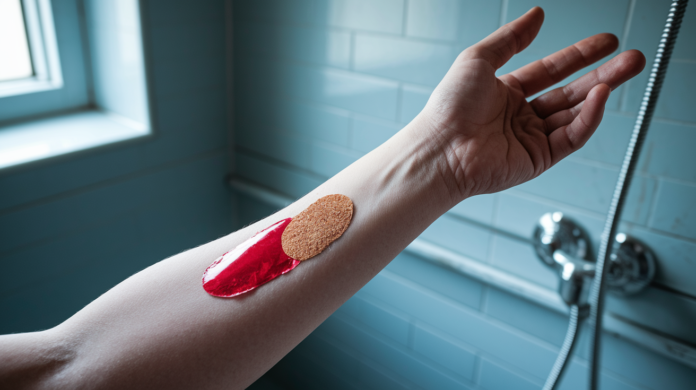

What if stopping your steroid cream makes your skin worse?
It can happen, and most of the time it’s your eczema coming back, a rebound flare, not topical steroid withdrawal.
Both can look bad and feel awful, but they need different next steps.
This post will help you spot the differences, expect the likely timeline, try safe tapering and home care, and know when to call your clinician.
If you’re worried, start tracking itch, redness, and oozing so you can tell a clear symptom story.
Immediate Answers About Post‑Steroid Eczema Flares
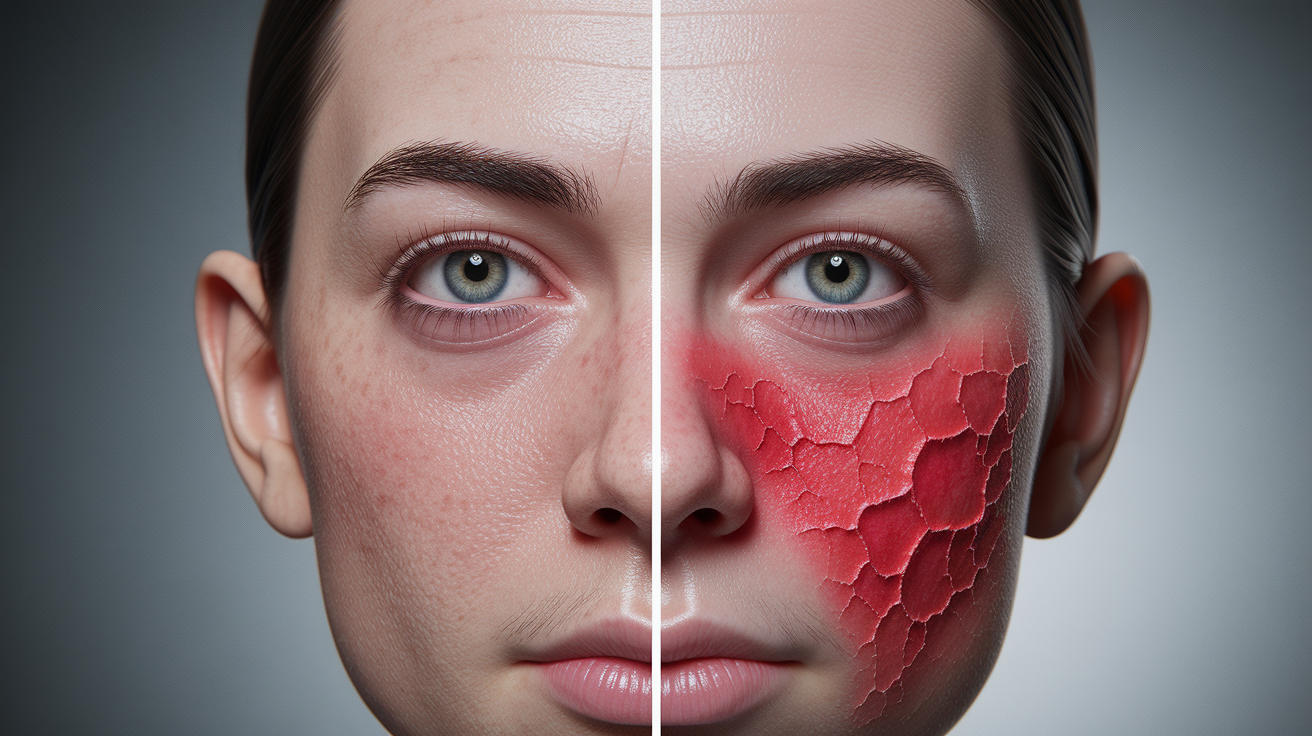
Most skin worsening after you stop topical steroids isn’t topical steroid withdrawal (TSW). It’s usually your underlying eczema coming back, sometimes called a rebound flare. TSW is rare. What’s common? Eczema resurfaces when treatment stops, especially if you quit the steroid suddenly or your skin wasn’t ready.
Both TSW and rebound eczema can look intense and feel awful, but they’re not the same. Rebound eczema happens because the inflammation that was being suppressed comes roaring back, often fast and angry. TSW is a specific reaction to prolonged, high‑dose steroid use, usually on sensitive areas like your face or genitals. It tends to show up with different symptoms and patterns than a typical flare.
Here’s what each can look like:
Rebound eczema flare: Intense itching as the main symptom. Patchy dry areas. Cracking or weeping in your usual eczema spots (elbows, knees, hands, eyelids). Skin that feels rough or thickened. Responds somewhat to gentle moisturizers.
Early topical steroid withdrawal (TSW): Burning or stinging more than itching. Bright red shiny skin that spreads beyond your usual eczema sites. Swelling and heat in treated areas. Oozing or peeling over large patches. Skin that looks raw and feels extremely sensitive.
Both usually start within 2 to 14 days after stopping steroids. The risk goes up sharply if you’ve been using a potent steroid every day for months and then quit cold. If you’re unsure which you’re dealing with, don’t try to figure it out alone. Track what you’re seeing and call your clinician.
Understanding Why Stopping Steroids Can Trigger Eczema Rebound

Topical steroids work by tightening the small blood vessels in your skin and suppressing the immune cells that drive inflammation. When you stop using them, especially suddenly, those blood vessels can rebound and dilate wider than before. At the same time, the immune system ramps back up, often overshooting and triggering a surge of inflammation that can feel worse than your original eczema.
Your skin’s barrier also gets used to the steroid doing some of the heavy lifting. When the steroid disappears, your skin may struggle to hold moisture and keep irritants out. That sets the stage for cracking, itching, and infection risk. The longer you used a potent steroid, and the more often you applied it, the harder your skin has to work to rebalance itself. High‑potency formulations used on thin or sensitive skin (face, neck, armpits, genitals) make the rebound risk even higher.
| Potency Level | Typical Safe Duration | Relative Rebound Risk |
|---|---|---|
| Low (e.g., hydrocortisone 1%) | Weeks to months with breaks | Low |
| Medium (e.g., triamcinolone 0.1%) | Up to 2–4 weeks continuous | Moderate |
| High (e.g., betamethasone dipropionate) | 7–14 days; sensitive areas avoided | High |
| Very high (e.g., clobetasol propionate 0.05%) | Up to 7 days; specialist guidance | Very high |
Distinguishing an Eczema Flare From Topical Steroid Withdrawal
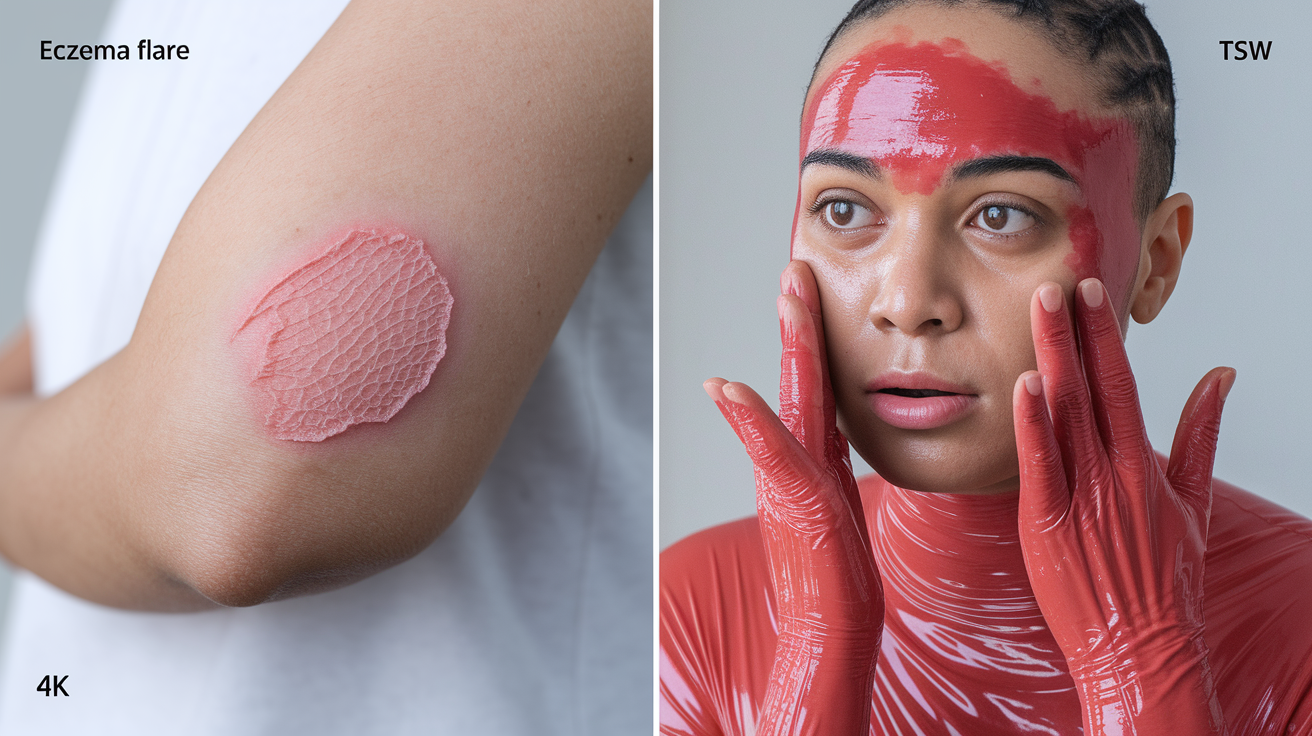
Telling the difference matters because the next steps aren’t identical. An eczema flare usually pops up in your familiar trouble spots. The creases of your elbows, behind your knees, on your hands, around your eyelids. It itches intensely, the skin looks dry and scaly, and you might see lichenification, that leathery thickening from chronic scratching. If you restart gentle emollients and avoid triggers, the flare often begins to settle within days to a week, even without restarting steroids.
TSW often spreads into areas you didn’t treat or only lightly treated with steroids. The redness is bright, shiny, and uniform rather than patchy. Burning and stinging dominate over itching. Your skin may feel hot to the touch, swell noticeably, and start oozing or shedding in sheets. TSW typically follows months or years of frequent potent steroid use, especially on your face, neck, or genitals. It doesn’t calm down much with moisturizers alone.
Key differences to watch for:
Timeline: TSW appears 2–14 days after stopping long‑term steroid use. Eczema flares can happen anytime, even without recent steroid exposure.
Sensation: TSW brings burning, rawness, hyperesthesia. Eczema flare is dominated by intense itching.
Appearance: TSW shows bright, diffuse redness, swelling, oozing, peeling. Eczema flare is patchy, dry, cracked, scaly.
History: TSW requires prolonged, potent steroid use on sensitive areas. Eczema flares occur with or without steroid history.
Distribution: TSW often exceeds original treatment sites. Eczema flares recur in pre‑existing eczema zones.
Response to moisturizers: Eczema flares may improve somewhat. TSW typically does not.
Timeline Expectations After Stopping Steroids

Most rebound symptoms peak within the first week after stopping, then gradually ease over the next 2 to 4 weeks if you maintain good skin care and avoid new irritants. If you’re dealing with TSW, the timeline stretches longer. Symptoms can persist for weeks to months, and improvement tends to be slow and uneven. The exact duration depends on how potent the steroid was, how long you used it, and how large an area was treated.
Don’t expect a straight line of recovery. You might have a few better days, then a flare‑up, then slow improvement again. That’s normal. The key is tracking patterns so you and your clinician can see whether things are moving in the right direction overall, even if day‑to‑day feels chaotic.
What to track daily:
Itch severity on a scale of 0 to 10, noting times when it’s worst (night, after bathing, during stress).
Redness and area. Measure or photograph affected zones to watch for spreading or shrinking.
Oozing, crusting, or peeling. Note whether it’s increasing, stable, or drying up.
Safe Tapering Approaches to Reduce Post‑Steroid Flares
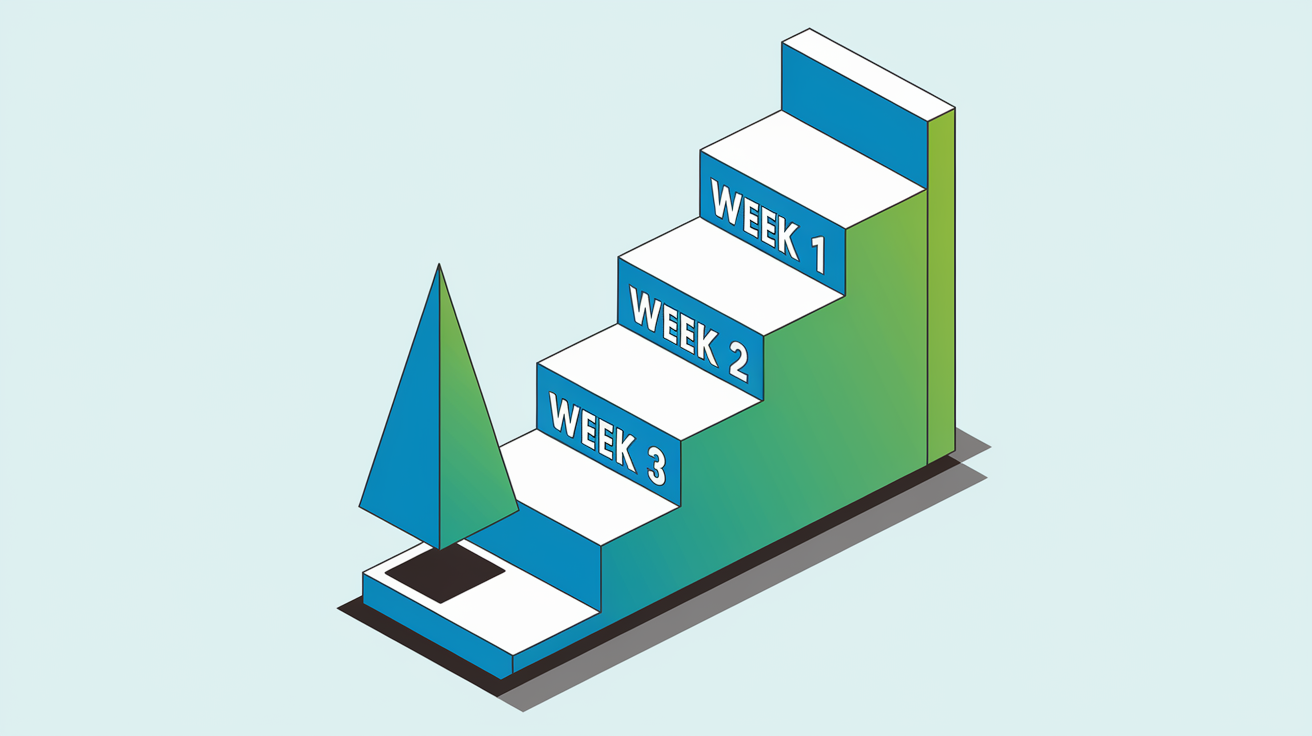
Stopping a potent topical steroid abruptly is the main trigger for severe rebound. A slow, structured taper gives your skin time to rebalance its own anti‑inflammatory systems and reduces the risk of a painful flare. The safest approach is to reduce frequency first, then step down potency, then maintain a low‑dose maintenance schedule if needed.
Here’s how a typical evidence‑based taper works. If you’ve been applying a mid‑ to high‑potency steroid daily, start by switching to every other day for one to two weeks. If your skin stays stable, move to every third day for another week or two, then twice weekly (for example, Saturdays and Sundays). Once you’re on twice weekly and your skin is calm, you can either stop entirely or switch to a lower‑potency steroid on the same twice‑weekly schedule for another few weeks before stopping.
Step‑by‑step taper example:
Week 1–2: Apply your current steroid every other day instead of daily.
Week 3–4: Reduce to every third day, maintaining the same potency.
Week 5–6: Move to twice weekly, spaced evenly (e.g., Monday and Thursday, or Saturday and Sunday).
Week 7–8: Switch to a lower‑potency steroid on the same twice‑weekly schedule.
Week 9–10: Continue twice weekly with the lower‑potency option, watching for stability.
Week 11 onward: If skin remains stable, stop the steroid entirely or maintain “weekend therapy” (twice weekly low‑potency use) long‑term to prevent flares.
Don’t taper on your own if you’ve been using very high‑potency steroids or treating large areas. Work with your GP or dermatologist to create a plan that matches your skin’s history and current state.
Managing Symptoms During a Post‑Steroid Eczema Flare

When your skin is angry and inflamed, the first job is damage control. Apply a thick, plain emollient several times a day. Look for products with minimal ingredients and no fragrance, preservatives, or botanical extracts. Petroleum jelly, plain mineral oil, or ceramide‑based barrier creams are safe bets. The goal is to seal in moisture and shield your skin from the outside world while it heals.
If burning and heat are intense, try cool (not cold) compresses or short lukewarm baths with colloidal oatmeal. Pat your skin gently afterward and apply emollient while it’s still damp. Avoid scrubbing, hot water, or any new skincare products, even ones marketed as “natural” or “soothing.” Stick with what you know is safe. At night, oral antihistamines like cetirizine or loratadine can help with itch and sleep, though they won’t fix the inflammation itself.
Comfort measures that help:
Apply thick fragrance‑free emollient 3 to 5 times daily, especially after washing.
Use cool compresses on red, burning areas for 10 to 15 minutes.
Take short lukewarm baths or showers. Avoid hot water and long soaks.
Wear soft, breathable cotton clothing. Avoid wool, synthetics, or anything with tags or seams that rub.
Take an oral antihistamine at bedtime if itching disrupts sleep.
When Post‑Steroid Flares Become Concerning: Infection & Urgent Signs

Sometimes a flare isn’t just a flare. Broken, oozing skin is an open door for bacteria and viruses. If you see honey‑colored crusts, spreading redness with warmth, pus, or swelling that’s getting worse instead of better, your skin may be infected. Bacterial infections (often staph) need prompt antibiotic treatment, either topical or oral depending on severity.
Viral infections are less common but more dangerous. Widespread herpes simplex (eczema herpeticum) can look like clustered blisters, punched‑out sores, or rapidly spreading painful lesions. It can make you feel systemically unwell. Fever, chills, fatigue. It requires urgent antiviral therapy, sometimes in hospital.
Red flags that need same‑day or emergency evaluation:
Bright red, hot, swollen skin spreading quickly over large areas.
Painful weeping, oozing, or peeling that won’t stop.
Honey‑colored or greenish crusting, especially if spreading.
Clustered blisters or punched‑out sores with severe pain.
Fever, chills, or feeling systemically unwell alongside skin symptoms.
If infection is confirmed, you’ll likely get a short course of oral antibiotics (flucloxacillin, cephalexin, or similar) or antiviral medication (aciclovir) if herpes is suspected. Don’t wait to see if it gets better on its own.
Non‑Steroidal Medical Options to Control Flares After Steroid Withdrawal

Once you’re tapering or off steroids, you still need tools to control inflammation. Topical calcineurin inhibitors (TCIs) are non‑steroid anti‑inflammatory creams that work by calming immune cells in your skin. Tacrolimus and pimecrolimus are the two main options, available by prescription. They can sting or burn when you first start, especially on broken skin, but that usually settles within a few days. TCIs are safe for long‑term use and don’t cause skin thinning, making them a good choice for sensitive areas like your face, eyelids, and genitals.
Crisaborole is a phosphodiesterase‑4 (PDE‑4) inhibitor available in some regions. It’s another non‑steroid option for mild to moderate eczema. For severe, widespread, or treatment‑resistant disease, dermatologists may recommend phototherapy (narrowband UVB light treatments, usually two to three times per week) or systemic therapies. Biologics like dupilumab, upadacitinib, and tralokinumab target specific immune pathways and can be life‑changing for people with severe eczema that hasn’t responded to topicals.
| Treatment Type | Example | Typical Use Case |
|---|---|---|
| Topical calcineurin inhibitors | Tacrolimus, pimecrolimus | Long‑term control, sensitive areas, steroid‑sparing therapy |
| PDE‑4 inhibitor | Crisaborole | Mild to moderate eczema, non‑steroid alternative |
| Phototherapy | Narrowband UVB | Widespread eczema, steroid‑resistant cases, maintenance |
| Biologic or JAK inhibitor | Dupilumab, upadacitinib, tralokinumab | Severe, refractory eczema; systemic inflammation control |
Lifestyle Factors That Help Calm Post‑Steroid Eczema Flares
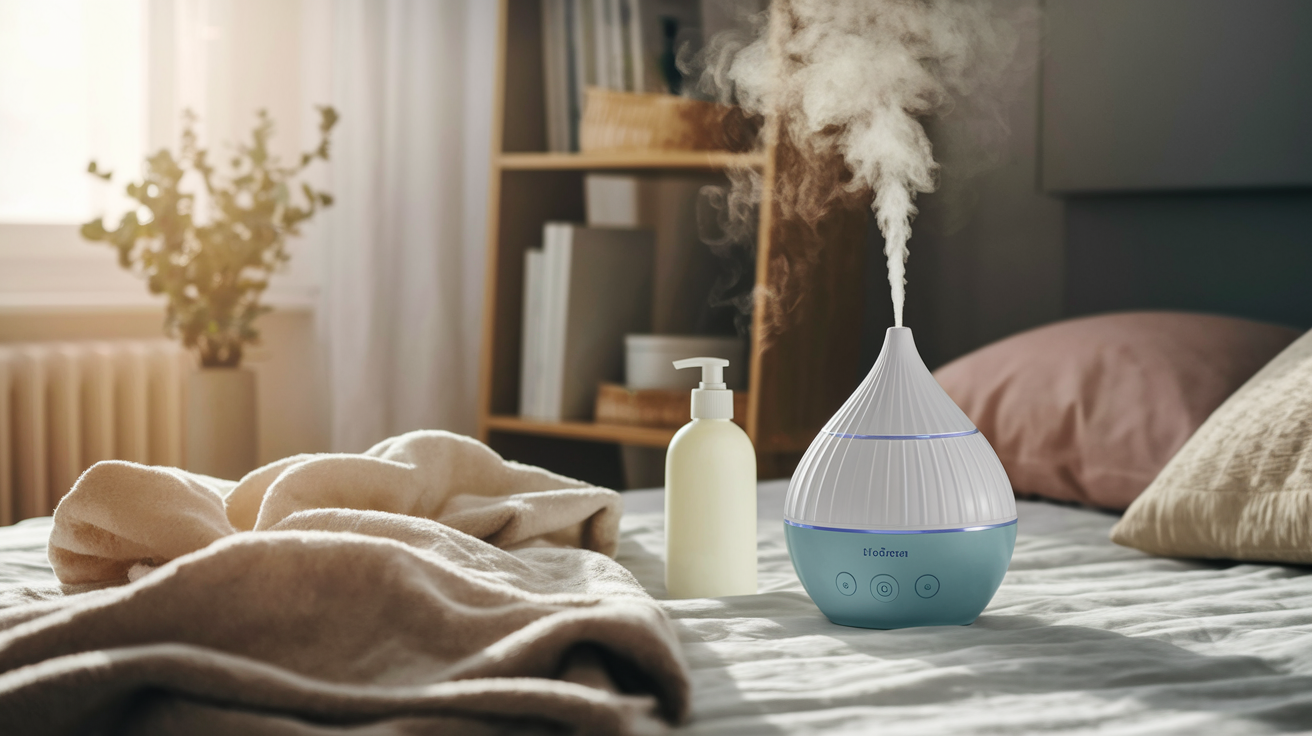
Your skin’s environment matters as much as what you put on it. Dry air, especially in winter or air‑conditioned rooms, strips moisture from your skin fast. Use a humidifier to keep indoor humidity between 40 and 50 percent. When you wash, skip soap entirely or use a soap‑free, fragrance‑free cleanser. Hot water feels good in the moment but worsens dryness and itching later, so keep showers and baths short and lukewarm.
Clothing can irritate inflamed skin without you realizing it. Wool, polyester, and rough seams rub and trap heat. Stick to soft cotton or bamboo fabrics, wash new clothes before wearing them, and cut out tags. Laundry detergent residue is a common hidden trigger. Use fragrance‑free, dye‑free detergent and skip fabric softener entirely. If you’re still flaring despite good skin care, review your environment for other irritants: perfumes, scented candles, cleaning sprays, or pet dander if you’re allergic.
Simple environmental and product changes:
Use a humidifier in your bedroom and main living space. Keep humidity at 40–50%.
Switch to fragrance‑free, soap‑free cleansers. Avoid bar soaps and body washes with sulfates.
Wash clothes in fragrance‑free, dye‑free detergent. Skip fabric softener and dryer sheets.
Wear soft cotton or bamboo clothing. Remove tags and avoid wool or synthetic fabrics.
Review household products (cleaners, air fresheners, laundry products) and eliminate fragrances and preservatives where possible.
Psychological Stress, Sleep Loss, and Emotional Impact of Post‑Steroid Flares

Intense itching and pain at night wreck your sleep, and sleep deprivation makes everything worse. Your mood, your pain threshold, your ability to cope. It’s a vicious cycle. If you’re lying awake scratching, your skin never gets a chance to heal, and your mental health takes a hit. Anxiety and low mood are common when your skin is out of control, especially if you’re worried about scarring, infection, or whether you’ll ever feel normal again.
Don’t underestimate the emotional toll. It’s okay to ask for help. Talk to your GP about sleep support. Short‑term use of a sedating antihistamine at bedtime can break the itch‑scratch‑wake cycle. If anxiety or depression is severe, ask about counseling or a mental health referral. Some people find cognitive behavioral therapy for insomnia (CBT‑I) helpful when eczema disrupts sleep long‑term.
Sleep and stress management strategies:
Take a sedating antihistamine (e.g., diphenhydramine, hydroxyzine) 30 minutes before bed if itch disrupts sleep.
Keep your bedroom cool (around 18°C) and use breathable cotton sheets.
Practice a wind‑down routine. Dim lights, avoid screens, try deep breathing or progressive muscle relaxation.
If anxiety or low mood persists, ask your GP about counseling, CBT, or short‑term mental health support.
When to See a Dermatologist for Worsening Skin After Stopping Steroids
If your skin is getting worse instead of better after stopping steroids, or if you can’t tell whether you’re dealing with a normal flare or TSW, it’s time to see a dermatologist. They’ll take a detailed history of which steroids you used, how often, for how long, and on which body sites. They’ll examine your skin closely, looking for signs of infection, contact allergy, or unusual patterns that suggest TSW or another diagnosis.
Dermatologists can also perform patch testing if they suspect you’ve developed an allergy to a steroid, a preservative, or another ingredient in your skincare products. Once they’ve assessed your situation, they’ll create a personalized taper plan, introduce non‑steroidal therapies, and monitor your progress over weeks to months. Don’t try to tough it out alone if your skin is limiting your daily life or causing severe distress.
What dermatologists typically check:
Full steroid history. Potency, frequency, duration, body sites treated, and any previous withdrawal attempts.
Skin examination for infection signs, distribution patterns, and features suggesting TSW versus eczema flare.
Patch testing if contact allergy (to steroids, preservatives, fragrances, or metals) is suspected.
Final Words
If your skin flared after stopping steroids, focus first on safety: watch for spreading redness, pain, fever, or oozing and get care quickly if those show up.
Track timing, whether it itches or burns, where it appears, and what helps. Use a careful taper and strong barrier care to lower rebound risk, and ask about non-steroidal options or a dermatologist if it doesn’t settle.
Most people improve over weeks to months with steady steps. You can get through an eczema flare after stopping steroids and reach calmer skin.
FAQ
Q: Does eczema get worse after stopping steroids?
A: Eczema can get worse after stopping steroid creams because of rebound flares or, rarely, topical steroid withdrawal (TSW). Symptoms often begin 2–14 days later—use moisturizers, avoid abrupt stopping of strong steroids, and see your clinician if severe.
Q: What is the 3 rule for eczema?
A: The 3 rule for eczema is: moisturize regularly, avoid known irritants or triggers, and treat active inflammation with prescribed topical therapy as directed. Track patterns and contact your clinician if symptoms worsen.
Q: What are the symptoms of detoxing eczema?
A: Symptoms of detoxing eczema include intense burning or stinging, bright red shiny skin, severe itch, swelling, oozing or crusting, widespread spread beyond usual spots, and painful cracking. Seek care for fever or rapidly spreading skin.
Q: How to treat eczema steroid withdrawal?
A: Treating eczema steroid withdrawal focuses on supportive care: intensive emollients, cool compresses, gentle cleansers, possible non‑steroidal options (like topical calcineurin inhibitors or crisaborole), a clinician‑guided taper, and dermatologist follow‑up for severe cases.