

Think pregnancy only brings a glow?
For many people, it can also kick off an intense eczema flare that itches, cracks, or weeps and steals sleep.
That feels upsetting and confusing, especially when you’re careful about medicines.
This post explains what commonly triggers eczema during pregnancy, safe topical and non-drug options to try, what to avoid, and when to reach your clinician the same day.
You’ll also find red flags that need urgent care and simple ways to track your flare so you have a clear story for your visit.
What Eczema Looks Like During Pregnancy
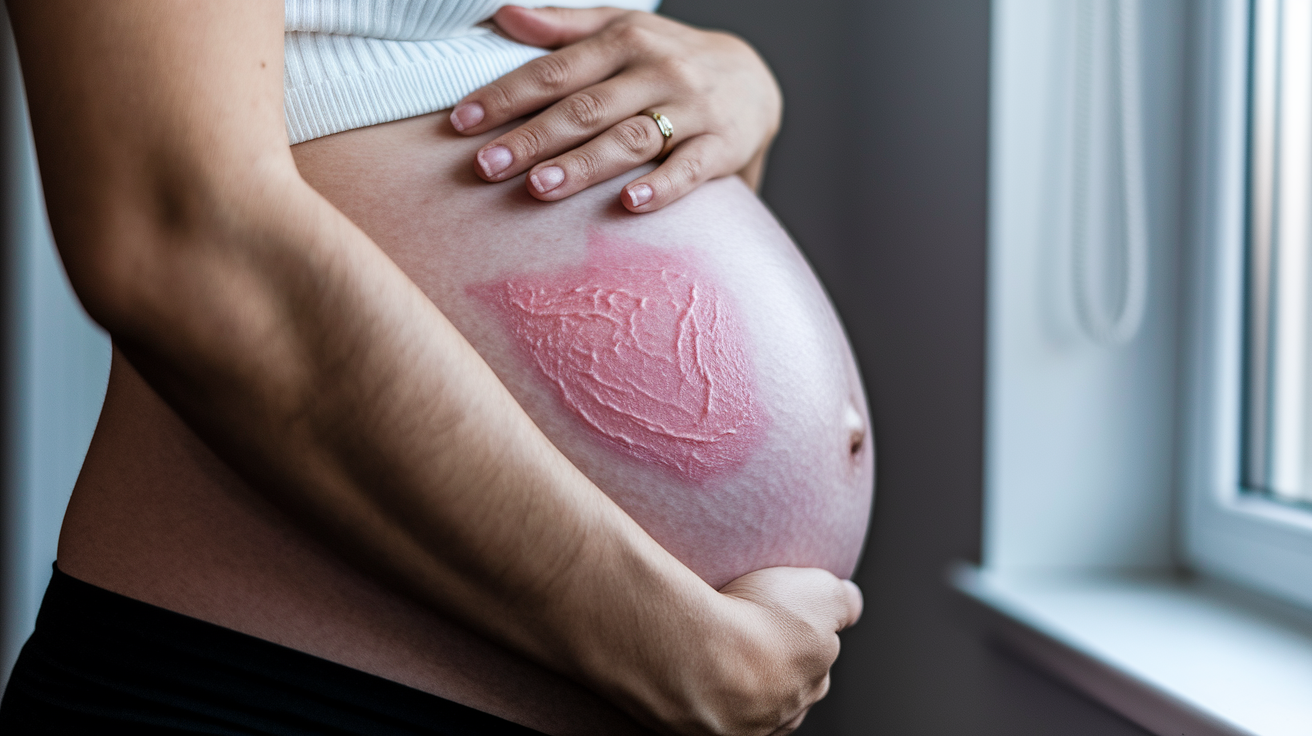
Eczema shows up as dry, rough patches that can thicken, crack, or turn scaly. The itching gets intense, especially at night when you’re trying to sleep. You might see tiny raised bumps that weep clear fluid or bleed when you scratch them, then scab over. Some spots become swollen and raw, others leathery from rubbing.
The color depends on your skin tone. On lighter skin, eczema tends to look pink or red. On darker skin, it can appear purple, grayish, brown, or darker than the skin around it. After a flare calms down, patches may lighten or darken temporarily, leaving discolored spots even when the active rash is gone.
Watch for signs of infection. If your skin starts leaking a lot of clear or cloudy fluid, develops red streaks radiating from a patch, forms thick yellow or honey colored scabs, or oozes pus, you may have an infection. Skin infections during pregnancy need quick treatment, so contact your clinician the same day if you notice those changes.
Why Pregnancy Triggers or Worsens Eczema
Pregnancy shifts your hormones and immune system in ways that can wake up eczema or make existing eczema flare. Your body ramps up estrogen and progesterone throughout pregnancy, and those hormones nudge your immune system from a Th1 state toward a Th2 state. That shift helps your body tolerate the fetus, but Th2 cells also drive allergic and inflammatory reactions, the same pathways that fuel eczema.
Research shows more than half of pregnant people with a history of eczema experience worsening symptoms during pregnancy. About 60 to 80 percent of people who develop eczema for the first time while pregnant had no prior history at all. Flares can start at any point in the nine months, but many people notice them picking up in the second trimester or appearing shortly after delivery.
Everyday triggers also matter. Fragrances in lotions or laundry detergent, harsh soaps, wool or synthetic fabrics, jewelry with nickel, pet dander, dust mites, cold or damp weather, stress, air pollution, and tobacco smoke can all irritate skin that’s already sensitive. Pregnancy doesn’t create those triggers, but the immune changes can lower your threshold so things that never bothered you before suddenly cause a flare.
How Eczema During Pregnancy Differs From Other Pregnancy Rashes
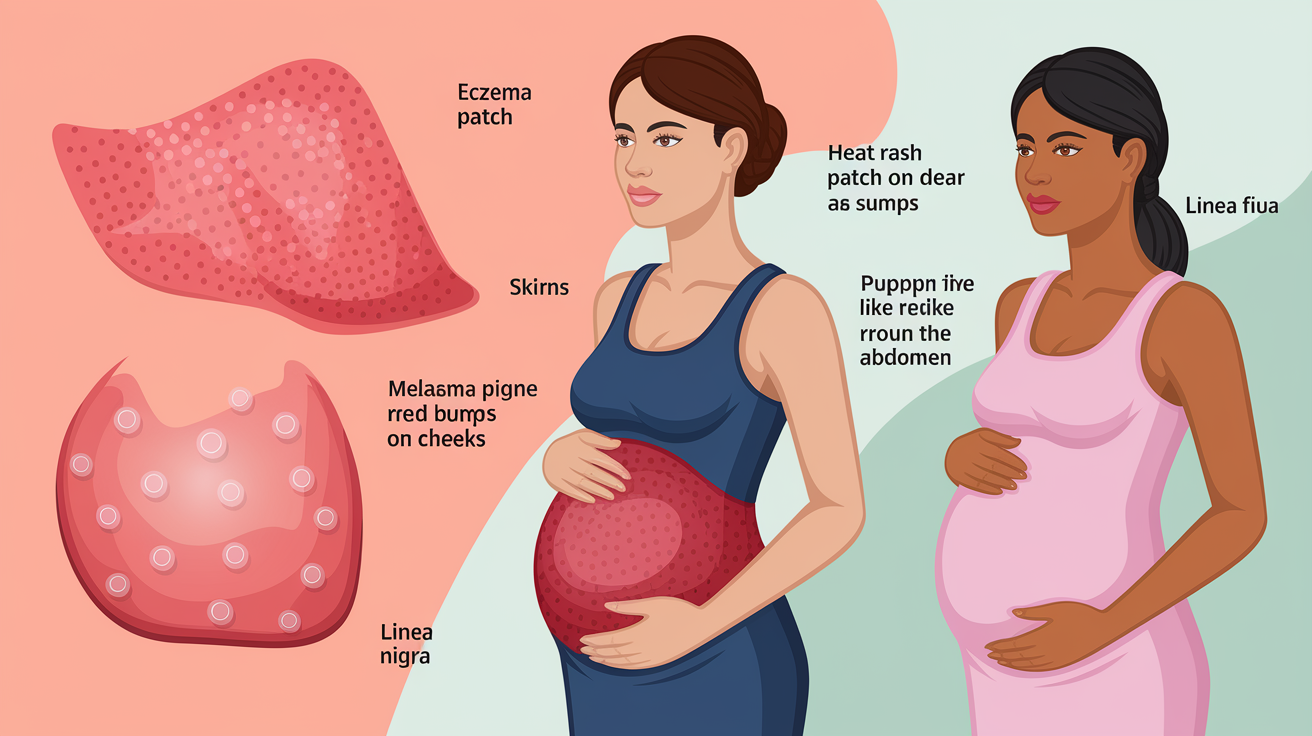
Other rashes can crop up during pregnancy. It helps to know what’s what. Heat rash appears as small, clear or flesh colored bumps in sweaty areas like skin folds, armpits, or under the belly. It usually clears up when you cool down and wear looser clothing. Melasma is a darkening of facial skin, usually on the cheeks, forehead, or upper lip, caused by hormone driven pigment changes. It doesn’t itch or weep.
PUPPP (pruritic urticarial papules and plaques of pregnancy) is an intensely itchy rash that often starts on stretch marks on the abdomen in the third trimester and spreads to the thighs and arms. It looks like hive like red bumps and usually resolves after delivery. Linea nigra is a harmless dark vertical line that appears on the belly. Stretch marks are pink, red, or purple streaks where skin stretches quickly, common on the belly, breasts, hips, and thighs.
Pregnancy acne shows up as pimples, blackheads, or cysts on the face, chest, or back, without the dry, scaly texture of eczema. If you’re not sure whether your rash is eczema or something else, take a photo and send it to your clinician or schedule a visit. Getting the right diagnosis matters because some pregnancy rashes need different care.
How Pregnancy Affects People With Eczema Differently
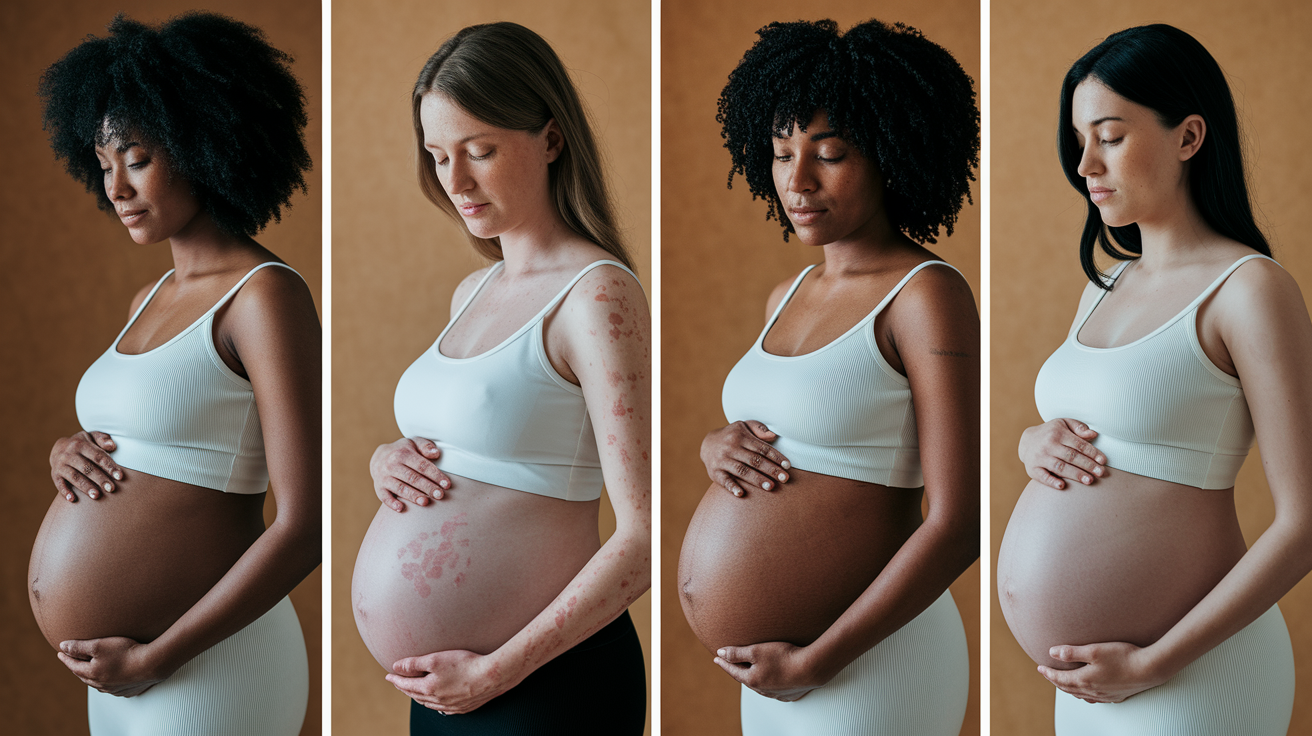
Some people see their eczema calm down during pregnancy. About 25 percent experience improvement. Others get worse, and a smaller group notices no change at all. The timing varies widely. One person might develop widespread, oozing patches in the second trimester. Another might sail through pregnancy only to have a severe flare a few months into breastfeeding.
Real examples show how unpredictable it can be. One 28 year old reported intense itching that led to scratching until her skin bled, painful cracks at the corners of her mouth and earlobes, swollen eyelids, and a staph infection on top of the eczema. She couldn’t sleep and struggled to care for herself. Another person at 24 had her first ever eczema flare in the second trimester, with widespread flaking and hives that didn’t respond to moisturizers alone. A third experienced severe eczema a few months postpartum while breastfeeding, despite having no skin issues during the pregnancy itself.
Flares can vary in severity. Some people manage with careful moisturizing and a low potency steroid. Others need phototherapy, short courses of oral steroids, or even biologics when the eczema becomes so severe it threatens maternal health or makes it impossible to function or care for a newborn. The common thread is that eczema during pregnancy is hard to predict, so watching your own pattern and working closely with your dermatologist and OB matters more than trying to guess what will happen.
Safe Topical Treatments: Corticosteroids

Low to medium potency topical corticosteroids are the most commonly prescribed eczema treatment during pregnancy and are generally considered safe when used appropriately. Large reviews have found them effective and well tolerated. They do carry a Pregnancy Category C rating, which means animal studies have shown some risk but human data are limited, so your clinician will weigh benefit against risk and keep the dose and area of application as small as possible.
One practical threshold to know: cumulative use of more than 300 grams of topical steroid during the entire pregnancy has been linked to a slightly higher chance of low birth weight. Most people use far less than that. If you’re using a 30 gram tube every couple of weeks or more, talk with your dermatologist about whether you need to adjust your plan or add other therapies.
Your clinician may teach you a dilution trick to stretch the steroid and reduce total exposure. Mix one part steroid cream with four parts plain moisturizer, so one pea sized dollop of steroid blended with four pea sized dollops of moisturizer, then apply the mixture to your eczema patches. This 4:1 moisturizer to steroid ratio lowers the potency per application while still giving you some anti inflammatory benefit, and it keeps you moisturizing at the same time.
Avoid applying topical steroids to areas that are rapidly expanding, especially your belly and breasts. Steroids can thin the skin and make stretch marks look worse. If you have eczema on your abdomen or chest, ask your dermatologist for a steroid free option for those spots, like a thick barrier cream or a different medication, and save the steroid for eczema on your arms, legs, or other stable areas.
Always check with your OB before starting or continuing a topical steroid prescription. Many dermatologists require written or verbal sign off from your obstetric provider before prescribing, especially for higher potency options or larger body surface areas.
Phototherapy as a Pregnancy Safe Option
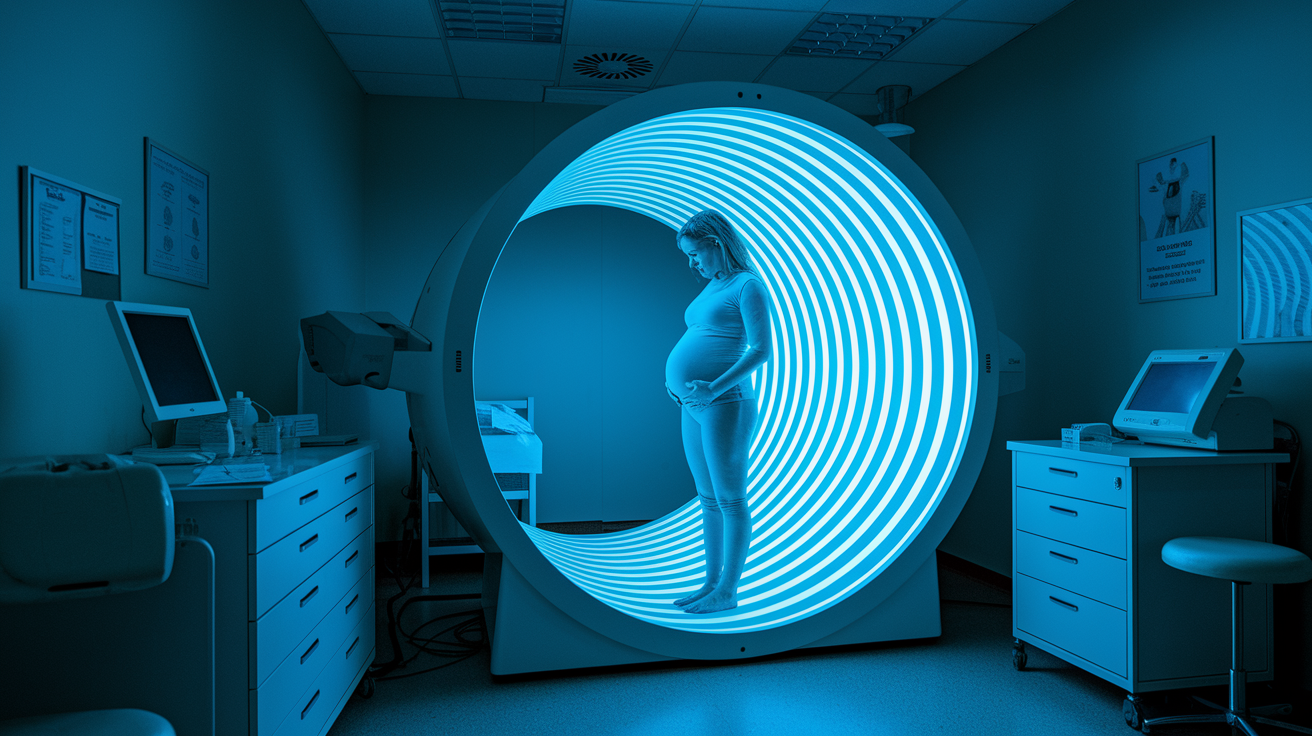
Narrowband UVB phototherapy is considered a safe and effective treatment for moderate to severe eczema during pregnancy. It uses specific wavelengths of ultraviolet B light to calm inflammation without the medications that cross the placenta. Many dermatology offices and some hospital based phototherapy units offer it.
Phototherapy usually requires two or three visits per week for several weeks. You stand in a booth for a few minutes while the light treats your skin. The treatment itself is quick, but the travel and scheduling can be a burden when you’re pregnant and tired.
One thing to know: phototherapy can lower your folate levels. Folate is critical for fetal neural tube development, especially in the first trimester, so most clinicians will recommend that you take a folic acid supplement while undergoing phototherapy. If you’re already taking a prenatal vitamin with folic acid, ask your provider whether the dose is sufficient or whether you need extra.
PUVA, which combines psoralen medication with UVA light, is not considered safe during pregnancy and should be avoided. Stick with narrowband UVB if you and your clinician decide phototherapy is the right move.
Systemic Medications: When and How They’re Used

Systemic treatments, medications that work throughout your whole body, are generally avoided during pregnancy unless your eczema is so severe that it threatens your health or your ability to care for yourself or your baby. Untreated severe eczema can lead to widespread skin infection, dangerous sleep deprivation, severe anxiety or depression, and malnutrition if you can’t eat or function normally.
Oral corticosteroids, like prednisone, are sometimes used for short rescue courses when a severe flare needs to be brought under control quickly. Some people receive corticosteroid injections for temporary relief. These can work, but they come with risks including gestational diabetes, high blood pressure, and preterm birth if used frequently or at high doses, so they’re reserved for serious situations and kept as brief as possible.
Biologic medications, especially dupilumab, have been considered in pregnancy when severe, uncontrolled eczema has not responded to safer treatments and poses a clear risk to maternal or fetal health. One reported case described about five months of clear skin on a biologic, though the patient experienced intolerable side effects and had to stop. Biologics are newer, and pregnancy data are still limited, so decisions are made case by case after detailed discussion between the patient, dermatologist, and OB.
Immunosuppressants like cyclosporine have been linked to higher rates of preterm birth and low birth weight and are generally not recommended during pregnancy. If you were on cyclosporine or another systemic immunosuppressant before pregnancy, work with your dermatology team to transition to a safer option before you conceive or as soon as you know you’re pregnant.
JAK inhibitors (upadacitinib and abrocitinib) and methotrexate are not safe during pregnancy and must be stopped. If you’re on any of these medications and planning to get pregnant, talk with your clinician about timing and safe alternatives.
The key message: systemic treatments are not off the table, but they require specialist coordination, careful risk benefit discussion, and close monitoring. Don’t hesitate to ask for a second opinion or a referral to a maternal fetal medicine specialist if your eczema is severe and your care team is weighing systemic options.
Topical Calcineurin Inhibitors and Other Steroid Alternatives

Topical calcineurin inhibitors, tacrolimus (Protopic) and pimecrolimus (Elidel), are non steroid prescription creams that reduce inflammation. They’re often used on the face, eyelids, and skin folds where long term steroid use can cause thinning or other problems. Both are Pregnancy Category C, meaning safety data in pregnant people are limited.
A 2007 review suggested that these medications might be relatively safe when used in small amounts on limited areas, but there still isn’t strong evidence. Because of that uncertainty, many clinicians avoid prescribing them during pregnancy or reserve them for small, hard to treat spots after a thorough discussion with your OB.
If you were using tacrolimus or pimecrolimus before pregnancy and it was controlling your eczema well, don’t just stop without talking to your dermatologist. Suddenly stopping can trigger a rebound flare. Your clinician can help you transition to a safer option or decide whether the benefits of continuing in a limited way outweigh the unknowns.
Moisturizers, Cleansers, and Daily Skin Care

Moisturizing is the foundation of eczema care, pregnant or not, and it’s one of the safest things you can do. Thick, fragrance free creams and ointments create a barrier that holds water in your skin and keeps irritants out. Apply moisturizer within three minutes of getting out of the bath or shower, while your skin is still damp, to lock in moisture.
Use a gentle, low pH, fragrance free, hypoallergenic cleanser. High pH soaps and body washes strip natural oils and make eczema worse. Look for products labeled “for sensitive skin” or “eczema friendly,” and avoid anything with added fragrance, dyes, or alcohol.
Keep showers and baths short, five to ten minutes, and use lukewarm water, not hot. Hot water feels soothing in the moment but dries your skin out fast. Pat yourself dry with a soft towel instead of rubbing, then apply moisturizer right away.
Wash your clothes, sheets, and towels in a fragrance free, dye free detergent, and run an extra rinse cycle to remove all the soap residue. Wash new clothes before wearing them to remove manufacturing chemicals and fabric finishes. Cut out scratchy tags and choose loose, breathable cotton clothing over wool, polyester, or other synthetics.
Keep your nails short and smooth so you do less damage if you scratch in your sleep. Some people find that wearing soft cotton gloves at night helps. If itching wakes you up, try a cool, damp washcloth or a wrapped ice pack on the itchy spot for a few minutes instead of scratching.
Managing Triggers and Environmental Irritants

Eczema triggers are personal, but some are common enough that it’s worth checking them off a list. Fragrances in lotions, candles, air fresheners, laundry products are frequent culprits. Switch to fragrance free versions of everything that touches your skin or your clothes.
Nickel, a metal in some jewelry, belt buckles, and bra hooks, can cause flares in nickel sensitive people. If you notice eczema or itching where metal touches your skin, try hypoallergenic jewelry or cover metal fasteners with fabric or clear nail polish.
Dust mites live in bedding, upholstered furniture, and carpets. Wash your sheets weekly in hot water, use dust mite proof covers on pillows and mattresses, and vacuum regularly with a HEPA filter. If you have pets and notice flares after contact, keep them out of your bedroom and wash your hands after petting them.
Cold, dry air and sudden swings in temperature or humidity can trigger flares. Use a humidifier in winter if your indoor air is dry, and dress in layers so you can adjust when you move between heated buildings and cold outdoors. Avoid overheating. Skip saunas, hot yoga, and very hot baths. Sweating can irritate eczema, so try to stay cool and dry.
Stress doesn’t directly cause eczema, but it lowers your threshold for flares and makes itching harder to ignore. Pregnancy is stressful enough without adding eczema on top, so whatever helps you feel calmer (short walks, stretching, a few minutes of slow breathing, talking with a friend, asking for help) can indirectly help your skin.
Antihistamines and Over the Counter Options
Antihistamines can reduce itching, especially at night, and some are considered safe during pregnancy. But not all antihistamines have the same safety profile, and some carry risks, so check with your OB or pharmacist before taking anything, even if it’s sold over the counter.
Older, sedating antihistamines like diphenhydramine are often considered acceptable in pregnancy for short term use, but they can make you very drowsy. Newer, non sedating antihistamines have less pregnancy data, and some are not recommended. Your clinician can tell you which specific brand and dose are okay for you.
Some people find that a cool bath with colloidal oatmeal or baking soda helps soothe itching. Plain petroleum jelly or thick emollient creams can provide relief without any active medication. These are generally safe, but if you’re adding anything new to your routine, even something that seems harmless, mention it to your provider.
Vitamin D and Nutritional Considerations
Low vitamin D levels have been linked with more severe eczema in some studies, and pregnancy increases your vitamin D needs for bone health and immune function. Ask your OB to check your vitamin D level if you haven’t had it tested recently. If it’s low, a supplement may help your overall health and possibly your skin, though the evidence for eczema improvement is not definitive.
There’s no strong evidence that changing your diet (cutting out dairy, gluten, eggs, or other foods) will improve eczema during pregnancy unless you have a known food allergy. Restrictive diets can make it harder to get the nutrients you and your baby need, so talk with your provider or a dietitian before eliminating whole food groups.
Probiotic supplements, especially Lactobacillus or Acidophilus strains, have been studied for preventing eczema in infants when taken by the pregnant or breastfeeding parent. Some studies showed a possible reduction in infant atopic dermatitis, but results are mixed and more research is needed. If you’re interested, ask your OB whether a probiotic is safe and which strain and dose to try.
Breastfeeding has many benefits, but extended breastfeeding has not been shown to prevent eczema in your baby. If you plan to breastfeed and you have eczema on your nipples or areola, work with a dermatologist to find a safe, compatible treatment so you can nurse comfortably.
Herbal Remedies and What to Avoid
Herbal treatments and natural remedies can seem appealing, but many have not been tested for safety in pregnancy, and some are known to be risky. Aloe vera gel and latex, for example, may not be safe during pregnancy and should be discussed with your provider before use.
Other herbal creams, oils, or supplements sold for eczema may contain ingredients that affect hormone levels, uterine tone, or fetal development. Just because something is “natural” does not mean it’s safe when you’re pregnant. Always ask your OB or midwife before trying any herbal or alternative treatment, including teas, tinctures, essential oils, or topical preparations.
When to Contact Your Clinician
Call your dermatologist or OB the same day if you see signs of infection: spreading redness, red streaks coming from an eczema patch, thick yellow or honey colored crusts, pus, or rapidly increasing pain or swelling. Skin infections can worsen quickly and need prompt antibiotic treatment.
Reach out if your eczema is disrupting your sleep to the point that you’re exhausted and struggling to function. Severe sleep deprivation affects your mental health, your pregnancy, and your ability to prepare for and care for a newborn. Your care team can adjust your treatment plan to get you more comfortable.
If over the counter moisturizers and the basic strategies you’ve been trying aren’t helping, or if your eczema is spreading despite treatment, schedule a visit. Don’t wait until you’re miserable. Early intervention usually means simpler, safer treatment.
And if you’re ever unsure whether a symptom is normal, whether a product is safe, or whether you should be worried, ask. It’s okay to get checked if you’re uncertain. Pregnancy is not the time to tough it out or guess.
What Happens After Delivery
Many people notice their eczema changing after delivery. Some see improvement within weeks as hormone levels shift back. Others have persistent flares or new outbreaks, especially during the postpartum period and while breastfeeding, when sleep deprivation, stress, and continued hormonal fluctuations are high.
If you were on a pregnancy safe treatment plan that worked, you may be able to continue it while breastfeeding, but some medications that were acceptable during pregnancy are not safe during nursing. Talk with your dermatologist and pediatrician before resuming or starting any prescription treatment if you plan to breastfeed.
If your eczema was severe during pregnancy and you needed systemic treatments, your dermatology team will help you transition to a sustainable long term plan postpartum. That might include restarting a biologic, beginning phototherapy, or adjusting topical regimens now that pregnancy restrictions no longer apply.
Keep tracking your symptoms, triggers, and what helps. The more clearly you can describe your pattern (when flares happen, what makes them better or worse, how your skin responds to treatments) the more efficiently your clinician can adjust your care.
Understanding Your Baby’s Risk and What You Can Do
If you have eczema, your child has a higher chance of developing it, especially if your partner also has eczema or other atopic conditions like asthma or hay fever. If both parents have eczema, the risk is about 50 percent. If one parent has it, the risk is lower but still elevated compared with families with no atopic history.
Genetics are only part of the picture. Environmental factors matter, too. Some research has found higher eczema rates in urban areas and places with more air pollution compared with rural settings. Climate, exposure to tobacco smoke, chemicals in clothing and household products, and early life allergen exposure also play a role.
Some studies have suggested that moisturizing infants daily, starting in the first weeks of life, may help prevent or reduce the severity of eczema, but the evidence is not strong enough to make it a universal recommendation. It’s a low risk strategy, though, so if you want to try it, ask your pediatrician for guidance on choosing a safe, fragrance free infant moisturizer and how often to apply it.
There’s no convincing evidence that changing your diet during pregnancy or breastfeeding, or restricting your baby’s diet, will prevent eczema. Exclusive breastfeeding for the first few months has many benefits, but it has not been proven to prevent eczema.
If your baby does develop eczema, early and consistent treatment can prevent complications, reduce discomfort, and improve sleep for the whole family. Work with your pediatrician or a pediatric dermatologist to build a care plan, just as you did for yourself.
Tracking Your Symptoms and Building a Clear Story
One of the most useful things you can do is keep a simple log of your eczema. You don’t need a fancy app or a detailed journal. Just jot down when flares start, where they are, what they feel like, and what you think might have triggered them. Note what you tried and whether it helped.
Track timing, too. Did the flare start after you switched laundry detergent? After a stressful week? When the weather turned cold and dry? After you ate a certain food or used a new lotion? Patterns become visible over time, and that information helps your clinician make faster, better decisions.
If you’re seeing both a dermatologist and an OB, bring your symptom log to every visit and share it with both providers. Write down the names and doses of anything you’re using (prescriptions, over the counter creams, supplements) and update the list whenever something changes. Clear communication between your providers reduces the chance of conflicting advice or unsafe combinations.
When you call or message your clinician, describe what’s happening in concrete terms. Instead of “my eczema is bad,” try “I have three new patches on my inner elbows that are oozing clear fluid, and I’ve been scratching them until they bleed at night.” Specific details get faster, more targeted help.
Coping With the Emotional and Physical Load
Eczema during pregnancy is exhausting. The itching disrupts sleep. The appearance of your skin can make you self conscious. The constant need to moisturize, avoid triggers, and manage treatments adds one more thing to an already overwhelming time. It’s normal to feel frustrated, anxious, or worn down.
Ask for help. If your partner, a family member, or a friend can take over some tasks (cooking, laundry, errands) so you have time to rest and care for your skin, let them. If the itching and discomfort are affecting your mood or your ability to enjoy your pregnancy, talk with your OB or a counselor. Pregnancy related anxiety and depression are common and treatable, and severe eczema can make them worse.
Some people find that connecting with others who have eczema during pregnancy (through online communities, support groups, or even a friend who’s been through it) reduces the feeling of being alone with the problem. Hearing that someone else also had to dilute their steroid cream, wear cotton gloves to bed, and coordinate three specialists just to get their skin under control can be oddly reassuring.
Remember that managing eczema during pregnancy is not about perfection. It’s about keeping yourself as comfortable and healthy as possible so you can sleep, function, and get ready for your baby. Some days will be better than others. That’s expected.
Coordinating Care Between Specialists
Your dermatologist understands eczema. Your OB or midwife understands pregnancy. You need both, and they need to communicate with each other. Make sure each provider knows what the other has prescribed or recommended.
When your dermatologist suggests a new treatment, ask them to confirm that your OB has signed off on it before you start. When your OB recommends a cream or medication for another pregnancy symptom, mention it to your dermatologist to make sure it won’t interfere with your eczema care or trigger a flare.
If you’re seeing a high risk OB or a maternal fetal medicine specialist because of other pregnancy complications, loop them into your eczema treatment plan, too. Some treatments for pregnancy complications can dry your skin or make eczema worse, and knowing your full picture helps everyone adjust.
Keep copies of your treatment plan, medication list, and symptom log in one place (on your phone, in a small notebook, or in a folder) so you can share them quickly at any appointment. If you end up in urgent care or the emergency department for any reason, having that information ready can prevent delays or unsafe decisions.
Building a Sustainable Routine That Works
Managing eczema during pregnancy requires a routine, but it has to be one you can actually keep up with. If your treatment plan is so complicated or time consuming that you skip steps or give up, it won’t work.
Start with the basics that have the biggest impact: moisturize right after every shower, use gentle fragrance free products, avoid your known triggers, and keep your skin cool and dry. Those steps alone can prevent a lot of flares.
Add prescription treatments as directed, but keep them simple. If you’re supposed to apply a steroid cream twice a day, set a phone reminder. If you’re diluting it with moisturizer, pre mix a small batch in a clean container so you don’t have to measure every time.
If phototherapy is part of your plan, build the appointments into your weekly schedule like prenatal visits. If you’re taking a supplement or medication, link it to something you already do every day (brushing your teeth, eating breakfast, taking your prenatal vitamin).
And if something in your routine isn’t working (if a moisturizer stings, if a medication isn’t helping, if the schedule is too hard to follow) tell your clinician. There’s almost always another option, and your provider would rather adjust the plan than have you quietly stop following it.
Final Words
Start by watching and writing down what you notice—when the itch or rash appeared, where it is, and what makes it worse. That action helps you and any clinician make sense of the pattern.
This post covered common triggers, gentle self-care to try first, what not to do, and the red flags that mean you should seek same-day care. Keep a short symptom log so you can tell a clear story.
If you’re facing an eczema flare during pregnancy, it’s okay to ask for help. With simple steps and support, many people get better control and feel more comfortable.
FAQ
Q: What is the 3 minute rule for eczema?
A: The 3 minute rule for eczema is to apply moisturizer within three minutes after bathing to lock in moisture, pat skin gently dry first, and use a gentle, fragrance-free emollient.
Q: How to reduce eczema flare up?
A: To reduce eczema flare ups, identify and avoid triggers, use daily gentle moisturizers, take short lukewarm showers, avoid harsh soaps, manage stress, and see a clinician if flares continue.
Q: How to get rid of eczema when pregnant?
A: To manage eczema during pregnancy, use gentle moisturizers, short lukewarm baths, fragrance-free products, avoid known triggers, and check with your prenatal clinician before starting new creams or medicines.
Q: Why is nothing helping my eczema?
A: If nothing seems to help your eczema, it could be missed triggers, inconsistent care, infection, or a contact allergy—see your clinician for review, possible testing, or stronger treatments if symptoms persist or worsen.