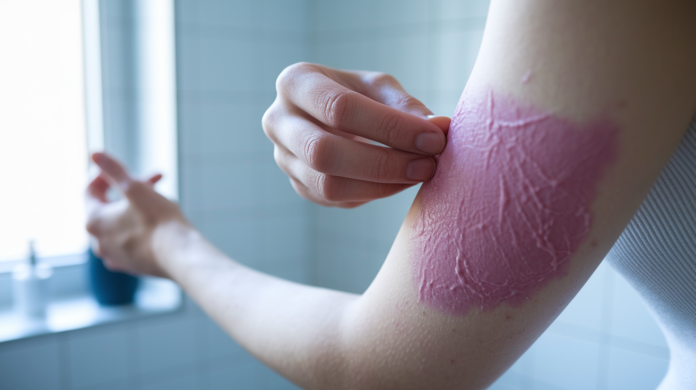

What if your eczema flare won’t heal no matter what you try?
That stuck, itchy, cracked rash usually means something is actively blocking skin repair, like a hidden irritant, an infection, or a missed step in your routine.
In this post you’ll learn the most common reasons flares hang on, simple checks to do at home, safe self-care that often helps, and clear signs that mean it’s time to see a clinician.
By the end you’ll have a short plan to test, track, and start fixing the problem.
Why Your Eczema Isn’t Healing
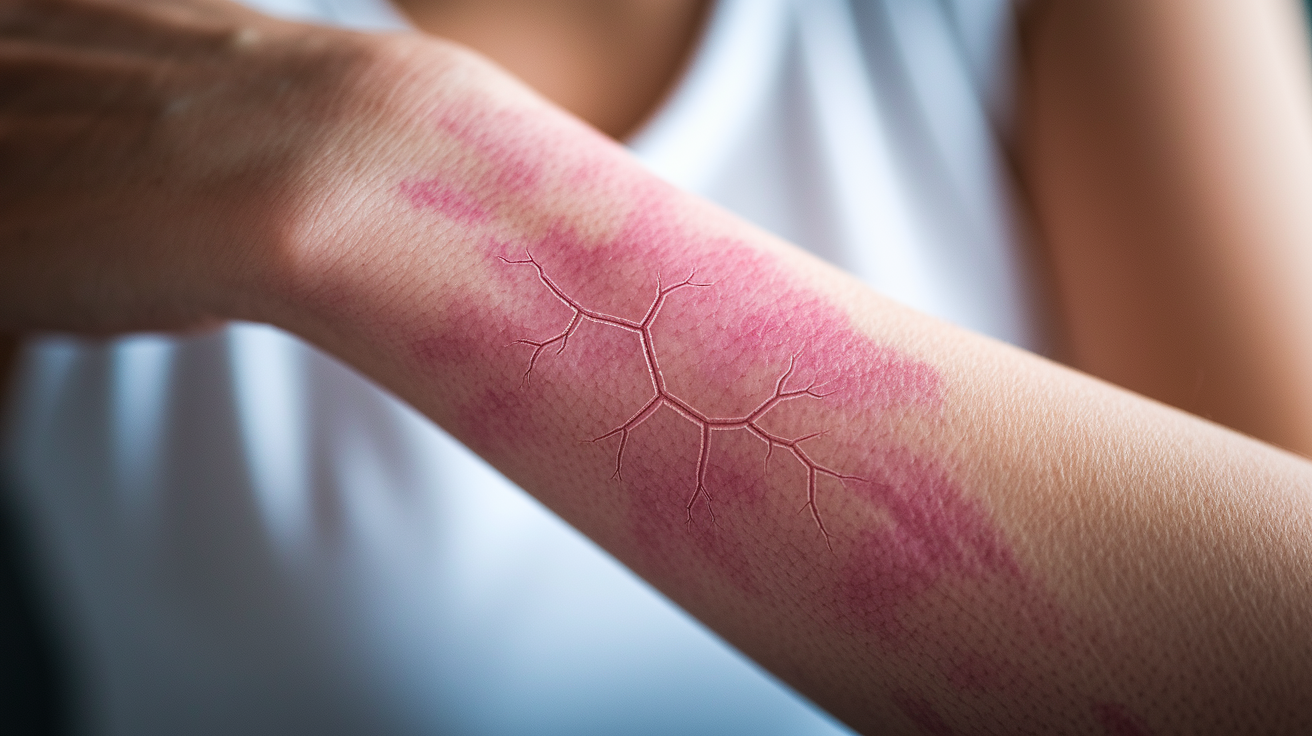
An eczema flare is considered persistent when symptoms don’t improve after 7 to 14 days of basic care. Regular moisturizing, topical anti-inflammatory use, avoiding triggers. When a flare lingers, it usually means something’s actively interfering with healing. The most common culprits are ongoing exposure to irritants, hidden allergens, or skin infection. Sometimes the problem is simply that the skin barrier has been damaged so severely that it can’t rebuild itself without extra help.
Many people follow the right steps but still see no progress because of small missteps in execution. Using moisturizer only once a day instead of at least twice daily, taking long hot showers that strip natural oils, or choosing products that contain fragrance or alcohol can all delay healing. Stress is another factor that doesn’t always feel relevant, but it directly affects immune function and can prolong inflammation. Even the time of day you apply medication matters, since nighttime is when itching often spikes and scratching undoes progress.
A persistent flare can also be a sign that the diagnosis isn’t straightforward. Contact dermatitis from nickel jewelry, scabies, or psoriasis can all look like eczema but require different treatment. If your skin’s been inflamed for weeks and you’re doing everything correctly, it’s time to review what might be actively working against healing.
Top 6 reasons your eczema flare won’t heal:
Ongoing allergen or irritant exposure. Dust mites, fragrances, harsh detergents, or new products you haven’t connected to the flare.
Secondary infection. Bacteria like Staphylococcus, or rarely, viral or fungal infection.
Incorrect use of topical steroids. Underdosing, wrong potency, or applying over thick moisturizer instead of directly to inflamed skin.
Inadequate moisturizing. Applying emollient only once a day, or skipping the step of moisturizing within 3 minutes after bathing.
Chronic stress. Which activates immune pathways that keep inflammation active.
Environmental dryness or heat. Low humidity in winter or sweating in hot climates without proper barrier protection.
Signs Your Eczema May Be Infected
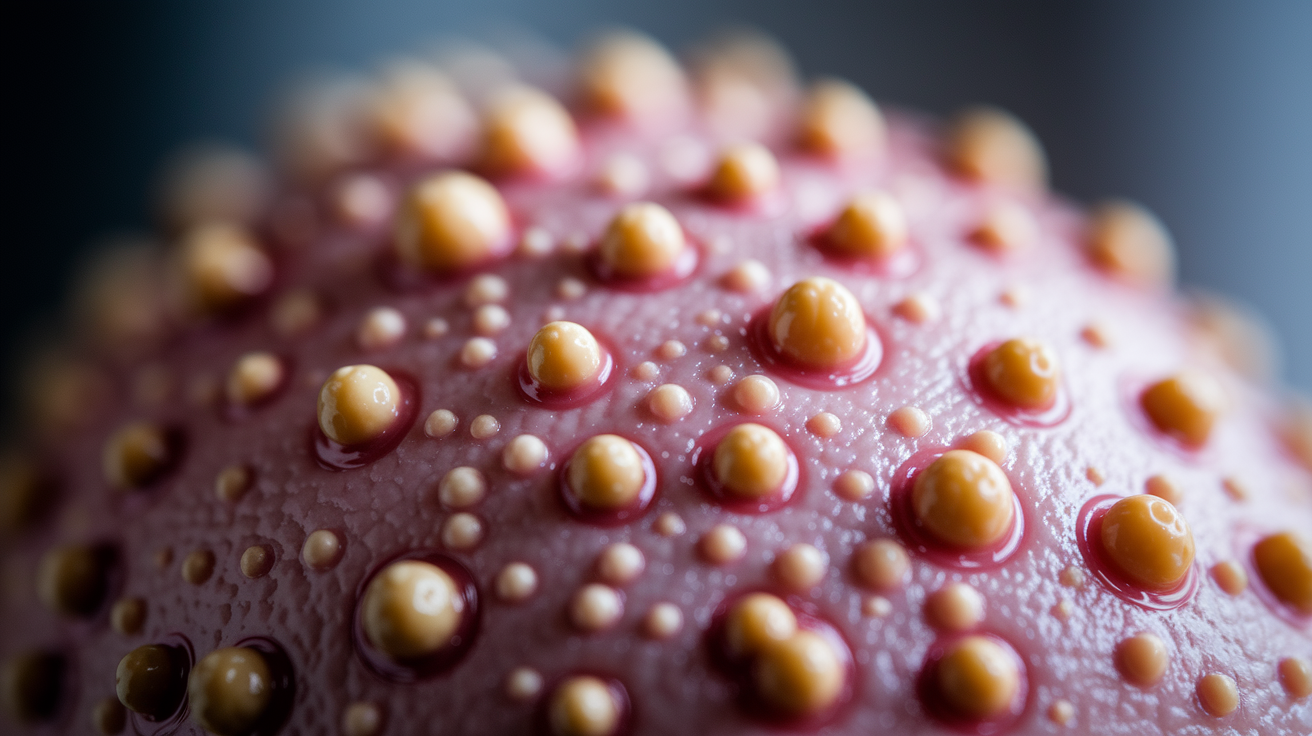
Eczema creates small breaks in the skin barrier that bacteria love. Staphylococcus aureus is the most common invader. When bacteria move in, a flare that was already uncomfortable becomes actively worse. Infection changes the character of the rash, the level of pain, and how quickly it spreads. If you suspect infection, don’t wait to contact a clinician. Bacterial skin infections can move from surface level to deeper tissue fast, especially if you’re scratching and spreading bacteria to new areas.
Infected eczema looks and feels different from a standard flare. The skin may start oozing clear or cloudy fluid, then develop golden or honey colored crusts. You may notice new pustules, or small pus filled bumps that weren’t there before. The area often becomes more swollen, warmer to the touch, and significantly more painful rather than just itchy. If you develop fever or feel unwell, that’s a sign the infection may be spreading beyond the skin.
Four signs your eczema is infected:
Honey colored or yellow crusting on the surface of the rash.
New pustules or areas that are actively oozing pus or cloudy fluid.
Sudden increase in redness, warmth, swelling, or pain at the site.
Fever, chills, or feeling sick, especially if the red area is spreading quickly.
Treatments That Help When Standard Eczema Care Fails
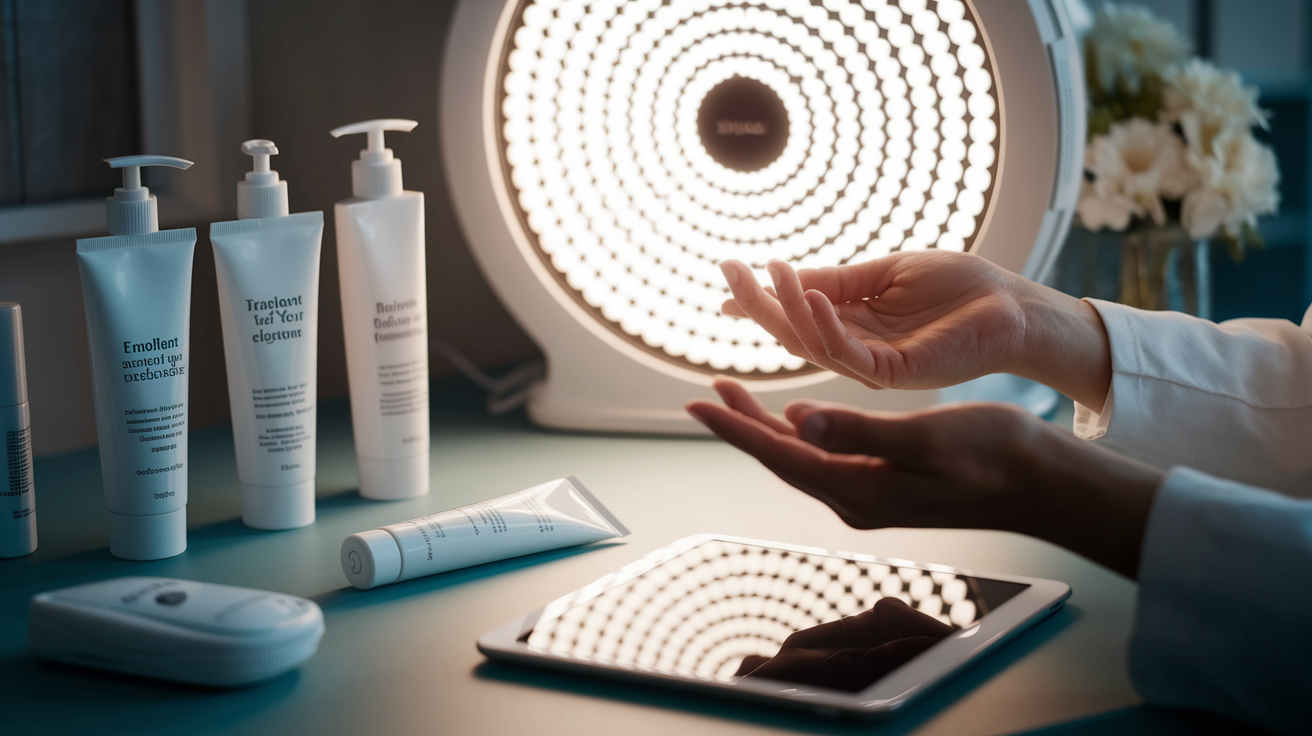
When daily moisturizing and over the counter anti-itch creams aren’t enough, it’s time to escalate. The next step often involves prescription strength topical corticosteroids, chosen based on where the eczema is and how thick or stubborn the patches have become. Face and skin fold areas need low potency options. Thick, scaly patches on arms or legs may require medium or high potency for a short course. Most people notice improvement within 3 to 7 days, but it’s important to follow the schedule your clinician gives you. Stopping too soon or using steroids inconsistently can cause rebound flares.
For areas where long term steroid use isn’t safe, topical calcineurin inhibitors like tacrolimus or pimecrolimus are steroid sparing alternatives. These work more slowly, often taking 1 to 2 weeks to show benefit, but they don’t thin the skin and can be used on the face, eyelids, and skin folds. Another option is crisaborole, a topical PDE4 inhibitor that reduces inflammation without steroid side effects. If large areas of your body are affected or the itch is disrupting your sleep, wet wrap therapy can bring fast relief. This involves applying emollient or prescribed medication, then wrapping the area in damp cotton layers covered by a dry layer for several hours or overnight. Clinical improvement often happens within 24 to 72 hours.
When topical treatments fail and eczema is moderate to severe, systemic options come into play. Phototherapy uses controlled ultraviolet light to calm immune activity in the skin and usually requires sessions two to three times per week for 6 to 12 weeks. Oral immunosuppressants like cyclosporine, methotrexate, or azathioprine are used for short term control or chronic management, but they require regular blood monitoring. Biologics like dupilumab target specific immune pathways and are especially effective for people whose eczema hasn’t responded to anything else. Dupilumab is given as an injection every two weeks, and many patients see noticeable improvement within 2 to 4 weeks, with substantial benefit by 12 weeks. Newer oral JAK inhibitors such as upadacitinib and abrocitinib offer rapid relief, sometimes within days, but they also require monitoring for side effects.
Troubleshooting Hidden Triggers That Keep Eczema Stuck

Sometimes the flare won’t heal because something in your daily routine is quietly inflaming your skin. Fragranced laundry detergent is one of the most common culprits. Even “free and clear” products can contain enzymes or optical brighteners that irritate sensitive skin. If you wash your clothes, towels, and bedding in a product that leaves residue, you’re essentially wrapping yourself in a low grade irritant all day and night. The same goes for fabric softeners and dryer sheets. Switch to truly fragrance free, dye free detergent and skip the softener.
Environmental allergens often fly under the radar. Dust mites thrive in bedding, and their waste particles are potent eczema triggers. Encase your mattress and pillows in allergen proof covers and wash bedding weekly in hot water if possible. Pet dander, mold, and pollen can all keep a flare active even if you’ve never noticed classic allergy symptoms like sneezing. Hot showers feel soothing, but water above body temperature strips the skin’s natural lipid layer. Keep showers short, lukewarm, and under 10 minutes. If you live in an area with hard water, consider a shower filter. Chlorine and mineral deposits can irritate already fragile skin.
Five commonly missed triggers that prolong eczema:
Scented personal care products. Shampoo, conditioner, body wash, lotion, deodorant, or makeup with fragrance or alcohol.
Nickel exposure. Belt buckles, jewelry, phone cases, or laptop edges that touch your skin.
Wool or synthetic clothing. Especially anything that rubs directly against inflamed areas.
Emotional stress. Work pressure, relationship conflict, or inadequate sleep, all of which raise cortisol and weaken skin repair.
Overheating and sweat. Wearing too many layers, exercising in non breathable fabrics, or living in a consistently hot, humid environment without cooling breaks.
When You Should See a Dermatologist

If you’ve been treating your eczema correctly for two to three weeks and it’s still not improving, that’s a clear signal to get professional help. A dermatologist can confirm the diagnosis, check for infection, adjust your treatment plan, and look for hidden triggers you might have missed. Don’t wait if the flare is interfering with sleep or daily activities. Chronic sleep disruption affects your immune system and makes healing even harder. It’s also worth seeing a specialist if you’ve been using topical steroids for weeks without improvement, because prolonged use without results can sometimes mean the wrong potency, incorrect application, or a condition that isn’t eczema at all.
Seek medical evaluation sooner if you see signs of infection. Spreading redness, warmth, pus, honey colored crusts, or fever. Infected eczema needs prompt antibiotic treatment, and delaying care increases the risk of cellulitis or deeper tissue infection. If you develop clusters of painful blisters, especially with fever or feeling unwell, get urgent care. That pattern can indicate eczema herpeticum, a viral complication that requires immediate antiviral medication. Any time your skin is cracking, bleeding heavily, or causing significant emotional distress, it’s okay to ask for help. Persistent eczema is manageable with the right plan.
Final Words
If your eczema flare won’t heal, start with a simple plan. We covered the common reasons flares get stuck, how to spot an infection, what stronger treatments can help, and how hidden triggers keep skin from improving.
Right now, watch for infection signs, simplify your skincare, and track products, stress, and weather that make things worse.
See a dermatologist if it lasts more than 2–3 weeks, has infection signs, or is ruining sleep or daily life.
If your eczema flare won’t heal, it’s okay to get help—most people find better control with a few focused changes.
FAQ
Q: Why is my eczema flare-up not going away?
A: A flare that won’t go away often means ongoing trigger exposure, skin barrier problems, wrong products, or infection. Check moisturizers, avoid irritants, track patterns, and see a clinician if it lasts more than 2 to 3 weeks.
Q: What is the 3 minute rule for eczema?
A: The 3 minute rule for eczema means applying a moisturizer within three minutes after bathing to lock in moisture and help repair the skin barrier. Use a fragrance-free emollient and pat skin gently dry.
Q: What autoimmune disease is associated with eczema?
A: Eczema can be linked with some autoimmune conditions, like alopecia areata or vitiligo in certain people, but most eczema is not autoimmune. If you have other autoimmune symptoms, tell your clinician.
Q: How to calm a severe eczema flare-up?
A: To calm a severe eczema flare-up, gently cleanse, apply generous fragrance-free moisturizer, use cool compresses, avoid scratching, and contact your clinician for prescription options, wet-wrap therapy, or infection evaluation if worsening.