

What if the quickest way to calm a bloated belly is already in your kitchen?
Bloating, that tight, full, gassy feeling, often comes from trapped gas, swallowed air, or your body holding extra fluid, and some foods can help move things along.
This quick guide shows which everyday foods can reduce swelling, support digestion, and rebalance fluids, plus simple combos to try now and what to track before you call a clinician.
No gimmicks, just practical choices to try today and clear signs that mean you should get checked sooner.
Quick Anti‑Bloating Food Guide for Fast Relief
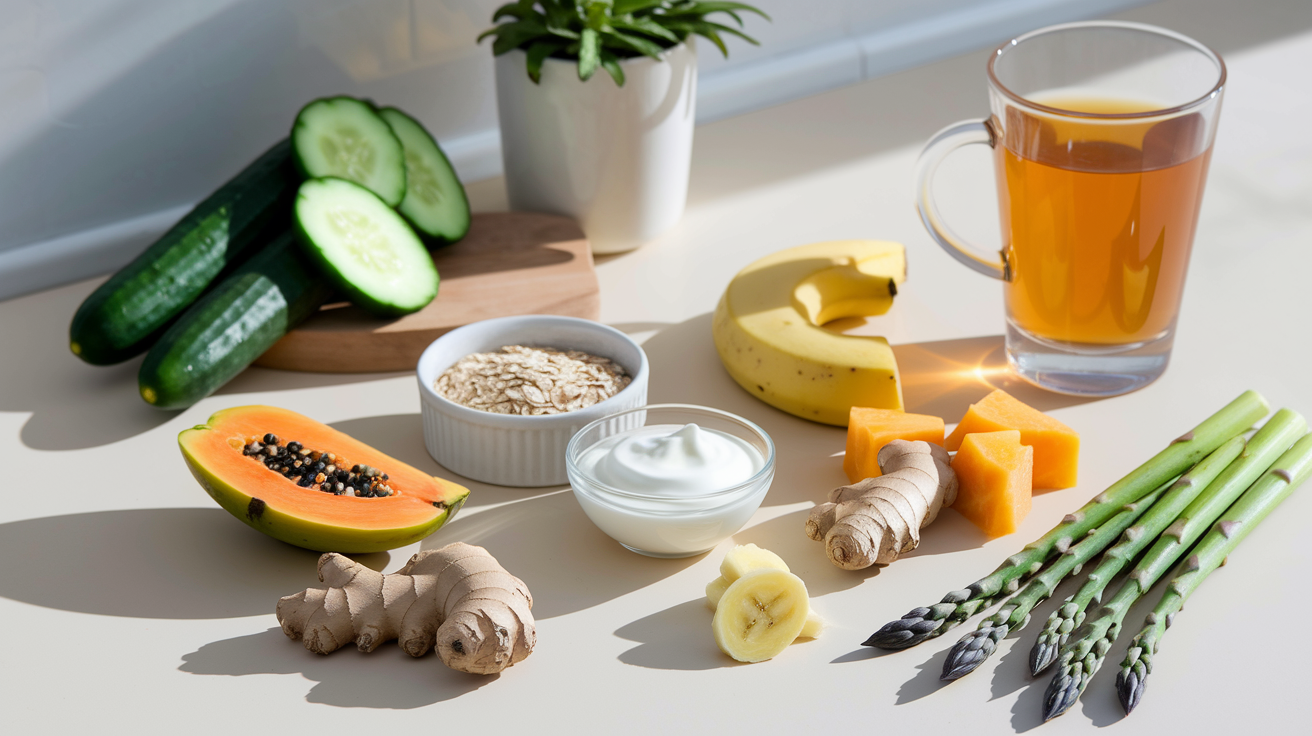
When bloating hits, your body’s telling you something’s up. Trapped gas, swallowed air, or fluid buildup in your digestive tract. Certain foods can help move things along, reduce swelling, and restore balance quickly without needing complicated prep or specialty ingredients.
The fastest relief often comes from foods that gently stimulate digestion, provide electrolytes to balance sodium, or support your gut microbiome without adding extra work. Here’s what to reach for when you need relief now:
- Cucumber – mostly water, helps flush out excess sodium and rehydrate
- Plain yogurt – supports beneficial gut bacteria and can calm digestive upset
- Bananas – provide potassium to counter salt driven bloat and gentle fiber
- Fresh ginger – stimulates movement in the digestive tract and reduces inflammation
- Papaya – naturally supports protein breakdown and can ease fullness
- Pineapple – helps digest heavy meals and reduces discomfort
- Oats – gentle fiber that moves smoothly through your system
- Asparagus – naturally encourages your body to release excess water
Try simple combos like plain yogurt with sliced banana, cucumber sticks with a pinch of salt, or a cup of warm ginger tea after meals. A small bowl of oatmeal topped with berries or a few slices of fresh pineapple can also settle your stomach without adding more gas or heaviness.
Digestive Friendly Probiotic Foods That Help With Bloating
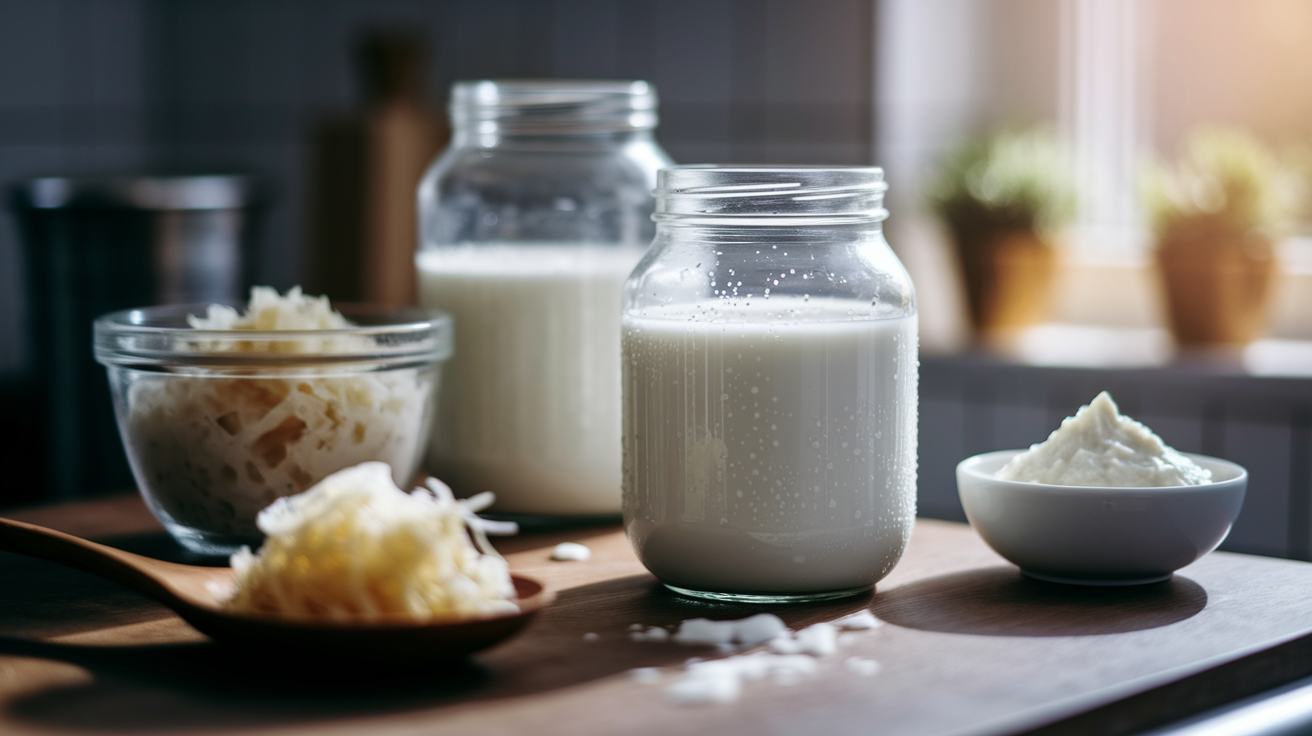
Probiotic foods deliver live beneficial bacteria to your gut, where they help keep your microbiome balanced and reduce the overgrowth of gas producing organisms. When your gut flora is in better balance, fermentation slows down, gas production drops, and bloating often improves within a few days of regular intake.
You don’t need pills or supplements. A small daily serving of naturally fermented foods can shift your digestive comfort noticeably, especially if bloating stems from irregular digestion, recent antibiotic use, or a diet low in diverse plant fibers.
Yogurt
Plain yogurt with live cultures introduces Lactobacillus and Bifidobacterium strains directly into your digestive tract. Start with three quarters to one cup daily, choosing varieties labeled “live and active cultures.” If you’re lactose intolerant, fermentation reduces lactose content somewhat. But many people still react. Watch your own response and switch to dairy free options if bloating worsens.
Kefir
Kefir is a drinkable fermented milk with more bacterial strains than standard yogurt, often including yeasts that further support digestion. Because fermentation breaks down much of the lactose, some lactose sensitive people tolerate kefir better than milk. Try a half cup serving in the morning or blended into a smoothie.
Sauerkraut and Kimchi
Both are fermented cabbage products rich in Lactobacillus. Sauerkraut is simple and mild. Kimchi adds spices and often includes radish or other vegetables. Use them as condiments, a few forkfuls per meal. Choose refrigerated versions from the produce aisle rather than shelf stable jars, which are usually pasteurized and lack live cultures.
Miso
Miso paste, made from fermented soybeans, delivers beneficial bacteria and enzymes. Dissolve one to two tablespoons in warm (not boiling) water for a simple broth, or stir it into salad dressings and marinades. Boiling kills the probiotics, so add miso at the end of cooking.
Low FODMAP Vegetables and Fruits to Reduce Bloating Symptoms
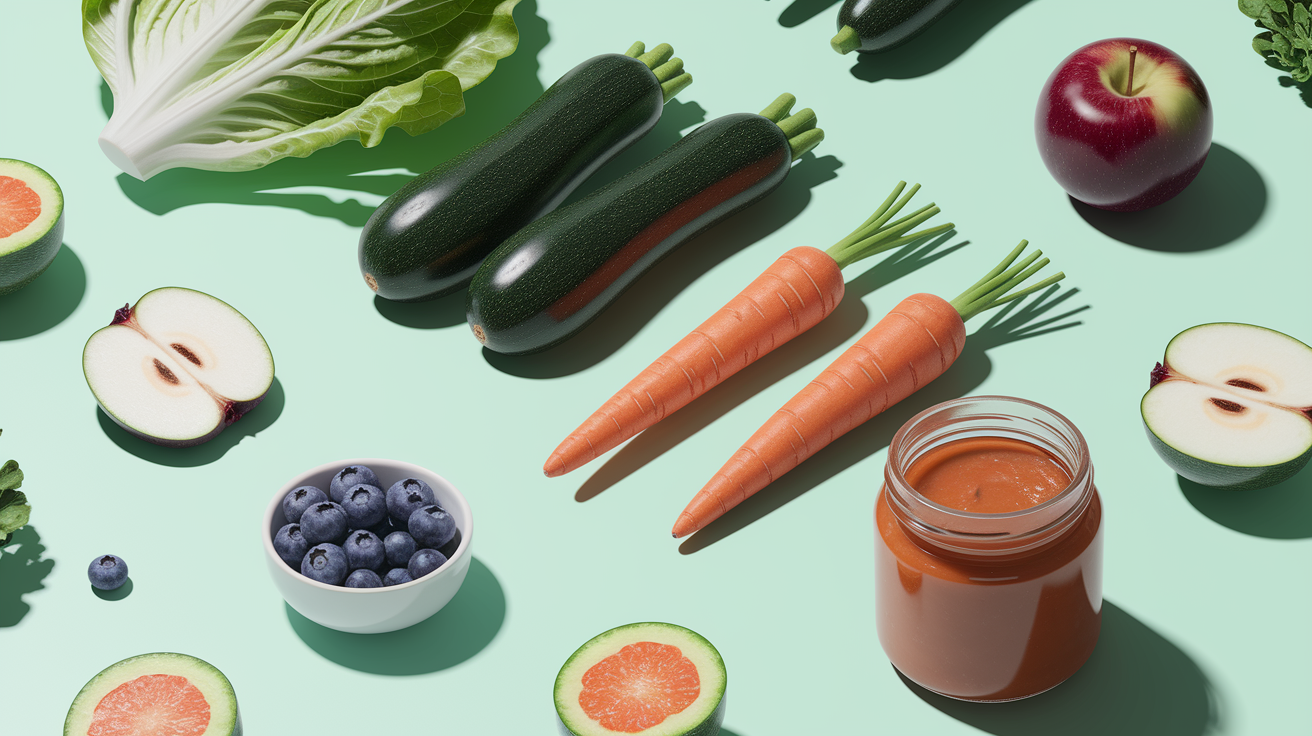
FODMAPs are short chain carbohydrates that resist absorption in the small intestine and travel to the colon, where gut bacteria ferment them into gas. For people with sensitive digestion, high FODMAP foods like onions, garlic, apples, and wheat can trigger significant bloating. Low FODMAP options ferment less and produce less gas.
You don’t need to follow a strict elimination diet to benefit from this category. Simply swapping a few high FODMAP items for gentler alternatives can reduce bloating within a day or two, especially if you’ve noticed patterns around certain foods.
Here are five low FODMAP choices that are widely available and easy to prepare:
- Lettuce and baby spinach – gentle greens that add bulk and nutrients without fermentation. Use raw in salads or lightly wilted.
- Zucchini – mild, low in fermentable sugars. Slice and steam, grill, or spiralize as a pasta substitute.
- Carrots – cooked carrots are easier to digest than raw and remain low FODMAP in moderate portions
- Blueberries – lower in fructose than many other fruits. Stick to a half cup serving to stay within safe limits.
- Unsweetened applesauce – cooking breaks down some of the harder to digest fibers in raw apples. Choose versions without added high fructose corn syrup.
Start by replacing one high FODMAP food per meal and observe whether bloating decreases. If it does, you can gradually expand your list of safe swaps.
Enzyme Rich Foods That Help With Bloating and Digestion
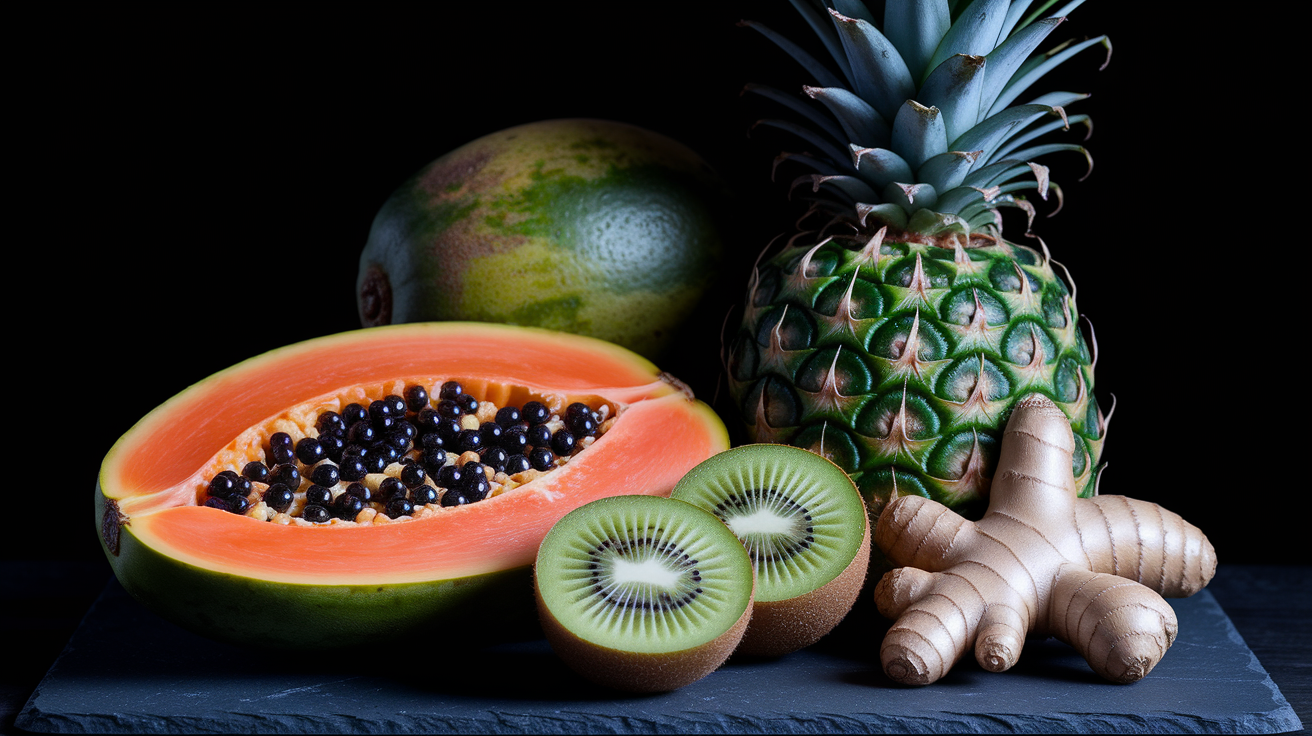
Digestive enzymes break down proteins, fats, and carbohydrates into smaller molecules your body can absorb. When your own enzyme production is sluggish or a meal is unusually heavy, enzyme rich foods can lend a hand, speeding up digestion and reducing the fermentation time that generates gas.
Ginger
Ginger doesn’t provide a digestive enzyme in the same way papaya or pineapple do, but it stimulates the release of your own digestive fluids and promotes rhythmic muscle contractions that move food through your stomach and intestines. Grate fresh ginger into hot water for tea, slice it into stir fries, or chew a small piece of candied ginger after a large meal. Start with a thumbnail sized portion to avoid heartburn if you’re sensitive.
Papaya
Papaya contains papain, an enzyme that breaks down protein chains into amino acids. This is especially helpful after meals with meat, eggs, or dairy. Eat half a cup of fresh papaya chunks as dessert or blend it into a smoothie. Canned or heavily processed papaya loses most enzyme activity, so choose ripe, fresh fruit.
Pineapple
Bromelain, the enzyme in pineapple, also targets proteins and can reduce post meal heaviness and bloating. Fresh pineapple works best. Canning and heating destroy bromelain. A half cup serving after a protein heavy meal can ease digestion. Avoid pineapple if you have mouth sores or a sensitive stomach lining, as the enzyme and acidity can irritate.
Kiwi
Kiwi contains actinidin, which helps digest proteins and has been studied for its role in easing bloating after dairy or meat meals. Eat one or two peeled kiwis as a snack or slice them into yogurt. The fuzzy skin is edible and adds fiber, but peel it if texture bothers you.
Hydrating Foods That Help With Bloating and Water Retention
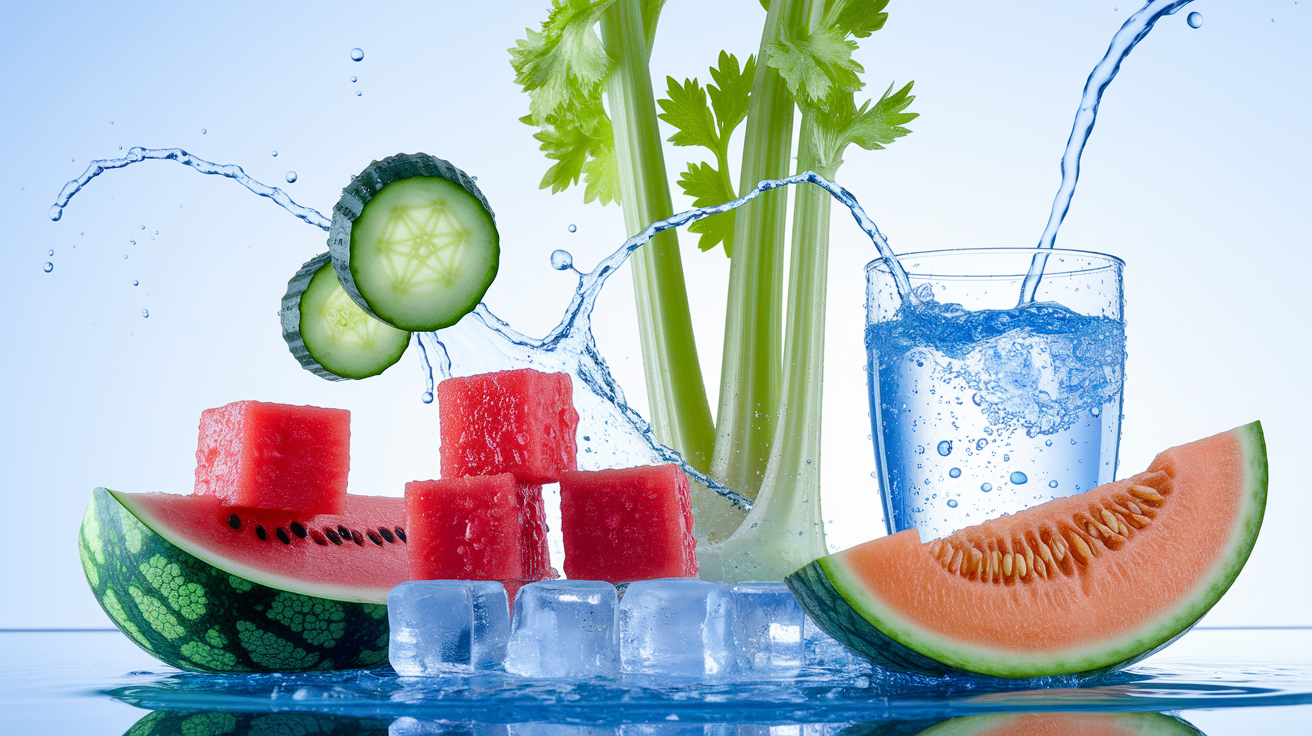
It sounds backward, but dehydration can worsen bloating. When your body senses low water intake, it holds onto sodium and fluid, creating puffiness and discomfort. Water rich foods rehydrate you while delivering electrolytes that help your kidneys flush excess sodium and reduce retention.
Eating hydrating produce also provides gentle fiber and nutrients without adding concentrated sugars or salt that can backfire. These foods work especially well after salty meals, during hot weather, or when you’ve been sweating.
High water foods that ease bloating include:
- Cucumber – about 95% water with small amounts of silica and caffeic acid that reduce swelling. Eat raw in salads or as sticks with hummus.
- Watermelon – roughly 91% water, plus potassium and a touch of natural sugar for quick hydration. Serve chilled in cubes or blended into a refreshing drink.
- Celery – mostly water with natural compounds that encourage your body to release excess fluid. Eat raw stalks or juice them for a concentrated diuretic effect.
- Cantaloupe – hydrating and rich in potassium, which helps balance sodium. Enjoy fresh slices as a snack or in fruit salads.
Start your day with a big glass of water and include one or two of these foods at each meal. You should notice less puffiness and easier digestion within 24 hours.
Gut Friendly High Fiber Foods That Ease Bloating
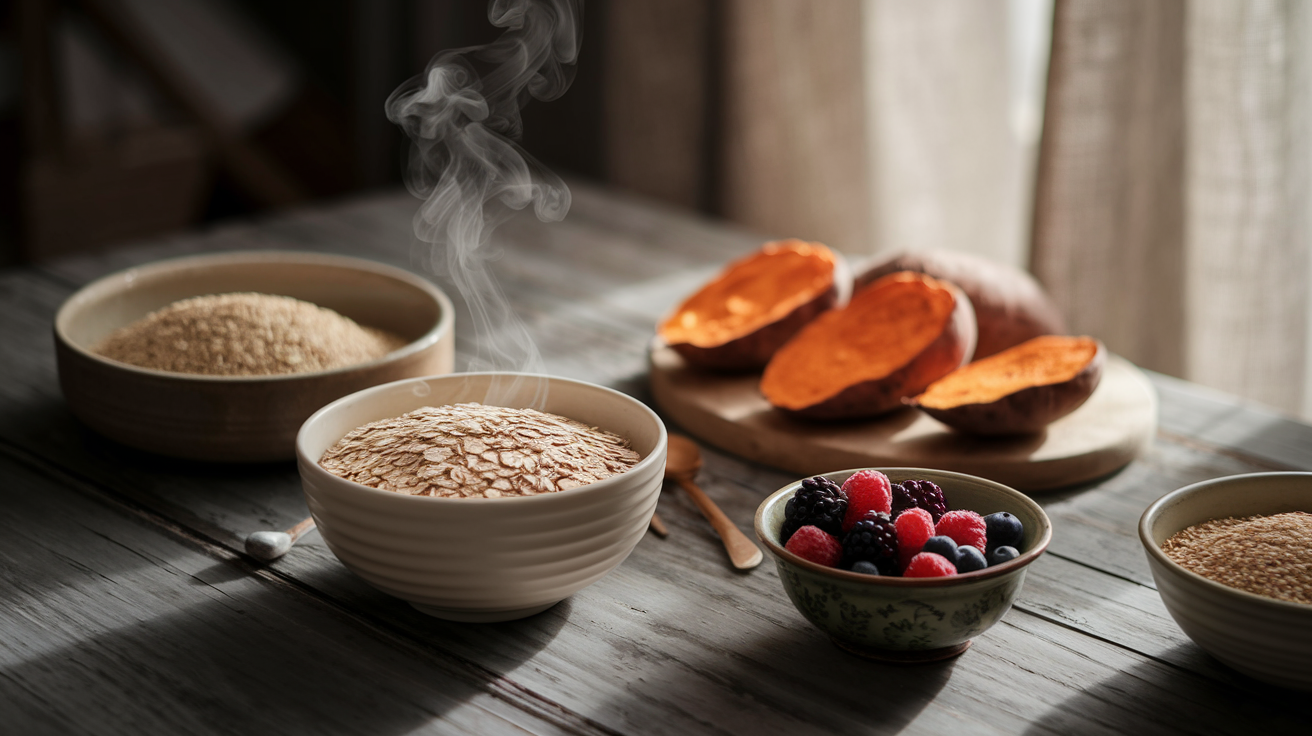
Fiber comes in two types: soluble, which dissolves in water and forms a gel that slows digestion, and insoluble, which adds bulk and speeds transit through your intestines. Both can reduce bloating, but soluble fiber tends to be gentler and less gas producing when your digestion is already upset.
Choosing the right fiber sources matters. Highly fermentable fibers like those in beans or raw cruciferous vegetables can make bloating worse in the short term, while well cooked whole grains and certain fruits provide steady, smooth movement without excessive gas.
| Food | Type of Fiber | Digestive Benefit |
|---|---|---|
| Oats | Soluble (beta-glucan) | Forms a soothing gel, reduces inflammation, supports steady bowel movements without gas spikes |
| Quinoa | Soluble and insoluble | Gluten-free, easy to digest, provides gentle bulk and protein without fermentation |
| Sweet potatoes | Soluble and insoluble | High in potassium to flush sodium, antioxidants reduce inflammation, gentle starch digests smoothly |
| Berries (blueberries, raspberries) | Soluble and insoluble | Polyphenols support gut bacteria diversity, moderate fiber content prevents overload |
Cook oats with water or a low FODMAP milk alternative, adding a handful of berries for extra fiber and flavor. Roast or bake sweet potatoes until soft, then mash with a pinch of cinnamon. Use quinoa as a base for salads or bowls, pairing it with hydrating vegetables like cucumber and avocado.
Anti Bloat Herbs, Teas, and Natural Remedies
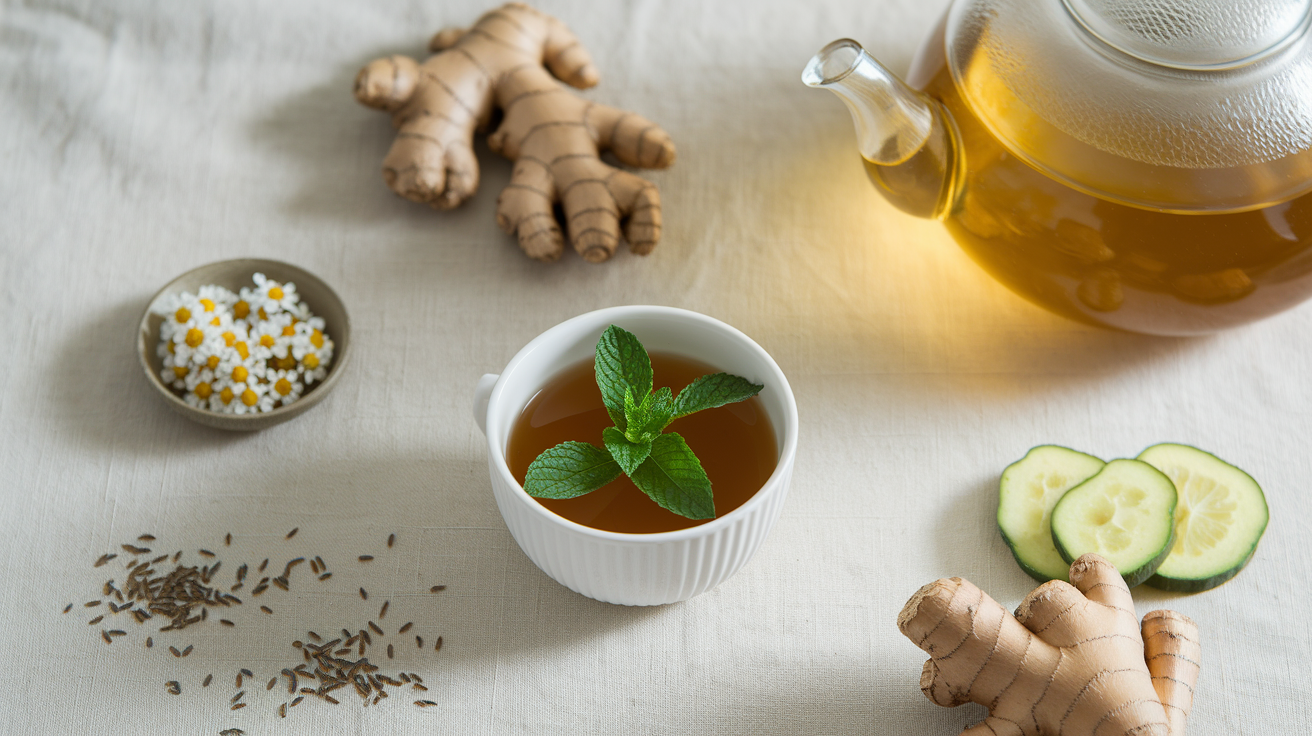
Herbal teas and fresh herbs have been used for centuries to calm digestive upset, release trapped gas, and reduce inflammation in the gut. They work gently and can be sipped throughout the day or used as a quick remedy after meals.
-
Peppermint tea – peppermint’s menthol relaxes the smooth muscles of your digestive tract, which can ease cramping and help gas move through more comfortably. Brew one tea bag or a teaspoon of dried leaves in hot water for five minutes. Sip slowly after meals. Avoid peppermint if you have acid reflux, as it can relax the valve between your stomach and esophagus.
-
Fennel seeds or tea – fennel contains volatile oils that reduce gas buildup and stimulate bile flow for better fat digestion. Chew half a teaspoon of seeds after a heavy meal, or steep a teaspoon in boiling water for ten minutes. Fennel has a mild licorice flavor.
-
Ginger tea – ginger stimulates digestive movement and reduces nausea and inflammation. Slice a thumb sized piece of fresh ginger, steep in boiling water for five to ten minutes, and add a squeeze of lemon if desired. Drink warm between meals or after eating.
-
Chamomile tea – chamomile has mild anti inflammatory and muscle relaxing effects that can soothe an upset stomach and reduce bloating related to stress or tension. Brew one tea bag for five minutes and drink before bed or during the day when you feel uncomfortable.
-
Dandelion root tea – dandelion acts as a gentle diuretic, encouraging your kidneys to release excess water and sodium. Steep one teaspoon of dried root in hot water for ten minutes. Use cautiously if you take diuretic medications or have kidney issues.
Foods to Avoid When Trying to Reduce Bloating
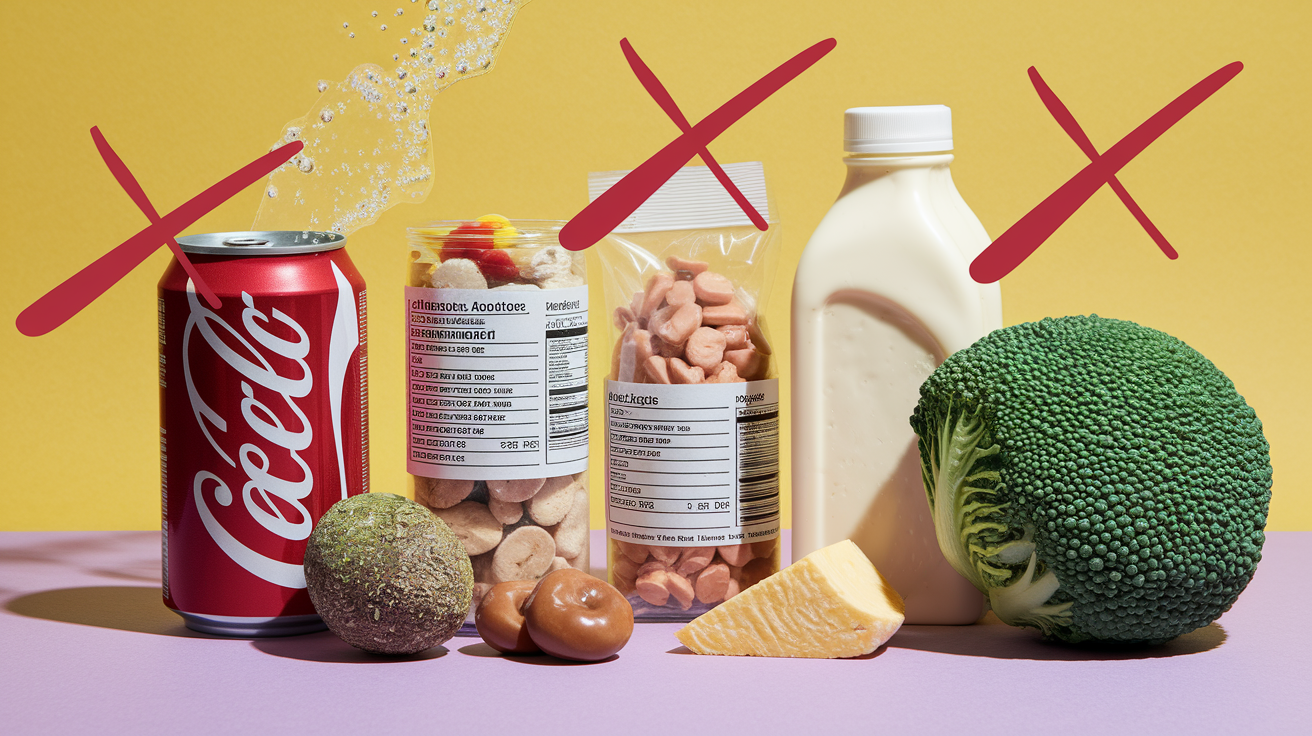
Some foods and habits introduce extra gas, slow digestion, or promote water retention, making bloating worse even if the rest of your diet is clean. Identifying and limiting these triggers can bring faster relief than adding new foods alone.
Pay attention to patterns in your own body. What causes bloating for one person may be fine for another, but the items below are common culprits across many people.
Common bloating triggers include:
- Carbonated drinks – soda, sparkling water, and beer trap carbon dioxide gas in your stomach, causing immediate fullness and belching. Switch to still water or herbal tea.
- Sugar alcohols and artificial sweeteners – sorbitol, xylitol, mannitol, and erythritol are poorly absorbed and ferment in the colon, producing gas. Check labels on sugar free gum, candies, and protein bars.
- High sodium processed foods – excess salt causes your body to hold water, leading to puffiness and bloating. Limit canned soups, deli meats, salty snacks, and fast food.
- Chewing gum – every chew swallows a small amount of air, which accumulates in your stomach. Sugar free gum also often contains gas producing sweeteners.
- Dairy products (if lactose intolerant) – milk, cheese, and ice cream can cause severe bloating, gas, and cramping if your body doesn’t produce enough lactase. Try lactose free versions or plant based alternatives.
- Cruciferous vegetables in large amounts – broccoli, cauliflower, cabbage, and Brussels sprouts contain raffinose, a sugar that ferments and produces gas. Cook them thoroughly and eat small portions, or choose zucchini and spinach instead.
If you’re unsure which foods bother you, try removing one category at a time for three to five days and watch whether bloating improves.
Sample Low Bloat Meals and Snacks Featuring Foods That Help With Bloating
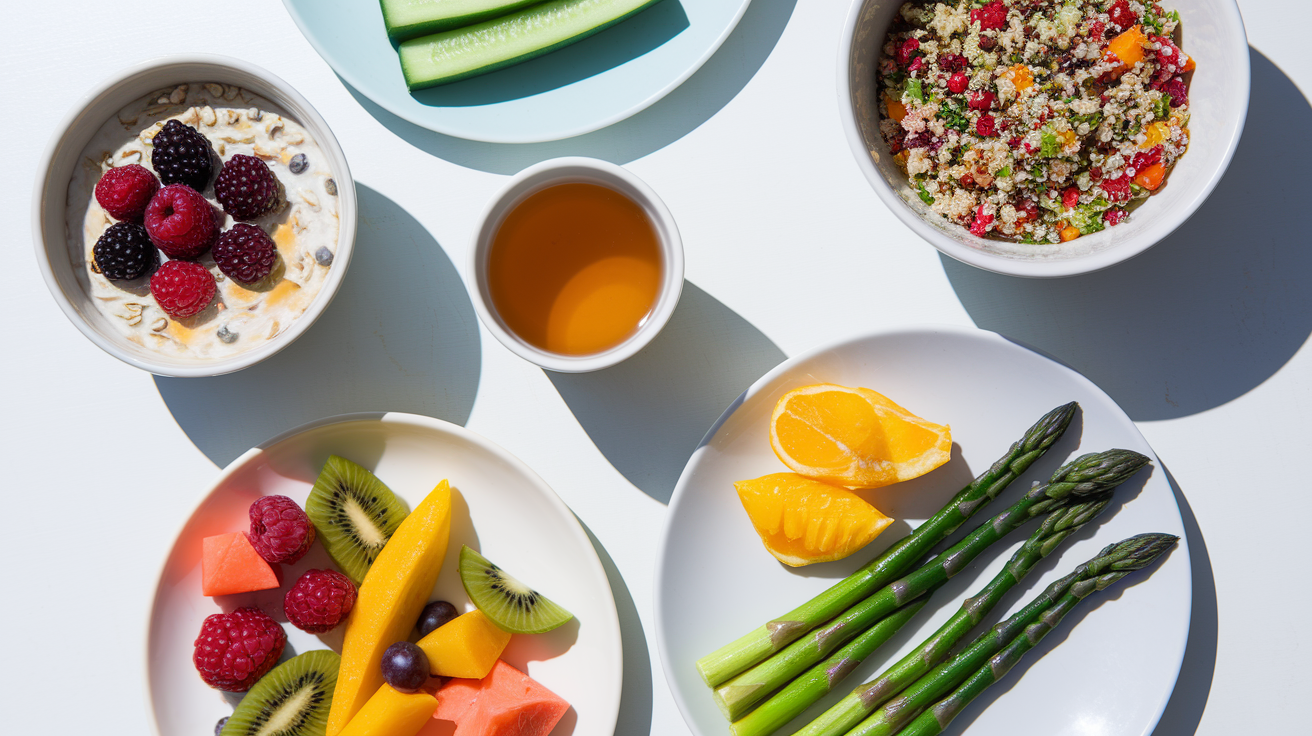
Building meals around anti bloating foods doesn’t mean giving up flavor or satisfaction. The key is combining gentle proteins, hydrating vegetables, low FODMAP carbs, and probiotic or enzyme rich finishes to support smooth digestion from start to finish.
Prepare ingredients simply. Steaming, roasting, or eating raw when appropriate. Avoid heavy sauces, excess salt, and fried preparations that slow digestion and add unnecessary fat.
-
Breakfast: Oatmeal bowl with berries and yogurt – cook half a cup of rolled oats with water, top with half a cup of blueberries or raspberries and a quarter cup of plain yogurt with live cultures. Add a drizzle of honey if you tolerate it.
-
Mid morning snack: Cucumber sticks and ginger tea – slice one cup of cucumber, sprinkle lightly with sea salt, and sip a cup of fresh ginger tea on the side. The hydration and gentle stimulation help keep digestion moving.
-
Lunch: Quinoa salad with avocado and spinach – combine half a cup of cooked quinoa, a handful of baby spinach, half a diced avocado, and a squeeze of lemon juice. Add grilled chicken or tofu if you want protein.
-
Afternoon snack: Fresh pineapple or papaya – eat half a cup of fresh pineapple chunks or papaya slices. The enzymes support digestion and the natural sweetness satisfies cravings without added sugar.
-
Dinner: Steamed asparagus, baked sweet potato, and fennel tea – steam six to eight asparagus spears, bake one medium sweet potato until soft, and pair with a small portion of grilled fish or chicken. Finish with a cup of fennel tea to release any lingering gas.
These combinations prioritize hydration, fiber, probiotics, and enzymes while avoiding common triggers like excess salt, carbonation, and high FODMAP ingredients.
When Bloating Requires Medical Evaluation Despite Foods That Help

Most bloating improves with dietary changes, hydration, and gentle movement. But persistent or severe bloating, especially when paired with other symptoms, can signal an underlying medical condition that needs professional evaluation. Don’t assume food alone will fix everything if your body is sending stronger warning signals.
If bloating lasts more than two weeks without improvement, happens suddenly and severely, or comes with pain that disrupts your daily routine, schedule a visit with your primary care provider or a gastroenterologist. Conditions like irritable bowel syndrome, Crohn’s disease, celiac disease, small intestinal bacterial overgrowth, or even bowel obstructions can present as chronic bloating.
Seek evaluation right away if you notice:
- Blood in your stool – whether bright red or dark and tarry, this can indicate bleeding in your digestive tract and requires urgent assessment
- Unexplained weight loss – losing weight without trying, especially alongside bloating, can signal malabsorption, inflammatory bowel disease, or more serious conditions
- Vaginal bleeding between periods or after menopause – bloating combined with abnormal bleeding may indicate gynecological issues, including ovarian or uterine conditions, and should be checked promptly
Final Words
Start with the Quick Anti‑Bloating Food Guide for fast relief: choose water-rich cucumber, yogurt, bananas, ginger, papaya, pineapple, oats, or asparagus to try today.
Next, rotate probiotic foods, low‑FODMAP produce, enzyme-rich fruits, hydrating choices, fiber sources, and calming teas or herbs. Use the sample meals for simple swaps, and watch for red flags that mean you should get checked.
If you’re unsure, track what you eat and how you feel. These foods that help with bloating often make a big difference—keep experimenting and stay hopeful.
FAQ
Q: What reduces bloating fast?
A: Reducing bloating fast means sipping water, eating water-rich gentle foods like cucumber, banana, and yogurt, trying ginger or peppermint tea, and avoiding salty or carbonated drinks until the swelling eases.
Q: What should I eat when bloated?
A: Eating when bloated should focus on soft, low-FODMAP choices like cooked spinach, oats, yogurt, bananas, cucumber, and small portions; try ginger tea and note what helps so you can repeat it.
Q: What foods are worst for bloating?
A: Foods worst for bloating include carbonated drinks, sugar-free gum or candies with sugar alcohols, beans, cruciferous vegetables (broccoli, cauliflower), high-salt processed foods, and dairy if you’re lactose intolerant.
Q: What to eat to relieve gas?
A: Eating to relieve gas should include ginger, papaya or pineapple, yogurt with live cultures, peppermint tea, and small, slow meals; track which foods calm gas and avoid known triggers.