

Think overnight bloating is unavoidable?
You can often wake up less bloated after a few simple moves tonight.
If your stomach feels tight and swollen, small steps in the next two to three hours can help trapped gas move, cut down on belly swelling, and give your gut a chance to reset while you sleep.
This guide shows fast, safe actions to try tonight, including when to stop eating, a short after-dinner walk, warm tea, gentle positions, and clear warning signs that mean you should get same-day care.
Fastest Ways to Reduce Bloating Before Morning
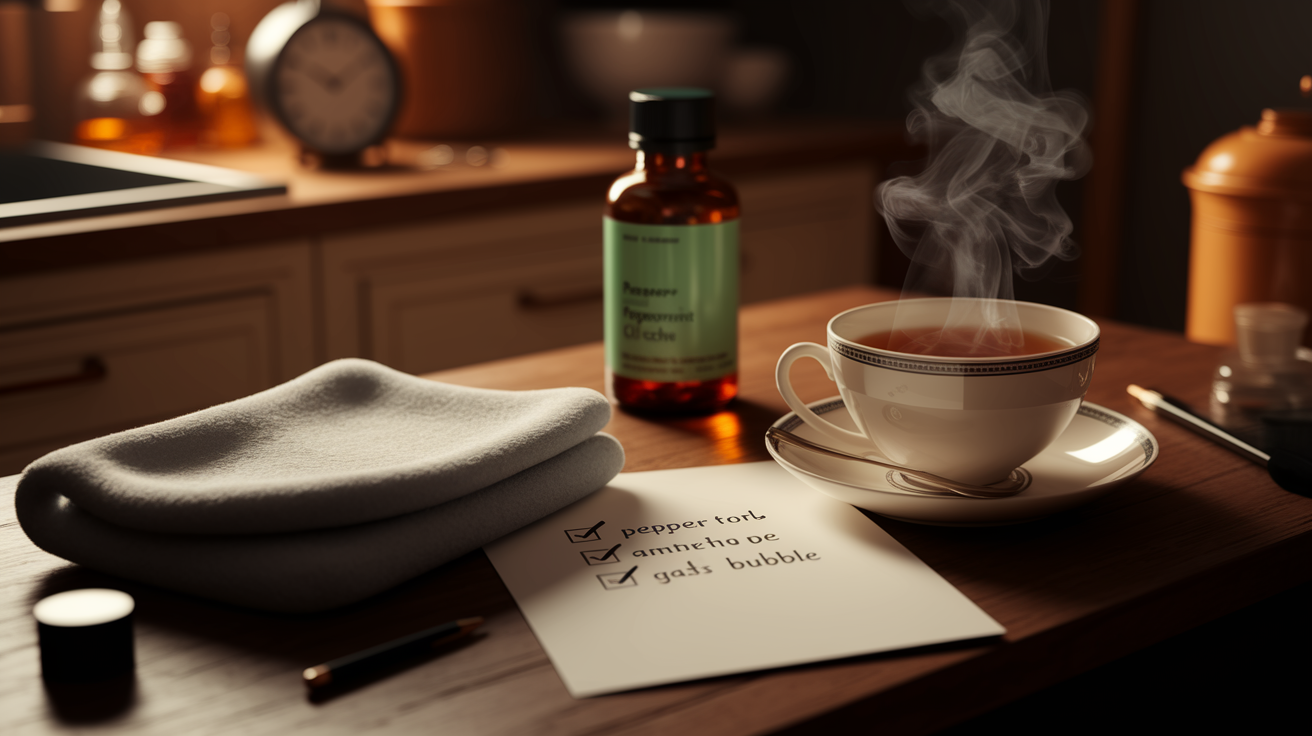
If your stomach feels tight and swollen right now, a few simple steps tonight can help you wake up less bloated tomorrow. Most overnight relief works by helping trapped gas move through your digestive tract, cutting down on the air and fluid sitting in your abdomen, and giving your gut a chance to reset while you sleep.
The fastest path to relief starts with what you do in the next two to three hours. Stop eating after dinner and stick to water until morning. This overnight fast gives your digestive system a break and kicks off a natural “housekeeping” process that sweeps gas and debris through your intestines. Add a short walk, just 10 to 15 minutes after your evening meal, to nudge trapped gas along and keep things moving.
If you need more help tonight, try these steps in order:
- Take a peppermint oil capsule with dinner or shortly after. It helps relax intestinal muscles and cuts down on gas buildup.
- Sip one cup of warm peppermint or ginger tea before bed to soothe your digestive tract and ease cramping.
- Apply a heating pad to your abdomen for 10 to 15 minutes while sitting upright or lying on your left side. This encourages gas to shift.
- Try a simple yoga pose like knees to chest or a gentle supine twist on the floor to manually push gas toward your colon.
- Avoid carbonated drinks, sugar-free gum, and high fructose fruits like apples or pears for the rest of the evening.
- If gas feels especially stuck, consider one dose of simethicone (like Gas-X) to help break up bubbles. Relief isn’t guaranteed for everyone, though.
Understanding Overnight Bloating Relief Through Digestive Patterns
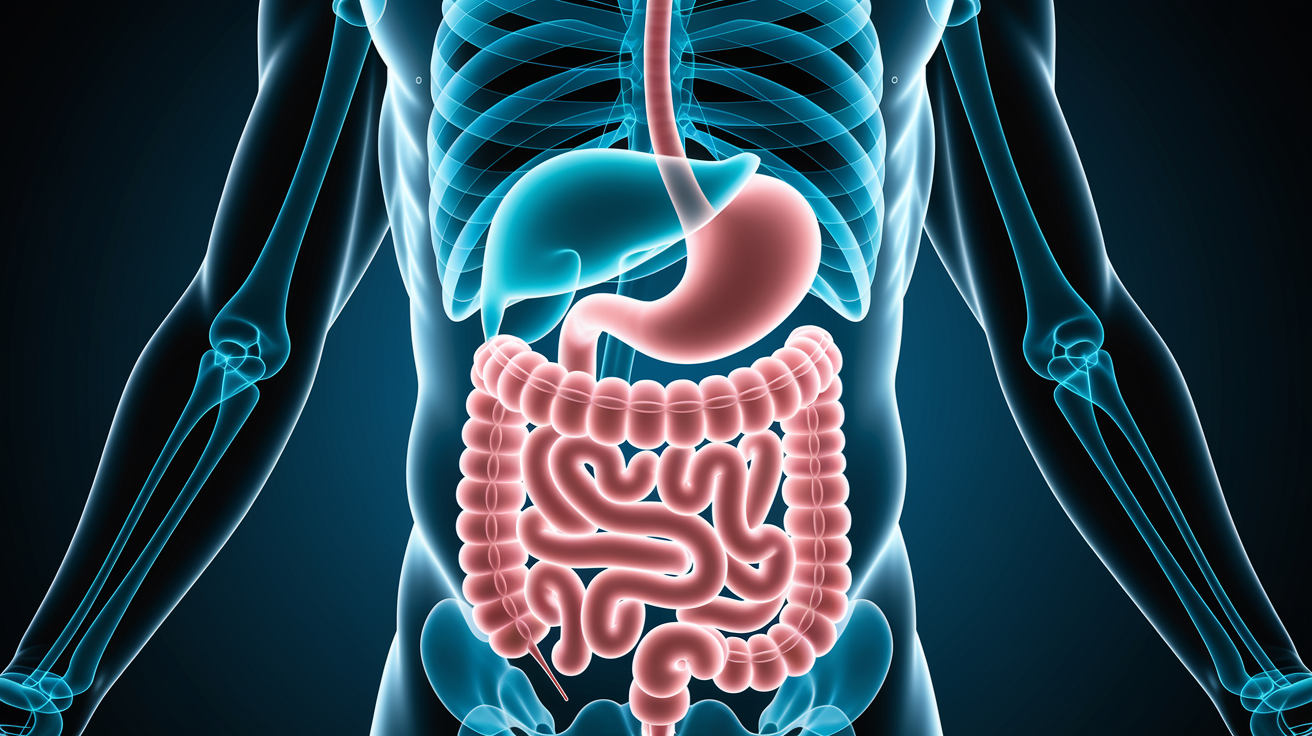
Bloating happens when gas, stool, or extra fluid builds up in your digestive tract. Gas can come from swallowing air, eating foods your body struggles to break down, or bacterial activity in your gut. When you lie down for the night, gravity no longer helps move gas downward. It can sit in pockets and stretch your intestines, making you feel swollen and uncomfortable.
The reason an overnight fast works is because of something called the migrating motor complex. When you stop eating for several hours, your gut switches into a cleaning mode that pushes leftover food particles, gas, and bacteria through your intestines in slow, rhythmic waves. This process is most active when you’re fasting and asleep. Keep snacking late into the evening and you interrupt that cycle, giving gas producing bacteria more fuel to work with.
Short term choices matter. What you eat at dinner, how quickly you eat it, and whether you move around afterward directly influence how much gas stays trapped overnight and how your stomach feels in the morning.
Dietary Changes Tonight to Reduce a Bloated Stomach by Morning
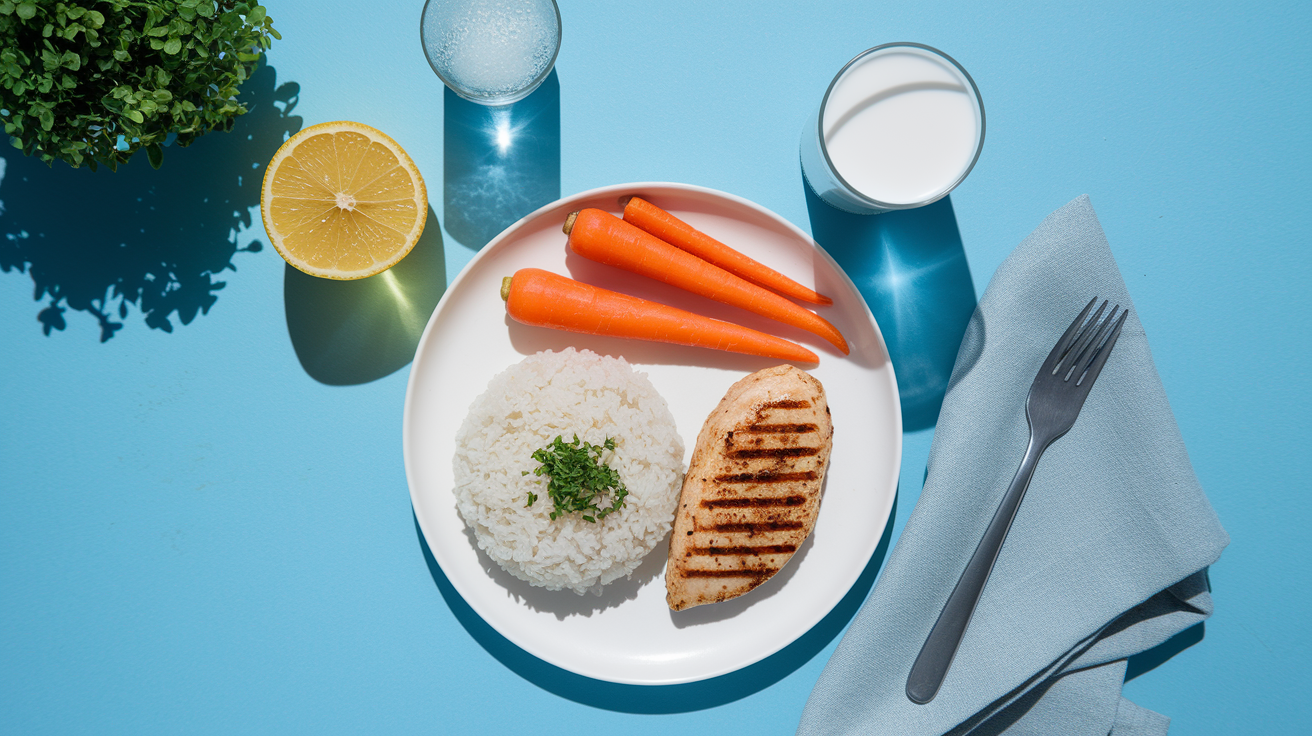
What you eat and drink in the hours before bed has an immediate effect on how bloated you’ll feel when you wake up. Carbonated beverages like soda and sparkling water release carbon dioxide into your digestive tract, and that gas has to go somewhere. Sugar-free gum and candies often contain artificial sweeteners like sorbitol or xylitol. These pull water into your intestines and create extra bulk and gas.
High fructose fruits are harder for many people to digest. Apples, pears, peaches, apricots, and dried fruit all fall into this category. The undigested fructose ferments in your colon overnight. Cruciferous vegetables like broccoli, Brussels sprouts, cabbage, and cauliflower contain a sugar called raffinose that your body can’t break down on its own, so gut bacteria do it instead. They produce gas as a byproduct. If you’re sensitive to lactose, dairy products will also trigger bloating within hours. Swap regular milk for lactose-free or plant-based options like almond or oat milk tonight.
Make these specific adjustments at dinner or before bed:
- Skip carbonated drinks completely. Drink plain or warm water instead.
- Avoid sugar-free products that list sorbitol, xylitol, or mannitol in the ingredients.
- Remove cruciferous vegetables and high fructose fruits from your evening meal.
- Choose lactose-free dairy or eliminate dairy entirely if you know it causes problems.
- Cut back on added salt. Excess sodium causes your body to hold onto water, which adds to abdominal puffiness.
- Eat a smaller portion than usual to avoid overfilling your stomach and slowing digestion.
- Sip warm liquids like plain hot water or warm broth to relax stomach muscles and support gentle movement through your gut.
Herbal Teas and Natural Remedies for Quick Bloating Relief

Warm herbal teas are one of the gentlest and most effective ways to reduce bloating before bed. Peppermint tea helps relax the smooth muscles in your intestines, which reduces cramping and lets trapped gas move more easily. One cup before your evening meal or right before bed is usually enough. Chamomile tea has mild anti inflammatory properties and can calm your digestive tract when taken before meals or at bedtime, especially if stress is part of the problem.
Ginger tea supports digestion and can reduce nausea that sometimes comes with bloating. Anise tea has been shown to help with bloating in people who have irritable bowel syndrome or indigestion. Activated charcoal is sold as a gas remedy, but the evidence is limited and it’s not regulated by the FDA. It’s not a reliable first choice. Stick with herbal teas that have a long track record of safe, gentle relief.
| Herbal Tea | Best Timing | Expected Relief Window |
|---|---|---|
| Peppermint | Before meals or bedtime | 30 minutes to 2 hours |
| Chamomile | Before meals or bedtime | 1 to 2 hours |
| Ginger | After meals | 30 minutes to 1 hour |
| Anise | After meals | 1 to 2 hours |
Helpful Movement and Exercises to Reduce Overnight Abdominal Bloating

Even a short walk after dinner can make a real difference. A 2021 study found that people who walked for 10 to 15 minutes after eating reported less bloating than those who sat still. Light movement stimulates your intestines and helps gas shift through your digestive tract instead of sitting in one spot.
Abdominal massage works by manually encouraging trapped gas to move along the natural path of your colon. Start at the lower right side of your abdomen and rub in a slow, firm circle up toward your ribs, across your upper stomach, and down the left side. This follows the horseshoe shape of your large intestine. Gentle yoga poses like knees to chest, supine twist, or child’s pose compress and release your abdomen, which can nudge gas pockets toward your rectum. Lying flat on your back and bringing both knees into your chest for 30 seconds at a time is one of the simplest moves you can do right before bed.
Try these movement based steps tonight:
- Walk slowly for 10 to 15 minutes after your evening meal, even if it’s just around your house or yard.
- Do abdominal massage for 5 minutes before bed, following the horseshoe pattern from lower right to upper right to upper left to lower left.
- Lie on your back and pull your knees into your chest, holding for 30 seconds and repeating three times.
- Try a gentle supine twist by lying on your back, dropping both knees to one side, and holding for 30 seconds on each side.
- Avoid lying down immediately after eating. Stay upright or gently active for at least 30 minutes.
Safe Over the Counter Options to Reduce Bloating Before Morning

Simethicone is the active ingredient in products like Gas-X, Mylanta Gas, and Phazyme. It works by breaking up small gas bubbles into larger ones that are easier to pass. Some people get relief within 30 minutes, but the evidence is mixed and it doesn’t work for everyone. Follow the dosing instructions on the package, and check with a doctor if you’re pregnant or taking other medications.
Laxatives should only be used if you haven’t had a bowel movement in several days. They can help clear out stool that’s blocking your intestines and contributing to bloating, but they’re not a good choice if constipation isn’t the issue. Alpha-d-galactosidase, sold as Beano, is an enzyme you take before eating beans or certain vegetables to prevent gas from forming in the first place. It won’t help with gas that’s already there, but it’s useful if you know you’re about to eat something that usually triggers bloating.
Peppermint oil capsules are backed by better evidence than most other over the counter options. They’re designed to dissolve in your intestines, not your stomach, so the oil is delivered right where it’s needed to relax cramping and reduce bloating. This makes capsules more effective than tea for some people, especially if you have irritable bowel syndrome or small intestinal bacterial overgrowth.
Use these over the counter products when:
- Simethicone may help if you feel full of gas bubbles and haven’t found relief from movement or tea.
- Laxatives are appropriate only if you’re constipated and haven’t had a bowel movement in several days.
- Beano works best when taken right before a meal that contains beans, lentils, or cruciferous vegetables.
- Peppermint oil capsules are most effective for cramping, IBS related bloating, or bacterial overgrowth.
Sleep Positions and Relaxation Methods That Reduce Bloating Overnight
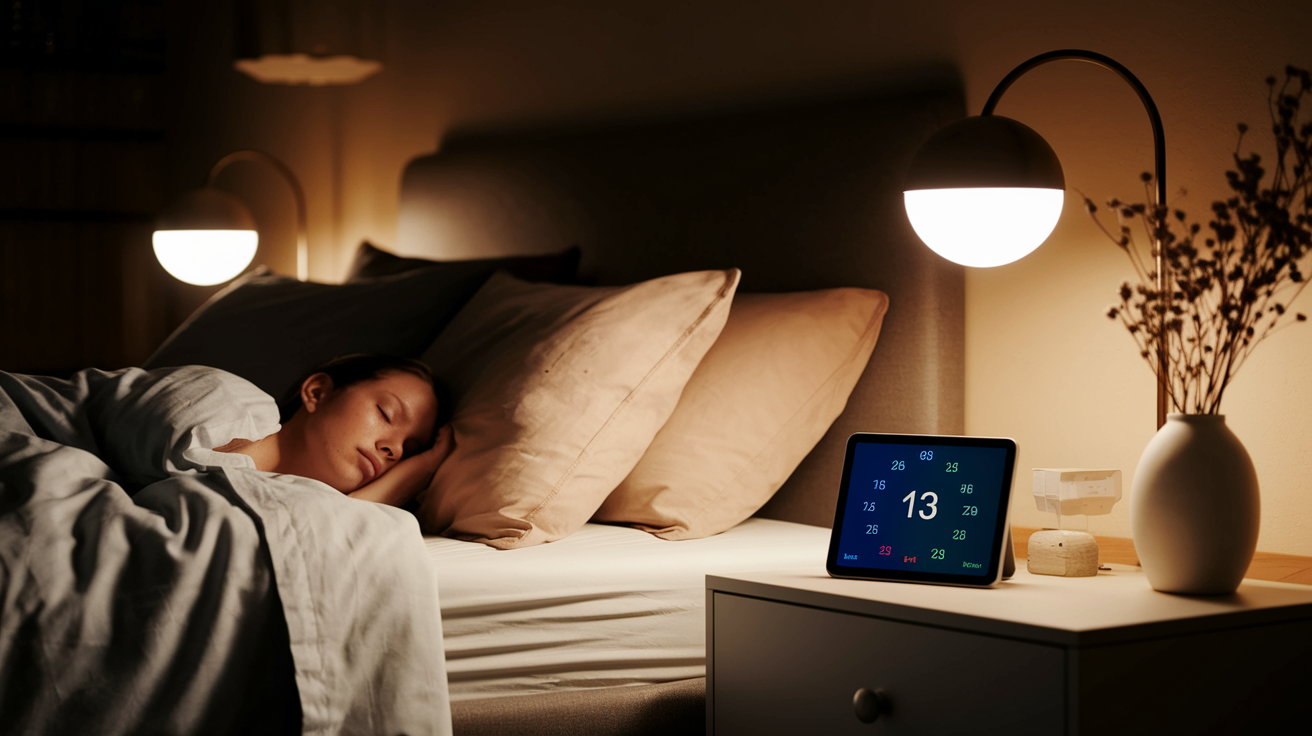
The position you sleep in can influence how easily trapped gas moves through your digestive system. Lying on your left side encourages gas to flow toward your colon and out of your body because of the way your intestines are shaped. Lying flat on your back with your knees slightly bent can also help. Avoid curling into a tight ball, though. That compresses your abdomen and traps gas in place.
Stress and anxiety trigger the release of cortisol, which slows digestion and makes bloating worse. Short relaxation practices before bed can help. Deep breathing, a warm Epsom salt bath, or gentle stretching can calm your nervous system and help your gut relax. Even five minutes of slow, deep belly breathing while lying down can reduce the physical tension that contributes to bloating.
Try these sleep and relaxation adjustments tonight:
- Lie on your left side for at least part of the night to support gas movement through your colon.
- Avoid sleeping curled in a tight fetal position. It can trap gas in your abdomen.
- Spend 5 to 10 minutes doing slow, deep breathing before bed. Breathe in for four counts, hold for four, and exhale for six.
- Take a warm bath with Epsom salts to relax your muscles and reduce stress related digestive tension.
Longer Term Strategies to Prevent Recurring Bloating Episodes
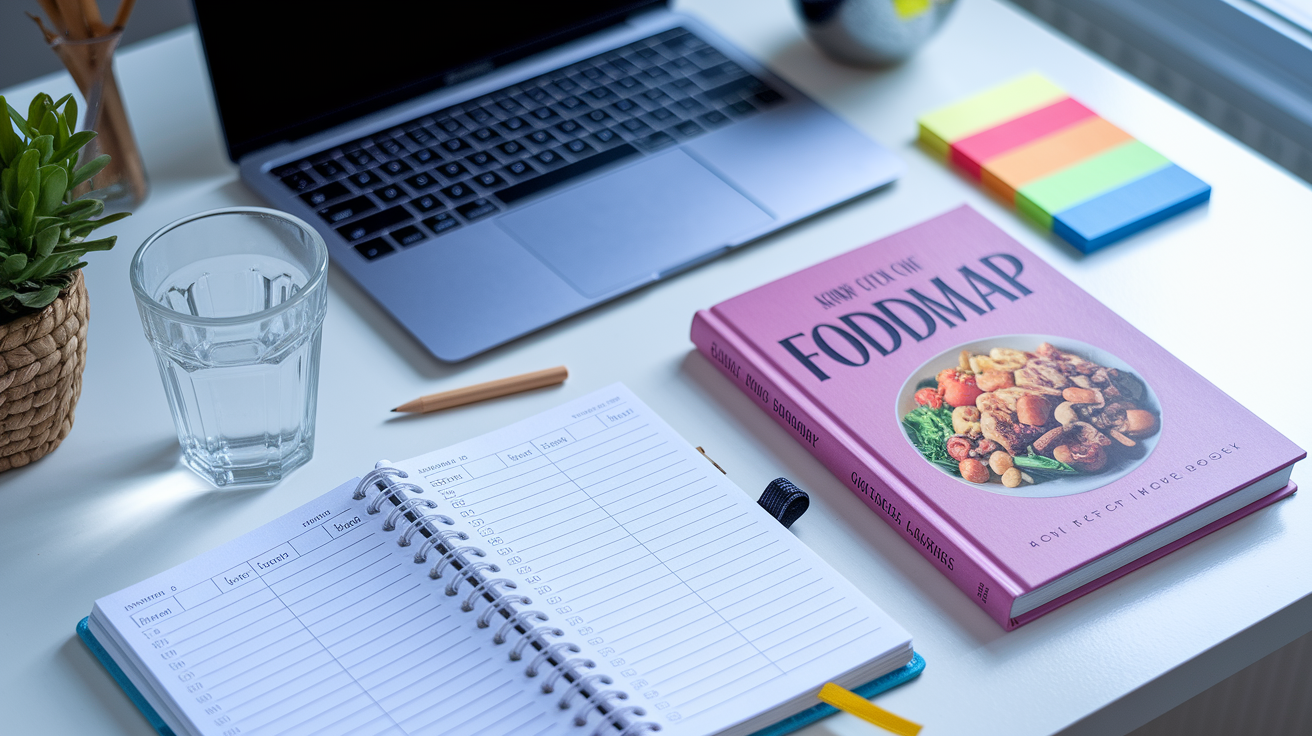
If bloating happens more than a few times a week, short term fixes won’t be enough. You’ll need to identify patterns and make adjustments that address the root cause. Keeping a food diary for several days helps you connect what you eat and drink to when symptoms start. Write down everything you consume, the time of day, what you were doing, and how you felt before and after. Common triggers include cruciferous vegetables, beans, garlic, onions, and artificial sweeteners.
A structured approach like the low FODMAP diet can be helpful if you have irritable bowel syndrome or persistent bloating that doesn’t respond to simpler changes. It involves eliminating high FODMAP foods for a few weeks, then slowly reintroducing them one category at a time to pinpoint which ones cause problems. This process works best under the guidance of a nutritionist. Beyond food, regular physical activity supports healthy digestion and prevents the sluggish gut motility that contributes to bloating.
Food Diary Tracking
Record everything you eat and drink for at least one week, along with notes about your activity, stress level, sleep, and when bloating occurs. Look for patterns. Does it happen after certain meals, at certain times of day, or when you’re stressed? Bring your diary to a doctor or nutritionist if you need help interpreting the results.
Low FODMAP Diet
This diet eliminates fermentable carbohydrates that are common bloating triggers, then reintroduces them systematically. It’s recommended for people with IBS or unexplained chronic bloating. Work with a nutritionist to do it correctly, because cutting out too many foods without guidance can lead to nutrient gaps.
Reduce Swallowed Air
Avoid using straws, drinking from bottles, chewing gum, talking while eating, and eating too quickly. All of these habits increase the amount of air you swallow, which adds to bloating. If you use a CPAP machine at night, do not stop using it without consulting your doctor, but mention bloating as a possible side effect.
Regular Exercise Routine
Aim for 30 minutes of cardiovascular exercise five days per week. Walking, jogging, cycling, or swimming all work. Add strength training twice per week. Regular movement improves gut motility and reduces the risk of constipation and bloating. Even gentle activity like daily walking makes a difference.
Manage Constipation Gradually
Increase fiber slowly to avoid making gas worse. Start with one bowl of oatmeal per day or a low dose fiber supplement, and add more only if your body tolerates it. Drink about 64 ounces of water daily to help fiber move through your system. If bloating gets worse when you add fiber, stop and talk to a doctor.
Reduce Sodium Intake
Excess salt causes your body to retain water, which shows up as bloating and puffiness. Track where your sodium is coming from. Processed foods, restaurant meals, and salty snacks are common sources. Cut back gradually. Fresh, whole foods naturally contain less sodium.
Smaller, More Frequent Meals
Eating large meals stretches your stomach and slows gastric emptying, which can trigger bloating. Switch to smaller portions spread throughout the day to give your digestive system time to process food without becoming overloaded.
When Bloating Requires Medical Care

Most bloating resolves with home remedies and lifestyle changes, but some cases need medical attention. If your symptoms don’t improve after a few weeks of trying the strategies in this article, or if they’re getting worse instead of better, schedule a visit with your primary care provider. Bloating that interferes with daily activities, causes significant pain, or comes with other concerning symptoms should always be evaluated.
Certain warning signs require immediate care. Nausea or vomiting, especially if you can’t keep food or liquids down, may signal a blockage or other serious condition. Rectal bleeding, significant abdominal pain that doesn’t ease, or unintentional weight loss are red flags that need same day or emergency evaluation. Your doctor may recommend a full bowel cleanse if chronic constipation is the cause, adjust medications that contribute to bloating, or prescribe treatments for conditions like IBS, SIBO, or inflammatory bowel disease.
| Warning Sign | What It May Mean | Recommended Action |
|---|---|---|
| Nausea or vomiting | Possible blockage or infection | Seek same day or emergency care |
| Rectal bleeding | Possible inflammation, ulcer, or other GI condition | Call your doctor immediately |
| Severe abdominal pain | Possible obstruction, perforation, or acute illness | Go to the emergency room |
| Unintentional weight loss | Possible malabsorption, infection, or other chronic condition | Schedule a provider visit within a few days |
| Symptoms lasting more than a few weeks | Possible IBS, SIBO, food intolerance, or other digestive disorder | Schedule a routine provider visit |
Final Words
Start tonight with a few direct moves: stop eating after dinner, walk 10–15 minutes, sip warm water, use a 10–15 minute heating pad, try gentle yoga poses, and consider peppermint oil or simethicone if those usually help you. These actions aim to move trapped gas and let your gut reset during fasting.
Keep a short note of what you did and how you felt. If symptoms are severe or don’t improve, see your clinic. For most people, these steps help with how to get rid of bloating overnight and leave you feeling better in the morning.
FAQ
Q: How do I debloat my stomach asap, in 1 hour, or overnight?
A: To debloat your stomach quickly, in one hour or by morning, stop eating after dinner and drink plain warm water, walk 10–15 minutes, use a 10–15 minute heating pad, try simethicone or peppermint oil, and do gentle yoga.
Q: What is the biggest cause of stomach bloating?
A: The biggest cause of stomach bloating is often excess intestinal gas, commonly from high‑FODMAP foods or swallowed air; slower digestion, constipation, and fluid retention also frequently lead to noticeable bloating.