
Tired of waking up puffy and tight in the days before your period?
When bloating hits, it makes clothes uncomfortable and your whole day harder.
But the good news is small diet shifts often help fast.
Cutting salty foods, sipping steady water, adding potassium-rich fruits, and choosing fiber and probiotic foods can lower water retention and speed digestion so your belly feels less full.
This post outlines simple food swaps and a short plan you can try now to reduce preperiod bloating and track what works.
Quick Relief: The Fastest Ways to Reduce PMS-Related Bloating
When bloating hits in the week or two before your period, you don’t always have time to wait days for relief. Targeted changes can ease water retention and abdominal pressure within hours. Sometimes even faster. The key is understanding that PMS bloating comes from progesterone-triggered sodium retention and slowed digestion, both of which respond quickly to hydration, cutting sodium, and gentle movement.
Your kidneys hang onto sodium and water more during the luteal phase. When you flood your system with fresh water, your body gets the signal that it’s safe to let go of stored fluid. At the same time, cutting back on salty foods removes the main driver of water retention, and light cardio kicks your circulation into gear, helping your lymphatic system clear excess fluid from tissues. Heat, whether from a warm bath or a heating pad on your belly, relaxes cramped intestinal muscles and can reduce that tight, distended feeling in minutes.
And skip the carbonated drinks. Fizzy water, soda, even sparkling mineral water introduce gas into your digestive tract, which adds physical volume on top of hormonal bloating. If you’re already retaining water and moving food more slowly through your intestines, added bubbles only make you feel fuller and more uncomfortable. Choose still water, herbal tea, or coconut water instead to support hydration without inflating your stomach further.
- Drink 12 to 16 ounces of plain or electrolyte-balanced water as soon as bloating starts, then sip steadily throughout the day to flush retained sodium.
- Walk briskly for 20 minutes to boost circulation and nudge your lymphatic system into clearing trapped fluid from your belly, arms, and legs.
- Avoid high-sodium foods like chips, canned soup, deli meat, pickles, and soy sauce, which tell your kidneys to hold onto water.
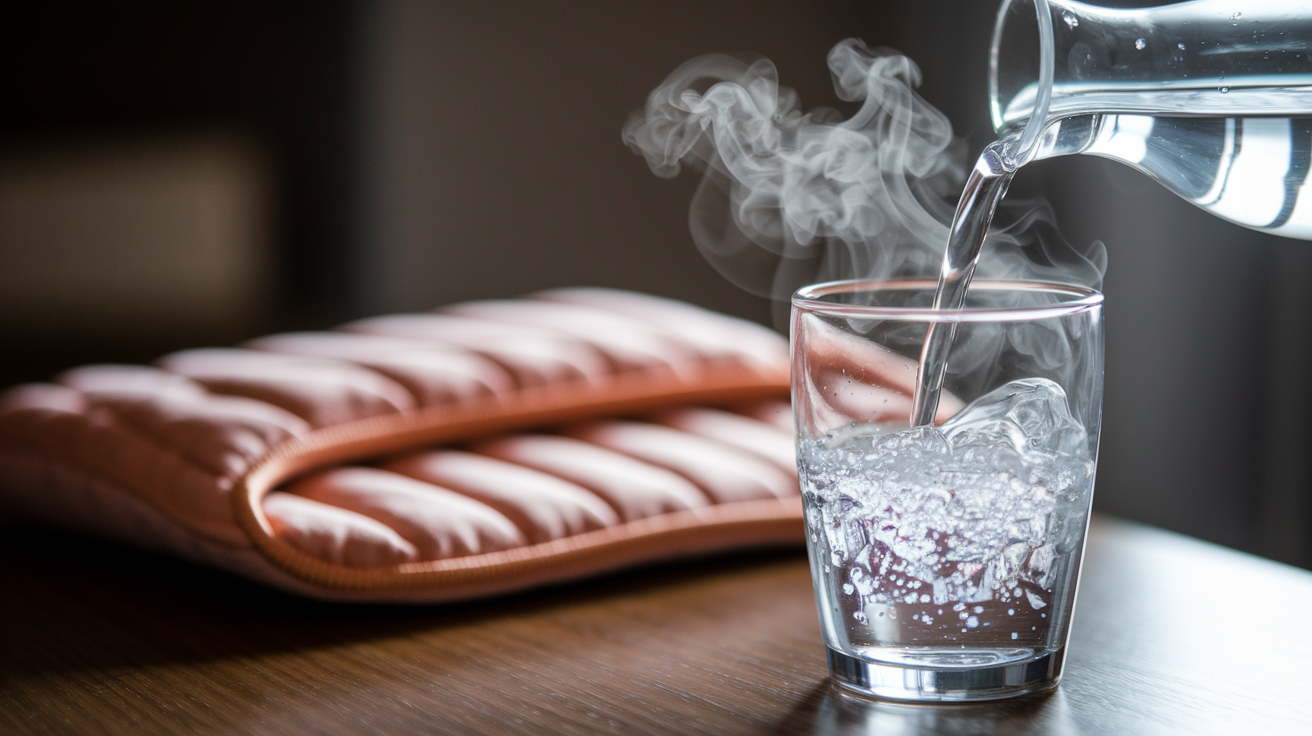
- Apply a heating pad or hot water bottle to your abdomen for 15 to 20 minutes to relax intestinal muscles and ease cramping that contributes to the bloated feeling.
- Skip carbonated beverages and choose still water, herbal teas like peppermint or ginger, or coconut water to hydrate without adding gas.
Dietary Adjustments That Reduce Premenstrual Water Retention
What you eat in the week before your period directly influences how much water your kidneys retain and how efficiently your intestines move food through your system. High-sodium foods signal your body to hold onto fluid. Every gram of sodium you consume pulls roughly 23 times its weight in water into your tissues. Refined carbohydrates spike your insulin, which tells your kidneys to reabsorb even more sodium. The result? Puffy hands, a swollen belly, and tight clothing, all of which feel worse when progesterone is already slowing your digestion.
Potassium works like sodium’s opposite. When you eat potassium-rich foods, your kidneys release sodium and water together, which reduces overall fluid volume in your tissues. High-fiber meals keep your intestines moving at a steady pace, preventing the backup and fermentation that create gas and make bloating worse. Natural diuretics (foods that gently increase urine production) help flush out stored water without the harsh side effects of prescription pills.
To prevent bloating, shift your plate toward whole, minimally processed foods and away from anything packaged or salty. Replace refined grains and sugary snacks with fiber-dense choices that support digestion. Load up on fruits and vegetables that deliver potassium and water in one package. Your body will respond within a day or two by releasing retained fluid and moving food through your system more efficiently.
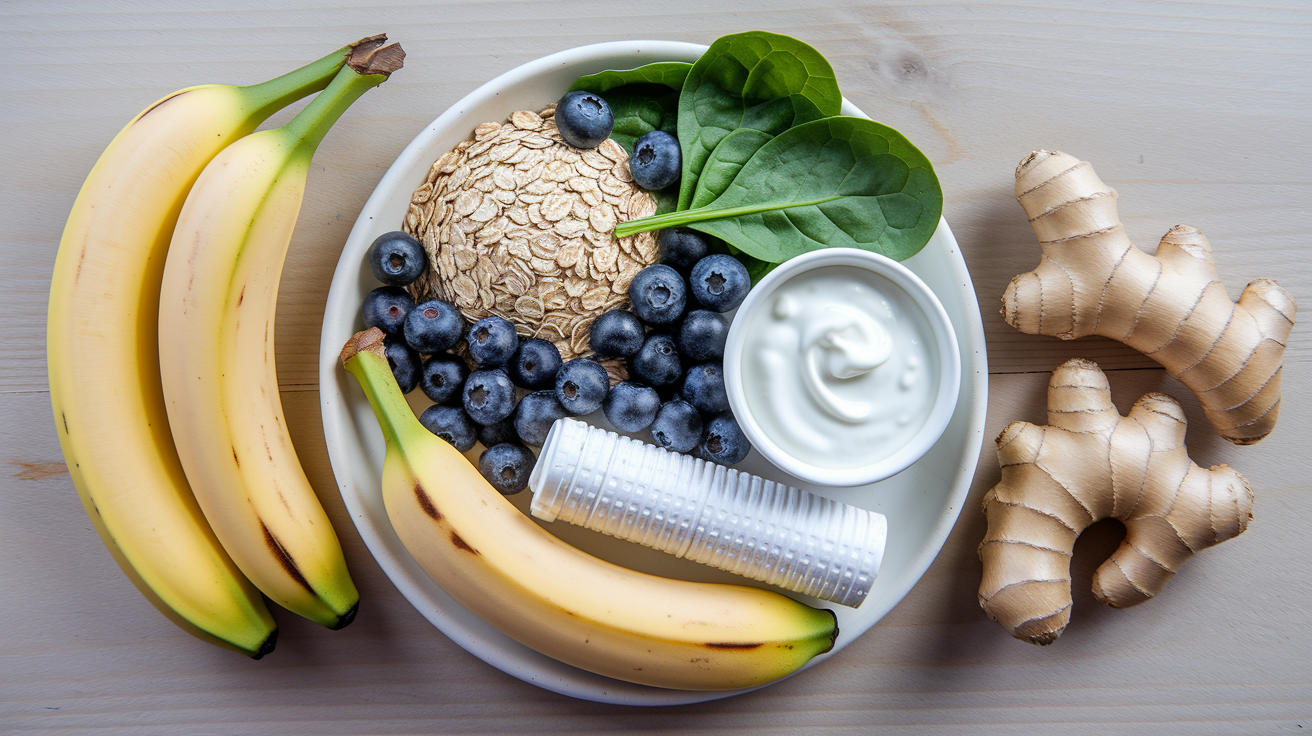
- Bananas deliver potassium and gentle fiber that regulate fluid balance and support regular bowel movements without causing gas.
- Dark leafy greens like spinach and kale are packed with potassium, magnesium, and water, all of which counteract sodium-driven retention and support digestive transit.
- Plain yogurt with live cultures introduces beneficial bacteria that reduce gas production and improve nutrient absorption in your intestines.
- Oats and other whole grains provide soluble fiber that softens stool, prevents constipation, and stabilizes blood sugar to avoid insulin-driven sodium retention.
- Berries (especially blueberries and strawberries) are low in sugar, high in fiber, and rich in antioxidants that reduce inflammation and support kidney function.
- Fresh ginger acts as a natural anti-inflammatory and digestive aid, speeding up stomach emptying and reducing gas buildup in the small intestine.
Hydration Strategies for Preventing Bloating

It sounds backward, but drinking more water is one of the fastest ways to reduce water retention. When you’re dehydrated, your body interprets the shortage as a threat and activates aldosterone, the same hormone that progesterone triggers during your luteal phase. Aldosterone tells your kidneys to hold onto every drop of sodium and water they can. Even mild dehydration makes premenstrual bloating worse. When you drink enough water consistently, your kidneys relax, aldosterone drops, and your body releases stored fluid through urine.
The goal is steady intake throughout the day, starting as soon as you wake up. Aim for at least 8 to 10 glasses of plain water (around 1.6 to 2 liters), more if you exercise, live in a hot climate, or drink caffeine. Speaking of caffeine, it’s a mild diuretic that can make you lose water faster than you replace it. If you drink coffee or black tea, add an extra glass of water for every cup. Alcohol is even more dehydrating and also causes blood vessels to leak fluid into tissues, which worsens puffiness and bloating. If you drink alcohol during your luteal phase, expect your symptoms to spike the next day.
Electrolyte balance matters too. If you’re sweating heavily or drinking a lot of water without any sodium or potassium, you can dilute your blood and trigger a different kind of retention. A pinch of sea salt in your water or a piece of fruit with your meal keeps your electrolytes stable and helps your cells use the water you drink instead of letting it pool in your tissues.
Exercise That Helps Reduce PMS Bloating

Movement changes your body’s fluid dynamics fast. When you walk, cycle, or stretch, your muscles contract and relax in a rhythm that pushes lymphatic fluid (basically the overflow from your bloodstream) back toward your heart and kidneys, where it can be filtered and released as urine. Your lymphatic system doesn’t have a pump like your heart, so it relies entirely on muscle movement and breathing to circulate. If you sit still for hours, fluid settles in your belly, legs, and hands. That makes premenstrual bloating feel heavier and tighter.
Light cardio is especially effective because it raises your heart rate just enough to increase circulation without stressing your body. A 20 to 30 minute brisk walk, a gentle bike ride, or a swim can reduce visible bloating within an hour by moving trapped water out of your tissues and into your bloodstream. You don’t need to push hard. Moderate intensity is plenty, and overdoing it can spike cortisol, which may worsen water retention if you’re already stressed.
Yoga and stretching target a different mechanism. Twisting poses like seated spinal twist or supine twist compress and release your intestines, which can help move gas pockets and relieve the tight, distended feeling that comes from slow digestion. Forward folds and gentle inversions like legs-up-the-wall use gravity to shift fluid out of your lower body and encourage your kidneys to process it. Even 10 minutes of stretching before bed can make a noticeable difference in how you feel the next morning.
- Brisk walking for 20 to 30 minutes increases circulation, activates your lymphatic system, and reduces visible swelling in your belly, hands, and ankles.
- Cycling (whether outdoors or on a stationary bike) raises your heart rate gently and uses large leg muscles to pump fluid back toward your core for processing.
- Yoga twists like seated spinal twist or revolved chair compress your abdomen and help move gas through your intestines, relieving pressure and tightness.
- Stretching and gentle inversions like legs-up-the-wall or child’s pose use gravity and breath to shift fluid out of your lower body and calm your nervous system.
Supplements Shown to Help With Premenstrual Bloating
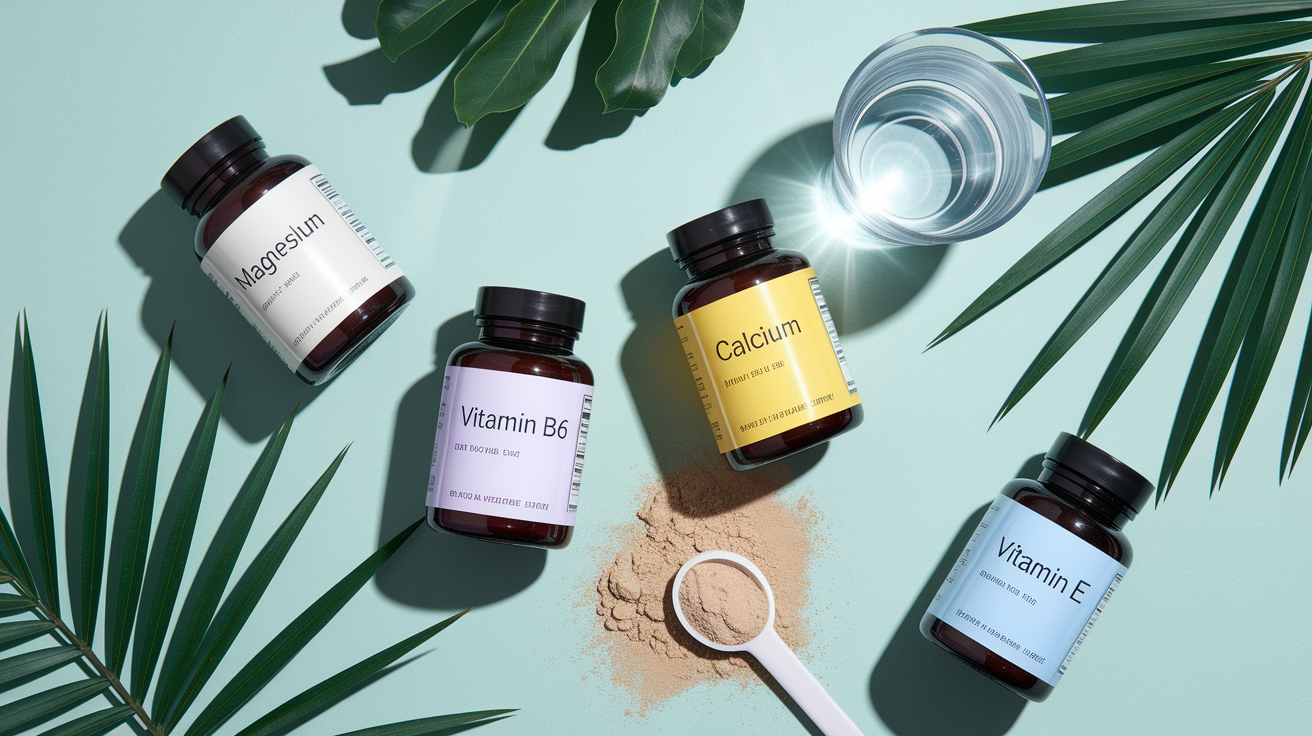
Certain vitamins and minerals can reduce PMS bloating by supporting the pathways that regulate fluid balance, muscle relaxation, and hormone metabolism. Magnesium is one of the most studied. It acts as a natural calcium-channel blocker, which means it helps your muscles (including the smooth muscles in your intestines and blood vessels) relax instead of staying tight. When your intestines relax, food moves through more easily. When your blood vessels relax, fluid is less likely to leak into surrounding tissues. Several studies have found that magnesium supplementation reduces water retention, breast tenderness, and abdominal bloating in people with PMS.
Vitamin B6 supports the enzymes that break down estrogen and helps your body make serotonin, a neurotransmitter that influences mood and gut motility. Low serotonin is linked to slower digestion and increased pain sensitivity, both of which make bloating feel worse. Calcium has been shown in clinical trials to reduce overall PMS symptoms, including bloating, possibly by stabilizing cell membranes and preventing fluid from leaking into tissues. Vitamin E has antioxidant and anti-inflammatory effects that may ease swelling, though the evidence is more limited.
| Supplement | Benefit | Typical Dose |
|---|---|---|
| Magnesium | Relaxes intestinal smooth muscle, reduces water retention, and supports aldosterone regulation | 200–400 mg daily |
| Vitamin B6 | Improves estrogen metabolism and serotonin production, which supports gut motility and mood | 50–100 mg daily |
| Calcium | Stabilizes cell membranes, reduces fluid leakage into tissues, and lowers overall PMS symptom severity | 1,000–1,200 mg daily |
| Vitamin E | Antioxidant that may reduce inflammation and tissue swelling during the luteal phase | 400 IU daily |
Lifestyle Habits That Reduce PMS Bloating Over Time
Quick fixes can ease acute bloating, but long-term prevention comes from habits that stabilize your hormones and support your body’s natural rhythms. Consistent sleep is one of the most powerful. When you sleep seven to nine hours a night on a regular schedule, your cortisol and insulin stay balanced, which keeps your kidneys from holding onto excess sodium and water. Chronic sleep deprivation raises cortisol, and high cortisol mimics aldosterone’s effects. More sodium retention, more fluid in your tissues, more bloating. Even one or two nights of poor sleep during your luteal phase can trigger noticeable puffiness.
Stress works the same way. Elevated stress in the week or two before your period worsens every PMS symptom, including bloating, because your body prioritizes survival over digestion. Your sympathetic nervous system slows intestinal transit, increases muscle tension, and raises cortisol, all of which trap gas and fluid in your abdomen. Regular stress-reduction practices (like five minutes of deep breathing, a daily walk outside, or a short meditation session) reset your nervous system and signal your body that it’s safe to relax, digest, and release stored water.
Routine physical activity throughout your cycle (not just when you’re bloated) trains your body to circulate and filter fluid efficiently. People who exercise regularly have lower baseline aldosterone levels and better lymphatic drainage, which means they retain less water during the luteal phase. You don’t need intense workouts. Even 20 to 30 minutes of moderate movement most days of the week will improve your body’s ability to handle hormonal fluctuations without puffing up. Think of it as maintenance that pays off when progesterone peaks.
Understanding What Causes PMS Bloating

Premenstrual bloating is driven by two overlapping mechanisms: slower digestion and increased water retention, both triggered by the hormonal shifts that follow ovulation. After your ovary releases an egg (usually around day 14 of a 28-day cycle), the empty follicle transforms into the corpus luteum, a temporary gland that pumps out progesterone. Progesterone’s job is to prepare your uterine lining for a possible pregnancy, but it also relaxes smooth muscle throughout your body, including the muscles in your intestines. When your intestines move food more slowly, you get constipation, gas buildup, and a tight, distended belly.
At the same time, progesterone activates aldosterone, a hormone made by your adrenal glands that tells your kidneys to hold onto sodium and water. This is useful if you’re pregnant and need extra blood volume, but if you’re not pregnant, it just makes you puffy. Your body retains water in your abdomen, breasts, hands, legs, and face, which adds physical weight and pressure. The combination of slow digestion and fluid retention creates the classic premenstrual bloat: a heavy, swollen feeling that peaks in the days just before your period and usually resolves within a day or two after bleeding starts.
Hormonal Timeline
The luteal phase begins right after ovulation and lasts about 12 to 14 days. For most people, bloating starts to become noticeable around day 21 to 24 of the cycle (roughly five to seven days before menstruation). Symptoms typically peak in the three days leading up to the first day of bleeding, when progesterone is highest and estrogen has dropped sharply. Once your period starts and progesterone falls, aldosterone activity decreases, your kidneys release stored water, and your intestines speed back up. Bloating usually fades within the first one to three days of bleeding.
Symptom Timeline and When Bloating Becomes a Red Flag
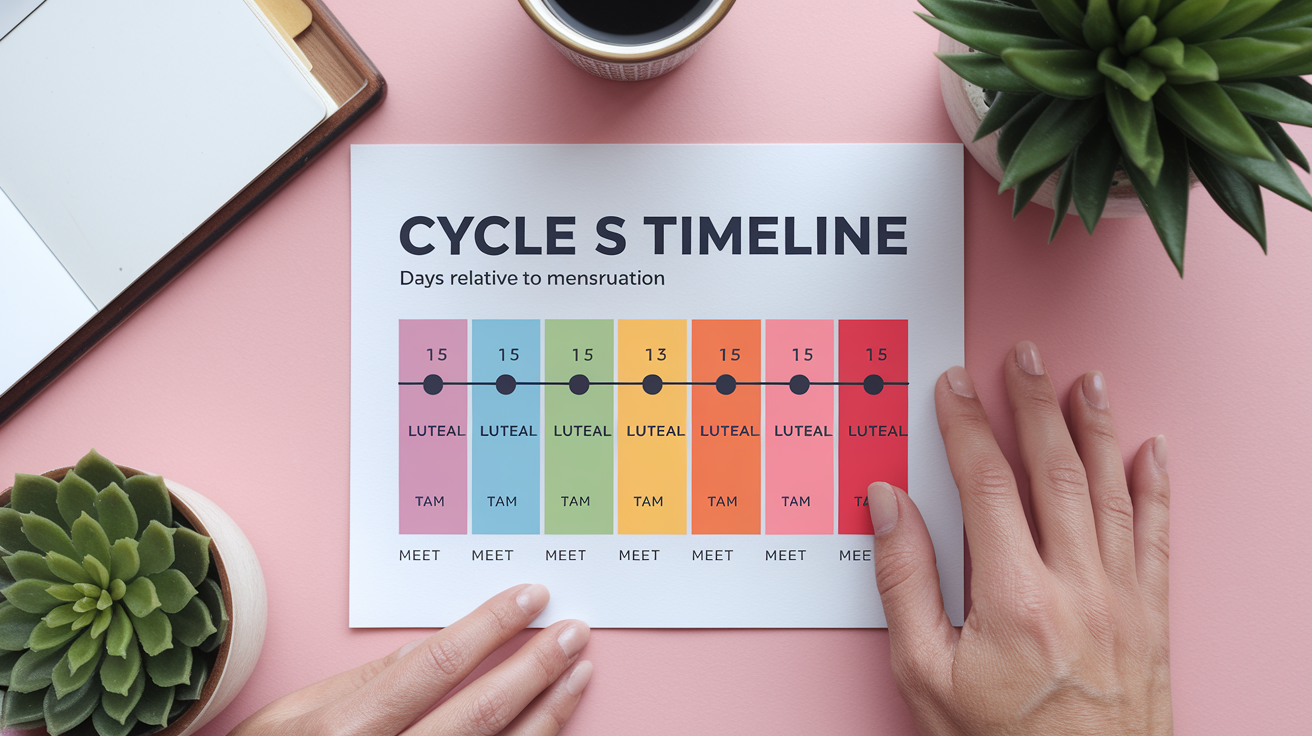
Normal premenstrual bloating follows a predictable pattern. It starts in the second half of your cycle, worsens in the few days before your period, and resolves within the first few days of bleeding. You might feel heavier, your clothes might fit more snugly, and you may see mild puffiness in your belly, hands, or face. This kind of bloating is uncomfortable but temporary, and it responds well to hydration, sodium reduction, movement, and the other strategies in this article.
Bloating that doesn’t follow this timeline, or that comes with other worrying symptoms, may signal a medical condition that needs evaluation. If your bloating persists after your period ends, gets worse over time, or feels different from your usual PMS pattern, it’s worth scheduling a visit with a clinician. Severe or constant bloating can be a symptom of endometriosis, polycystic ovary syndrome (PCOS), irritable bowel syndrome (IBS), inflammatory bowel disease (IBD), or even an ovarian mass. These conditions require specific diagnosis and treatment, not just lifestyle changes.
Pay attention to how your body feels and track your symptoms in a notebook or app so you can spot patterns and share clear information with your healthcare provider. If something feels off, trust that instinct. Your cycle should be predictable, and bloating should be manageable. When it’s not, getting checked is the right move.
- Bloating that lasts beyond the first few days of your period or doesn’t improve when bleeding starts.
- Sudden, severe abdominal pain or bloating that comes on fast and feels different from your usual PMS symptoms.
- Unexplained weight loss, blood in your stool, or persistent changes in bowel habits like new-onset diarrhea or constipation.
- Bloating accompanied by fever, vomiting, difficulty eating, or pain that wakes you up at night.
Final Words
Start with fast, doable moves: drink a bit more water, cut back on salty foods, walk for 20 minutes, use a warm compress, and skip fizzy drinks. These often ease bloating within hours.
Then add steady habits: eat more potassium-rich and high-fiber foods, keep up gentle movement, and aim for regular sleep and stress steps. Track what helps.
If you’re wondering how to prevent bloating before period, try the quick fixes first and log results. If swelling is severe or not improving, get checked. Small changes can make your cycle easier.
FAQ
Q: How do I stop or get rid of a hormonally bloated stomach before my period?
A: Stopping or getting rid of a hormonally bloated stomach before your period involves drinking more water, cutting sodium, gentle movement (walk 20 minutes), eating potassium-rich foods, and trying magnesium; see a clinician if severe or lasting over a week.
Q: What can I drink to debloat on my period?
A: Drinks that can debloat on your period include plain water, electrolyte-balanced water, warm ginger or peppermint tea, and small amounts of low-sugar herbal tea; avoid carbonated, sugary drinks, and alcohol.