

What if most belly bloating can ease in 10 to 20 minutes with a few simple moves?
That sounds almost too good to be true, but many cases of trapped gas and tight gut muscles do respond fast to hands-on tricks, gentle movement, and small diet shifts.
If you’re tired of feeling stretched, heavy, or awkward after meals, this post will give you practical steps you can try right away, including fast relief tactics, food changes, posture and breathing tips, and when to see a clinician.
Immediate Techniques for Fast Bloat Relief
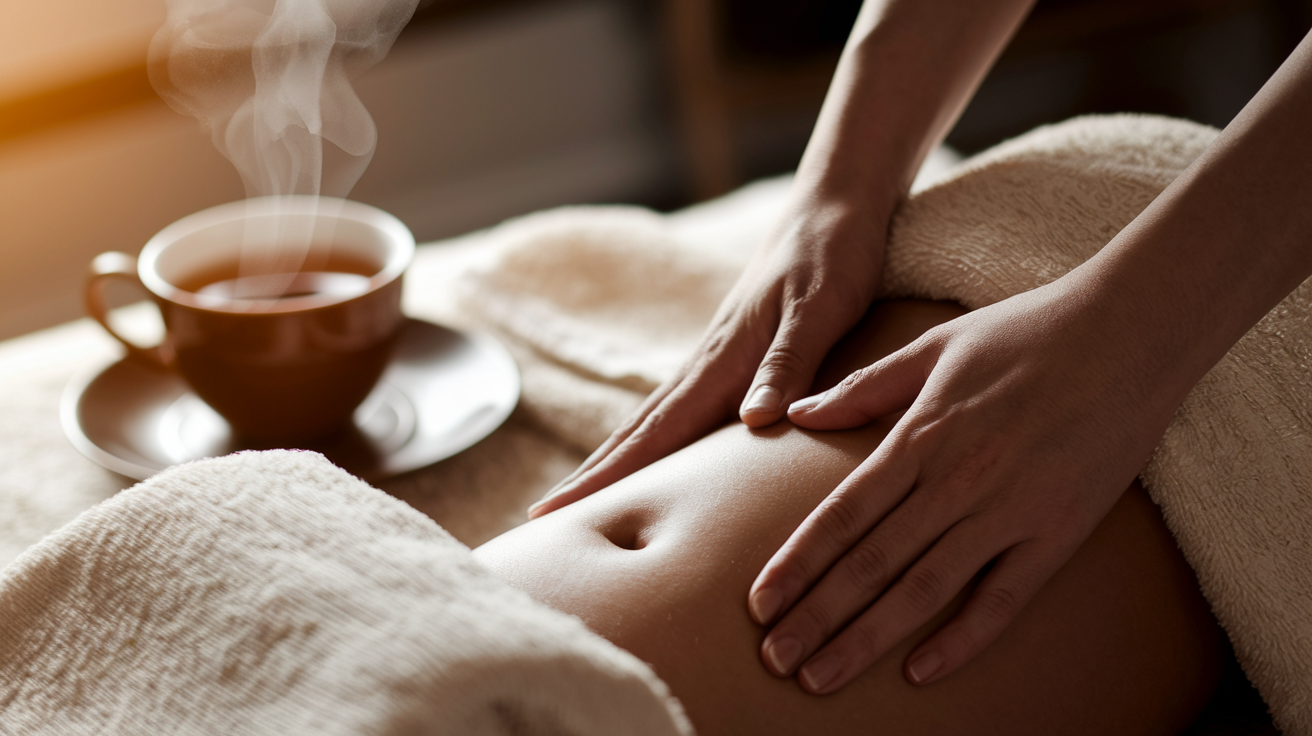
When bloating shows up, you want it gone now. Most of the time, simple physical tactics can move trapped gas and relax tense digestive muscles within minutes to a couple of hours.
Start with gentle abdominal massage. Place both hands flat on your belly and press lightly, moving in a clockwise circle for 5 to 10 minutes. This follows the path of your colon and can help gas move toward the exit. Pair that with a cup of warm peppermint tea, which relaxes the smooth muscles of your GI tract and makes it easier for gas to pass. Sip slowly over 10 minutes.
Next, try a short walk. Ten to 15 minutes at a comfortable pace, especially after a meal. Light movement stimulates your intestines and encourages trapped air to keep moving. If you can’t walk, even standing and stretching for a few minutes helps more than sitting still.
Fast-acting bloat relief tactics:
Abdominal massage: Press and circle clockwise for 5 to 10 minutes to guide gas through your colon.
Peppermint or ginger tea: Sip one warm cup slowly. Both herbs relax digestive muscles and reduce inflammation.
10 to 15 minute walk: Light cardio after eating helps gas move and prevents buildup.
Stop carbonated drinks: Fizzy beverages add extra gas to your system. Switch to flat water.
Sip water steadily: Drink 8 ounces of plain water over 15 minutes to support digestion without gulping air.
Apply gentle heat: A warm water bottle or heating pad on your abdomen for 15 to 20 minutes relaxes tight muscles and eases discomfort.
Lie on your left side: This position uses gravity to help gas exit the stomach and move through the intestines.
Skip chewing gum: Gum makes you swallow air repeatedly. Put it away until bloating clears.
Massage and heat work best when bloating feels tight and crampy. Peppermint tea helps when you feel full and gassy. Walking is most effective after eating too much or too quickly. Try one or two at a time, and notice which gives you relief fastest. That pattern will guide you next time.
Dietary Adjustments to Minimize Bloating
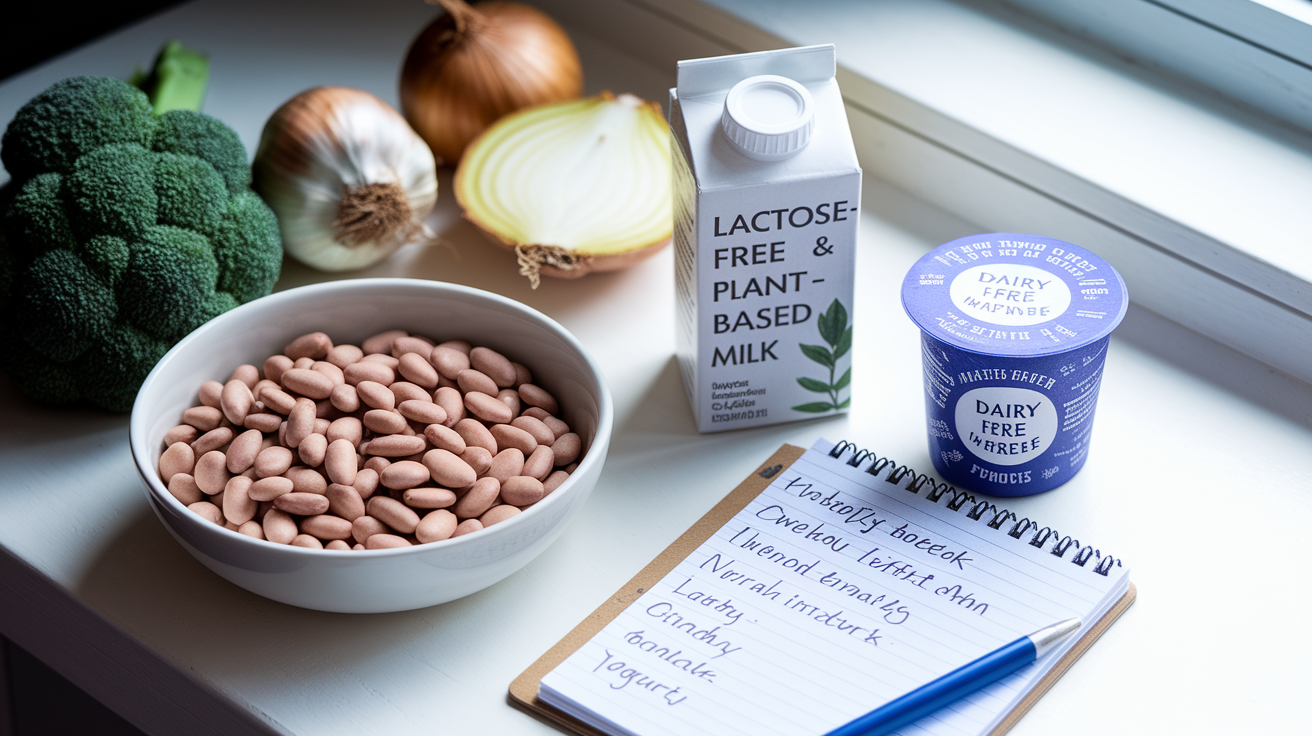
What you eat, and how much air comes along with it, directly shapes how bloated you feel over the next few hours and days. Certain foods ferment heavily in your gut, producing extra gas as bacteria break them down.
Common culprits include beans, lentils, onions, garlic, broccoli, cauliflower, Brussels sprouts, and cabbage. These contain complex carbohydrates that your small intestine can’t fully digest, so they travel to your colon where bacteria feast and release gas. Dairy products cause similar trouble if you’re lactose intolerant, because undigested lactose also ferments. Artificial sweeteners like sorbitol and xylitol (found in sugar-free gum, candy, and diet products) pull water into your intestines and create bloating and loose stools.
Specific dietary changes to reduce bloating:
Try a 2 week dairy elimination: Skip milk, cheese, yogurt, and ice cream. Use lactose-free milk or plant-based alternatives. If bloating improves, you may have lactose intolerance.
Limit high-FODMAP vegetables: Reduce onions, garlic, and cruciferous veggies temporarily. Reintroduce one at a time to identify your triggers.
Avoid artificial sweeteners: Check labels for sorbitol, xylitol, mannitol, and products labeled “sugar-free.”
Cut carbonated and fizzy drinks: Soda, sparkling water, and beer add CO₂ directly to your digestive tract.
Eat smaller portions more often: Switch from 2 to 3 large meals to 4 to 5 smaller meals to prevent stomach stretching and slow digestion.
Chew thoroughly and eat slowly: Smaller bites and slower pace reduce swallowed air and give your brain time to register fullness.
Keep a food journal: Write down what you eat, when bloating starts, and how long it lasts. Patterns usually appear within a week.
Test changes one at a time, for at least 5 to 7 days each. If you remove everything at once, you won’t know which food was the real problem. Once bloating improves, add foods back slowly to confirm your list of triggers.
Habits and Lifestyle Patterns That Influence Bloating
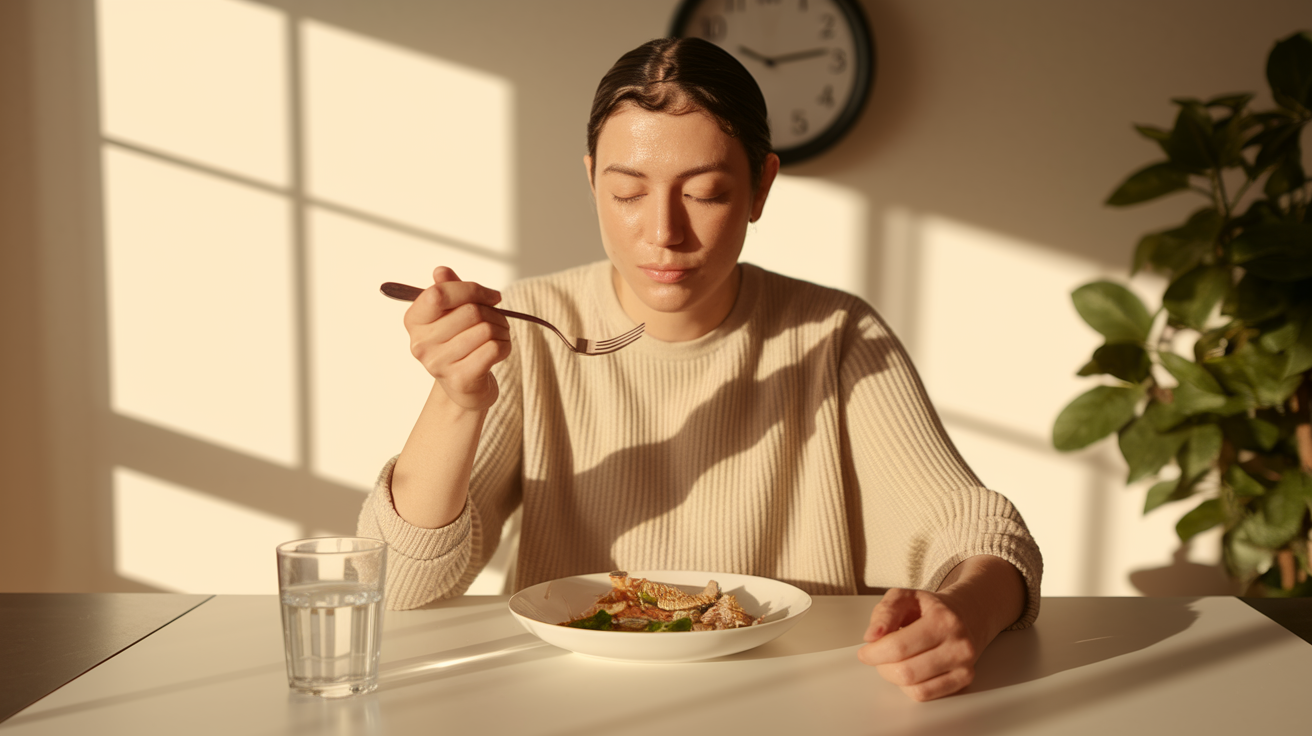
How you eat matters as much as what you eat. Eating quickly forces you to swallow gulps of air along with your food, and that air has to go somewhere. Usually your stomach and intestines, where it creates pressure and discomfort. Put your fork down between bites, chew each mouthful completely, and aim to spend at least 15 to 20 minutes on a meal. If you finish in under 10 minutes, you’re probably moving too fast.
Drinking through straws, sipping from water bottles with narrow spouts, and chewing gum all increase the amount of air you swallow without noticing. If you’re bloated daily, try drinking from a wide-mouth glass and skipping gum entirely for a week to see if it helps. Smoking does the same thing, adding repeated puffs of swallowed air throughout the day.
Inconsistent meal timing confuses your digestive system. When you skip breakfast, eat a huge lunch, then snack all evening, your gut never settles into a rhythm. Aim to eat at roughly the same times each day, and space meals about 4 to 5 hours apart so your stomach has time to empty before the next round. Sleep matters too. Poor or irregular sleep disrupts gut motility and can slow digestion, leaving you more prone to gas buildup and bloating the next day.
Physical Movements and Exercises to Support Digestion

Movement stimulates your intestines, increases blood flow to your digestive organs, and helps trapped gas keep moving instead of sitting in one spot. You don’t need intense workouts. Gentle, intentional movement often works better than high-intensity exercise, which can sometimes make bloating worse by shaking things up too fast.
Yoga Poses for Gas Release
Wind-Relieving Pose (Pawanmuktasana) is exactly what it sounds like. Lie on your back, pull both knees to your chest, and hug them gently for 30 to 60 seconds while breathing slowly. The compression massages your colon and encourages gas to move toward the exit. Child’s Pose works similarly. Kneel on the floor, sit back on your heels, and fold forward with your arms stretched out in front of you. Hold for 1 to 2 minutes, breathing deeply into your belly. Both poses use gentle pressure and relaxation to support natural gas release.
Light Cardio for Gut Motility
A steady, easy-paced walk (about 2 to 3 miles per hour, the speed where you can still talk comfortably) keeps your digestive muscles active without jarring your stomach. Aim for 10 to 15 minutes after meals, or 20 to 30 minutes any time of day. Consistency matters more than intensity. Regular short walks throughout the week improve gut motility better than one long hike on the weekend. If walking isn’t an option, standing and doing gentle side bends or marching in place for 5 minutes still helps.
Posture Corrections
Slouching compresses your abdomen and restricts the space your digestive organs need to work efficiently. When you hunch forward at a desk or over your phone, you’re literally squeezing your stomach and intestines, which slows digestion and traps gas. Sit upright with your shoulders back and your core lightly engaged, and stand tall when you’re on your feet. Notice how your belly feels when you straighten up. Often, trapped air can shift and release just from improving your posture.
Stress and Gut Response Management

Stress doesn’t just live in your head. It travels straight to your gut through the gut-brain axis, a two-way communication highway between your central nervous system and your digestive tract. When you’re anxious, rushed, or overwhelmed, your body shifts into fight-or-flight mode, which slows digestion, tightens muscles, and alters the balance of bacteria in your intestines. All of that can show up as bloating, cramping, or irregular bowel movements.
Deep, slow breathing activates your parasympathetic nervous system (the “rest and digest” mode) and tells your body it’s safe to relax and process food normally. Try paced breathing. Breathe in slowly through your nose for a count of four, hold for four, then exhale through your mouth for six. Do this for 3 to 5 minutes before meals or whenever you notice tension building in your belly. Mindfulness practices, even brief ones, lower cortisol and reduce the physical tension that contributes to bloating.
Practical stress-reduction techniques for digestive relief:
Paced breathing before meals: 3 to 5 minutes of slow, deep breaths signals your gut to prepare for digestion.
5 minute body scan: Lie down, close your eyes, and mentally check each part of your body for tension. Consciously relax tight areas, especially your abdomen and jaw.
Short daily walk outdoors: 10 to 15 minutes in natural light lowers stress hormones and supports regular gut motility.
Consistent sleep schedule: Go to bed and wake up at the same time every day. Irregular sleep disrupts gut bacteria and slows digestion.
If you notice bloating spikes during stressful weeks or after emotional events, stress is likely a key driver. Pair stress management with the dietary and movement strategies above for the best results.
When Bloating Indicates a Medical Issue

Occasional bloating after a big meal or a gassy food is normal. Frequent or persistent bloating, especially if it doesn’t respond to diet changes, movement, or stress reduction, can signal an underlying condition that needs evaluation. Irritable bowel syndrome (IBS), celiac disease, small intestinal bacterial overgrowth (SIBO), food intolerances, and even fluid retention from heart or liver issues can all cause chronic bloating.
If your bloating is getting worse instead of better, lasting more than a few weeks, or paired with other symptoms, it’s time to talk to a clinician. Don’t wait if you’re unsure. It’s always okay to get checked when something feels off.
Warning signs that warrant medical evaluation:
Bloating that lasts most days for more than 2 to 3 weeks, even with dietary and lifestyle changes.
Rapid abdominal swelling or visible distension that comes on suddenly.
Severe, sharp, or worsening abdominal pain that doesn’t ease with movement or gas relief.
Unexplained weight loss, loss of appetite, or feeling full after eating very little.
Blood in your stool, black or tarry stools, or persistent diarrhea or constipation along with bloating.
Bring your food journal and a clear timeline of when symptoms started, what you’ve tried, and what makes it better or worse. That information helps your clinician narrow down the cause and guide you toward the right tests or treatments.
Final Words
Start with fast fixes: gentle belly massage, peppermint tea, a short 10-20 minute walk, and steady sips of water to ease immediate bloat.
Then work on food and habits over days: cut common trigger foods, try slow eating, and consider low-FODMAP ideas if needed.
Move and calm your body: yoga poses, light cardio, posture fixes, and simple breathing help digestion.
Keep a short log, try one change at a time, and see care for red flags. These steps show how to reduce stomach bloating and help you feel better.
FAQ
Q: How do I get rid of a bloated stomach fast?
A: The fastest way to get rid of a bloated stomach is to try quick steps like a 5-minute gentle abdominal massage, 10–20 minutes of light walking, and sipping warm peppermint or ginger tea.
Q: Why is my stomach so bloated all the time?
A: A stomach that’s bloated all the time often comes from gas-producing foods, food intolerances, slow bowel movements, swallowed air, or conditions like IBS; start a symptom log and see a clinician if it continues.
Q: How to flush gas out of your stomach?
A: To flush gas out of your stomach, sit upright, gently massage your belly in a clockwise direction for 3–5 minutes, walk 10–15 minutes, or sip warm ginger or peppermint tea.
Q: What drink calms bloating?
A: A drink that calms bloating is peppermint tea; ginger tea or plain warm water also help by relaxing gut muscles and easing gas — avoid peppermint if you have acid reflux.