

Tired of a cough that won’t quit and the foggy feeling from pharmacy syrups?
Try simple, natural options that soothe your throat and calm coughing instead.
If your cough is new and mild, start with honey (only for ages 1 and up), warm ginger tea, steam, or a humidifier and watch for improvement over a few days.
These remedies coat irritated tissues, cut inflammation, and add moisture.
This guide shows which natural suppressants often work, how to use them safely, and when to call your clinician or get urgent care if you’re short of breath or have a high fever.
Quick-Start Guide to Effective Natural Cough Suppressants
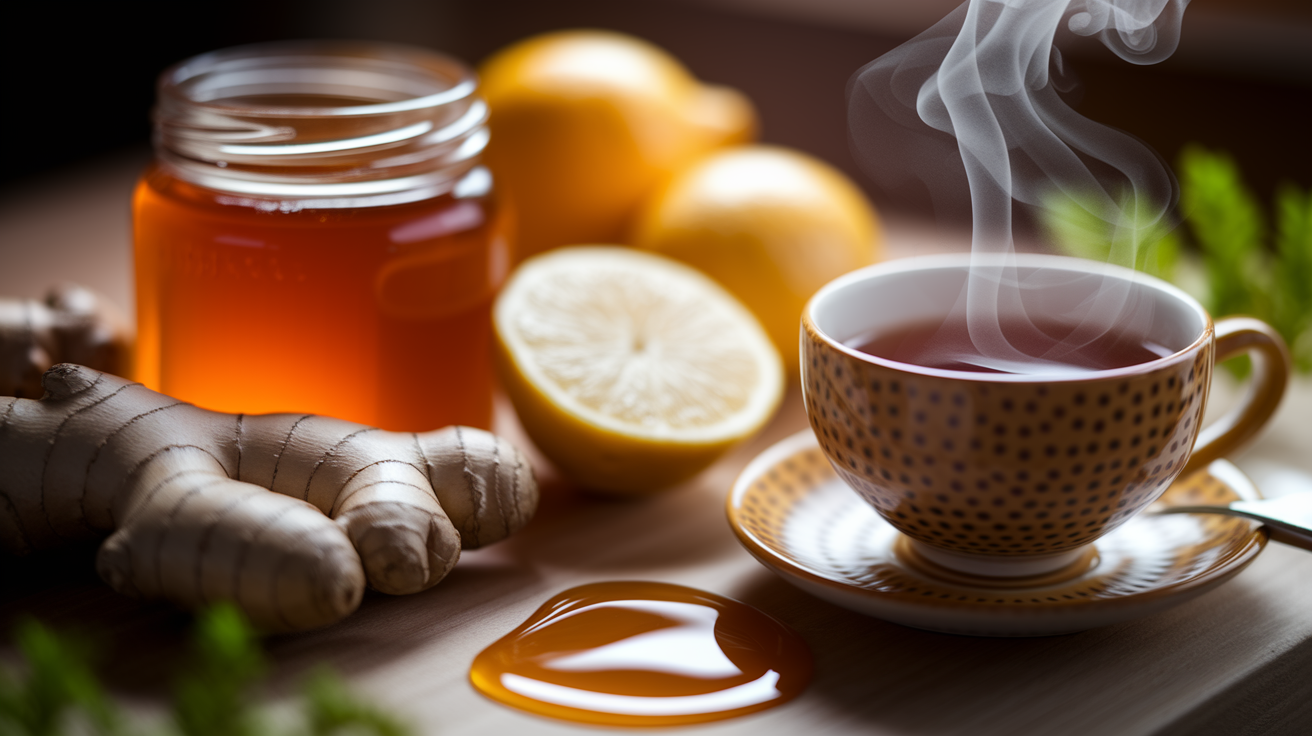
Natural cough suppressants soothe irritated throat tissues, calm inflamed airways, and coat mucous membranes to ease the cough reflex. Unlike a lot of drugstore options, they use whole-food ingredients or plant-based compounds that work with your body’s healing processes while making you more comfortable. Most natural approaches focus on cutting down throat irritation and thinning mucus instead of chemically blocking cough signals in the brain.
These remedies work through several pathways that overlap. Demulcent substances like honey form a protective layer over inflamed throat tissues, shielding nerve endings from triggers. Anti-inflammatory compounds in ginger and turmeric reduce swelling in airways and throat, decreasing the sensitivity that keeps you coughing. Warm, humidified air from steam or a humidifier prevents the dryness that irritates airways and sets off cough episodes.
Plenty of natural cough suppressants have been studied and show real effects. Honey has been tested in clinical trials and reduces both cough frequency and severity, sometimes working as well as pharmacy options. Ginger’s anti-inflammatory properties calm irritated airways. Steam inhalation soothes throat tissues and clears nasal passages. Humidifiers maintain airway moisture to prevent dry-cough triggers. Herbal teas with peppermint, thyme, or licorice root provide both soothing warmth and active botanical compounds.
Here are five evidence-supported natural cough suppressant approaches:
- Honey coats throat tissues and reduces cough reflex
- Ginger reduces inflammation and soothes airways
- Steam inhalation adds moisture and warmth to irritated tissues
- Humidifier use prevents dryness that triggers coughing
- Herbal teas deliver demulcent and anti-inflammatory compounds
For adults and children over one year, typical honey dosing is 1–2 teaspoons per serving, taken as needed throughout the day or before sleep. Ginger can be consumed as tea using 1–2 grams of fresh root steeped for 5–10 minutes, or by chewing a thin 1-inch slice. Steam sessions usually last 5–10 minutes over a bowl or 10–15 minutes in a hot shower. Vinegar-based throat soothers use about 1 tablespoon diluted in a full glass of water, taken once or twice daily.
Biological Principles Behind Natural Cough Suppression

Natural cough suppressants work through three main biological pathways. The first is direct nerve calming in the throat and upper airways. When irritation triggers stretch receptors and chemoreceptors in your throat, they send cough signals to your brainstem. Coating agents like honey or marshmallow root create a physical barrier over these nerve endings, cutting down the number of irritation signals that reach your brain. This doesn’t numb the area like a local anesthetic would. It just shields sensitized tissues from triggers like dry air, postnasal drip, or minor inflammation.
The second pathway is inflammation reduction. Compounds in ginger, turmeric, and certain aromatic herbs work on inflammatory mediators at the cellular level. When airways are inflamed from infection or irritation, tissues swell and produce more mucus. Both of those things trigger coughing. Anti-inflammatory botanicals help calm this response, reducing tissue swelling and making airways less reactive. This approach doesn’t suppress the cough reflex itself. It reduces the underlying irritation that’s driving the cough.
Demulcents and anti-inflammatories often work best when you combine them. Demulcents are mucilage-rich substances that coat and protect tissues: honey, slippery elm, marshmallow root, or licorice root. They act immediately by forming a soothing layer. Anti-inflammatory herbs like ginger or turmeric take a bit longer to show effects because they work on cellular signaling pathways. Using both types together means you get fast symptomatic relief from coating plus longer-term reduction in the inflammation that keeps triggering the cough.
Practical Ways to Use Natural Ingredients for Cough Relief

Choose specific natural ingredients based on your cough pattern and when symptoms are worst. Honey works well for nighttime coughs because it’s thick and coats your throat for longer periods while you sleep. Ginger’s especially helpful for coughs triggered by inflammation or mild nausea. Lemon combined with warm fluids soothes and provides vitamin C. Peppermint helps when mucus feels thick and congestion is part of the picture.
Honey
Honey’s been compared directly to dextromethorphan in clinical trials and performed similarly for reducing cough frequency and severity in both children over one year and adults. Dark honeys like buckwheat may be slightly more effective than lighter varieties because they contain higher levels of antioxidants and phenolic compounds. Honey works by coating throat tissues and providing mild antibacterial effects.
- Take 1–2 teaspoons straight from the spoon or mix into warm tea about 30 minutes before bed for nighttime coughs
- For daytime coughs, repeat the same dose 2–3 times throughout the day when you feel throat irritation building
- Pair with warm fluids if your throat feels very dry, or take it straight if you want maximum coating time on your tissues
Ginger
Fresh ginger contains gingerols and shogaols that reduce inflammation and calm irritated airways. Ginger tea’s easy to prepare and works quickly when sipped warm. You can also chew thin slices of fresh ginger for a more concentrated dose, though the taste is strong.
- Steep 1–2 grams of fresh sliced or grated ginger in one cup of boiling water for 5–10 minutes, strain, and sip warm
- Drink ginger tea at least 3 times daily during active cough symptoms, especially in the morning and before sleep
- If you prefer chewing fresh ginger, use a 1-inch slice and chew slowly, swallowing the juice and discarding the fiber after a few minutes
Lemon + Warm Fluids
Lemon juice adds mild acidity that soothes throat tissues and stimulates saliva production, which naturally moistens your throat. Warm fluids in general help thin mucus and provide comforting heat to inflamed tissues. The combination of lemon and honey in warm water or tea is one of the oldest and most widely used home cough remedies.
- Mix juice from 1/4 to 1/2 fresh lemon with 1 cup of warm water or herbal tea and 1–2 teaspoons of honey
- Sip slowly 2–4 times daily, especially when you first wake up or before bed
- Avoid very hot liquids if your throat’s already raw. Warm is soothing but scalding heat can worsen irritation.
Peppermint
Peppermint contains menthol, which has mild numbing and cooling effects on throat tissues and helps thin mucus. Peppermint tea’s gentle and can be consumed frequently throughout the day. Menthol also provides a mild decongestant effect that can ease breathing if nasal congestion is contributing to postnasal drip and cough.
- Steep 1 teaspoon of dried peppermint leaf in one cup of boiling water for 10–15 minutes, strain, and drink warm
- Consume up to 3 cups per day, spacing doses evenly through the day for consistent mucus-thinning effects
- Peppermint works best for productive coughs where mucus needs to move, not for completely dry irritation coughs
Herbal Natural Cough Suppressant Teas and Their Benefits

Herbal teas used as cough suppressants generally fall into three categories. Demulcent teas like marshmallow root or licorice root contain mucilage compounds that coat and soothe throat tissues. Anti-inflammatory teas like turmeric or ginger reduce swelling and irritation in airways. Aromatic teas like peppermint or thyme contain volatile oils that help thin mucus and open airways. Lots of traditional cough teas combine herbs from multiple categories to address several symptoms at once.
How to Brew Herbal Teas Safely
Use about 1 teaspoon of dried herb per cup of boiling water for most single-herb teas, or follow recipe measurements for blends. Steep demulcent roots like licorice or marshmallow for 10–15 minutes in covered water to extract mucilage compounds. Aromatic herbs like peppermint or thyme need shorter steeping times, around 5–10 minutes, to preserve volatile oils. Always strain before drinking and consume teas warm rather than hot to avoid further irritating your throat. If you’re using teas medicinally for more than a few days, check contraindications for each herb, especially if you have chronic health conditions or take prescription medications.
| Herb | Mechanism | Typical Dose |
|---|---|---|
| Licorice root | Demulcent coating and mild anti-inflammatory | 2 Tbsp dried root per 8 oz water; up to 2 cups daily |
| Turmeric | Anti-inflammatory via curcumin | 1 tsp turmeric + pinch black pepper per cup; 2–3 cups daily |
| Thyme | Loosens mucus and mild antimicrobial | 1 tsp dried leaf per cup; 2–3 cups daily |
| Marshmallow root | Demulcent coating for throat irritation | 1 Tbsp root per cup; steep 10–15 minutes; 2–3 cups daily |
Steam, Humidity, and Airway Moisture as Natural Cough Suppressants

Steam inhalation and humidified air reduce coughing by adding moisture to dry, irritated airways. When tissues in your throat and upper airways dry out, they become more sensitive to triggers like breathing, talking, or swallowing. Moist air soothes these tissues and helps thin mucus, making it easier to clear without repeated harsh coughing. Steam also provides gentle warmth that increases blood flow to inflamed areas, supporting natural healing.
You can use steam in several ways. Inhale steam over a bowl of just-boiled water for 5–10 minutes, keeping your face at a safe distance and draping a towel over your head to trap the vapor. A hot shower for 10–15 minutes creates a steam-filled bathroom that’s easier and safer, especially for children. Cool-mist or warm-mist humidifiers run overnight in your bedroom to maintain steady airway moisture, with ideal indoor humidity around 40–50 percent. Most small home humidifiers cost between $20 and $80 and work well for single rooms.
Steam and humidity are most effective when used consistently. One session provides temporary relief, but using a humidifier every night or taking a steam shower twice daily during active symptoms gives your airways continuous moisture support. This is especially helpful if you’re in a dry climate, using indoor heating, or sleeping with your mouth open.
Safety precautions for steam and humidity use:
- Keep your face at least 12 inches from boiling water to avoid scalding or steam burns
- Supervise children closely during any steam inhalation and consider shower steam instead of bowl methods
- Clean humidifiers every few days to prevent mold or bacterial growth in the water reservoir
- Ventilate the room each morning to prevent excessive humidity that can promote mold on walls or fabrics
DIY Natural Cough Suppressant Syrup Recipes

Homemade cough syrups combine multiple active ingredients into a concentrated form that’s easy to dose and pleasant to take. Unlike commercial syrups, you control exactly what goes in. You can adjust sweetness and flavor, and you avoid artificial colors, preservatives, or unnecessary additives. Most natural syrups use honey as both a sweetener and an active cough-suppressing ingredient, then add herbs, spices, or fruit for additional therapeutic effects.
Pineapple Syrup
Pineapple contains bromelain, an enzyme with anti-inflammatory properties that may help reduce mucus and soothe throat tissues. This recipe combines fresh pineapple with honey, ginger, and cayenne for a warming, mucus-thinning syrup that works well for productive coughs.
- Blend about 2 cups of fresh pineapple chunks with 1 tablespoon honey, 1/2 teaspoon cayenne pepper, a thumb-sized piece of fresh ginger, and the juice of 1 lemon until smooth
- Strain through a fine mesh strainer or cheesecloth to remove pulp and create a smooth syrup consistency
- Pour into a clean glass jar or bottle and refrigerate immediately
- Take 1–2 tablespoons as needed throughout the day, up to 4 times daily
- Use within 3–5 days and discard if you notice any off smell or fermentation
Herbal Honey Syrup
This traditional recipe uses marshmallow root for throat coating, chamomile for mild calming effects, and ginger for inflammation reduction. The long simmering process extracts active compounds from the dried herbs into a concentrated liquid that’s then preserved with honey.
- Combine 1 quart of water with 1/4 cup fresh or dried ginger root, 1/4 cup chamomile flowers, 1/4 cup marshmallow root, and 1 tablespoon cinnamon in a pot
- Bring to a boil, then reduce heat and simmer uncovered until the liquid reduces by half to about 2 cups, which usually takes 30–45 minutes
- Strain out all plant material through cheesecloth or a fine strainer, then let the liquid cool to lukewarm
- Stir in 1 cup of honey and 1/4 cup fresh lemon juice until fully dissolved
- Store in a sealed glass jar in the refrigerator for up to 2 months; take 1 tablespoon for adults or 1 teaspoon for children over age 1, up to 3 times daily
Ginger-Lime-Thyme Syrup
This bright, aromatic syrup combines ginger’s anti-inflammatory effects with thyme’s mucus-loosening properties and the soothing citrus notes of lime and honey. It’s especially helpful before bedtime because it coats the throat and reduces nighttime cough episodes.
- Zest and juice 1 lime, then combine with 2 cups of water, 3/4 cup honey, a handful of fresh thyme sprigs, and about 1 inch of fresh sliced ginger in a saucepan
- Bring to a boil, then reduce to a simmer and cook uncovered until the liquid reduces to about 1 cup, roughly 20–30 minutes
- Remove from heat and let steep for an additional 10 minutes to extract more thyme oils
- Strain out all solids and pour the syrup into a clean glass jar
- Refrigerate and use within 3–4 weeks; take 1 tablespoon up to 3 times daily, with one dose about 30 minutes before bed
Safety, Contraindications, and Side Effects of Natural Cough Suppressants

Age limits are critical for several natural cough remedies. Never give honey to infants under 12 months because it can contain spores of Clostridium botulinum that cause infant botulism, a serious and potentially fatal condition. Children under 2 should avoid most herbal teas and syrups unless specifically approved by a pediatrician. Essential oils should never be applied undiluted to children’s skin or near their faces, and oral ingestion of pure essential oils can burn mucous membranes in anyone.
Pregnancy and breastfeeding require extra caution with herbal remedies. Lots of herbs haven’t been studied in pregnant or nursing women, and some like licorice root, pennyroyal, and high-dose ginger are specifically contraindicated. Oregano, echinacea, and kava-containing teas should be avoided during pregnancy. If you’re pregnant or breastfeeding and want to use anything beyond honey and steam, check with your clinician first.
Medication interactions can happen with seemingly gentle natural remedies. Ginger can increase bleeding risk when taken with anticoagulants like warfarin or aspirin, especially at higher doses. Licorice root can interfere with steroid medications and affect cortisol metabolism, and it’s contraindicated for anyone with kidney disease or high blood pressure. Echinacea may interact with immunosuppressant drugs. Always tell your clinician and pharmacist about any herbal remedies you’re using regularly, especially if you take prescription medications for chronic conditions.
Common contraindications to watch for:
- Honey in children under 12 months (botulism risk)
- Licorice root with kidney disease, high blood pressure, heart problems, or steroid use
- Ginger with anticoagulant medications or active bleeding disorders
- Kava-containing teas due to potential liver toxicity with prolonged use
- Undiluted essential oils taken orally or applied to skin without dilution
Comparing Natural Cough Suppressants with OTC Options
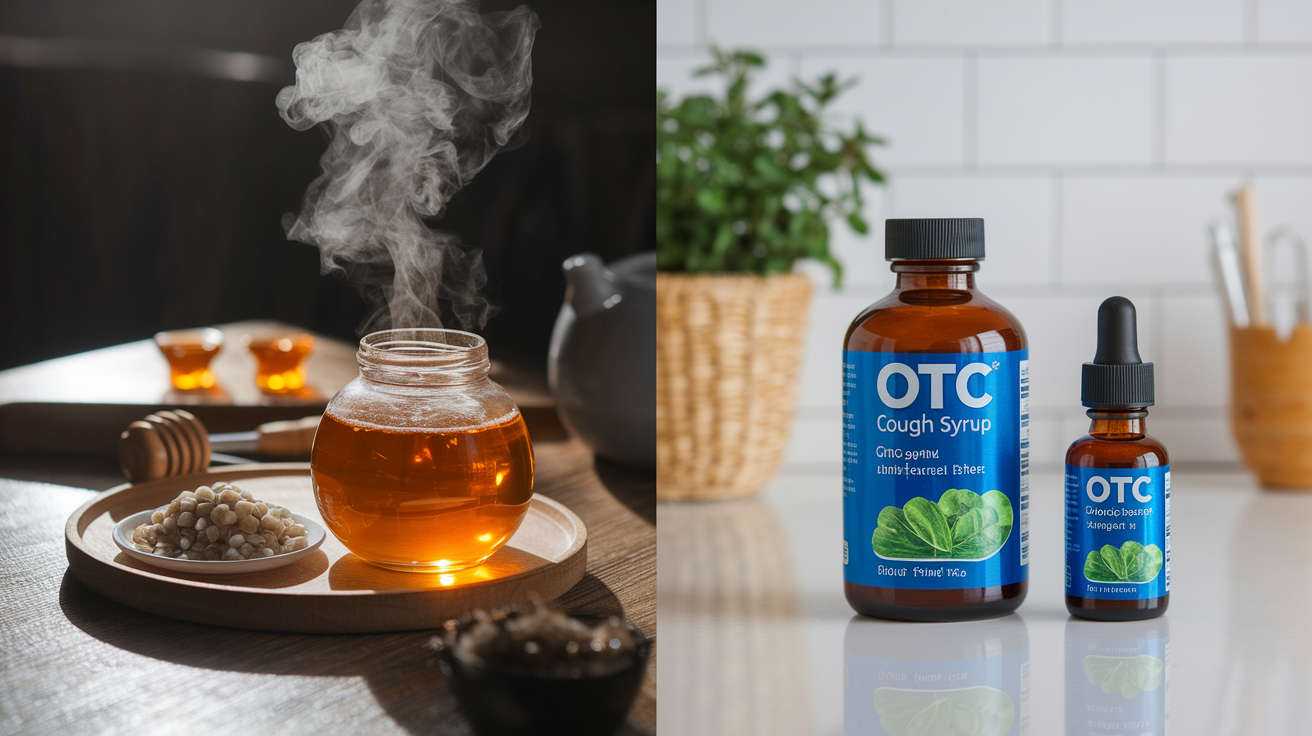
Natural cough suppressants and over-the-counter pharmacy options work through different mechanisms and have different evidence profiles. Honey’s been directly compared to dextromethorphan, the active ingredient in many commercial cough syrups, in clinical trials. In a 2007 study, honey reduced cough frequency and severity as effectively as dextromethorphan for children over age one. Honey works by coating throat tissues rather than blocking cough signals in the brain, which means it doesn’t cause drowsiness or other central nervous system effects.
Lots of over-the-counter cough syrups have surprisingly weak evidence for effectiveness, especially for viral upper respiratory infections. The active ingredients, dextromethorphan for suppression and guaifenesin for mucus thinning, provide standardized dosing and some symptomatic relief, but systematic reviews show modest benefits at best. Natural options like honey, steam, and vapor rubs have comparable or sometimes superior evidence. Topical vapor rubs have been shown to improve sleep and reduce cough in children over age 2, performing as well as or better than oral medications in some comparisons.
Cost differences favor natural remedies significantly. A small bottle of commercial cough syrup typically costs between $5 and $15 and lasts a few days to a week. A jar of honey costs $6 to $12 and provides dozens of doses. Fresh ginger root costs $2 to $6 per pound and makes multiple pots of tea. A basic humidifier is a one-time purchase of $20 to $80 that lasts for years. If you’re treating a simple viral cough that will resolve on its own within a week or two, natural options provide good symptom relief at much lower cost and without the risk of side effects like drowsiness or medication interactions.
When to See a Clinician About a Cough Despite Natural Remedies

Most coughs from common colds improve within 1–2 weeks with or without treatment. If your cough lasts more than 2–3 weeks despite using natural remedies and stays the same intensity or gets worse instead of better, schedule a clinician visit. Persistent coughs can signal bacterial infections, asthma, allergies, reflux, or other conditions that need different treatment approaches. Don’t wait the full three weeks if you’re feeling progressively worse or if you’re developing new symptoms like fever or shortness of breath.
Cough accompanied by certain symptoms needs same-day or urgent evaluation. High fever above 101.3°F (38.5°C) that doesn’t respond to fever reducers, significant difficulty breathing or wheezing, or sharp chest pain with breathing all warrant prompt medical attention. If you’re coughing up blood or rust-colored sputum, that’s a red flag for possible infection, bleeding, or other serious lung problems. Persistent vomiting triggered by coughing, inability to drink fluids, or signs of dehydration like decreased urination and dizziness also need urgent assessment.
Red-flag symptoms requiring prompt or emergency evaluation:
- Cough producing blood or rust-colored mucus
- Severe shortness of breath, stridor, or wheezing that limits your ability to speak in full sentences
- High fever above 101.3°F (38.5°C) lasting more than 2–3 days or returning after initial improvement
- Sharp chest pain that worsens with breathing or coughing
- Inability to drink fluids or signs of dehydration
- Cough in infants under 3 months of age or any infant with difficulty breathing, poor feeding, or lethargy
How to Track Your Cough at Home for Better Natural Treatment Results

Tracking your cough patterns helps you identify what works, what doesn’t, and when to escalate to professional care. Write down when your cough’s worst during the day, like early morning, after meals, or at night. Note whether it’s dry and irritating or productive with mucus, and what color and consistency any mucus is. Track what you tried, honey before bed, ginger tea in the morning, humidifier overnight, and whether it made a noticeable difference within a few hours or the next day.
Pay attention to triggers and relief factors. Does your cough get worse in dry air, after talking, when lying flat, or after eating certain foods? Does it improve with steam, warm drinks, or fresh air? Are you staying hydrated throughout the day? Dehydration thickens mucus and makes coughs feel harsher. Warm fluids in particular help thin mucus and soothe irritation, so if you’re only drinking cold water you may not be getting the full benefit of hydration for cough relief.
What to record in your daily symptom journal:
- Cough frequency and intensity at different times of day, especially morning, afternoon, evening, and overnight
- Type of cough (dry, tickly, productive with mucus) and any changes in mucus color or consistency
- Natural remedies used, exact doses and timing, and whether symptoms improved within 2–4 hours of use
Final Words
Try something now: warm tea with about 1–2 tsp honey and lemon, short steam sessions, or ginger tea to ease cough.
They work by coating the throat, calming the cough nerves, and adding moist air to reduce irritation.
Keep safety in mind—no honey for babies under 12 months, check herbs if pregnant or on blood thinners, and watch for red flags like trouble breathing or high fever.
If cough lasts more than 2–3 weeks, see your clinician. Using a gentle natural cough suppressant often helps and gives you clearer notes to share.
FAQ
Q: How do you suppress a cough naturally?
A: You can suppress a cough naturally by soothing the throat with honey or warm fluids, reducing inflammation with ginger, and adding moisture using steam or a humidifier; avoid smoke and rest, seek care if worse.
Q: How do I stop uncontrollable coughing at night?
A: To stop uncontrollable coughing at night, raise your head, sip warm honey tea before bed (if older than one year), run a humidifier or do a short steam session, avoid late meals, and get help for breathing trouble.
Q: What is the fastest cure for coughing?
A: The fastest way to relieve a cough often is warm honey tea, short steam inhalation, throat lozenges, or sipping warm fluids; if cough is severe, bloody, or causes breathing problems, see a clinician promptly.
Q: How to make homemade cough medicine?
A: You make homemade cough medicine by mixing honey with lemon and fresh ginger into warm tea, or simmering and reducing elderberry or herbs; store honey-based syrups cold, avoid honey under one year, and check interactions.