

Think your cough should disappear the minute your cold does? Not usually. Most post-viral coughs linger for weeks, often 3 to 8 weeks, with milder cases clearing in 3 to 4 weeks and more inflamed airways taking 6 to 8 weeks. This piece will tell you what that timeline means, common patterns to watch for, simple self-care that helps, and clear signs that mean you should get checked sooner. If your cough lasts beyond the usual window or comes with worrying symptoms, you’ll know when to call your clinician.
Understanding the Typical Duration of a Post‑Viral Cough
Most post‑viral coughs stick around for 3 to 8 weeks after your cold, flu, or other respiratory infection clears up. Mild cases often resolve within 3 to 4 weeks. Airways with more inflammation commonly take 6 to 8 weeks to calm down. About one in four adults still has a cough after their other cold symptoms disappear.
If a cough keeps going longer than 8 weeks in adults, further evaluation makes sense. For kids, the threshold is typically 4 weeks, after which pediatric assessment is often smart. These timeframes aren’t random. They represent the window in which damaged airways usually heal and the heightened cough reflex settles back to normal.
Several things influence how quickly you recover. Age matters. So do underlying respiratory conditions like asthma or chronic bronchitis, and the degree of initial airway irritation. Someone who had a severe viral illness or who has seasonal allergies may land on the longer end of the 3 to 8 week range. A younger person with no pre‑existing lung issues may clear symptoms closer to 3 or 4 weeks.
Here are the most common duration ranges:
Typical post‑viral cough: 3 to 8 weeks
Mild airway irritation: often resolves by 3 to 4 weeks
More inflamed airways: commonly 6 to 8 weeks
Beyond 8 weeks in adults or 4 weeks in children: warrants medical evaluation
Why a Post‑Viral Cough Lingers Beyond the Initial Infection
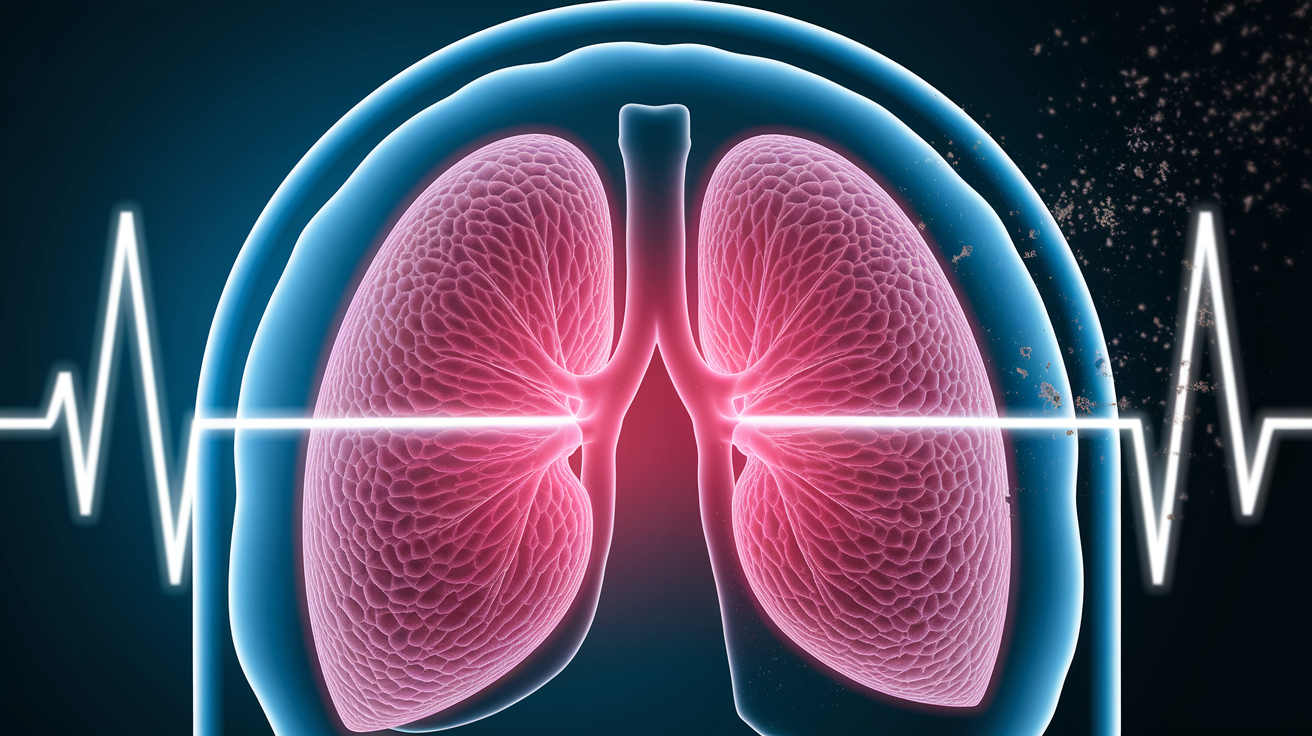
Even after the virus itself is long gone, your airways remain inflamed and hypersensitive. The infection damages the protective layer of cells lining your breathing tubes, triggers ongoing inflammation, and leaves the cough reflex in an overly reactive state. Small irritants that your lungs normally ignore can set off a coughing fit. Cold air, talking, or a deep breath become triggers because the threshold for coughing is temporarily lowered.
Postnasal drip is another common driver. Mucus draining down the back of your throat during and after a respiratory infection irritates the upper airway and vocal cords, prompting throat clearing and cough. In some cases, the act of coughing itself worsens reflux, which then irritates the throat further. This creates a cycle that keeps the cough alive even when the virus is no longer present.
Key things that keep a post‑viral cough going:
Residual airway inflammation and damage to the protective cell layer
Heightened cough reflex sensitivity, making airways react to minor triggers
Postnasal drip and mucus drainage irritating the throat and vocal cords
What a Post‑Viral Cough Typically Feels Like

A post‑viral cough is usually dry or produces only small amounts of clear or white mucus. It often worsens at night when you lie flat, which allows mucus to pool in the back of your throat. You might notice a persistent tickle or irritation that makes you want to clear your throat frequently. Or a sensation that something is stuck in your airway.
Many people also experience hoarseness, voice fatigue, or mild chest tightness without any signs of active infection like fever. The cough can be triggered by specific activities. Talking on the phone, laughing, stepping outside into cold air, or breathing in strong smells or perfume. Here’s what commonly shows up:
Dry or minimally productive cough with clear or white mucus
Worsening at night or when lying down
Tickling or irritation in the throat, frequent throat clearing
Hoarseness or voice fatigue
Cough triggered by talking, laughing, cold air, or strong scents
Differentiating a Post‑Viral Cough from Other Causes

Not every lingering cough after a cold is purely post‑viral. About 60 to 70 percent of persistent coughs follow a recent infection, but clinicians routinely screen for other contributors. Especially when symptoms don’t match the typical post‑viral pattern. Bacterial infections tend to worsen over time instead of gradually improving. Pneumonia usually brings fever, significant shortness of breath, or chest pain alongside the cough.
Pertussis, or whooping cough, can mimic a post‑viral cough but typically causes severe, prolonged paroxysms of coughing. Sometimes ending in a characteristic whoop or vomiting. Reflux‑related cough is often accompanied by hoarseness, a sour taste, or throat clearing that’s worse after meals or when lying down. Asthma or cough‑variant asthma may present with wheezing, chest tightness, and cough that responds well to inhaled bronchodilators.
Distinguishing From Allergies, Reflux, and Asthma
Allergies usually produce seasonal or exposure‑related symptoms. Clear runny nose, sneezing, itchy eyes, and cough that improves when you remove the allergen or use antihistamines. Reflux causes throat clearing, hoarseness, a lump‑in‑throat sensation, and symptoms that worsen after eating, at night, or when bending over. Asthma or cough‑variant asthma typically includes wheeze, chest tightness, cough triggered by exercise or cold air, and noticeable improvement with inhaled medications.
Signs a Lingering Cough Might Be Pertussis or Pneumonia
Pertussis often starts like a cold but progresses to intense coughing spells that can last several minutes. Sometimes followed by a gasping inhale or vomiting. The cough can persist for 6 to 10 weeks or longer. Pneumonia usually presents with high fever, shortness of breath even at rest, chest pain with deep breathing or coughing, and thick, discolored sputum. Clinicians will order a chest X‑ray and consider PCR testing for pertussis if the pattern fits.
When a Post‑Viral Cough Needs Medical Attention

Most post‑viral coughs improve steadily over several weeks without medical intervention. But certain symptoms signal that something more serious may be happening. If your cough lasts longer than 8 weeks in adults or 4 weeks in children, schedule an evaluation. Worsening symptoms instead of gradual improvement also warrant a visit.
Red flags include coughing up blood, even small streaks. Thick yellow or green mucus that appears or increases. New or worsening shortness of breath, chest pain, high fever that returns after initially improving, or difficulty swallowing. If the cough is severe enough to disrupt your sleep or daily functioning for more than a couple of weeks, see your primary care provider.
Watch for these urgent symptoms:
Coughing up blood (hemoptysis), any amount
Thick, discolored mucus (yellow, green, or brown)
New or worsening shortness of breath or breathing difficulty
Chest pain, especially with breathing or coughing
High fever or fever that returns after improving
Difficulty swallowing or unintentional weight loss
Diagnostic Steps If a Post‑Viral Cough Persists
When a cough doesn’t resolve within the expected timeframe or red‑flag symptoms appear, your clinician will begin with a detailed history and physical exam. They’ll ask about the timeline, character of the cough, sputum production, triggers, and any associated symptoms like fever, weight loss, or breathing difficulty. Listening to your lungs with a stethoscope can reveal wheezing, crackles, or other abnormal sounds.
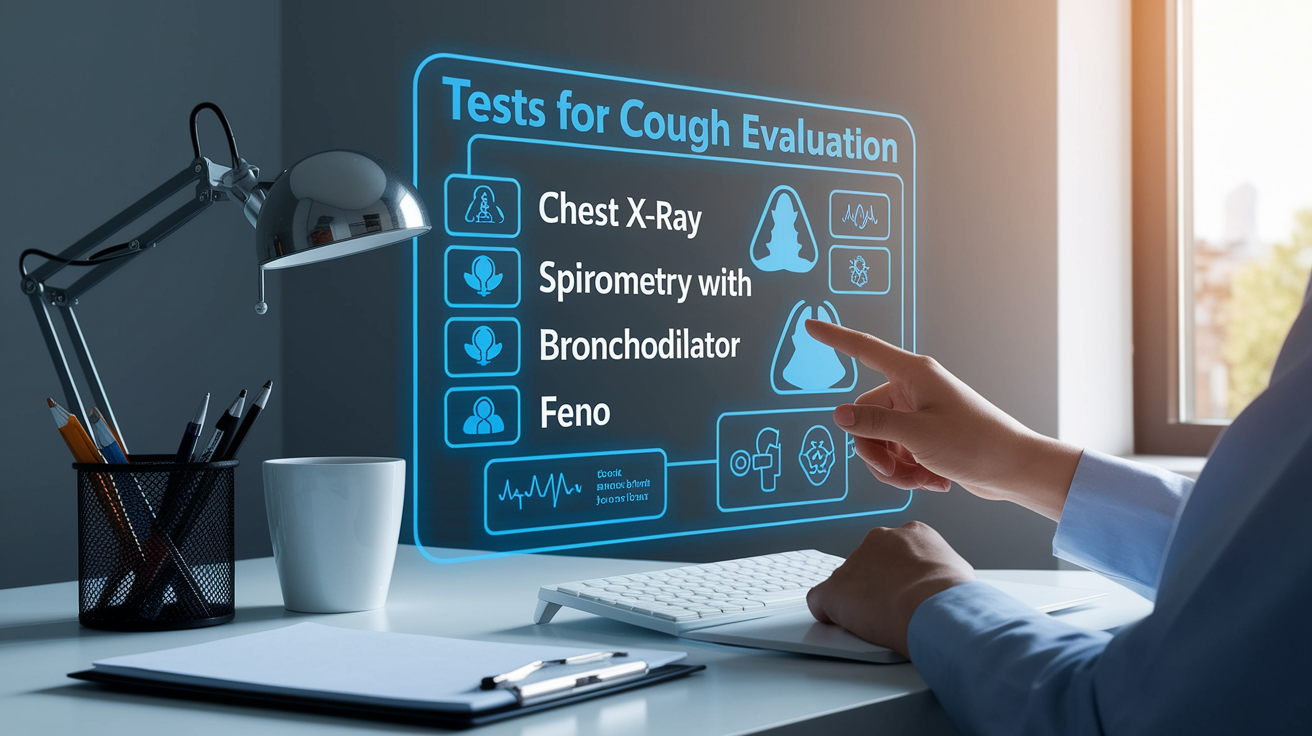
If your cough has lasted longer than 8 weeks or if concerning features are present, a chest X‑ray is commonly ordered to rule out pneumonia, lung masses, or other structural issues. Additional testing may include spirometry with a bronchodilator to check lung function and detect asthma. A FeNO test to measure airway inflammation. PCR testing for pertussis or COVID‑19 if suspected, or sputum cultures if thick mucus is present.
| Test | What It Assesses |
|---|---|
| Chest X‑ray | Detects pneumonia, masses, or structural lung abnormalities |
| Spirometry with bronchodilator | Measures lung function and identifies asthma or airway obstruction |
| FeNO (fractional exhaled nitric oxide) | Quantifies eosinophilic airway inflammation, supports asthma diagnosis |
Supporting Recovery and Easing a Post‑Viral Cough
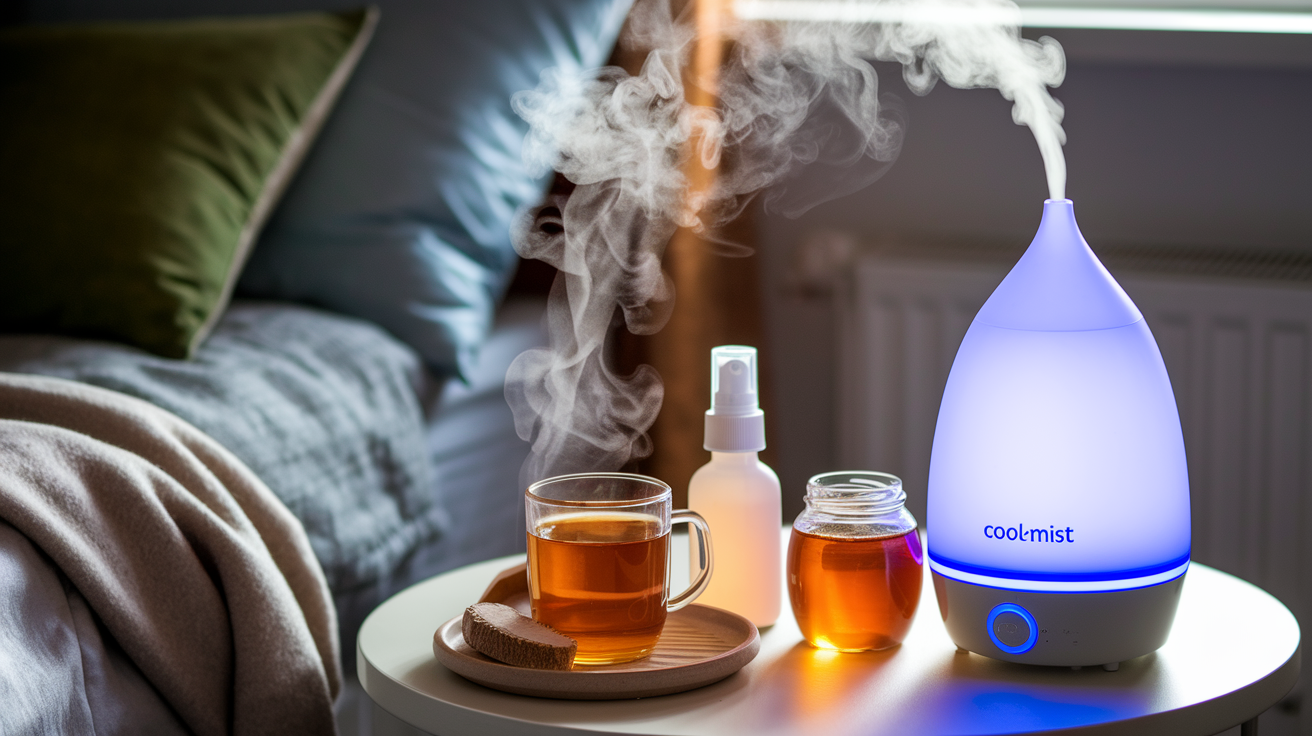
Time and patience are the foundation of recovery for most post‑viral coughs. Your airways need weeks to heal, and you can support that process with simple, safe steps at home. Running a cool‑mist humidifier or breathing in steam from a bowl of hot water can soothe irritated airways and loosen mucus. Staying well hydrated with warm fluids like herbal tea or broth keeps mucus thin and easier to clear.
Saline nasal sprays or rinses reduce postnasal drip, one of the main drivers of lingering cough. Honey can calm the cough reflex and coat the throat. Typical doses used in studies are about 1 to 2 teaspoons (5 to 10 mL) at bedtime for anyone over age 1. Never give honey to infants under 12 months because of the risk of botulism. Throat lozenges, especially those with menthol, relieve throat irritation and can temporarily open nasal passages.
Avoiding smoke, strong fumes, and other irritants gives your healing airways a break. Over‑the‑counter cough syrups containing dextromethorphan may provide short‑term nighttime relief, but they don’t shorten the overall duration of the cough and can cause drowsiness. Use them sparingly and only when sleep is significantly disrupted.
Simple steps to ease symptoms at home:
Use a cool‑mist humidifier or inhale steam to soothe airways
Stay hydrated with warm fluids to thin mucus
Try honey (5 to 10 mL at bedtime) for those over age 1
Use saline nasal sprays or rinses to reduce postnasal drip
Avoid smoke, strong scents, and other airway irritants
Medical Treatments if a Post‑Viral Cough Isn’t Improving
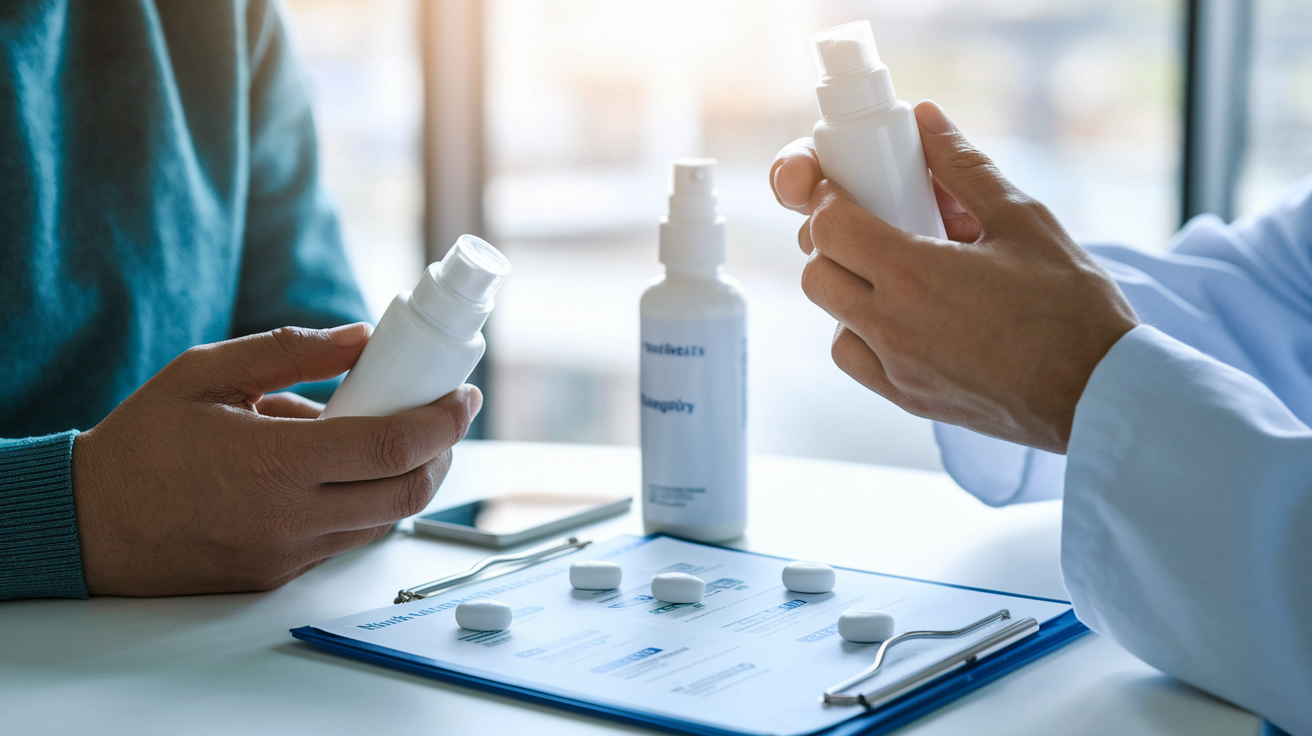
If conservative steps and time haven’t brought improvement after several weeks, your clinician may recommend targeted therapies. Inhaled bronchodilators, short‑acting relievers like albuterol, can help if wheezing or airway tightness is suspected. Inhaled corticosteroids are often tried for 2 to 4 weeks to reduce residual airway inflammation and calm the heightened cough reflex. Especially if cough‑variant asthma or postinfectious airway hyperreactivity is suspected.
Prescription nasal steroid sprays can address ongoing postnasal drip that over‑the‑counter options haven’t controlled. If reflux is contributing, treating laryngopharyngeal reflux with lifestyle changes and medications can break the cough–reflux cycle. Macrolide antibiotics like azithromycin are indicated for confirmed pertussis, typically given as a 5‑day course in adults, and can also reduce symptoms if started early in the infection.
Understanding When Antibiotics Are (and Aren’t) Useful
Repeated courses of antibiotics don’t help uncomplicated post‑viral coughs because they’re caused by ongoing inflammation and airway sensitivity, not bacterial infection. Antibiotics are only appropriate if testing or clinical signs confirm a secondary bacterial infection, pneumonia, or pertussis. Overuse of antibiotics when they aren’t needed increases resistance and side effects without shortening recovery. If your sputum remains clear or white and you have no fever or worsening symptoms, antibiotics likely won’t help. That’s why red‑flag symptoms and diagnostic testing guide the decision.
Preventing Future Post‑Viral or Prolonged Cough Episodes
While you can’t always avoid catching a cold or flu, you can reduce the likelihood and severity of lingering coughs by managing factors that irritate or weaken your airways. Avoiding tobacco smoke and secondhand smoke is one of the most effective steps. Poor air quality, strong chemical fumes, and heavy pollution can prolong airway inflammation, so limit exposure when possible.
Staying well hydrated, getting adequate sleep, and eating a balanced diet support your immune system and help your body recover faster after an infection. If you have asthma, allergies, or reflux, keeping those conditions well‑controlled reduces the chance that a viral infection will unmask or worsen chronic cough. Good hand hygiene and avoiding close contact with people who are sick lowers your risk of repeated respiratory infections.
Steps to reduce the risk of prolonged post‑viral cough:
Avoid tobacco smoke and secondhand smoke exposure
Limit exposure to air pollution and strong chemical irritants
Stay hydrated, get enough sleep, and maintain good nutrition
Manage underlying asthma, allergies, or reflux proactively
Final Words
Most post-viral coughs settle within 3–8 weeks, often sooner with simple home steps like humidified air, fluids, and avoiding smoke. We covered why coughs linger, what they usually feel like, how to spot other causes, and the red flags that need a clinician’s attention.
Keep a short symptom log, noting when it started, what triggers it, and any new warning signs. If you’re wondering post viral cough how long, track it and get checked if it’s getting worse or past the usual window. Most people improve, and recovery usually comes with time and gentle care.
FAQ
Q: Why does a post-viral cough last so long?
A: A post-viral cough lasts so long because the infection can leave airways inflamed and overly sensitive, making small triggers cause coughing. Most clear in 3–8 weeks; see a clinician if it worsens.
Q: How do you know if it’s a post-viral cough?
A: You know it’s a post-viral cough if it began after a cold or flu, is dry or mildly productive, often worse at night or with talking, and there’s no new fever or rapid decline.
Q: How to get rid of a lingering viral cough?
A: To get rid of a lingering viral cough, try humidified air, saline sprays, warm fluids, honey if older than 1 year, throat lozenges, avoid smoke, and see a clinician if it persists or worsens.
Q: How long is a postinfectious cough?
A: A postinfectious cough is usually 3–8 weeks long; many clear in 3–4 weeks while inflamed airways may take 6–8 weeks. Adults beyond 8 weeks or children beyond 4 weeks should be evaluated.