

Think slathering on thick cream always helps? With weeping eczema, that can trap bacteria and slow healing.
When your skin is leaking clear or yellow fluid, act quickly but gently: rinse with lukewarm water, pat dry, and protect the area while watching for signs of infection.
This post gives clear, safe steps you can try now, what to avoid, how to dress draining patches, and when to call your clinician or seek urgent care.
Most flares improve with smart immediate care.
Immediate Care Steps for Managing a Weeping Eczema Flare
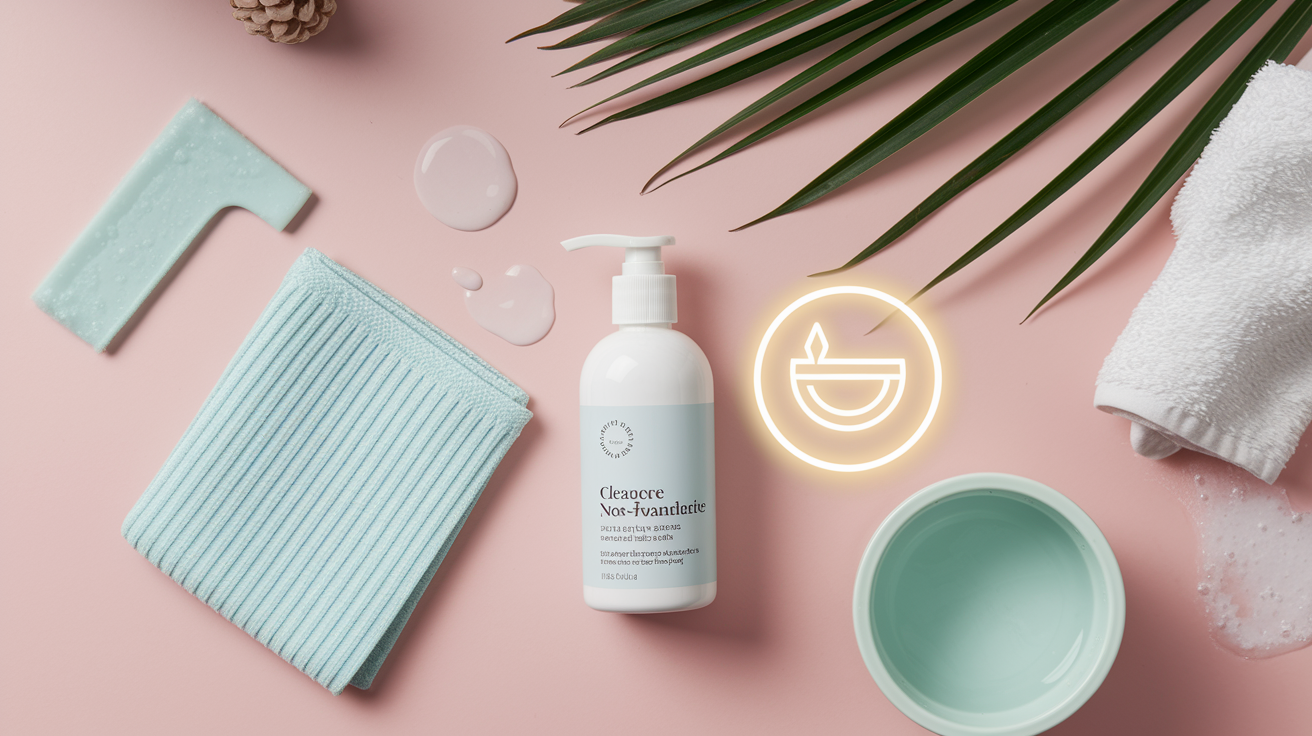
When your eczema starts oozing clear or yellowish fluid, you need to move quickly but stay gentle. First, clean the area without stripping away what’s left of your skin’s natural protection. Second, lower infection risk without making the irritation worse.
Clean once or twice daily using lukewarm water. Hot water feels soothing in the moment, but it’ll dry out and damage your skin even more. Use a fragrance free, non foaming cleanser, or just plain water if the area looks really raw. Keep baths or showers under 10 minutes. Don’t use scrubs, loofahs, washcloths, exfoliants, or anything with added fragrance, essential oils, or alcohol. A colloidal oatmeal bath can calm inflammation and itch, but keep the water lukewarm and don’t soak longer than 10 minutes.
Your skin is leaking because the barrier’s broken and inflammation is pulling fluid to the surface. Cleaning removes bacteria, dried fluid, and irritants. But scrubbing or using harsh products will make the weeping worse and slow down healing.
Basic care steps:
- Rinse the weeping area gently with lukewarm water, or apply a cool, clean, damp cloth for 5 to 10 minutes.
- Use a small amount of fragrance free, non foaming cleanser if needed, then rinse thoroughly.
- Pat the skin dry with a clean, soft towel. Don’t rub.
- Leave actively oozing areas uncovered briefly to let fluid evaporate, unless a healthcare provider’s told you to cover them.
- Apply a cool, clean, damp compress to very inflamed areas for 10 to 15 minutes if it feels soothing.
- Don’t apply moisturizer directly onto open, oozing, or broken skin unless your clinician instructs you to.
- Moisturize the surrounding intact skin to protect the barrier and keep nearby areas from breaking down.
Recognizing Infection Risks and Warning Signs in Weeping Eczema

Weeping alone doesn’t always mean infection. But infection’s common when eczema gets this severe. The usual culprit is Staphylococcus aureus, a bacteria that lives on skin and loves damaged, moist areas. Sometimes it’s methicillin resistant Staphylococcus aureus (MRSA), which needs specific antibiotics. Fungal infections can also complicate weeping eczema, especially in warm, folded skin areas like the neck, armpits, or groin.
Viral infections are less common but more serious. Herpes simplex virus can spread rapidly across eczema damaged skin, causing a condition called eczema herpeticum. This shows up as painful, grouped blisters that may look punched out or have a scalloped edge, often around the face or neck. It can make you feel very sick very fast and needs immediate antiviral medication.
Some warning signs point specifically to infection rather than just inflammation. These don’t mean you need the ER right away, but they do mean you need a clinician evaluation soon, often same day or next day.
Infection specific red flags:
- Thick yellow, green, or white pus coming from sores or blisters
- Honey colored crusts forming on top of oozing areas
- Skin that feels hot to the touch, with spreading redness beyond the original eczema patch
- New or worsening pain and tenderness, especially if it’s sharp or throbbing
If you see grouped painful blisters that look different from your usual eczema, or if you develop fever, chills, swollen lymph nodes, or feel sick all over, get evaluated urgently. Those symptoms can mean the infection’s spreading beyond the skin.
Dressing Techniques for Managing Oozing Eczema Lesions
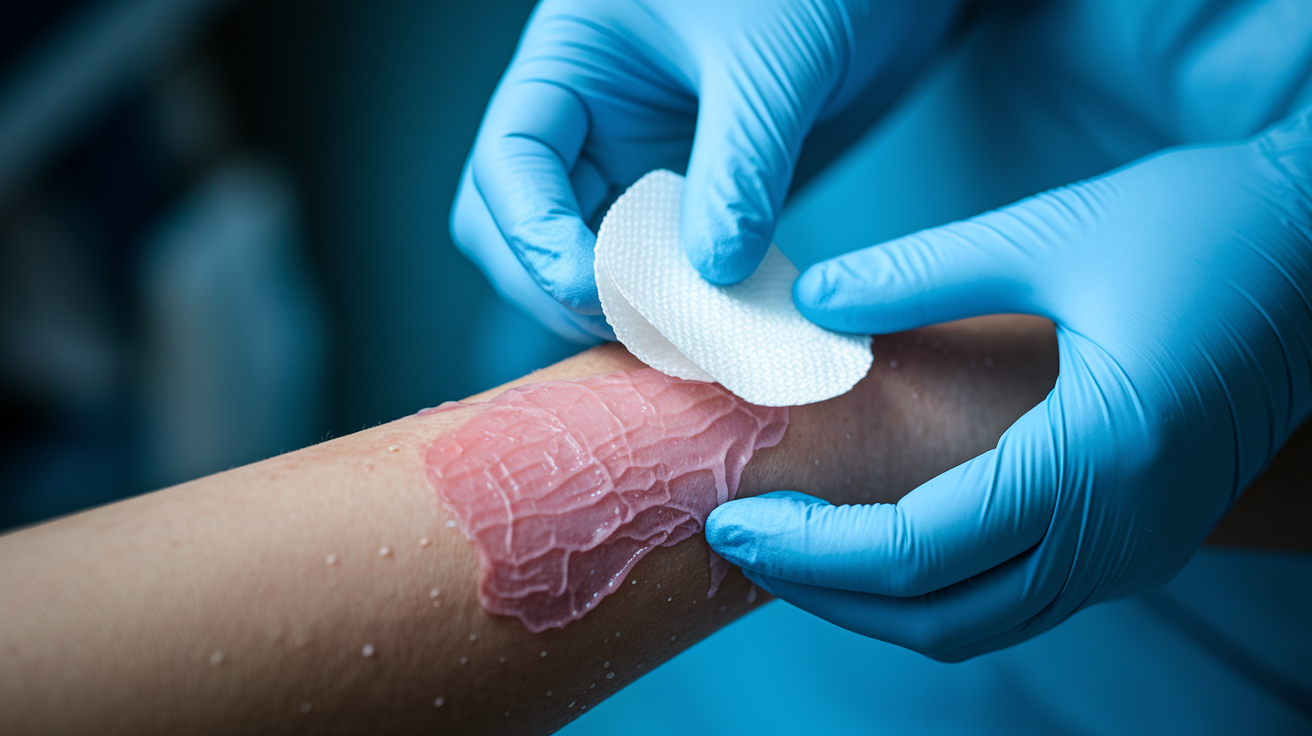
Once you’ve cleaned and dried the area, you may need to cover it, especially if fluid’s still draining, if the area rubs against clothing, or if a clinician has prescribed medicated wet wraps. The right dressing absorbs fluid, protects fragile skin, and keeps bacteria out without sticking or tearing when you remove it.
Non adherent sterile pads are the safest choice for raw, weeping skin. These have a smooth or mesh surface that won’t pull off new skin when you change them. Gauze alone can stick to moist wounds, so pair it with a non stick pad or apply a thin layer of plain petrolatum first if your provider okays it. Change dressings at least once a day, or more often if they become soaked, dirty, or start to smell. Wet dressings left too long can trap bacteria and make infection worse, a problem called maceration.
Dressing types and their purposes:
- Non adherent pads: smooth surface, won’t stick to raw skin, good for daily changes on oozing areas.
- Sterile gauze over non stick layer: absorbs fluid, holds dressings in place, easy to secure with tape or wrap.
- Tubular bandage or soft wrap: holds dressings without adhesive, useful on arms, legs, or areas where tape irritates.
- Wet wrap therapy (clinician supervised): damp cloth or bandage over prescribed medication, then dry layer on top. Used for severe flares to boost treatment and calm itch.
- Hydrocolloid or foam dressings: absorb heavy drainage and protect skin, but only use these if a healthcare provider recommends them, since they’re occlusive and can trap heat or bacteria if misused.
Medication Guidance for Weeping Eczema and When Each Option Is Used

Weeping eczema usually needs more than skincare. The right medication depends on whether you have infection, how severe the inflammation is, and whether the flare’s localized or widespread.
Topical antibiotics like mupirocin or fusidic acid work for small infected areas. If redness is spreading, you’re running a fever, or multiple spots are infected, oral antibiotics are usually needed. Common choices include cephalexin, dicloxacillin, or doxycycline. If herpes simplex is suspected (especially eczema herpeticum), oral acyclovir or valacyclovir must be started right away. Topical corticosteroids reduce the inflammation that’s driving the weeping, and your clinician will choose a potency based on location and severity. Stronger steroids for thick skin on hands or feet, milder ones for face or skin folds. Oral corticosteroids like prednisone are reserved for very severe flares that aren’t responding to topical treatment, and they’re used short term because of side effect risks.
Antihistamines don’t treat the flare directly, but they help you sleep by reducing nighttime itch. That matters, because scratching during sleep can reopen healing areas and let bacteria back in.
| Medication Type | When Used | Important Notes |
|---|---|---|
| Topical antibiotics | Small, localized infected areas | Use only as prescribed. Overuse can cause resistance |
| Oral antibiotics | Spreading infection, fever, multiple infected sites | Finish the full course even if skin looks better |
| Topical corticosteroids | Inflammation and weeping without infection | Potency chosen by location. Taper as directed to avoid rebound |
| Oral corticosteroids | Severe, widespread flares not controlled by topical treatment | Short term use only. Monitor for side effects |
| Oral antivirals (acyclovir, valacyclovir) | Suspected or confirmed eczema herpeticum | Start immediately. Delay can lead to serious complications |
Moisture and Skin Barrier Support Around Weeping Areas
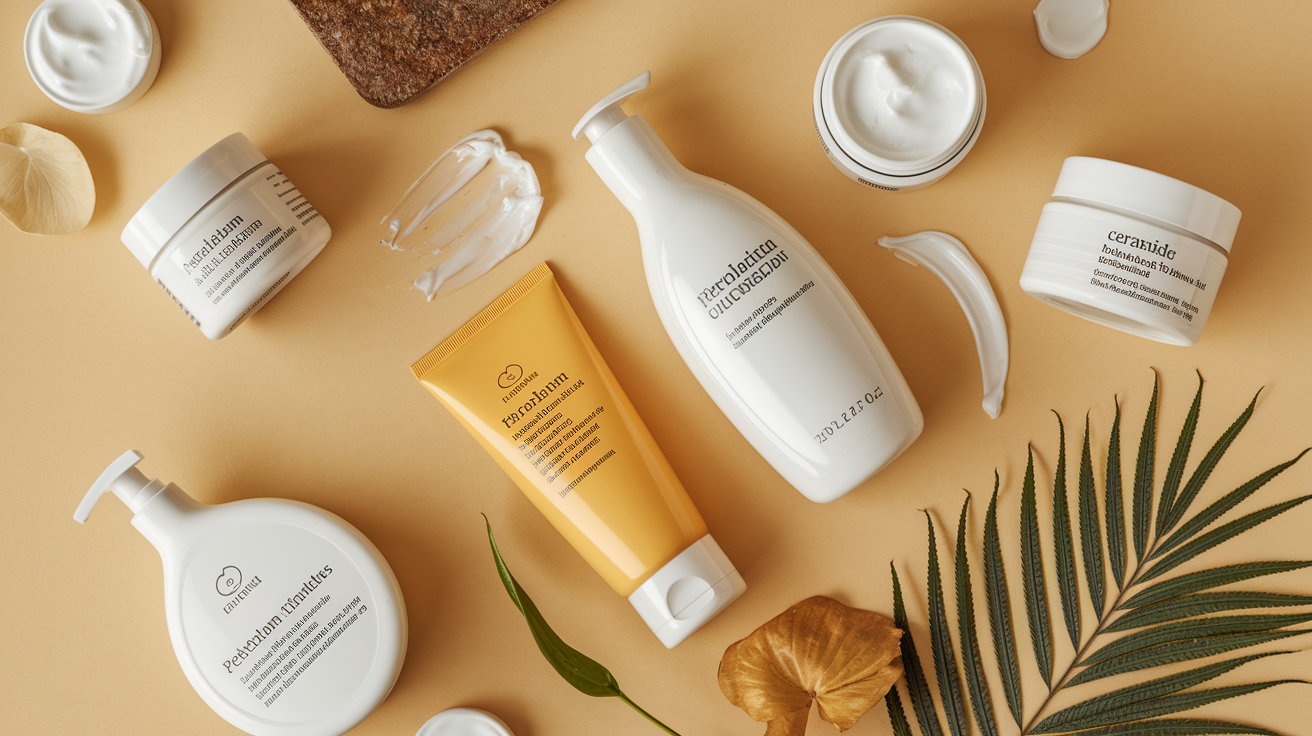
Your skin’s barrier is broken during a weeping flare, and restoring it is key to stopping the cycle. But you have to be smart about where and when you moisturize. Putting thick creams or ointments directly onto open, oozing skin can trap bacteria, block drainage, and make things worse.
Instead, focus on the intact skin around the weeping area. Apply a fragrance free emollient with ceramides, colloidal oatmeal, or hyaluronic acid to healthy looking skin within a few minutes after patting dry. This creates a protective buffer and keeps nearby areas from cracking and joining the flare. Once the oozing stops and new skin starts forming (usually within a few days if infection’s controlled), you can carefully start moisturizing the healing area itself, as long as it’s no longer wet or raw.
Ointments are the most occlusive and longest lasting, but they’re greasy and can feel heavy. Creams absorb faster and work well for daytime. Lotions are lightest but may sting if skin’s very raw, and they don’t last as long. Plain petrolatum is safe and effective, but it won’t add moisture. It only seals in what’s already there, so apply it over damp skin. Natural options like coconut oil or aloe vera can soothe and have mild antibacterial or anti inflammatory effects, but they’re adjuncts, not replacements for prescribed treatment, and you should avoid putting them on open sores unless your provider says it’s okay.
Emollient options:
- Ointments (petrolatum based): longest protection, best for very dry or thickened skin. Greasy texture.
- Creams (water and oil blend): absorb well, good balance of moisture and comfort. May contain preservatives that can irritate some people.
- Lotions (more water than oil): lightest feel, easiest to spread. Need more frequent reapplication.
- Ceramide rich formulas: help rebuild the lipid barrier. Especially helpful during and after flares.
Nighttime Weeping Eczema Care and Itch Control
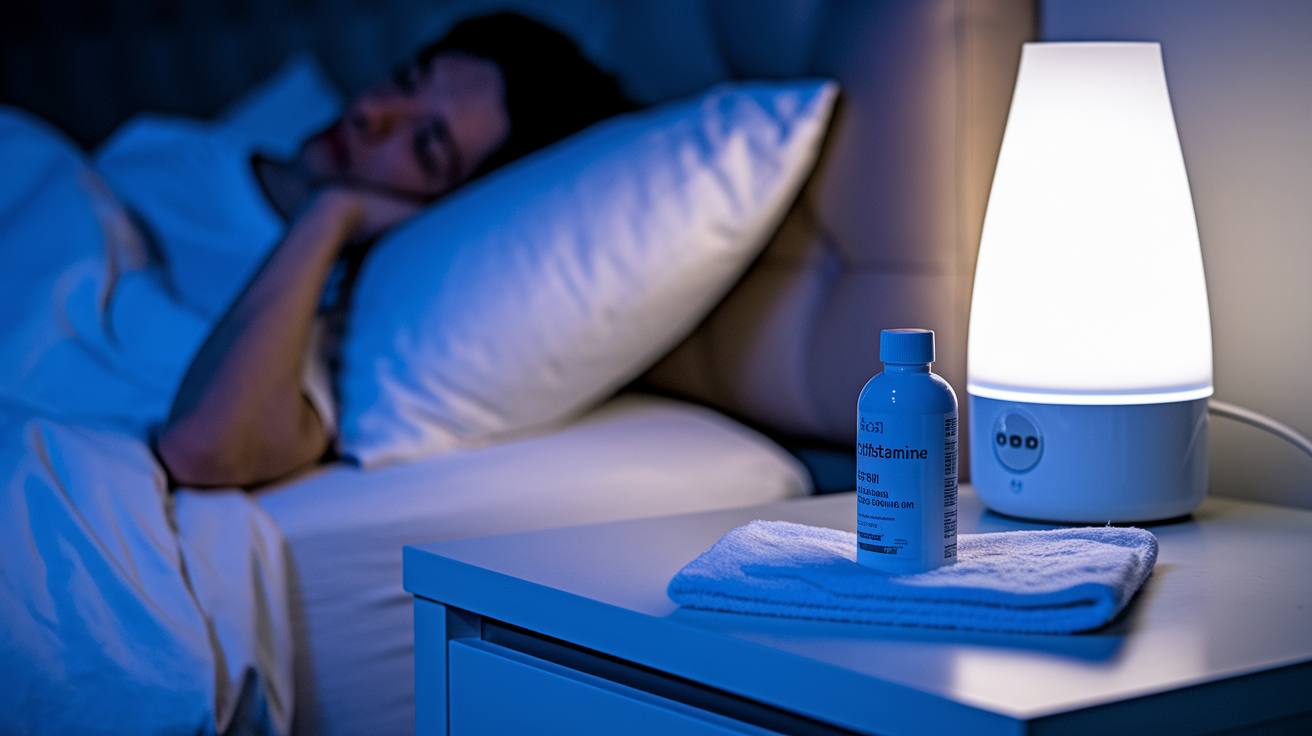
Nighttime is when weeping eczema tends to feel the worst. You’re tired, your skin’s warm under blankets, and itch can wake you up or make you scratch in your sleep without realizing it. That scratching reopens blisters, spreads bacteria, and keeps the weeping going.
An oral antihistamine like diphenhydramine or hydroxyzine before bed can reduce itch and help you sleep. Keep your bedroom cool. Heat and sweating make itching worse. If you wake up scratching, get up, rinse the area gently with cool water, pat dry, and reapply any prescribed treatment. Some people find it helpful to wear soft cotton gloves or keep nails trimmed short to minimize damage if they scratch during sleep.
If a healthcare provider has recommended wet wrap therapy, nighttime’s often the best time to use it. Apply your prescribed medication to the affected area, cover it with a damp (not dripping) layer of soft cloth or gauze, then add a dry layer on top. This keeps the skin cool, boosts medication absorption, and reduces the urge to scratch. Leave it on for a few hours or overnight, depending on your clinician’s instructions, and remove it if it starts to feel too wet or uncomfortable.
When to Seek Medical Help for Severe Weeping Eczema

Most weeping flares can be managed at home once you know what to do, but some situations need professional evaluation right away. If you’re unsure, it’s always okay to call your clinician or use a telemedicine visit for a quick check.
Get same day or next day care if the weeping area’s spreading fast, if redness is moving outward in streaks, or if you develop new swelling, warmth, or throbbing pain. Those signs suggest the infection’s advancing and needs prescription antibiotics. If over the counter care isn’t helping after two or three days, or if the flare’s getting worse instead of better, don’t wait. Schedule an appointment.
Urgent action red flags:
- Fever, chills, or feeling sick all over (muscle aches, fatigue, headache)
- Thick yellow, green, or foul smelling pus draining from sores
- Painful grouped blisters that look punched out or crusted, especially on the face or neck (possible eczema herpeticum)
- Rapidly spreading redness or swelling beyond the original eczema patch
- Red streaks extending from the affected area toward the body
- Swollen, tender lymph nodes in the neck, armpits, or groin near the flare
If you see signs of eczema herpeticum or if you’re running a high fever with widespread skin involvement, go to urgent care or the emergency department. A wound culture may be needed if the infection isn’t responding to initial treatment, especially if MRSA or an unusual bacteria is suspected. The clinician will swab the area, send it to a lab, and adjust antibiotics based on what grows.
Long Term Management After a Weeping Flare Resolves

Once the oozing stops and your skin starts to heal, your job isn’t over. The new skin is fragile and the barrier’s still weak, so you need to protect it carefully to prevent another flare. Most weeping eczema improves within two to three weeks if infection’s treated and inflammation’s controlled, but it can take longer if the flare was severe or if you keep hitting triggers.
Keep moisturizing at least twice a day, even after your skin looks normal. Use the same gentle, fragrance free products you used during the flare. Avoid known irritants like harsh soaps, perfumes, household cleaners, rough fabrics, and slowly reintroduce any skincare or hygiene products you stopped during the flare, one at a time, so you can spot a problem if it comes back.
Start a simple symptom journal. Write down when flares happen, what your skin looked like, what you were doing or eating in the days before, and what helped. Patterns will emerge. Maybe flares spike during pollen season, after eating certain foods, or during stressful weeks at work. Share that journal with your clinician at follow up visits so you can build a personalized prevention plan.
Prevention checklist:
- Moisturize intact skin twice daily with a barrier repair formula.
- Avoid hot showers, long baths, and any products with fragrance or alcohol.
- Identify and limit contact with known irritants and allergens.
- Manage stress with regular sleep, movement, and calming routines.
- Monitor your skin daily for early signs of redness, dryness, or itch, and treat them before they escalate.
Clothing, Bedding, and Home Hygiene Adjustments During Oozing Flares

What touches your skin matters just as much as what you put on it. During a weeping flare, fabrics can absorb fluid, rub raw areas, and trap bacteria if they’re not chosen carefully.
Wear soft, breathable cotton clothing and wash it in fragrance free, dye free detergent. Skip fabric softeners and dryer sheets. They leave a residue that can irritate broken skin. Change clothes and pillowcases daily, or more often if they become damp from oozing. If fluid soaks through to bedding, wash sheets in hot water to kill bacteria. Consider using old towels or waterproof mattress protectors under your sheets if nighttime oozing is heavy.
Home adjustments during flares:
- Choose 100% cotton clothing. Avoid wool, synthetics, and tight elastic that traps moisture.
- Wash all clothing, towels, and bedding in hot water with fragrance free detergent.
- Skip fabric softener, dryer sheets, and scented laundry products.
- Change pillowcases and clothes daily, or twice daily if they become damp.
- Keep your hands clean. Wash them before touching affected areas and after applying treatments to prevent spreading bacteria.
- Use separate towels for the affected area and don’t share them with others in your household until the flare resolves.
Pediatric and Adult Specific Considerations in Weeping Eczema Care

Babies, children, and adults all get weeping eczema, but the care approach shifts depending on age and life circumstances. Infants have thinner, more sensitive skin, so antiseptic washes and some topical antibiotics aren’t safe for them. Always check with a pediatrician before using any new product on a baby’s weeping eczema. Babies also can’t tell you when something stings or feels wrong, so watch for increased crying, pulling away from touch, or refusal to sleep on the affected side.
School aged children may need a note from their clinician if weeping lesions are visible, since some schools and daycares have policies about skin infections. Explain to your child (in simple terms) that scratching spreads germs and slows healing, and help them find other ways to cope with itch. Cool compresses, distraction, gentle patting instead of scratching. Keep their nails short and consider soft cotton gloves at night.
Adults with weeping eczema on their hands face practical challenges at work, especially in jobs that require handwashing, glove use, or handling irritants. You may need to request temporary accommodations, like using non latex gloves, taking more frequent hand care breaks, or switching tasks until the flare resolves. Adults are also more likely to delay care because of cost or time, but untreated weeping eczema can lead to chronic skin thickening and repeated infections that are harder to control later.
Documenting and Tracking Weeping Flares for Medical Visits
Good records make a huge difference when you’re trying to manage recurring weeping eczema. Your clinician can’t see what your skin looked like three days ago, so photos and written notes fill in the gaps and help them make better treatment decisions.
Take clear, close up photos of the affected area when the flare starts, and then every day or two as it changes. Include a ruler or coin in the frame for scale if possible. Note the date and time on each photo. Write down what the area felt like (burning, itching, painful), what you were doing before it started, any new products or foods, and what treatments you tried. If you’re tracking triggers, include stress levels, sleep quality, recent illnesses, and environmental changes like travel or weather shifts.
Care plan checklist for medical visits:
- Date flare started and where it first appeared
- Photos showing progression, with dates and scale reference
- List of all treatments tried (products, medications, doses, how long you used them)
- Known triggers or patterns you’ve noticed
- Questions about next steps, medication adjustments, or prevention strategies
Final Words
You learned immediate steps to gently clean and pat-dry oozing skin, plus safe bathing and when to skip moisturizers. The post gave a short how-to list for first aid you can use right away.
We covered how to spot infection, simple dressing ideas, medication options, and night strategies to cut itch and scratching. There are also notes on clothing, home hygiene, and special care for kids and adults.
Keep a simple log and bring it to any visit. Use this as your practical plan for weeping eczema flare care — with steady attention, most people get better.
FAQ
Q: How to heal weeping eczema fast?
A: To heal weeping eczema fast, gently cleanse with lukewarm water, pat dry, apply cool wet compresses, keep the area clean, avoid moisturizers on open skin unless directed, and see a clinician if infection signs appear.
Q: How to stop skin weeping from eczema?
A: To stop skin weeping from eczema, wash with lukewarm water and a gentle, fragrance-free cleanser, pat dry, use cool compresses, avoid scratching, and contact your clinician if it does not improve or worsens.
Q: What is the 3 minute rule for eczema?
A: The 3 minute rule for eczema means applying moisturizer within three minutes after bathing to lock in moisture, help repair the skin barrier, and reduce the chance of flare-ups.
Q: What should you do if your eczema is oozing?
A: If your eczema is oozing, gently cleanse with lukewarm water, pat dry, use cool wet compresses, avoid putting moisturizers on broken skin, and seek medical advice for spreading redness, pus, or fever.