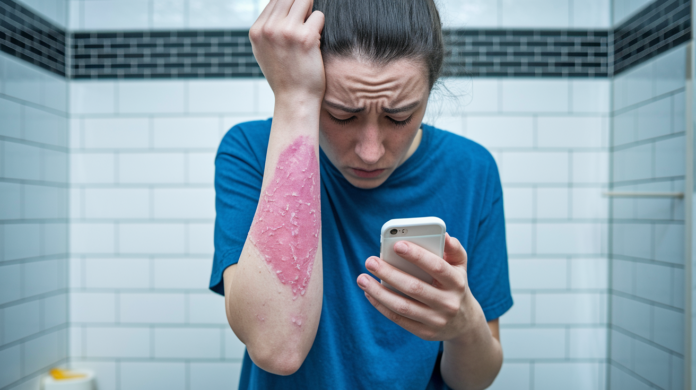

Think eczema appears out of nowhere? It almost never does.
A sudden flare is your skin telling you it hit something it couldn’t handle, showing up itchy, red, and tight fast.
Often it’s a new soap, a weather swing, pollen, stress, hormones, sweat, or a scratchy fabric.
Start by checking what changed in the last few days.
This post explains common triggers, simple quick relief you can try at home, and when to call a clinician.
Immediate Reasons Behind a Sudden Eczema Flare
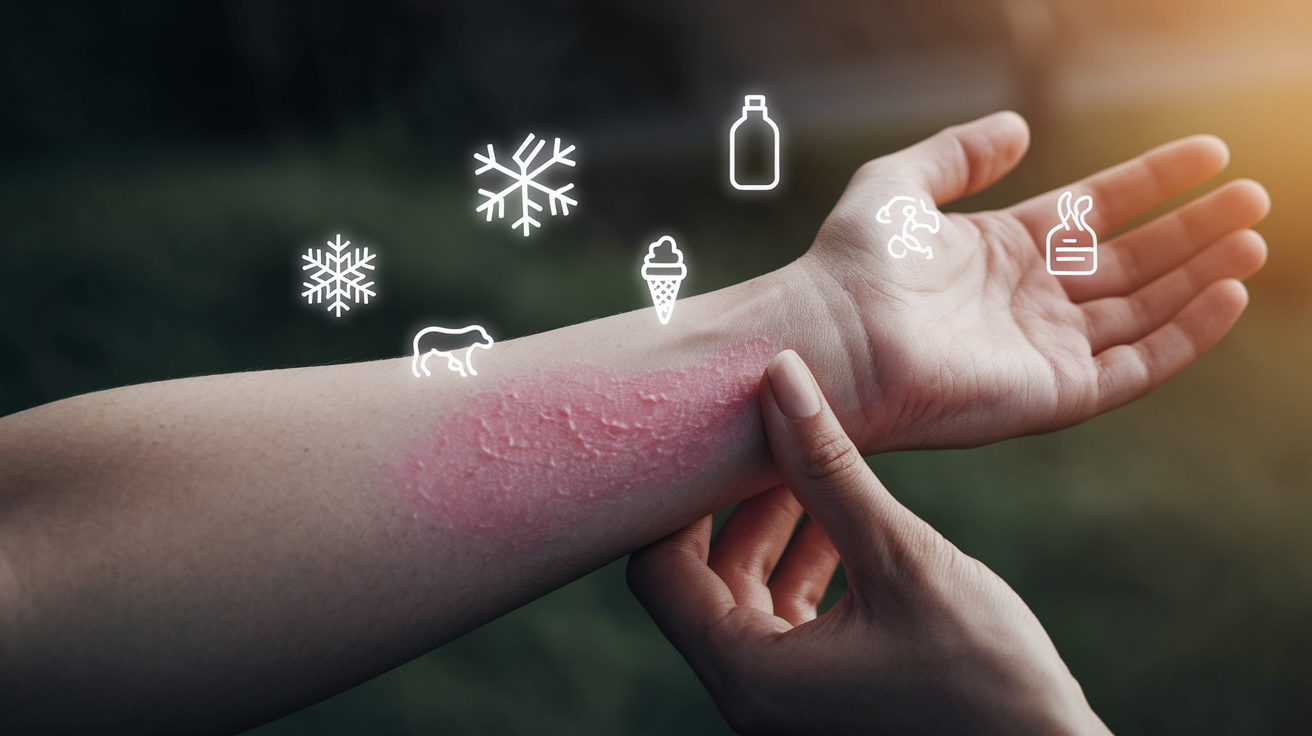
Eczema can sit quiet for weeks, then erupt into an itchy, red disaster overnight. That sudden flip usually means your skin just hit something it couldn’t handle. Most of the time, a flare out of nowhere is your body reacting to a shift in your environment, routine, or internal state. It’s not random. Something set it off.
What makes eczema flare up suddenly? A few clear buckets: things you touch, things floating in the air, changes inside your body, and daily habits that just shifted. Weather swings, different laundry soap, a rough week at work, a friend’s dog, hormones going sideways, a bowl of ice cream. Any of these can flip the switch. Your skin barrier’s already fragile, so even a minor irritant or allergen can spark inflammation fast. The flare might show up in hours or creep in over a day or two, depending on what you touched and how much.
Triggers stack. You might tolerate pollen fine on its own, but add stress and a scented lotion, and suddenly your neck’s on fire. That’s why pinning down the cause means checking what changed lately, not what’s always been there. Here are the usual suspects to look at first:
- Cold, dry air stripping moisture from your skin
- Hot, sticky weather or sudden sweating that stings inflamed spots
- New soaps, detergents, or lotions packed with fragrance or harsh chemicals
- Airborne allergens like pollen, dust mites, pet dander, mould
- Stress or anxiety dumping inflammatory chemicals into your system
- Hormonal swings from your cycle, pregnancy, or perimenopause
- Skin infections, especially bacterial bugs like Staphylococcus aureus
- New or unwashed clothes, especially wool or synthetic fabrics
- Hot showers stripping natural oils off your skin
- New foods or eating more dairy, eggs, nuts, soy, wheat
Environmental and Weather Factors Behind Sudden Eczema

Weather’s one of the fastest ways to set off a sudden outbreak. Cold, dry winter air yanks moisture straight out of your skin, leaving it cracked, tight, itchy. Indoor heating makes it worse by tanking humidity even lower. You might wake up fine and be flaring by lunch after a cold wind or a few hours in a heated room. Hot weather’s a different beast. Sweating irritates inflamed skin, and the salt in sweat stings and dries out patches. Humid air traps heat and moisture against your skin, which can crank up itching and inflammation.
Rapid temperature swings are especially rough. Going from freezing outdoors into a hot building, or from AC into summer heat, can trigger a flare within hours. Seasonal shifts bring allergens too. Spring pollen and fall mould spores land on your skin and in your airways, worsening inflammation. If your flare kicked in after the weather changed, that’s a strong clue.
Here’s what to watch:
- Flares starting during the first freeze or when furnaces kick on
- Worse symptoms after being outside in wind, pollen, or humidity
- Itching ramping up after sweating during a workout or in hot weather
- Fast onset after bouncing between extreme indoor and outdoor temps
Allergen Exposure That Can Lead to Instant Eczema Flares
Allergens are things your immune system freaks out over, and they can make eczema flare fast. Airborne allergens like pollen, dust mites, pet dander, mould don’t just mess with your nose and lungs. They land on your skin and trigger inflammation directly, or they spark a system-wide immune response that shows up as a skin flare. Food allergens work differently. If you’re sensitive to something you ate, your immune system reacts, and eczema can get worse over the next few hours to a day or two.
The tricky part? Allergen exposure isn’t always obvious. You visit a friend with a cat and notice itching that night. Or you eat eggs for breakfast and see new patches by dinner. Dust mites live in your bedding, so flares that worsen overnight or first thing in the morning can point to them. Pollen exposure often causes flares in spring and fall, especially on exposed skin like your face, neck, hands.
If you think it’s an allergen, a food diary and environmental checklist can help narrow it down. Track what you eat, where you go, what you touch for a week or two. Look for patterns. Here’s a quick reference:
| Allergen Type | Common Sources | How It Triggers a Flare |
|---|---|---|
| Pollen | Trees, grasses, weeds; outdoor air in spring and fall | Lands on skin and airways; immune response drives inflammation |
| Dust Mites | Bedding, mattresses, carpets, upholstered furniture | Inhaled or skin contact; worse overnight or morning flares |
| Pet Dander | Cats, dogs; saliva, urine, skin flakes | Direct contact or airborne bits cause localized or widespread itching |
| Mould | Damp spots, bathrooms, basements, outdoor decay | Spores trigger immune response and skin inflammation |
| Food Triggers | Dairy, eggs, nuts, soy, wheat (usual suspects) | Immune reaction after eating; flare shows up hours to 1–2 days later |
Washing bedding weekly in hot water cuts dust mite exposure. Keeping pets out of bedrooms and vacuuming regularly lowers dander. If you suspect a food, try removing it for two weeks under a clinician’s guidance and watch what happens. A lot of people find dairy or eggs are the problem, but wheat, soy, nuts can play a role too.
Irritant Products and Materials That Commonly Cause Sudden Flares
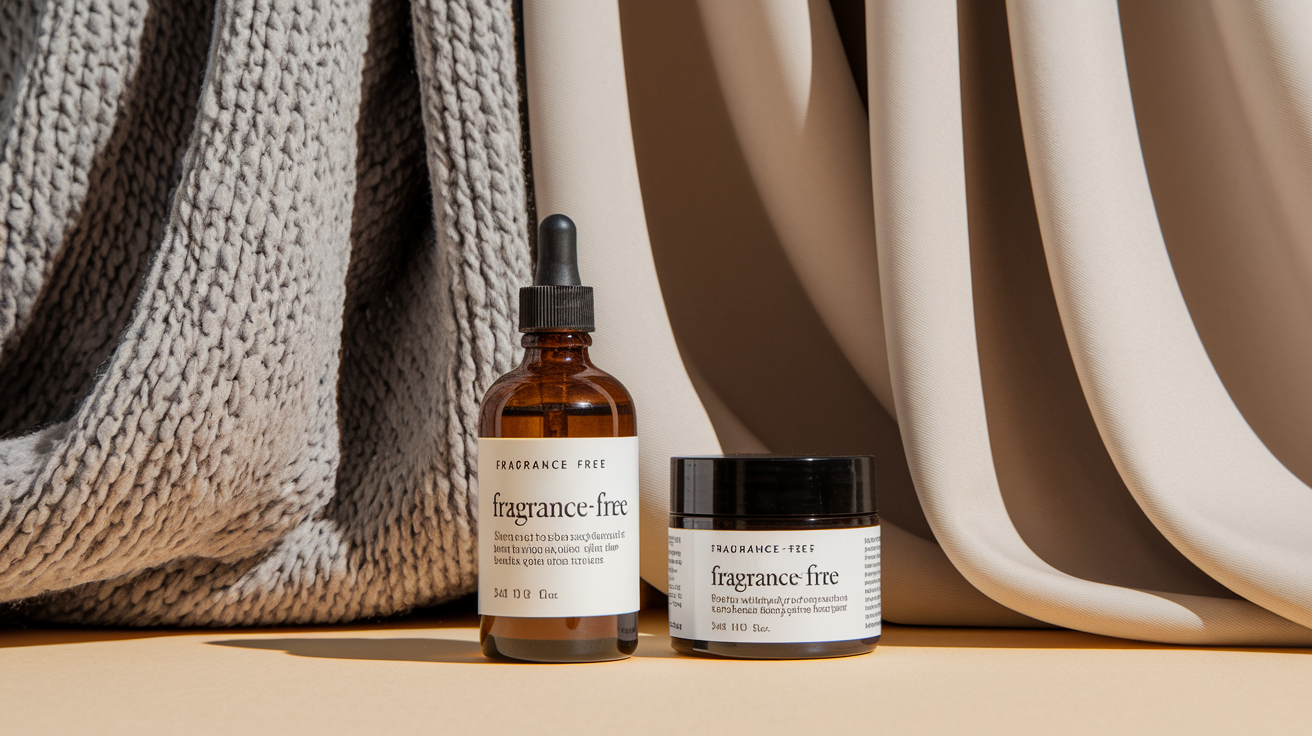
Irritants are different from allergens. They don’t set off your immune system. They just trash your skin barrier directly, causing dryness, redness, itching fast. Harsh soaps, detergents, fragranced products strip your skin’s natural oils, leaving it raw and vulnerable. Alcohol-based lotions dry skin further. Perfumes and artificial dyes can burn on contact if your skin’s already inflamed. Even products labeled “gentle” or for babies can have fragrances or preservatives that irritate eczema-prone skin.
Fabrics can act as irritants too. Wool’s a common culprit because the fibers are coarse and scratch inflamed skin. Some synthetics trap heat and moisture, making itching worse. New clothes often have chemical finishes or dyes that trigger flares on first wear. If you started using something new or wore something new and your skin flared within hours to a day, that’s your cue to stop and switch.
Most common irritant triggers to check first:
- Harsh soaps or body washes with fragrances, sulfates, dyes
- Laundry detergents with added fragrance or fabric softeners
- Scented lotions, creams, sunscreens, including some “natural” or essential-oil products
- Wool sweaters, scarves, blankets rubbing against skin
- Synthetic fabrics that don’t breathe, especially in heat
- Alcohol-based hand sanitizers, toners, astringents that dry and sting
To test whether a product caused your flare, stop using it now. Switch to fragrance-free, hypoallergenic cleansers and detergents labeled for sensitive or eczema-prone skin. Wash new clothes before wearing to strip chemical residues. If your skin starts calming down within one to two weeks, you’ve got your answer.
Internal Triggers: Stress, Hormones, and Illness That Spark Sudden Eczema

Not all eczema triggers come from outside. What’s happening inside your body can flip the inflammation switch just as fast. Emotional stress and anxiety are powerful triggers because they mess with your body chemistry. When you’re stressed, your body dumps cortisol and other inflammatory chemicals that worsen eczema. Stress flares often show up on your face, neck, hands, wrists. They can appear within a day or two of a stressful event, like a work deadline, family fight, major life change.
Hormonal changes are another big internal trigger, especially for women. Menstrual cycles shift estrogen and progesterone, which can ramp up skin sensitivity and itching. Some people flare like clockwork right before their period. Pregnancy brings wild hormonal swings that can improve or worsen eczema, and postpartum hormone drops can trigger new flares. In your 40s, perimenopause and menopause bring another round of hormonal shifts that increase the risk of adult-onset eczema or sudden worsening of existing eczema. These patterns are common across the 20s, 30s, 40s.
Infections are the third major internal trigger. Bacterial infections, especially Staphylococcus aureus, can rapidly worsen eczema. The bacteria love inflamed skin and release toxins that deepen inflammation. You’ll notice yellow crusting, oozing, spreading redness, more pain, fever. Fungal infections like athlete’s foot or ringworm can complicate eczema, same with viral infections like cold sores. If your flare suddenly got worse and looks infected, that’s urgent. Get care promptly.
Age-Specific Reasons Why Eczema Can Suddenly Appear
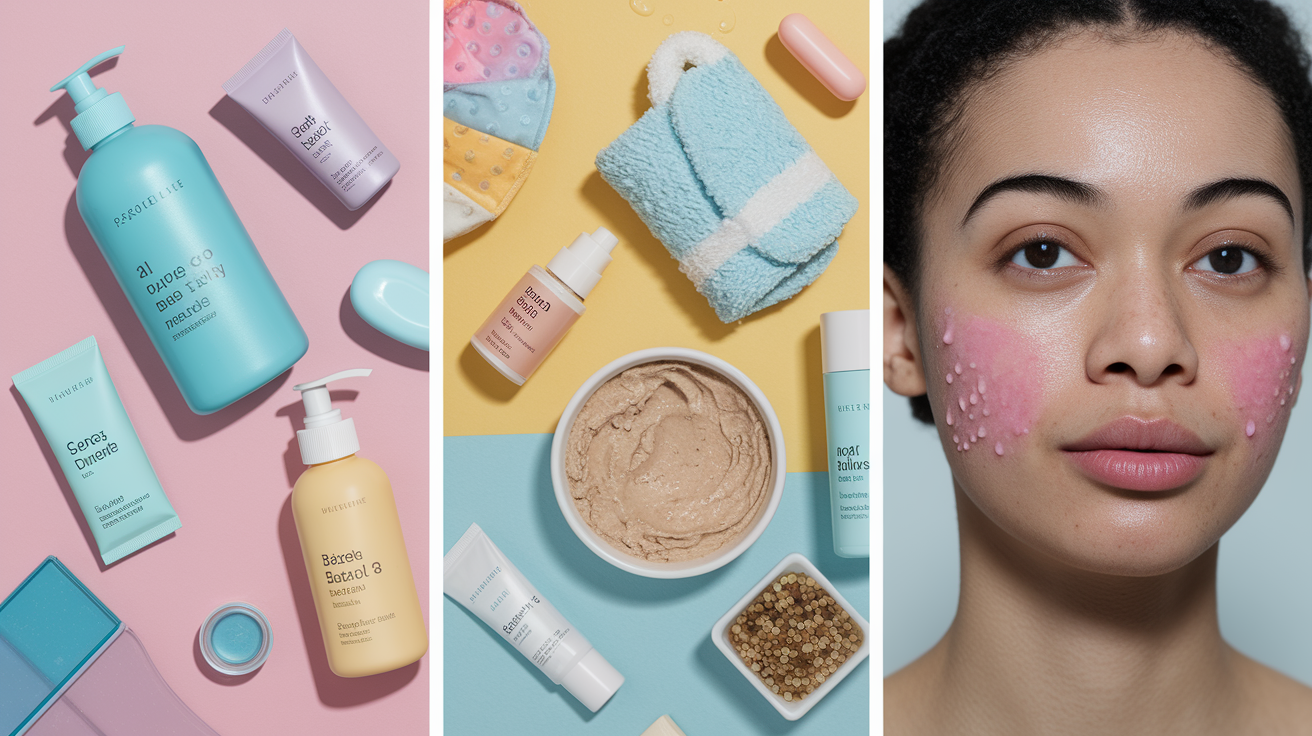
Eczema can start for the first time at any age, even if you’ve never had it. Adult-onset eczema is more common than people think, and the reasons shift by life stage. In your 20s, sudden eczema often follows lifestyle changes. Moving to a new city, starting a job, new living situation, different water quality, new products, new stress levels can all trigger the first flare. Hormonal cycles also become more noticeable in the 20s, especially around your period or if you start or stop hormonal birth control.
In your 30s, work and family stress ramp up. Pregnancy and postpartum hormonal shifts are a leading cause of new or worsening eczema in this decade. Sleep deprivation, new skincare routines, exposure to baby products can also play a role. Some people notice their first flare during or after pregnancy, even if they had clear skin their whole life.
Your 40s bring perimenopause and menopause, which cause major hormonal changes that increase skin sensitivity and dryness. Decades of exposure to irritants and allergens can lower your skin’s tolerance, so a product or fabric you used to handle fine might suddenly cause a flare. Kids and infants often develop eczema after introducing new foods or when exposed to new environments, allergens, infections, but the principle’s the same: a change in exposure or internal state triggers the inflammatory response.
Quick age breakdown of common sudden-onset triggers:
- 20s: lifestyle transitions, new environments, new products, hormonal cycles, stress from school or early career
- 30s: pregnancy and postpartum hormones, work and family stress, sleep disruption, baby products
- 40s: perimenopause and menopause hormonal shifts, cumulative skin sensitivity, long-term stress
- Childhood and infancy: new foods, environmental changes, allergen exposures, infections
How to Identify Which Trigger Caused Your Sudden Eczema Outbreak

Finding the cause of a sudden flare takes some detective work, but it’s doable. Start with timing. When did the flare begin, and what changed in the day or two before? New soap, detergent, food, stressful event, weather shift, travel, illness, contact with pets? Write it down. Check where your rash showed up. Stress eczema often hits your face, neck, hands. Contact irritants usually flare where the product touched your skin. Food reactions can be more widespread.
Next, remove suspects one at a time. If you started a new product, stop using it for one to two weeks and see if things improve. Switch to fragrance-free, hypoallergenic alternatives. If you suspect a food, keep a food diary for one to two weeks, then try removing one suspect food at a time under supervision. Don’t cut multiple foods at once without guidance, especially if you’re pregnant, nursing, or feeding a kid.
If you can’t narrow it down yourself, ask a clinician about testing. Patch testing can identify contact allergens like nickel, fragrances, preservatives. Allergy testing (skin prick or blood IgE tests) can help identify airborne or food allergens. These tests aren’t perfect, but they give you data to work with.
Step-by-step plan to identify your trigger:
- Review recent exposures: new products, foods, travel, weather changes, stress events, illness, pet contact in the past few days.
- Check flare locations: face and neck suggest stress or airborne allergens; hands suggest contact irritants; widespread suggests food, infection, systemic trigger.
- Stop new products now: switch to fragrance-free cleansers, detergents, moisturizers for one to two weeks.
- Start a food diary: track meals and flare timing for one to two weeks; remove one suspect food at a time if a pattern shows up.
- Consider patch testing or allergy testing: ask a clinician if you suspect contact allergens or food triggers and can’t isolate the cause yourself.
- Track stress, sleep, hormonal cycles, illness: log these daily to spot patterns you might miss.
Immediate Relief Steps During a Sudden Eczema Flare
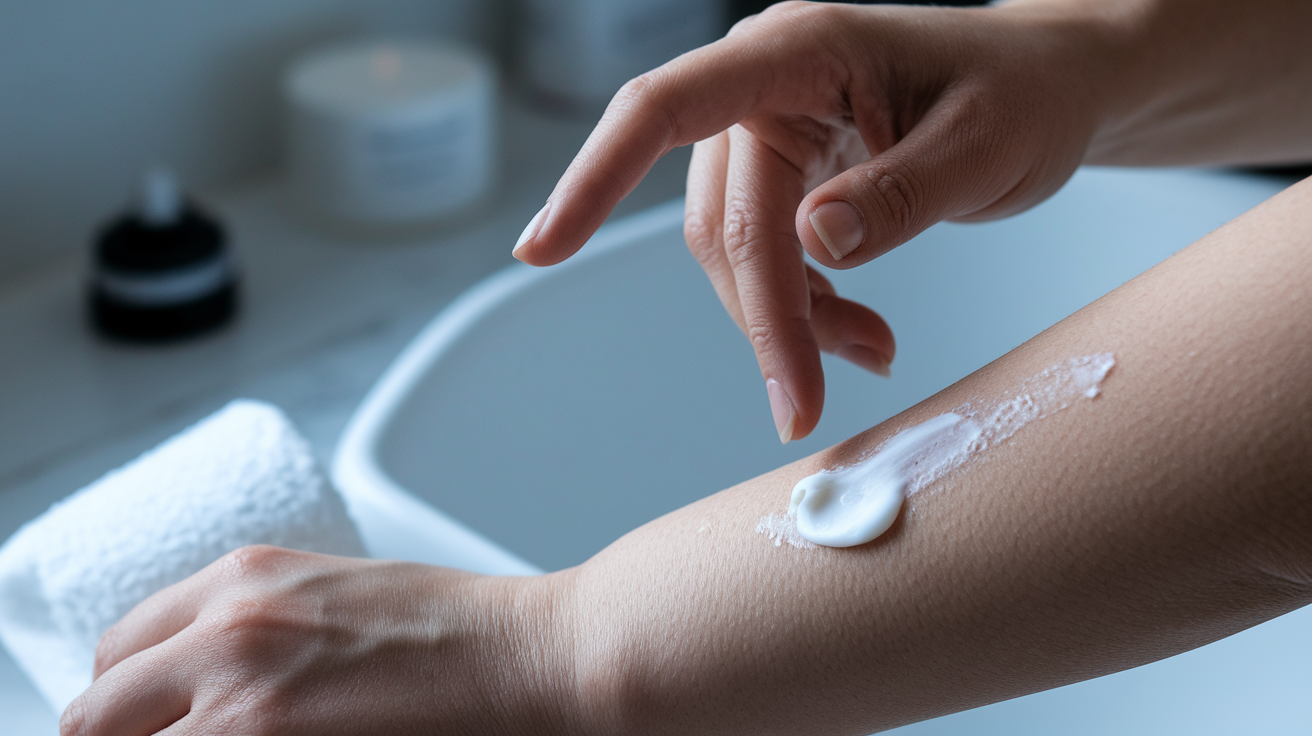
When a flare hits, the first goal is calming inflammation and protecting your skin barrier. Start by moisturizing frequently with a fragrance-free, hypoallergenic emollient. Apply it right after bathing while your skin’s still damp to lock in moisture. Reapply as often as needed during the day, especially if your skin feels tight or itchy. Thicker ointments and creams work better than lotions because they seal moisture in longer.
Use lukewarm water for showers and baths, and keep them short. Ten minutes or less. Hot water strips natural oils and worsens dryness. Use a mild, soap-free cleanser instead of bar soap or fragranced body wash. Pat your skin dry gently with a soft towel instead of rubbing. Rubbing irritates inflamed skin and makes itching worse.
Cool compresses can bring fast relief from intense itching. Soak a clean cloth in cool water, wring it out, hold it on the worst spots for a few minutes. You can do this several times a day. Over-the-counter hydrocortisone cream can reduce itching and inflammation short-term. Follow the package directions and don’t use it more than a week or two without checking with a clinician. For severe flares, wet wrap therapy can help: apply moisturizer or prescribed medication, then wrap the area in a damp layer of soft fabric and a dry layer on top. This keeps moisture in and reduces itching overnight.
Immediate relief steps to try now:
- Apply fragrance-free moisturizers or emollients several times a day, especially right after bathing.
- Use cool compresses on itchy, inflamed areas for quick relief.
- Apply over-the-counter hydrocortisone cream as directed for short-term itch and inflammation control.
- Switch to gentle, soap-free cleansers and lukewarm water; skip hot showers and scrubbing.
- Try wet wrap therapy for severe flares: moisturize, wrap in damp fabric, cover with a dry layer overnight.
When a Sudden Eczema Flare Needs Medical Attention

Most flares improve with basic self-care within a few days to two weeks. But some flares need professional care right away. Signs of infection are the biggest red flag. If you see yellow crusting, pus, spreading redness, increasing pain, fever, that’s a bacterial infection, often Staphylococcus aureus, and it can worsen fast. Don’t wait. Contact a clinician the same day or go to urgent care. Infected eczema needs prescription treatment, usually antibiotics.
Get medical attention if your flare is severe, widespread, affecting your face or genitals extensively, or messing with sleep or daily function. If you’ve tried fragrance-free products, moisturizers, over-the-counter hydrocortisone for one to two weeks and symptoms aren’t improving, or if they’re getting worse, it’s time to see a clinician. A dermatologist can prescribe stronger topical steroids, non-steroidal prescription creams, other treatments tailored to your situation. Allergy testing and supervised elimination diets can help identify triggers you can’t pin down yourself.
Urgent symptoms that need prompt medical care:
- Signs of infection: yellow crusting, pus, spreading redness, increasing pain, fever.
- Severe or widespread rash messing with sleep, work, daily activities.
- No real improvement after one to two weeks of conservative self-care, or symptoms rapidly worsening despite treatment.
Final Words
Check recent changes: weather, new products, allergens, stress, or infections, and note where the rash appears. This post ran through sudden triggers, weather and allergen causes, irritants, internal shifts, age patterns, tracking methods, quick relief steps, and clear red flags.
Start a simple diary, stop new products for 1–2 weeks, try cool compresses and fragrance-free moisturizers, and see a clinician if signs of infection or no improvement.
Use the checklist here to narrow down what causes eczema to flare up suddenly, and remember most flares calm with patient tracking and gentle care. You’ve got this.
FAQ
Q: What calms eczema flare-up?
A: The best ways to calm an eczema flare-up are to apply a fragrance-free moisturizer right after a short lukewarm bath, use cool compresses for itch, stop new products, avoid scratching, and seek medical care if infected.
Q: What is the 3 minute rule for eczema?
A: The 3-minute rule for eczema is applying moisturizer within three minutes after bathing to lock in moisture; use a thick, fragrance-free emollient and keep baths short and lukewarm.
Q: What is your body lacking if you have eczema?
A: Having eczema usually means your skin barrier is weakened and lacks natural oils and moisture; immune oversensitivity, genetics, and sometimes low vitamin D or food reactions can also contribute.
Q: Why is my eczema flaring up all of a sudden?
A: A sudden eczema flare-up is often caused by recent changes—weather shifts, new soaps or detergents, airborne allergens, stress, hormonal shifts, sweating, infections, or friction; check recent exposures and track patterns.