

Bloating making your belly feel tight and uncomfortable and ruining your day?
You don’t always need medication.
Simple natural fixes often ease gas and bloating in ten to thirty minutes, and small changes stop it coming back.
This post shows fast relief, daily habits to prevent buildup, and plant-based aids many people find helpful.
You’ll get safe steps to try now, a simple symptom log to track what helps, and clear signs that mean you should get checked.
Fast-Acting Relief Methods for Bloating and Gas

When bloating hits, you want relief now. Several methods can reduce discomfort in 10 to 30 minutes by targeting what’s actually happening inside, relaxing smooth muscle, breaking up gas bubbles, or getting things moving through your intestines. These quick fixes work best when symptoms are mild to moderate and tied to temporary stuff like a big meal or swallowed air.
Timing matters here. Ginger tea can start easing gas within 10 to 15 minutes as ginger’s active compounds relax your stomach and intestinal walls. Peppermint oil capsules release menthol, which acts as an antispasmodic to calm GI muscle contractions, usually kicking in around 20 to 30 minutes. Heat applied to your belly, whether it’s a warm compress, hot water bottle, or heating pad, relaxes intestinal spasms almost right away and can relieve crampy bloating in under 20 minutes.
The faster you act, the better these tend to work. If you feel bloating starting after a meal or notice pressure building, grab one of these options before discomfort gets worse. Most people find relief within the first half hour, though how well it works depends on symptom severity and what’s causing it.
Ginger tea: Drink a warm cup slowly. Ginger’s natural compounds relax stomach muscles and reduce gas within 10 to 15 minutes.
Simethicone (Gas-X, Mylicon): Take per label instructions. This OTC medication breaks up gas bubbles so they’re easier to pass, with effects starting in 15 to 30 minutes.
Peppermint oil capsules: Swallow enteric-coated capsules. Menthol relaxes intestinal smooth muscle and can reduce bloating in about 20 to 30 minutes.
Light movement: Walk for 10 to 15 minutes. Gentle activity stimulates peristalsis, those wave-like muscle contractions that move food and gas through your gut.
Warm compress or heating pad: Place on your abdomen for 15 to 20 minutes. Warmth relaxes spasms and eases crampy pressure quickly.
Dietary Adjustments That Prevent Bloating and Gas
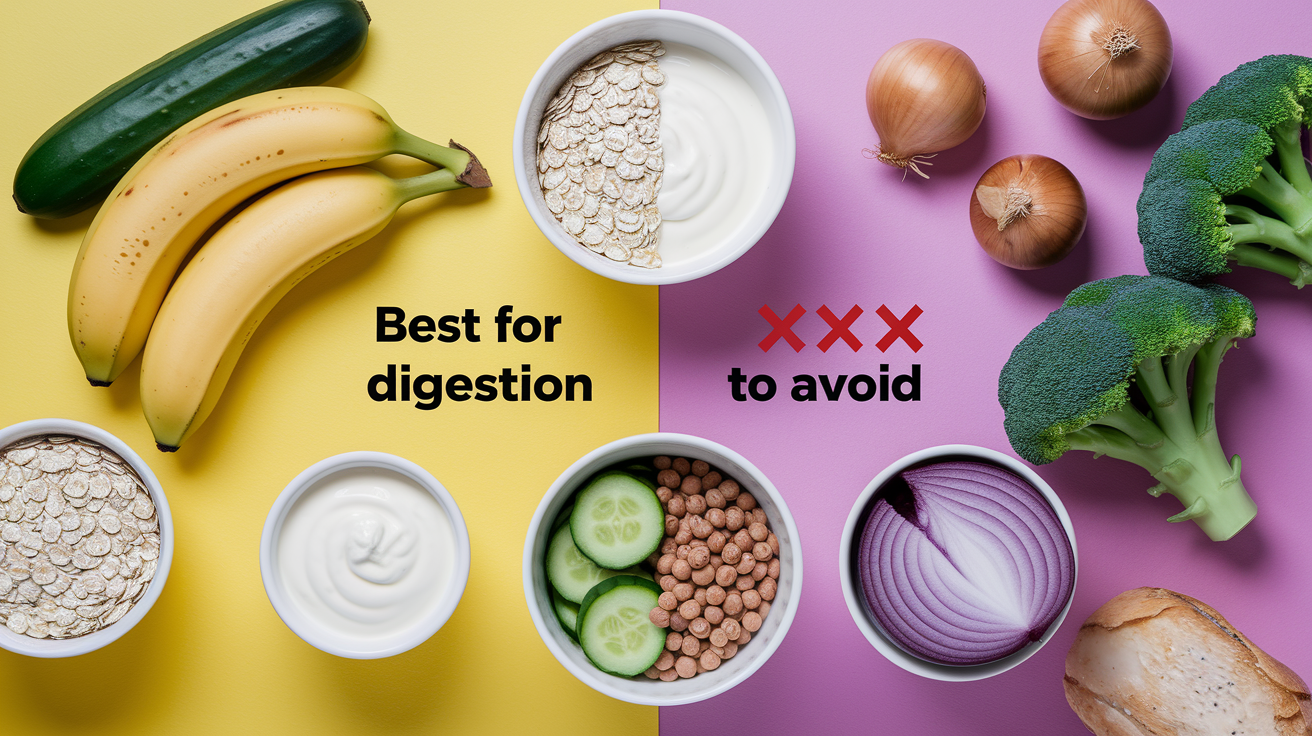
Preventing bloating starts with figuring out which foods produce extra gas in your digestive system and which ones support smooth digestion. Certain carbohydrates, especially fiber types and sugars that aren’t fully absorbed in the small intestine, reach the colon intact. Bacteria ferment them there and create gas. High FODMAP foods (fermentable oligosaccharides, disaccharides, monosaccharides, and polyols) are common troublemakers. Carbonated drinks introduce gas straight into your stomach, and high fat meals slow gastric emptying, leaving food in your system longer and increasing the chance of fermentation.
On the flip side, easily digestible foods with natural water content or gut friendly compounds can help keep bloating at bay. Bananas provide soluble fiber and potassium, which supports fluid balance. Cucumbers are about 95% water and help prevent dehydration related bloating. Yogurt with live cultures supplies probiotics that improve the balance of gut bacteria, reducing the overgrowth of gas producing strains. Keeping a simple food diary, jotting down what you ate and how you felt an hour or two later, helps you identify your personal triggers.
Foods to reduce or avoid:
Beans and lentils are high in fermentable fiber that produces gas in the colon.
Cruciferous vegetables like broccoli, cabbage, and Brussels sprouts contain raffinose, a sugar that ferments and creates gas.
Onions and garlic are rich in fructans, a type of FODMAP that many people struggle to digest.
Carbonated beverages introduce carbon dioxide directly into your stomach, causing bloating and burping.
Foods that help digestion and reduce bloating:
Bananas are gentle on the stomach, high in potassium and soluble fiber to support regular bowel movements.
Cucumbers are hydrating and mild. Their high water content helps prevent constipation related bloating.
Yogurt with probiotics supplies live cultures that improve gut flora and reduce the production of excess gas.
Oats contain beta-glucan fiber that fights inflammation and supports digestive health without causing gas spikes.
Lifestyle Habits That Reduce Gas Build-up
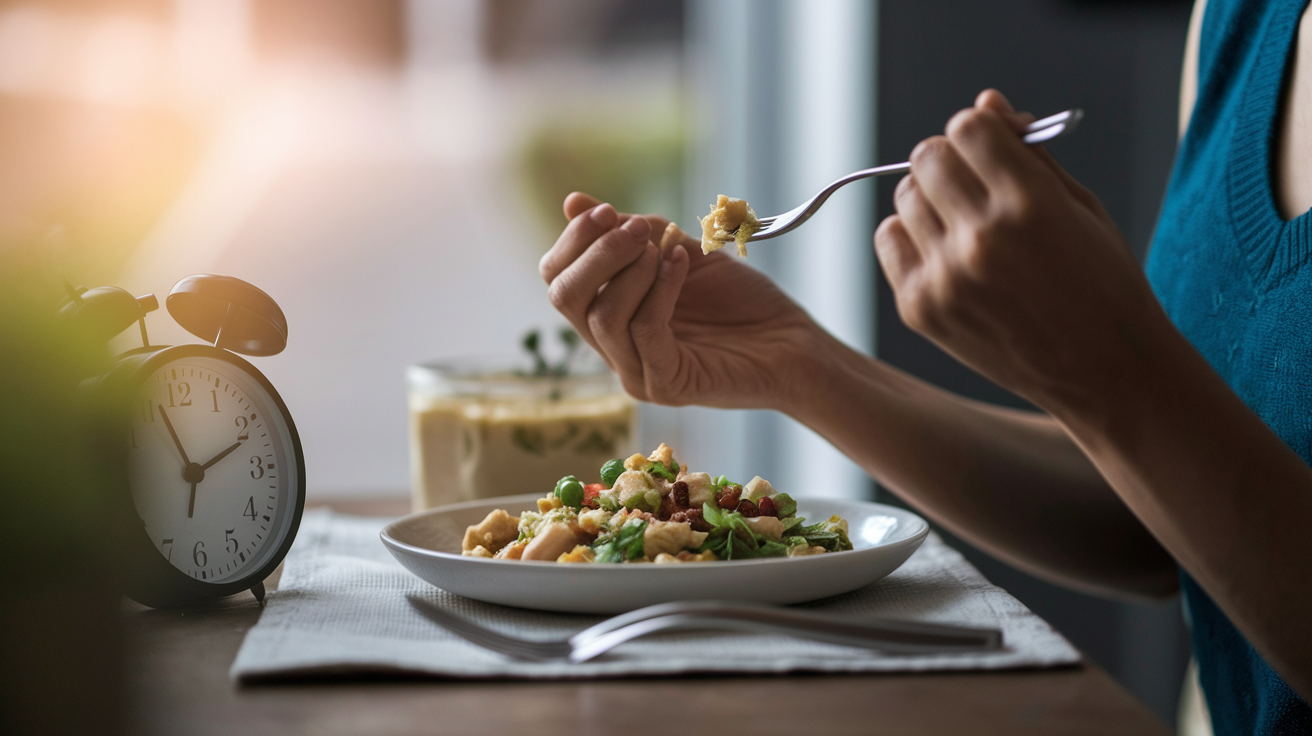
How you eat can matter just as much as what you eat. Eating quickly or gulping down large bites forces you to swallow extra air, which travels into your stomach and intestines and contributes to bloating. Chewing gum and smoking have the same effect. You’re constantly taking in small pockets of air that accumulate over the day. Slowing down at meals, taking smaller bites, and chewing thoroughly gives your stomach time to signal fullness and reduces the amount of air you swallow.
Posture during and after meals also influences digestion. Sitting upright while you eat and staying vertical for at least 30 minutes afterward helps gravity move food through your stomach and into your intestines. Lying down right after a meal can slow gastric emptying and allow gas to build up. If you tend to feel bloated after dinner, try a short walk instead of settling onto the couch. Even 10 minutes of gentle movement stimulates peristalsis and encourages trapped gas to move along.
Regular physical activity throughout the day keeps your digestive system in motion. Walking, stretching, or light yoga sessions improve intestinal motility and reduce the sluggishness that allows gas to accumulate. You don’t need intense exercise. Consistent, moderate movement is what supports healthy digestion. If you have a desk job, stand and stretch every hour or take a brief walk during breaks to keep things moving.
Natural Supplements and Herbal Aids
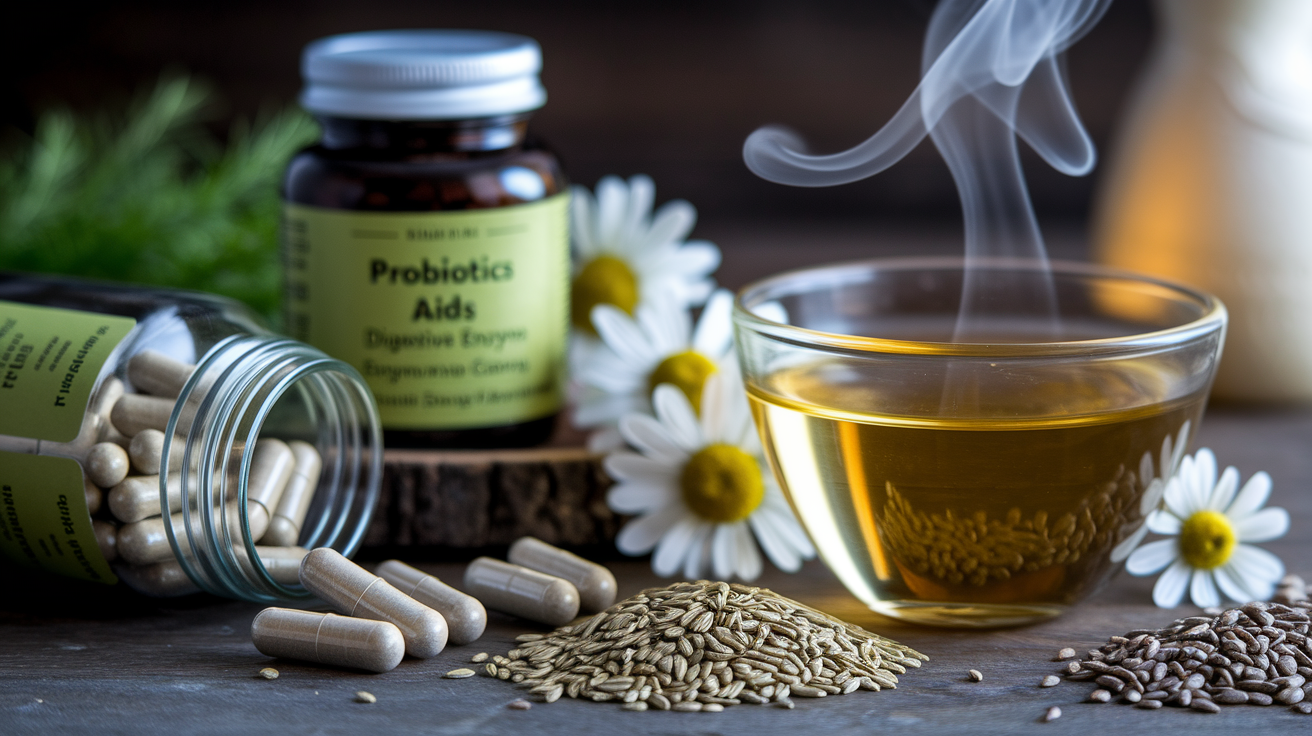
Natural supplements and herbal remedies can support digestion by addressing the root causes of gas, whether that’s imbalanced gut bacteria, insufficient enzymes to break down food, or spasms in the intestinal muscles. These options work best when used consistently and paired with dietary and lifestyle changes.
Probiotics
Probiotics are live bacteria that help rebalance your gut microbiome, reducing the overgrowth of gas producing strains. Strains like Lactobacillus acidophilus, Bifidobacterium lactis, and Saccharomyces boulardii have been studied for their ability to reduce bloating and improve digestion. Effects aren’t instant. You’ll need to take probiotics daily for at least two to four weeks to notice a reduction in gas and bloating. They work cumulatively by gradually shifting the bacterial balance in your colon, so patience is key. Look for products that list specific strains and guarantee live cultures at the time of consumption, not just at manufacture.
Digestive Enzymes
Digestive enzymes help break down specific nutrients your body may struggle to process on its own. Lactase supplements help digest lactose if you’re lactose intolerant. Alpha-galactosidase (found in products like Beano) breaks down complex carbohydrates in beans, cruciferous vegetables, and whole grains before they reach the colon and ferment. Lipase assists with fat digestion, and protease helps with protein. Take enzyme supplements at the start of a meal for the best effect. They work immediately on the food you’re eating, so you’ll notice relief within an hour or two if the enzyme matches your trigger food.
Herbal Digestive Aids
Certain herbs have been used for centuries to calm digestive spasms and reduce gas. Fennel seed contains anethole, a compound that relaxes intestinal muscles and has mild antimicrobial properties. Chewing a teaspoon of seeds after a meal or sipping fennel tea can ease bloating within 15 to 30 minutes. Chamomile tea is anti-inflammatory and gently soothes the GI tract, making it helpful for gas paired with mild cramping or nausea. Effects are usually felt within 20 minutes. Caraway seed works similarly to fennel, reducing spasms and supporting the release of trapped gas. These herbs are safe for daily use and can be rotated based on what feels most effective for your symptoms.
Over-the-Counter Medications for Gas Relief

When natural methods aren’t enough, over the counter medications can provide targeted relief. These products work through different mechanisms, so choosing the right one depends on whether your bloating is caused by trapped gas bubbles, excess stomach acid, or a combination of factors.
Simethicone is the most widely used OTC option for gas. It’s an anti-foaming agent that breaks apart small gas bubbles in the stomach and intestines, allowing them to merge into larger bubbles that are easier to expel through burping or passing gas. It doesn’t prevent gas formation or reduce the amount of gas your body produces. It simply makes what’s already there easier to release. Most people notice relief within 15 to 30 minutes.
Activated charcoal is marketed as a gas absorber, but evidence is mixed. In theory, charcoal binds to gas molecules in the intestines and reduces bloating, but it can also interfere with nutrient absorption and the effectiveness of medications if taken at the same time. If you try it, use it sparingly and separate it from meals and other supplements by at least two hours. Antacids like Tums, Rolaids, or Pepto-Bismol can help if your bloating is linked to acid discomfort or indigestion. They neutralize stomach acid and may reduce the burning or gassy feeling that comes with reflux or overeating.
| Medication Type | How It Works | Typical Onset Time |
|---|---|---|
| Simethicone (Gas-X, Mylicon) | Breaks apart gas bubbles so they’re easier to pass | 15 to 30 minutes |
| Activated charcoal | Absorbs gas molecules in the intestines (limited evidence) | 30 to 60 minutes |
| Antacids (Tums, Pepto-Bismol) | Neutralizes stomach acid; reduces acid-related bloating | 10 to 20 minutes |
When Bloating and Gas Require Medical Attention

Most bloating is temporary and harmless, but persistent or severe symptoms can signal an underlying condition that needs diagnosis and treatment. Chronic bloating, lasting weeks or returning frequently, may point to irritable bowel syndrome (IBS), small intestinal bacterial overgrowth (SIBO), celiac disease, lactose intolerance, or food sensitivities. In women, persistent bloating combined with pelvic pressure or changes in urination can be an early sign of ovarian or uterine issues. If home remedies and dietary changes don’t bring relief after two to three weeks, schedule a visit with your primary care provider or a gastroenterologist.
Certain symptoms require same day or urgent evaluation because they can indicate serious complications like bowel obstruction, infection, or internal bleeding. Don’t wait if you notice any of these red flags. Call your clinic or go to urgent care. If symptoms are severe or worsening rapidly, head to the emergency department.
Vomiting, especially if it contains blood: This can signal a blockage, severe inflammation, or bleeding in the GI tract.
Sudden, severe abdominal pain: Sharp, unrelenting pain is not typical of simple gas and may indicate obstruction, appendicitis, or perforation.
Blood in your stool: Whether bright red or dark and tarry, blood suggests bleeding somewhere in your digestive system and requires prompt evaluation.
Fever along with bloating: A fever paired with GI symptoms can indicate infection, such as diverticulitis or pelvic inflammatory disease.
Unexplained weight loss: Losing weight without trying, especially with ongoing bloating or changes in appetite, warrants a full workup to rule out malignancy, celiac disease, or chronic infection.
Final Words
Start by using fast-acting steps when you need quick relief: ginger tea, simethicone, peppermint capsules, a short walk, or a warm compress. These often ease discomfort within 10–20 minutes.
Then shift to prevention: tweak your diet, eat more slowly, try probiotics or enzymes if they fit, and build simple habits like walking after meals and skipping straws.
If things are sudden or worse, get checked. Try small changes, track triggers, and that will help you find what helps bloating and gas—and feel better soon.
FAQ
Q: How do I get rid of bloating and gas asap? / How do I quickly debloat my belly? / How do I get gas off of my stomach?
A: To get rid of bloating, quickly debloat your belly, or move gas off your stomach, try gentle walking, abdominal massage, a warm compress, simethicone, or peppermint/ginger tea; many notice relief in 10–20 minutes.
Q: What relieves bloating in 5 minutes?
A: Bloating can often be relieved in 5 minutes by gentle walking, abdominal massage, diaphragmatic breathing, a warm compress, or simethicone; get medical help if pain worsens or other red flags appear.