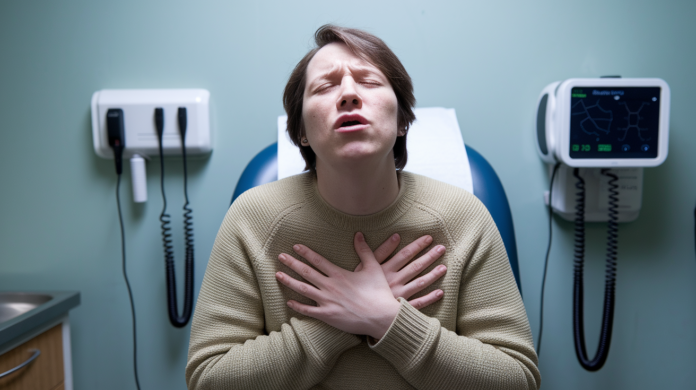

Is that wheezy cough something to ignore—or a sign you need help?
Wheezing cough is a cough plus a high-pitched whistle when you breathe, from narrowed airways.
Often it’s temporary, like a cold or allergy.
But sometimes it’s more serious.
This post maps common causes, safe home steps, and clear red flags so you know what to do next.
If you’re struggling to breathe, can’t speak full sentences, or your lips look blue, get urgent care now.
Read on to learn what to track and when to call.
Understanding a Wheezing Cough

A wheezing cough is what you get when coughing meets wheeze, that high-pitched whistle or musical sound you hear during breathing, usually when you breathe out. The noise happens because air’s trying to push through narrowed airways somewhere between your throat and the tiniest branches deep in your lungs. When inflammation, mucus buildup, muscle spasms, or blockages squeeze those passages, air rushes faster through the tight space and vibrates the airway walls. That’s your wheeze.
Most of the time, mild wheeze with a cough points to something temporary. A chest cold, asthma flare, allergic reaction. Your body’s working to clear out irritation or infection, and coughing is one of the tools it’s got. You might also feel chest tightness, breathe faster than usual, or notice a rattling sensation when you inhale. Some people only wheeze during exercise, at night, or when they’re near smoke, pollen, or cold air.
Wheezing can be so faint you barely notice it, or loud enough that someone across the room picks it up. Light, occasional wheeze with a productive cough during a viral cold often resolves on its own within a week or two. But if the wheeze comes on suddenly, sounds severe, or pairs with struggling to breathe, confusion, or blue-tinged lips, that’s a signal your airways are seriously narrowed or your oxygen’s dropping. You need urgent help. The sound itself isn’t the danger. It’s what’s happening underneath.
Main Causes of a Wheezing Cough
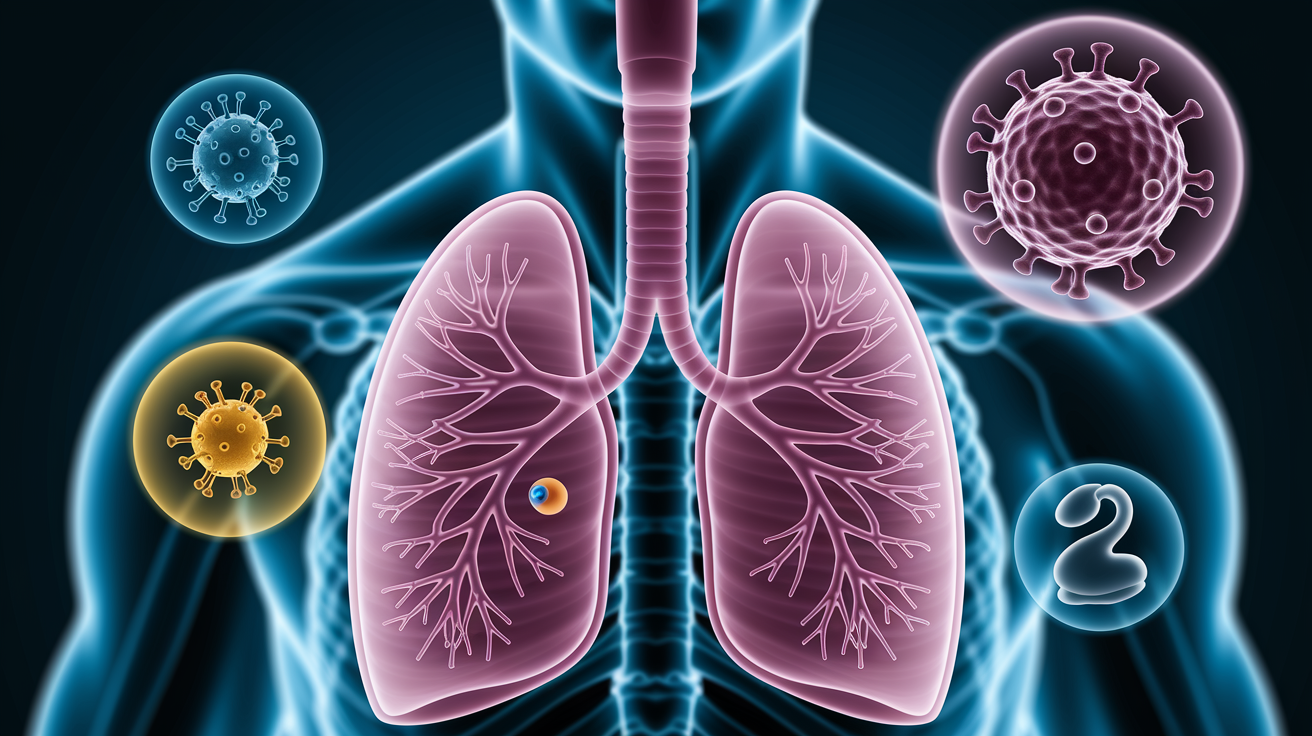
Infections are one of the most common triggers. Viral bronchitis inflames your bronchial tubes and fills them with mucus, creating both cough and wheeze as your body tries to clear everything out. Pneumonia, whether viral or bacterial, can do the same if infection reaches the deeper air sacs and surrounding tissue. RSV (respiratory syncytial virus) is notorious for wheezing in babies and young children, especially under age two. Pertussis, or whooping cough, starts like a regular cold but turns into violent coughing fits that leave you gasping and wheezing for air.
Chronic respiratory conditions like asthma and COPD cause recurrent or persistent wheeze. Asthma involves airway muscle spasms and inflammation triggered by allergens, cold air, exercise, or stress. COPD, which includes emphysema and chronic bronchitis, usually develops after years of smoking or lung irritant exposure and damages airways permanently. Both narrow the passages and make wheeze a regular companion, especially during flare-ups.
Allergic reactions and environmental irritants can set off wheezing fast. Pollen, dust mites, mold, pet dander, strong scents, chemical fumes. All can inflame sensitive airways. Severe allergic reactions, called anaphylaxis, can close the throat and airways within minutes, producing sudden wheeze, swelling, and trouble breathing. GERD (gastroesophageal reflux disease) can also cause wheeze when stomach acid backs up and irritates the throat and airways, especially at night or after meals.
Structural blockages are less common but serious. Young children sometimes inhale small objects like beads, nuts, or toy parts, which lodge in a bronchus and create one-sided wheeze and cough. Tumors, fluid buildup from heart failure, and vocal cord problems can also narrow the airway and mimic wheezing. Each cause leaves different clues in timing, location, and other symptoms.
Major categories of wheezing cough causes:
- Respiratory infections (viral bronchitis, pneumonia, RSV, pertussis)
- Chronic airway disease (asthma, COPD, bronchiectasis)
- Allergic reactions and environmental triggers (pollen, smoke, chemicals, anaphylaxis)
- Gastroesophageal reflux (GERD-related airway irritation)
- Airway obstruction (foreign body, tumor, heart failure fluid)
When a Wheezing Cough Is Serious
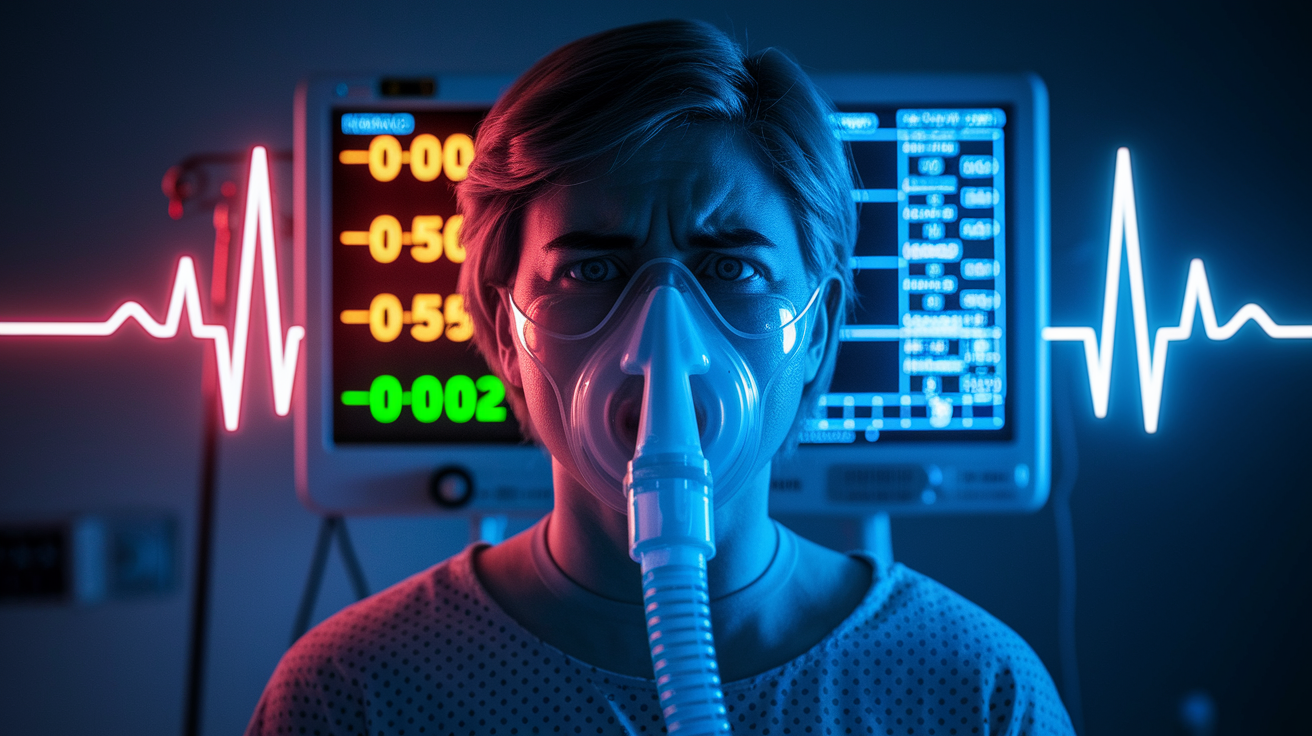
Wheezing becomes an emergency when it signals severe airway narrowing or oxygen deprivation. If you or someone near you is struggling to breathe, can’t speak full sentences, looks confused or drowsy, or has blue or gray lips, face, or fingernails, call emergency services right away. Those signs mean the body isn’t getting enough oxygen. Waiting can be dangerous. In infants, watch for poor feeding, grunting, long pauses in breathing (apnea), or extreme fussiness paired with wheeze. All demand immediate evaluation.
Certain triggers also turn wheeze into a red flag. Wheezing that starts suddenly after a bee sting, new medication, or eating a particular food can mean anaphylaxis, a life-threatening allergic reaction. If a young child suddenly starts wheezing after playing with small objects or eating, suspect choking or aspiration, even if they’re not visibly gagging. High fever with wheeze, especially above 101°F in infants under three months or above 103°F in anyone else, raises concern for serious infection like pneumonia.
Key danger signs requiring urgent or emergency care:
- Severe difficulty breathing, rapid or irregular breathing, or chest retractions (skin pulling in around ribs or neck)
- Blue or gray color in lips, face, or fingernails (cyanosis)
- Confusion, extreme drowsiness, or inability to stay awake
- Sudden wheeze after a sting, medication, or food (possible anaphylaxis)
Differences Between Adults and Children
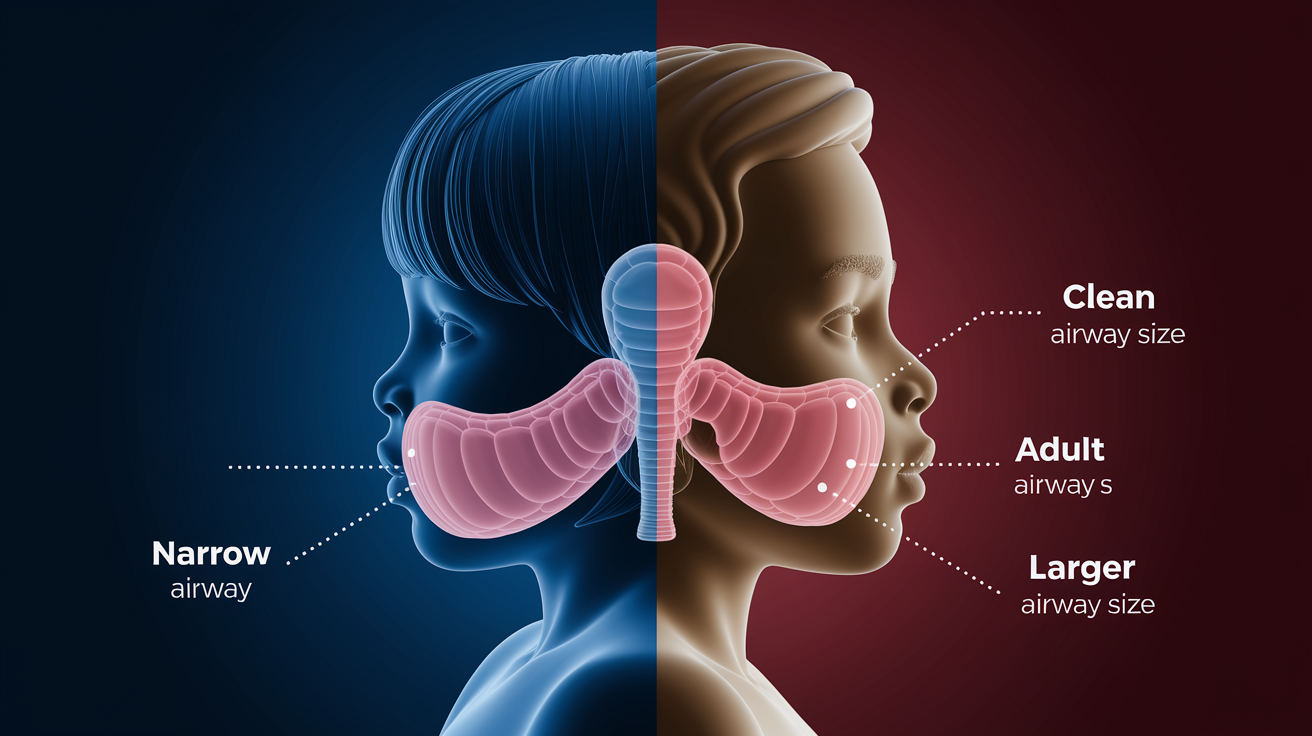
Children, especially infants and toddlers, have smaller, softer airways that narrow more easily when inflamed or filled with mucus. That’s why common viral infections like RSV, the common cold, and bronchiolitis cause wheezing in young kids far more often than in adults. About one in three children will wheeze at least once before age three, usually during a respiratory infection. Infants can’t tell you they’re struggling, so you have to watch for fast breathing (over 60 breaths per minute in babies under two months, over 50 in babies two to twelve months), flaring nostrils, grunting, or refusing to feed.
Adults are more likely to wheeze from chronic conditions. Asthma often starts in childhood but can appear for the first time in adults, especially after respiratory infections, new allergen exposures, or stress. COPD, usually tied to smoking or long-term chemical exposure, shows up mostly in people over 40 and causes a persistent productive cough along with wheeze. Adults also wheeze from heart failure when fluid backs up into the lungs, and from GERD when acid irritates the airways at night.
Infants face unique risks. Babies born prematurely or with heart or lung conditions are more vulnerable to severe RSV and bronchiolitis, sometimes requiring hospitalization for oxygen and fluids. Foreign body aspiration peaks in toddlers who put small objects in their mouths. Whooping cough can be especially dangerous in infants under six months, who may stop breathing during coughing fits instead of making the classic “whoop” sound. If an infant under three months has any fever at all with wheeze, get same-day evaluation.
Home Remedies and Self-Care
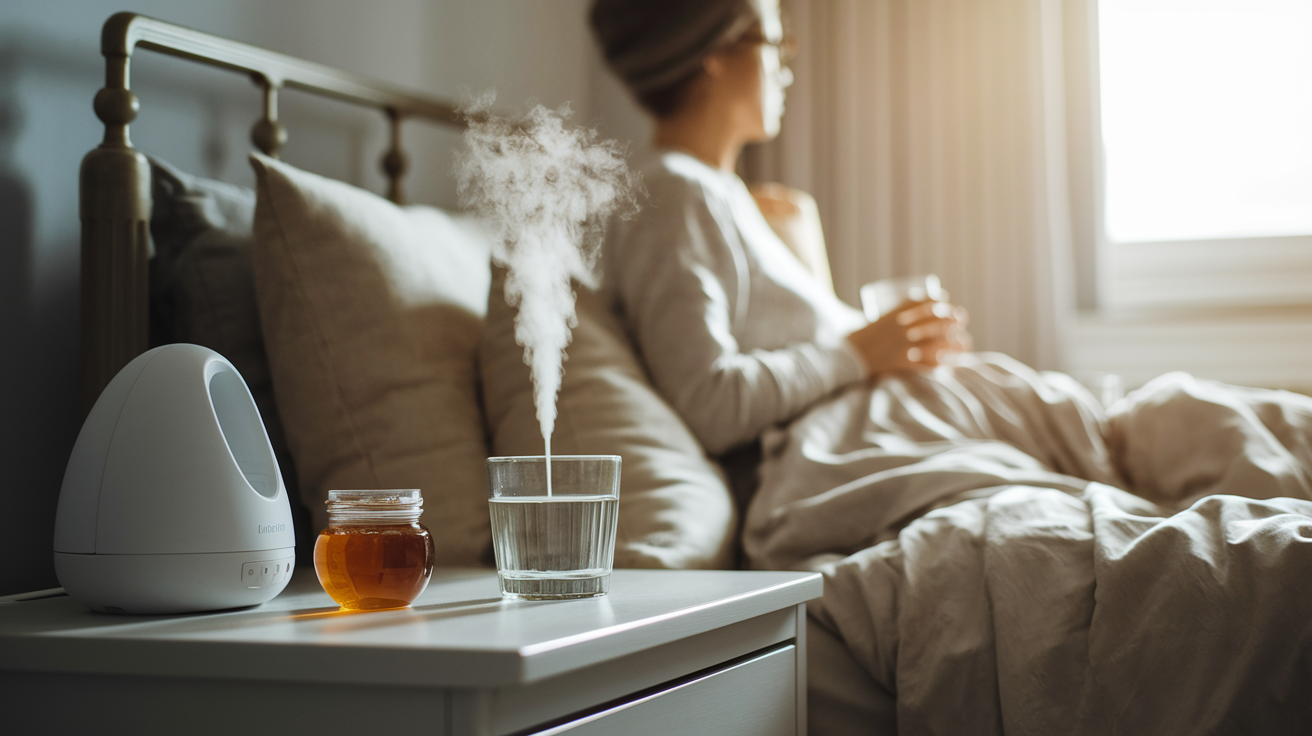
When wheeze is mild and tied to a known trigger like a cold or controlled asthma, a few simple steps can help you breathe easier while your body heals. Drink plenty of water and warm fluids like herbal tea or warm water with a teaspoon of honey (only for children over 12 months) to thin mucus and soothe the throat. Sitting in a steamy bathroom or using a cool-mist humidifier adds moisture to the air, which can ease airway irritation and loosen mucus. Position yourself upright or propped on pillows. Gravity helps keep airways open and makes breathing feel less effortful.
If you have a prescribed rescue inhaler (short-acting bronchodilator like albuterol), use it as directed at the first sign of wheeze. Use a spacer with a metered-dose inhaler to improve delivery, especially for children, and rinse your mouth afterward if using a steroid inhaler. Avoid smoke, strong scents, cold air, and known allergens until symptoms settle. Rest as much as you can. Your body needs energy to fight infection or calm inflammation.
Safe home measures for mild wheezing:
- Stay hydrated with water and warm drinks; honey (1 teaspoon) for children over 12 months
- Use a cool-mist humidifier or sit in a steamy bathroom for 10 to 15 minutes
- Keep your head and chest elevated while resting or sleeping
- Use prescribed rescue inhalers correctly with a spacer if available
- Avoid tobacco smoke, strong perfumes, cold air, and known allergens
- Do not give over-the-counter cough or cold medicines to children under 6 years
How Doctors Diagnose a Wheezing Cough
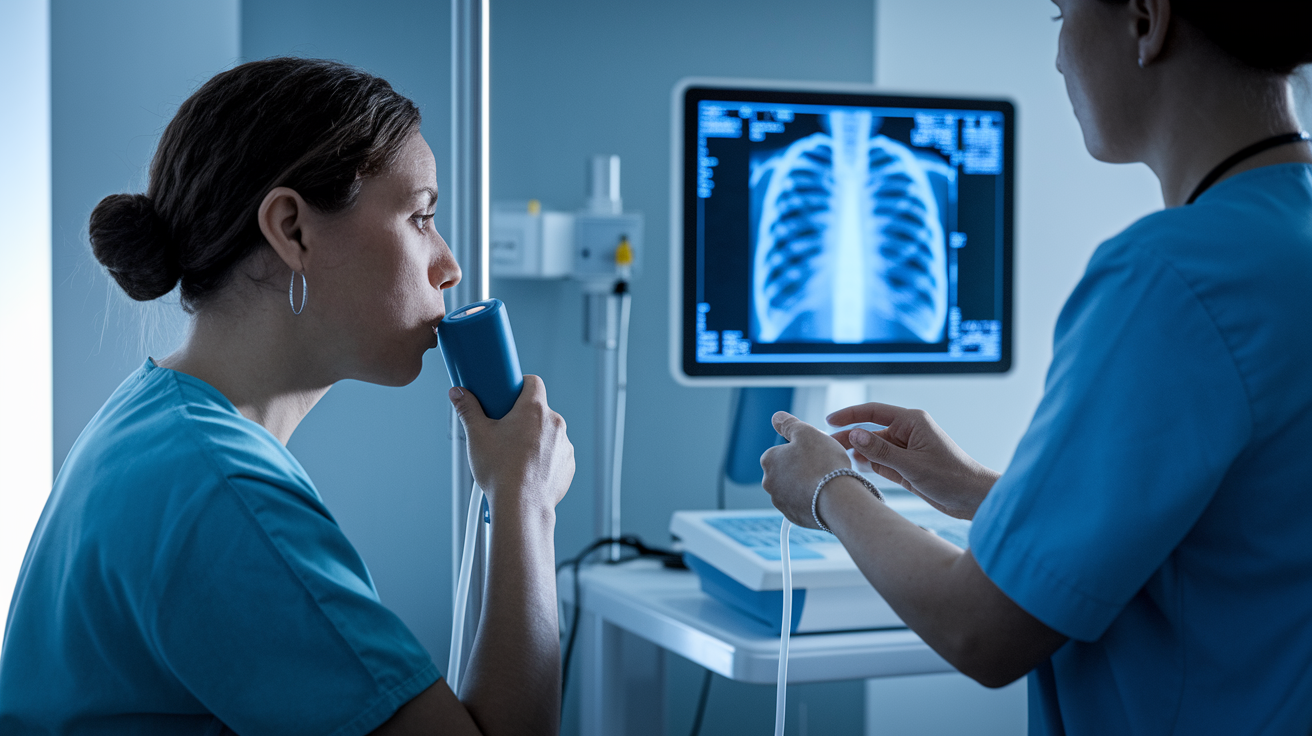
Diagnosis starts with your story. Your clinician will ask when the wheeze began, what it sounds like, whether it’s constant or comes and goes, and what makes it better or worse. They’ll want to know about fever, sputum color, chest pain, recent infections, allergen exposures, smoking history, and any chronic conditions. A physical exam includes listening to your lungs with a stethoscope to locate the wheeze, checking your breathing rate and effort, and measuring your oxygen saturation with a small clip on your finger (pulse oximetry).
Lung function tests help pinpoint airway narrowing. Spirometry measures how much air you can blow out and how fast, useful for diagnosing and monitoring asthma and COPD. Peak flow meters give a quick snapshot of airway openness and are often used at home to track asthma control. In children too young for those tests, clinicians rely on observation, oxygen levels, and response to trial treatments. If a foreign body or structural problem is suspected, especially in a young child with sudden one-sided wheeze, imaging or bronchoscopy may be needed.
Blood work and imaging add detail when the cause isn’t obvious. A chest X-ray can show pneumonia, fluid, a collapsed area of lung, or a foreign object. Blood tests like a complete blood count or C-reactive protein can suggest infection or inflammation. If pertussis is suspected, a nasal swab PCR test confirms it. Viral panels can identify RSV, influenza, and other respiratory viruses, helping guide next steps and infection control.
| Test | What It Shows |
|---|---|
| Pulse oximetry | Oxygen saturation; <92% in adults or <90% in children signals hypoxia and need for urgent care |
| Spirometry / Peak flow | Airway obstruction severity; peak flow <50% predicted suggests severe asthma exacerbation |
| Chest X-ray | Pneumonia, fluid, foreign body, structural lung or heart problems |
Medical Treatment Options

Treatment depends entirely on what’s causing the wheeze. For asthma and reactive airway disease, short-acting beta-agonist inhalers like albuterol open the airways fast. A typical adult rescue dose is 2 puffs from a metered-dose inhaler (90 mcg per puff) or 2.5 to 5 mg via nebulizer. Children usually receive 2 puffs with a spacer or 2.5 mg nebulized. If wheeze is part of a moderate to severe asthma flare, oral corticosteroids like prednisone or prednisolone, commonly 40 to 60 mg once daily for 3 to 5 days in adults, reduce airway inflammation and prevent relapse.
COPD exacerbations are managed similarly with bronchodilators and systemic steroids, often 40 mg prednisone daily for 5 days. If sputum turns thick, green, or yellow and breathing worsens, antibiotics may be added to cover bacterial infection. For pneumonia confirmed on X-ray or by exam, antibiotics targeting the likely bacteria are started promptly. Pertussis, if caught early, is treated with macrolide antibiotics like azithromycin: adults typically take 500 mg on day one, then 250 mg daily for days two through five; children receive 10 mg/kg (max 500 mg) on day one, then 5 mg/kg daily for four more days.
Allergic wheeze responds to antihistamines, avoiding triggers, and sometimes inhaled or oral corticosteroids. Anaphylaxis requires immediate epinephrine injection and emergency transport. Viral bronchiolitis and RSV in infants are managed supportively with humidified oxygen, fluids, and close monitoring. Most children recover at home, but some need hospital care for oxygen or feeding support. GERD-related wheeze improves with acid-suppressing medications, smaller meals, and avoiding lying down soon after eating.
Severe cases may need hospital admission for oxygen therapy, intravenous fluids, continuous nebulized treatments, or even mechanical ventilation if breathing fails. Chronic management includes controller medications, like daily inhaled corticosteroids for asthma or long-acting bronchodilators for COPD, to prevent future episodes. Regular follow-up, correct inhaler technique, and written action plans help keep wheeze under control long-term.
Treatment categories by cause:
- Asthma/reactive airways: short-acting bronchodilators (rescue inhalers), oral corticosteroids for exacerbations, controller inhalers for chronic use
- COPD exacerbation: bronchodilators, systemic steroids, antibiotics if bacterial infection suspected
- Bacterial pneumonia or pertussis: appropriate antibiotics (macrolides for pertussis, others for pneumonia)
- Allergic reaction: antihistamines, corticosteroids, epinephrine for anaphylaxis
- Viral infection (RSV, bronchiolitis): supportive care (oxygen, fluids, monitoring), no antibiotics unless secondary bacterial infection
Final Words
Start with the sound and why it happens — a whistling breath from narrowed airways, often from inflammation, mucus, or spasms.
We ran through common causes like asthma, infections, allergies, and triggers, and the red flags that need quick care: trouble breathing, blue lips, high fever, or rapidly worsening symptoms.
You also saw safe home steps, what doctors check, and typical treatments. Track what you notice so you bring a clear story to your visit.
If your wheezing cough is mild, try the home measures and watch it. If it gets worse, call your clinic — you’ll get a clearer plan and relief.
FAQ
Q: How do you get rid of a wheezing cough?
A: To get rid of a wheezing cough, reduce airway irritation, use warm steam, stay hydrated, avoid triggers, and use prescribed inhalers correctly; see a clinician if breathing is hard, fever is high, or symptoms worsen.
Q: What are 5 symptoms of bronchitis and what does a bronchitis cough sound like?
A: Common bronchitis symptoms include cough that may be dry or produce phlegm, wheeze, chest tightness, low-grade fever, and tiredness; the cough often sounds harsh, deep, and may be rattly or wheezy.
Q: What does a cough with wheezing mean?
A: A cough with wheezing means the airways are narrowed or inflamed, often from asthma, infection, or allergy; monitor severity, note triggers, and get same-day care if you’re very breathless, have blue lips, or worsen quickly.