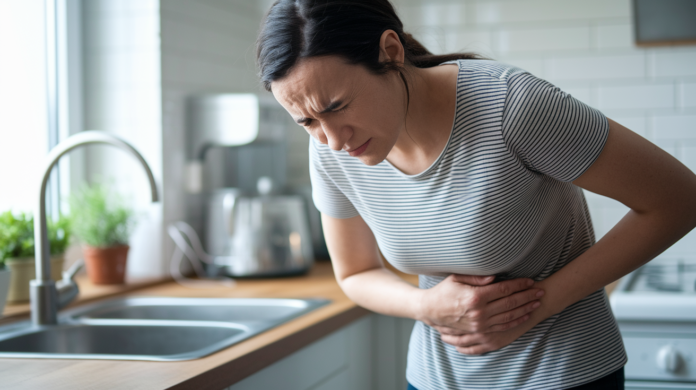

Why am I bloated all the time?
Feeling full, tight, or like your waistband digs in every afternoon is common and can feel really frustrating.
Most often it comes from a few clear places: how you eat, foods your body doesn’t fully break down, or shifts in your gut bacteria.
This post lays out the likeliest causes, simple tracking steps to spot patterns, safe things to try at home, and when to schedule a clinic visit so you stop guessing and start getting answers.
Key Reasons You May Feel Bloated All the Time (Immediate Answers to Ongoing Symptoms)

Chronic bloating shows up as this nagging sense of fullness or tightness that just won’t quit. Your belly might feel stretched even after a light meal, or your waistband starts digging in every afternoon like clockwork. That pressure you’re feeling usually comes from trapped gas building up in your intestines, or sometimes fluid collecting in your belly from inflammation, hormonal shifts, or sluggish digestion.
The most common culprits behind constant bloating involve how and what you eat, digestive conditions that mess with normal food breakdown, and imbalances in your gut bacteria. When food doesn’t get broken down properly up top, those poorly absorbed carbs travel down to your colon where bacteria feast on them and create gas bubbles. If you’re not having regular bowel movements or your intestines move things along slowly, that gas gets stuck. Bloating becomes your new normal.
Here’s what typically drives day after day of bloating:
- Irritable bowel syndrome, which pairs bloating with belly pain and unpredictable bathroom habits
- Constipation or slow transit where stool and gas pile up over time
- Food intolerances, especially lactose or fructose, causing undigested sugars to reach the colon
- Small intestinal bacterial overgrowth where bacteria set up shop in the wrong part of your gut and ferment food too early
- Eating behaviors like scarfing down meals, swallowing air, constant gum chewing, or regular fizzy drink consumption
Once bloating becomes your daily reality, tracking when it happens and what came before gives you the clearest answers. Patterns tell you more than isolated episodes. Does your bloating follow certain meals? Does it get worse by evening? Does it improve after you finally have a bowel movement? Those details help you narrow down what’s actually going on.
Digestive Mechanisms Behind Constant Bloating and Fullness

Bloating happens when your digestive tract fills with gas, slows way down, or holds onto fluid it should be pushing along. Gas comes from two places: air you swallow while eating or drinking, and fermentation of undigested food by bacteria living in your intestines. When you eat too fast, gulp drinks, chew gum, or sip through a straw, you’re taking in extra air that gets trapped. Meanwhile, any carbohydrate, fiber, or sugar your small intestine can’t fully absorb travels to your colon where resident bacteria break it down and produce hydrogen, methane, or carbon dioxide.
Motility problems make everything worse. If your intestines move food and waste slowly, gas and stool stick around longer, creating pressure and visible puffiness. Delayed gastric emptying keeps food sitting in your stomach for hours, creating that heavy, overfull sensation. Inflammation in your gut wall from conditions like inflammatory bowel disease or gastritis can make your abdomen feel tender and swollen even when you haven’t eaten much.
Here’s how different mechanisms create bloating:
- Swallowed air: enters your stomach during eating and drinking, especially when you eat quickly or talk while chewing
- Bacterial fermentation: undigested carbs reach the colon where bacteria produce gas as a byproduct
- Slow transit or constipation: stool and gas accumulate, stretching your intestinal walls and creating ongoing pressure
- Malabsorption: when enzymes run low or your gut lining gets damaged, fats and sugars pass through undigested, triggering fermentation and loose stools alongside bloating
Understanding these processes helps you spot whether bloating hits right after meals (suggesting swallowed air or delayed emptying), builds slowly over hours (fermentation or slow transit), or worsens when you eat specific foods (malabsorption or intolerance). That timing gives you clues about where to focus your efforts.
Common Eating Habits and Foods That Cause Daily Bloating

Certain foods naturally produce more gas during digestion because they contain carbohydrates or fibers that human enzymes just can’t fully break down. When those compounds reach your colon, bacteria ferment them and release gas in the process. Beans and lentils are classic examples. They’re packed with oligosaccharides that resist digestion in the small intestine. Cruciferous vegetables like broccoli, cabbage, and Brussels sprouts contain raffinose, another fermentable sugar. Onions and garlic, even in tiny amounts, can cause bloating in people sensitive to fructans.
Carbonated drinks add gas straight to your digestive tract. The bubbles you swallow expand in your stomach and intestines. Some gas gets burped out, but the rest travels through your gut and adds to bloating. Sugar alcohols, often listed as sorbitol, mannitol, or xylitol in sugar-free gum, candy, and diet foods, pull water into your intestines and ferment rapidly, causing both bloating and loose stools.
Here are the most common gas culprits and behaviors that drive daily bloating:
- Beans, lentils, chickpeas, and other legumes
- Broccoli, cauliflower, cabbage, Brussels sprouts, and kale
- Onions, garlic, and leeks
- Carbonated beverages, including sparkling water, soda, and beer
- Chewing gum and eating quickly, both of which increase swallowed air
- High fat meals that slow stomach emptying and drag out fullness
- High sodium foods that can cause fluid retention and abdominal puffiness
Small adjustments often make a real difference. Slowing down at meals, chewing thoroughly, and ditching the gum can cut swallowed air significantly. Reducing portion sizes of gas producing vegetables instead of eliminating them completely lets your gut bacteria adapt over time. Drinking still water instead of fizzy beverages removes a major source of trapped gas. Tracking which foods consistently trigger bloating within a few hours helps you build your own personalized list of safe choices.
Food Intolerances and Sensitivities That Cause Ongoing Bloating
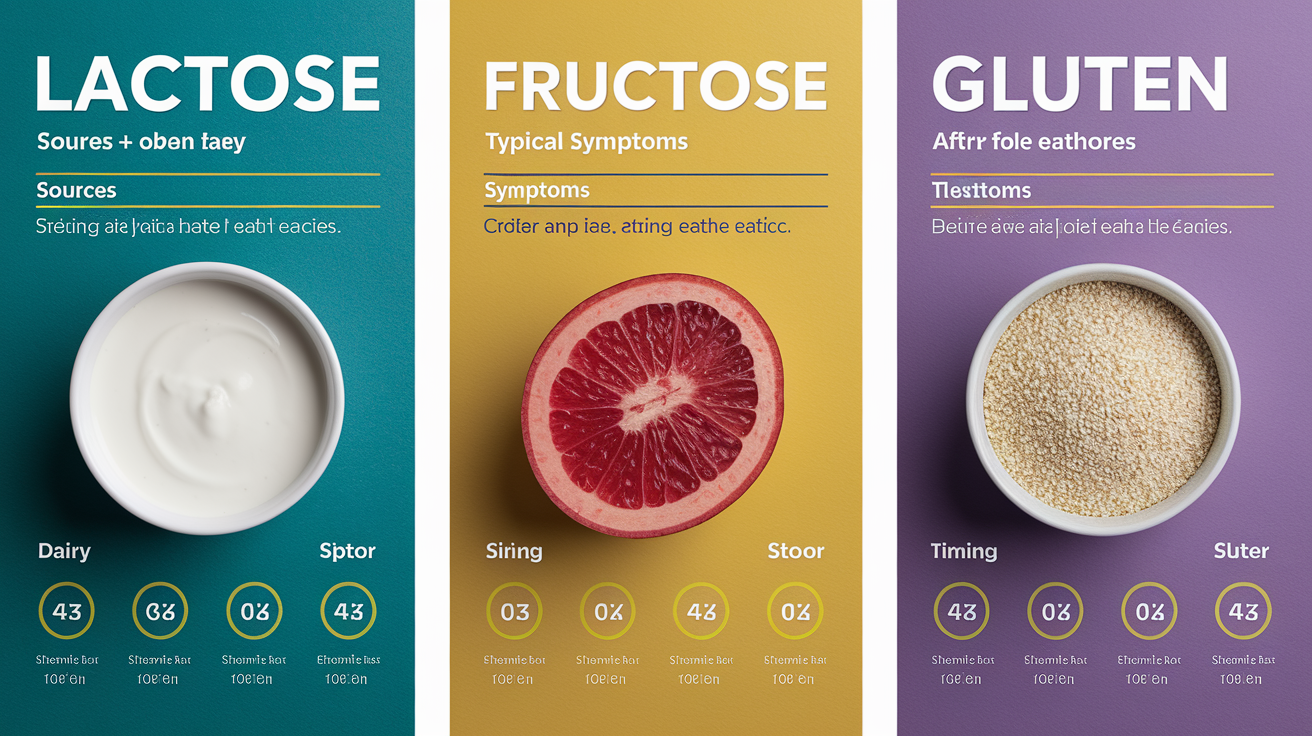
Lactose intolerance happens when your small intestine doesn’t produce enough lactase, the enzyme that breaks down the sugar in milk and dairy products. Undigested lactose travels to your colon where bacteria ferment it rapidly, creating gas, bloating, cramping, and sometimes diarrhea within 30 minutes to two hours after eating dairy. Many people lose lactase activity as they age, making dairy related bloating more common in adulthood even if you tolerated milk fine as a kid.
Fructose malabsorption occurs when your intestines can’t absorb fructose efficiently. High fructose fruits like apples, pears, mangoes, and honey, as well as foods sweetened with high fructose corn syrup, pass into the colon undigested. Bacterial fermentation then produces bloating and loose stools. Fructose intolerance is dose dependent. Small amounts might be fine, but larger servings cause symptoms.
Gluten sensitivity and celiac disease both involve reactions to gluten, a protein in wheat, barley, and rye. Celiac disease is an autoimmune condition where gluten triggers inflammation and damage to your small intestine lining, leading to malabsorption, bloating, diarrhea, fatigue, and weight loss. Non-celiac gluten sensitivity causes similar digestive symptoms without the immune damage, but bloating and abdominal discomfort are common. Symptoms typically show up within hours of eating gluten containing foods and can last for days if exposure continues.
| Trigger Food/Intolerance | Typical Symptoms | Timing After Eating |
|---|---|---|
| Lactose (milk, cheese, yogurt) | Bloating, gas, cramping, diarrhea | 30 minutes to 2 hours |
| Fructose (apples, pears, honey, HFCS) | Bloating, gas, loose stools | 1 to 3 hours |
| Gluten (wheat, barley, rye) | Bloating, abdominal pain, diarrhea or constipation, fatigue | Several hours to 1–2 days |
| FODMAPs (multiple fermentable carbs) | Bloating, distension, gas, altered bowel habits | 2 to 6 hours |
Keeping a food and symptom diary helps identify which specific foods trigger your bloating and how quickly symptoms appear. Write down what you eat, portion sizes, and when bloating starts. Over a week or two, patterns usually emerge. Dairy at breakfast might cause midday bloating, or wheat based meals might leave you uncomfortable by evening. Once you spot a pattern, try removing the suspected food for a few weeks, then reintroduce it in a small amount to see if symptoms return.
IBS, SIBO, and Other Digestive Conditions That Cause Daily Bloating
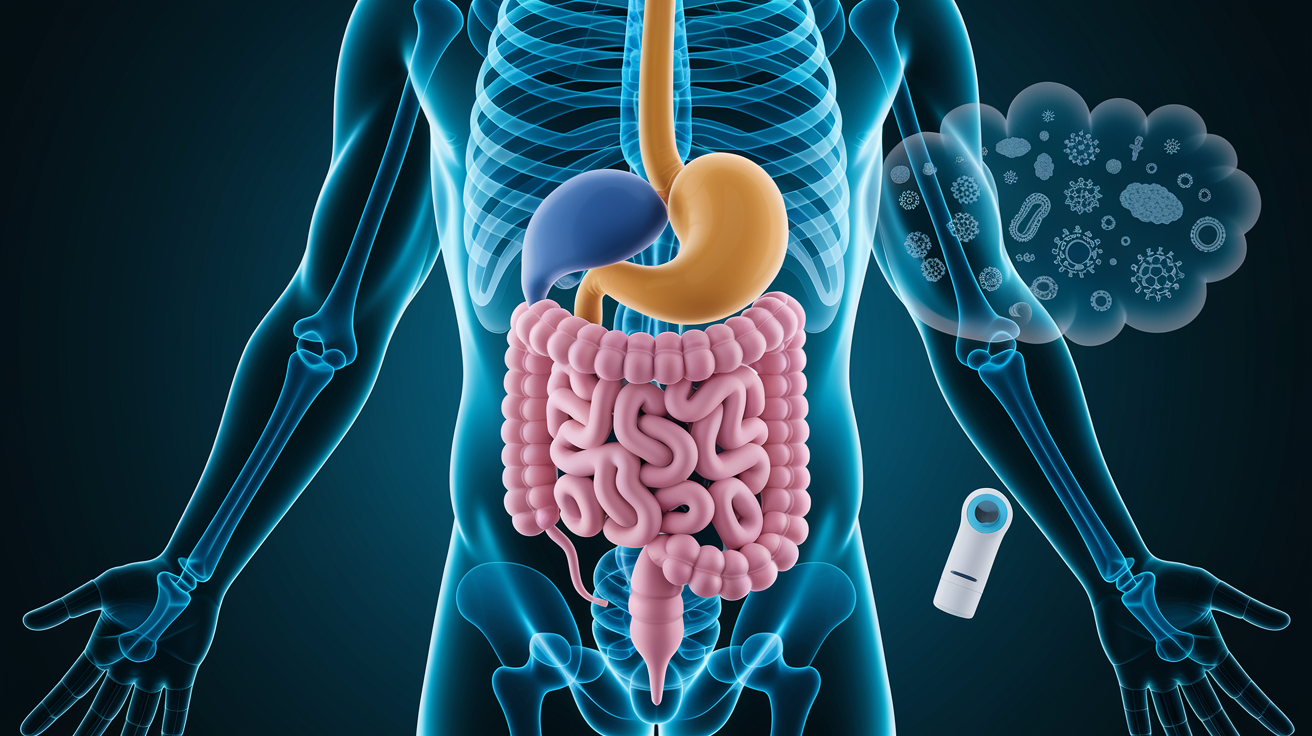
IBS and Daily Bloating
Irritable bowel syndrome is one of the most common reasons for chronic bloating, especially when bloating comes with abdominal pain and unpredictable bowel habits. IBS doesn’t cause visible damage to your intestines, but it messes with how your gut moves food, processes pain signals, and responds to stress. People with IBS often notice bloating that builds throughout the day, gets worse after meals, and improves somewhat after a bowel movement. Certain foods, stress, lack of sleep, and hormonal changes can all make IBS symptoms worse.
SIBO and Fermentation Related Distension
Small intestinal bacterial overgrowth happens when bacteria that normally live in your colon migrate up into your small intestine and multiply. Those bacteria ferment food way earlier in the digestive process than they should, producing hydrogen or methane gas in the upper gut. This creates bloating that often starts shortly after eating, along with excessive burping, nausea, abdominal discomfort, and diarrhea or constipation depending on which gas is dominant. Breath testing, where you drink a sugar solution and exhale into a collection device over several hours, measures hydrogen and methane levels and helps diagnose SIBO. Treatment typically involves targeted antibiotics or herbal antimicrobials, followed by dietary adjustments and sometimes probiotics.
Other Digestive Disorders Linked to Bloating
Inflammatory bowel disease, which includes Crohn’s disease and ulcerative colitis, causes chronic inflammation in your intestinal lining. Bloating in IBD often appears alongside diarrhea, blood in stool, abdominal pain, fatigue, and unintended weight loss. Gastritis and peptic ulcers can cause upper abdominal bloating, especially after meals, along with burning pain and nausea. Delayed gastric emptying, also called gastroparesis, slows the movement of food from your stomach into your small intestine, leading to persistent fullness, early satiety, bloating, and sometimes vomiting.
If bloating is a daily thing and over the counter strategies haven’t helped, or if you also have ongoing abdominal pain, changes in bowel habits, or unexplained weight loss, a healthcare provider can run tests to identify or rule out these conditions. Early diagnosis makes treatment more effective and prevents long term complications.
Constipation and Slow Transit as Hidden Causes of Constant Bloating
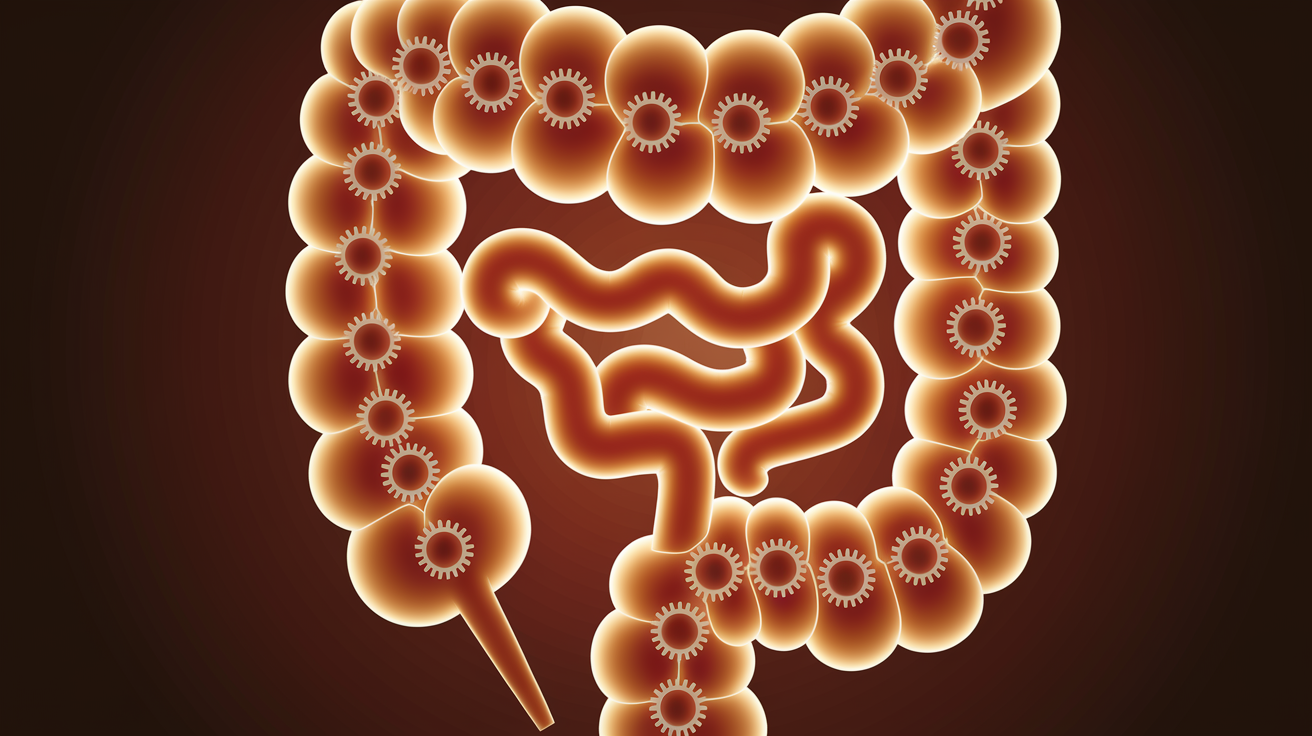
Constipation is one of the most overlooked causes of daily bloating. When stool moves slowly through your colon or sits in your rectum for days, it creates a physical blockage that traps gas behind it. That gas has nowhere to go, so pressure builds and your abdomen swells. Bloating from constipation often gets worse as the day goes on, feels relieved temporarily after passing gas or stool, and comes back quickly if bowel movements stay infrequent.
Slow transit constipation happens when the muscular contractions that push stool through your colon are weak or uncoordinated. Even if you’re eating enough fiber and drinking plenty of water, stool just doesn’t move efficiently. Pelvic floor dysfunction, where the muscles that control bowel movements don’t relax properly, can also make it hard to empty your rectum completely, leaving stool behind and contributing to bloating.
Here are key ways constipation drives ongoing bloating:
- Stool buildup physically blocks gas from moving forward, causing distension
- Prolonged stool contact with the colon wall allows more water absorption, making stool harder and slower to pass
- Straining and incomplete emptying leave residual stool that continues to generate gas
- Low fiber diets or dehydration make stool dry and difficult to move
A daily bowel regimen that includes adequate hydration, regular physical activity, and safe daily laxatives like polyethylene glycol or magnesium based laxatives can keep stool moving and reduce bloating significantly. If constipation doesn’t improve with these steps, or if you have pain, bleeding, or sudden changes in bowel habits, see a healthcare provider for evaluation. Addressing the constipation often resolves the bloating without needing complex interventions.
Hormonal, Gynecologic, and Systemic Causes of Persistent Abdominal Swelling

Hormonal shifts during your menstrual cycle can cause noticeable bloating, especially in the week before your period starts. Rising progesterone slows intestinal motility and promotes water retention, leading to abdominal puffiness, breast tenderness, and a feeling of fullness even if you haven’t eaten much. Pregnancy and menopause also bring hormonal changes that affect digestion. Progesterone during pregnancy relaxes smooth muscle in the gut, slowing transit, while declining estrogen during menopause can alter gut bacteria and fluid balance.
Gynecologic conditions like ovarian cysts, endometriosis, and uterine fibroids can press on your intestines or bladder, creating a sensation of bloating or lower abdominal pressure. Ovarian cysts sometimes grow large enough to cause visible swelling on one side of your abdomen. Endometriosis, where uterine like tissue grows outside the uterus, often causes cyclical bloating that worsens around menstruation, along with pelvic pain and painful periods.
Serious systemic conditions can also present with abdominal swelling that resembles bloating. Ascites, the accumulation of fluid in your abdominal cavity, occurs in advanced liver disease, heart failure, and certain cancers. Unlike gas related bloating, ascites causes steady, progressive swelling that doesn’t fluctuate much with meals or bowel movements. Kidney disease and heart failure both impair your body’s ability to regulate fluid, leading to swelling in your legs, ankles, and abdomen.
Watch for these warning signs that bloating may be related to a serious condition:
- Rapid or unexplained weight gain along with abdominal swelling
- Swelling that doesn’t improve after bowel movements or passing gas
- Shortness of breath, chest pain, or swelling in your legs and ankles
If bloating is accompanied by any of these symptoms, or if it appeared suddenly and has been getting worse over days or weeks, seek prompt medical evaluation. Systemic causes require specific treatments that go beyond dietary changes, and early diagnosis improves outcomes significantly.
Daily Habits, Stress, Sleep, and Hydration That Influence Chronic Bloating
Stress and anxiety directly affect your gut through the gut-brain axis, a two way communication network between your brain and digestive system. When you’re stressed, your body releases hormones that slow digestion, alter gut bacteria, and increase sensitivity to pain and bloating. People with IBS often notice their symptoms flare during stressful periods, even if their diet stays the same. Chronic stress can also lead to behaviors like eating quickly, skipping meals, or reaching for comfort foods high in fat and salt, all of which worsen bloating.
Poor sleep disrupts the same hormonal and nervous system pathways that regulate digestion. When you don’t get enough quality sleep, your body produces more cortisol and less melatonin, both of which influence gut motility and inflammation. Sleep deprivation also makes you more likely to crave sugary, processed foods that trigger bloating and less likely to exercise or manage stress effectively.
Hydration plays a critical role in keeping stool soft and moving through your intestines. When you’re dehydrated, your colon pulls more water out of stool to compensate, making it dry and hard. That slows transit, traps gas, and causes bloating. Drinking plenty of water throughout the day supports smooth digestion and helps fiber do its job. Sodium intake matters too. High salt meals cause your body to hold onto water, leading to puffiness and abdominal swelling that can feel like bloating.
Here are daily habits that commonly make bloating worse:
- Skipping meals or eating irregularly, which disrupts digestive rhythm
- Eating while stressed, distracted, or in a hurry
- Not drinking enough water, especially if you eat a high fiber diet
- Consuming high sodium processed foods regularly
- Sitting for long periods without movement, which slows intestinal activity
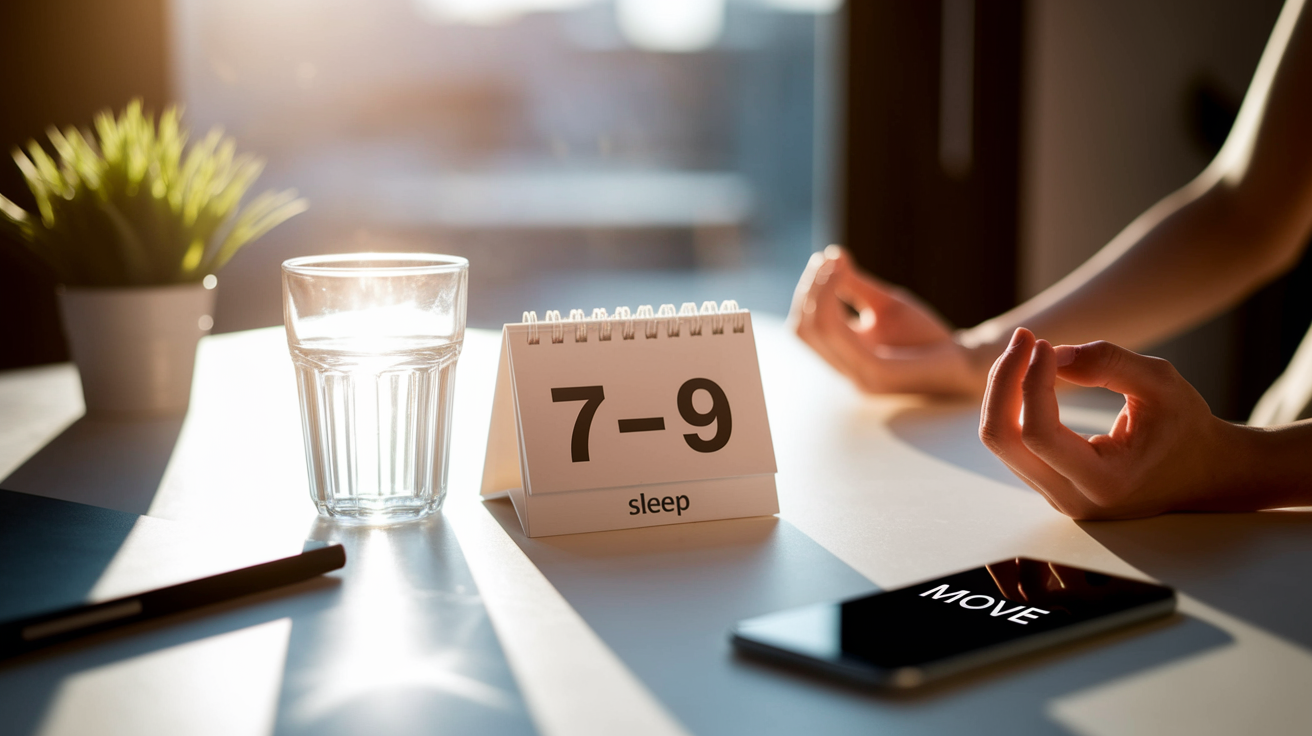
Small changes like taking a 10 minute walk after meals, drinking a glass of water with each meal, practicing deep breathing or meditation for a few minutes daily, and aiming for 7 to 9 hours of sleep can reduce bloating noticeably over time. These habits support the underlying systems that keep your digestion running smoothly.
Self-Care Strategies and Lifestyle Changes to Reduce Constant Bloating

One of the most effective ways to reduce daily bloating is eating smaller, more frequent meals instead of large ones. Big meals stretch your stomach and slow emptying, which increases fullness and gas production. Eating slowly and chewing thoroughly gives your digestive enzymes time to start breaking down food in your mouth and reduces the amount of air you swallow. Avoiding carbonated drinks, chewing gum, and drinking through straws cuts down on swallowed air significantly.
Staying hydrated throughout the day helps food move smoothly through your digestive tract and prevents constipation. Aim for steady water intake rather than chugging large amounts at once. Gradually increasing fiber, especially if you’ve been eating a low fiber diet, gives your gut bacteria time to adjust and reduces gas production. If you add fiber too quickly, bloating often gets worse before it gets better.
Here are evidence based strategies that help reduce chronic bloating:
- Eat smaller portions and slow down at meals to reduce swallowed air and overfilling
- Keep a food diary to identify patterns and trigger foods, then eliminate or reduce them
- Stay hydrated with still water, aiming for about 8 glasses daily or more if you’re active
- Try peppermint tea or peppermint oil capsules, which relax intestinal muscles and reduce cramping
- Use simethicone for gas related bloating. It breaks up gas bubbles and makes them easier to pass
- Add probiotics from dietary sources like kefir, plain yogurt with live cultures, sauerkraut, or kimchi to support healthy gut bacteria
If you suspect certain foods are causing bloating, a short term elimination diet or low FODMAP approach can help identify triggers. FODMAPs are fermentable carbohydrates found in foods like wheat, onions, garlic, beans, apples, and dairy. A low FODMAP diet restricts these foods for a few weeks, then reintroduces them one at a time to see which ones cause symptoms. This approach works well for IBS and SIBO, but it’s best done with guidance from a dietitian to make sure you’re still getting balanced nutrition. Don’t stay on a restrictive diet longer than necessary. Once you’ve identified your triggers, you can build a personalized eating plan that minimizes bloating without cutting out whole food groups.
Diagnostic Tests and When Constant Bloating Becomes Concerning
Persistent bloating that doesn’t improve with diet changes, lasts for weeks, or interferes with your daily life warrants a visit to a healthcare provider. They’ll start by asking detailed questions about your symptoms. When bloating started, what makes it better or worse, what you’ve already tried, and whether you have other symptoms like pain, changes in bowel habits, or weight loss. That history, along with a physical exam, helps narrow down possible causes and guides testing.
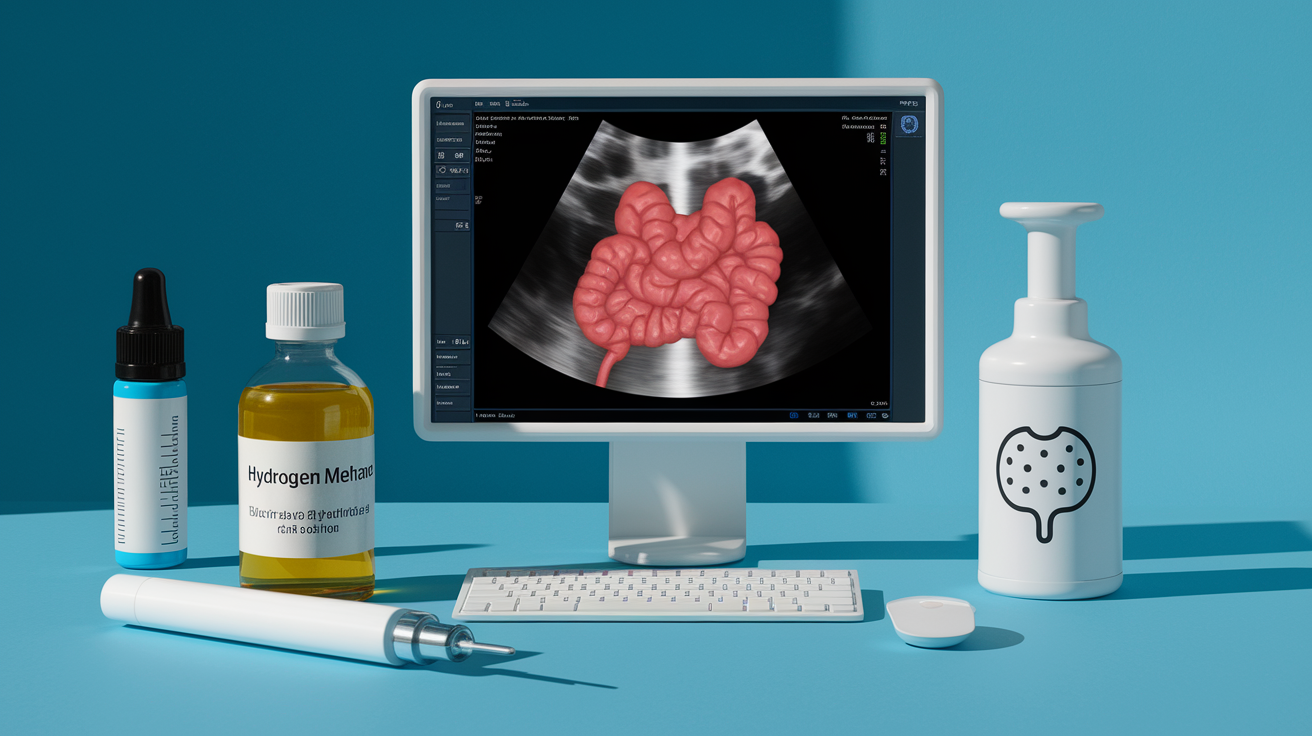
If simple interventions haven’t worked, your provider may recommend diagnostic tests. A breath test measures hydrogen and methane levels in your breath after you drink a sugar solution and can diagnose small intestinal bacterial overgrowth or carbohydrate intolerances. Abdominal imaging like an ultrasound or CT scan looks for structural problems, fluid buildup, masses, or inflammation. Endoscopy allows a doctor to look directly at your esophagus, stomach, and upper small intestine, while colonoscopy examines your colon and can identify inflammation, polyps, or other abnormalities. Stool tests check for infections, blood, inflammation markers, and fat malabsorption.
Watch for these red flag symptoms that require prompt evaluation:
- Unexplained weight loss of more than 5% of your body weight over a few months
- Severe or persistent abdominal pain that doesn’t go away or keeps getting worse
- New persistent diarrhea or constipation that lasts more than a few weeks
- Blood in your stool, whether bright red or dark and tarry
| Test | What It Checks For | When It’s Used |
|---|---|---|
| Breath hydrogen/methane test | Small intestinal bacterial overgrowth, lactose or fructose intolerance | Chronic bloating with gas, diarrhea, or suspected carbohydrate malabsorption |
| Abdominal ultrasound or CT scan | Fluid buildup, masses, organ enlargement, inflammation, structural abnormalities | Persistent bloating with pain, visible swelling, or suspected systemic cause |
| Upper endoscopy | Inflammation, ulcers, celiac disease, delayed gastric emptying | Upper abdominal bloating, nausea, vomiting, suspected celiac or gastritis |
| Colonoscopy | Colon inflammation, polyps, cancer, microscopic colitis | Chronic bloating with diarrhea, blood in stool, unexplained weight loss, or age appropriate screening |
| Stool tests | Infections, blood, inflammation markers, fat malabsorption | Diarrhea, suspected infection, or signs of malabsorption |
If your primary care provider can’t identify the cause or if symptoms persist despite treatment, a referral to a gastroenterologist is the next step. Gastroenterologists specialize in digestive conditions and have access to advanced testing and treatment options. Early evaluation gives you the best chance of finding the root cause and getting effective treatment, so don’t wait if bloating is affecting your quality of life or if you notice any warning signs.
Final Words
We went straight into what usually causes constant bloating: common triggers, how the gut makes gas, food and habit tweaks, and conditions like IBS or SIBO that need testing. You also got clear tracking tips to build a symptom story.
Start tracking when it happens, what you eat, bowel habits, sleep, and stress. Try small changes for a few weeks. Watch for red flags — severe pain, weight loss, blood, or trouble breathing — and get same‑day care.
As you track and tweak, the answer to why am i bloated all the time often becomes clearer. You can make steady progress.
FAQ
Q: How do I get rid of constant bloating?
A: To get rid of constant bloating, start by tracking meals and symptoms, cut common gas triggers, eat slowly, stay hydrated, adjust fiber gradually, and see your clinician if symptoms persist or worsen.
Q: Is it normal to constantly be bloated?
A: Constant bloating isn’t usually “normal”—it often signals food choices, constipation, IBS (irritable bowel syndrome), or an intolerance; track patterns, try self-care, and see a clinician if it’s ongoing.
Q: Why is my belly swollen like I’m pregnant?
A: A belly swollen like pregnancy can come from trapped gas, constipation, fluid retention, food intolerances, or ovarian issues; note timing and triggers, and see your clinician if it’s sudden, painful, or worsening.
Q: What illnesses cause constant bloating?
A: Illnesses that cause constant bloating include IBS, SIBO (small intestinal bacterial overgrowth), celiac disease, inflammatory bowel disease, gastroparesis, and chronic constipation; a clinician can test to find the cause.