
Think water should always make you feel lighter?
For many people, a simple glass can leave the belly tight, full, or puffier than before.
Often it’s swallowed air, the stomach stretching to hold a big sip, the water’s temperature slowing digestion, or your body shifting fluids after a salty meal.
This post breaks those causes down in plain language, offers small habit changes that help, and tells you when to track symptoms or see a clinician.
Key Reasons Your Stomach Bloats After Drinking Water
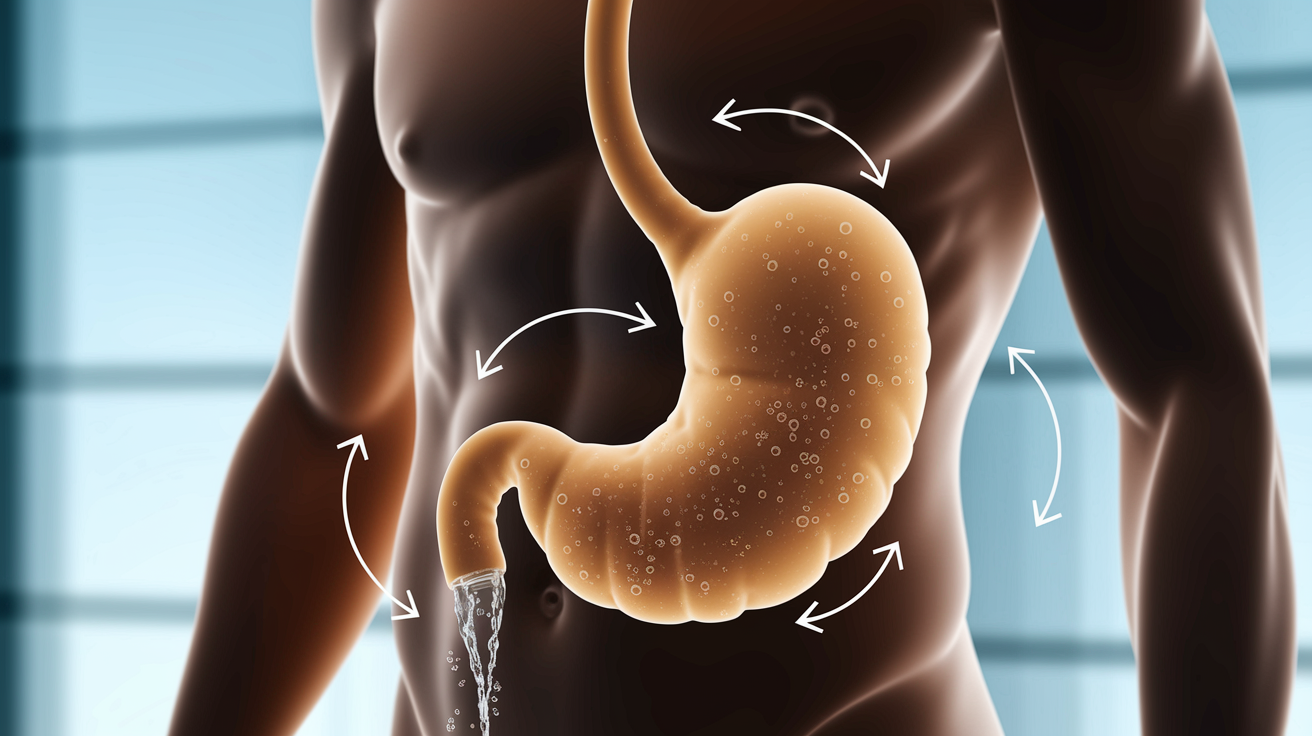
When you drink water, bloating usually happens because you’re swallowing extra air, your stomach stretches to hold the volume, or the temperature of the water briefly changes how your digestive system behaves. Each swallow can carry a few milliliters of air along with the liquid, and that trapped gas builds pressure. If you gulp rather than sip, or if you drink several hundred milliliters in one go, your stomach expands faster than it can empty. You’re left with a tight, uncomfortable fullness that feels like bloating.
Your body’s sodium balance plays a quiet but important role too. When you eat salty foods, osmosis pulls water toward those high-sodium areas to dilute the salt. That temporary shift can make you feel heavier or puffier after drinking, even though you’re technically well hydrated. The way you drink matters. Slow, steady sips introduce less air than rapid gulps do. But the underlying cause is often a mix of trapped air, stomach volume, and how your tissues are managing sodium and fluid at that moment.
Cold water can also momentarily slow stomach muscle activity, which delays the movement of food and liquid out of your stomach. That slower pace means the water sits longer, increasing the sensation of fullness and bloating. Room temperature or slightly cool water tends to feel gentler because your stomach doesn’t need to warm it up before moving it along.
How Drinking Habits Influence Water-Triggered Bloating
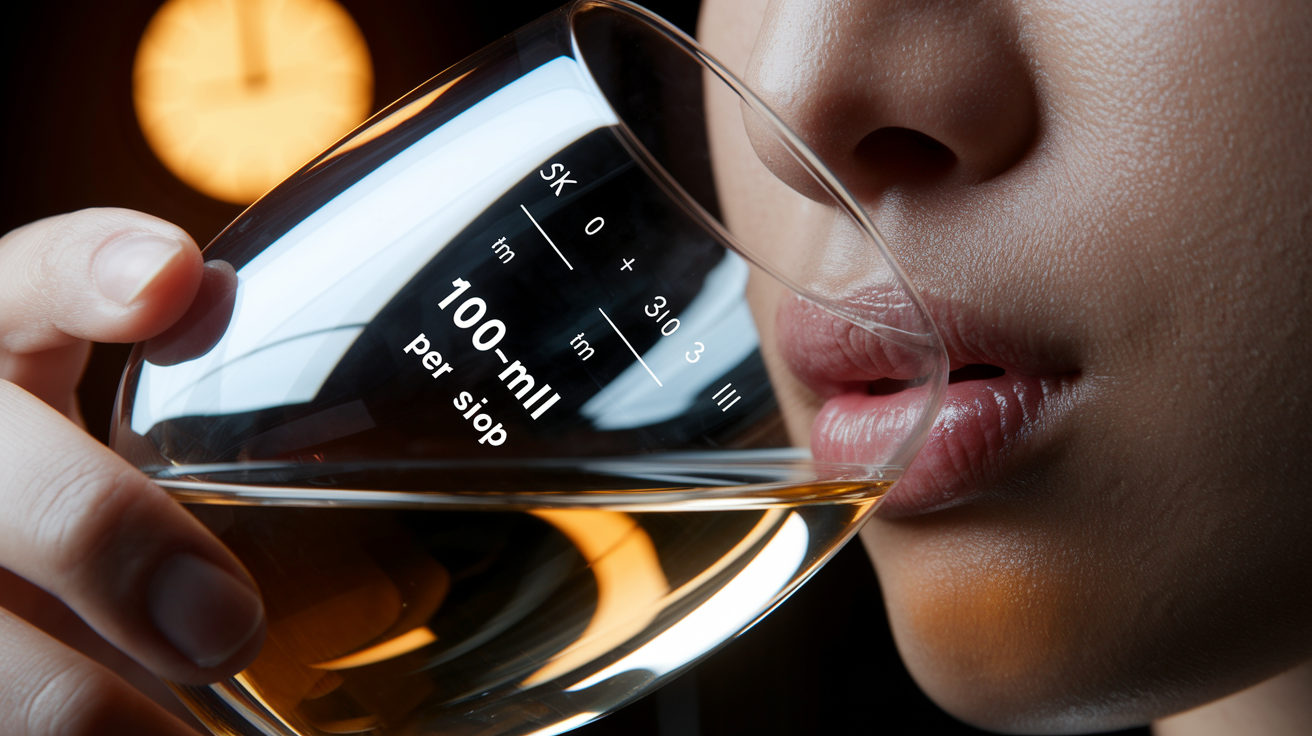
The speed at which you drink directly controls how much air ends up in your stomach. When you take small sips of around 10 to 30 milliliters, your mouth and throat create a tighter seal, and less air slips past your tongue. Gulping, on the other hand, opens your throat wider and faster, pulling extra air down with each swallow. If you drink more than 200 to 300 milliliters at once, that volume sits in your stomach all at once, adding to the pressure and stretching the stomach wall before your body has time to process it. That’s why rapid drinking often leaves you feeling uncomfortably full within seconds.
How you position your mouth and what you’re doing while you drink both matter. Using a straw angles the liquid in a way that makes it easier to gulp and harder to control your pace, so more air gets sucked in. Talking while drinking, chewing gum, or smoking all disrupt the natural rhythm of swallowing and let extra air slip into your esophagus and stomach. Even the shape of your water bottle or glass can encourage habits that increase bloating.
Common behaviors that raise your risk of water bloating:
Chugging large amounts quickly, especially first thing in the morning or right after a meal. Drinking through a straw at any angle. Talking or laughing while swallowing. Chewing gum or sucking on candy before or during hydration. Smoking while drinking or immediately after. Tilting your head back sharply to finish a glass in one motion.
Water Temperature, Osmosis, and Digestion: Why It Matters for Bloating
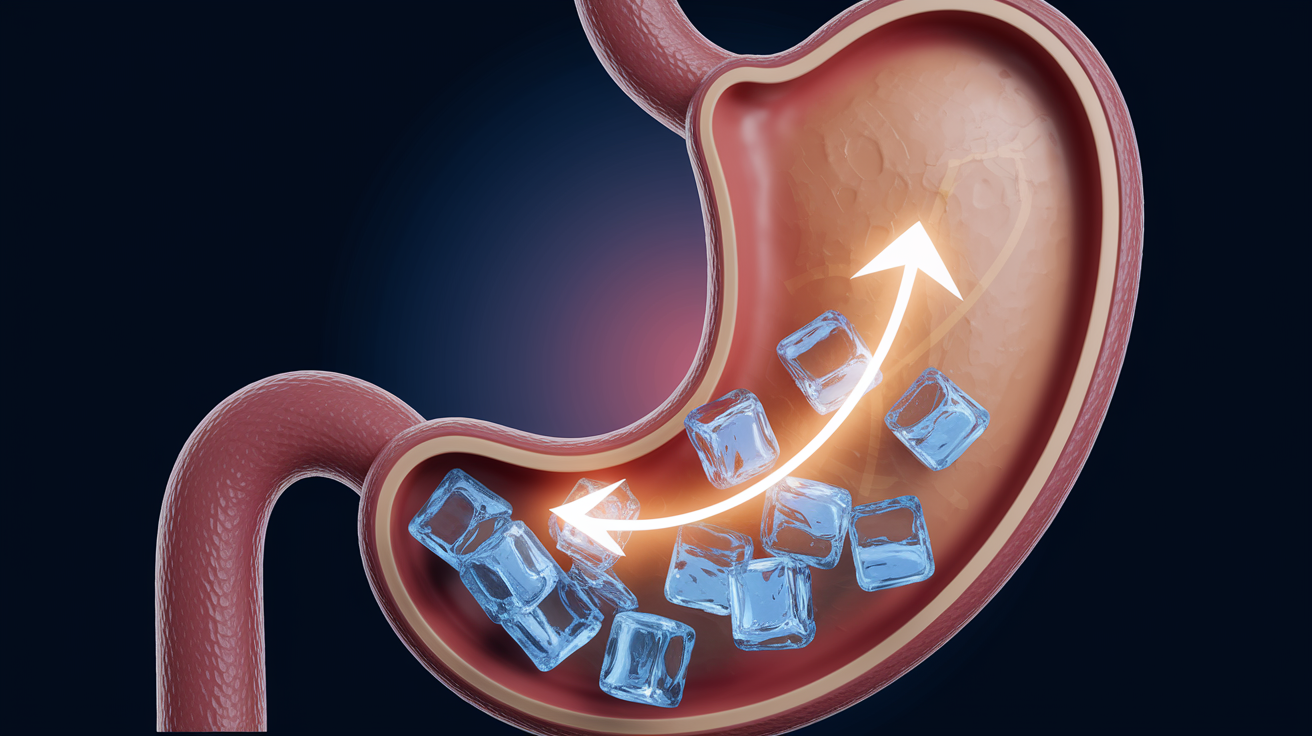
Very cold or iced water requires your stomach to bring the liquid up to body temperature before it can move efficiently into your small intestine. That warming process can temporarily slow the rhythmic contractions of your stomach muscles, which delays emptying and leaves the water (and any food with it) sitting in your stomach longer. When digestion slows, pressure builds, and you feel bloated. Some people are more sensitive to this temperature effect and notice cramping or tightness almost immediately after drinking ice cold water.
Osmosis is the body’s way of balancing salt and water across cell membranes. When you eat something salty, sodium levels rise in your blood and tissues, and water naturally moves toward those high sodium areas to dilute the salt. If you drink plain water after a high sodium meal, your body temporarily holds onto more of that water to manage the osmotic balance rather than flushing it out quickly. That retention feels like bloating, especially around your midsection, and it can last for several hours until your kidneys process the excess sodium and the balance resets.
Connecting this to real meals: processed foods, restaurant dishes, canned soups, and salty snacks can contain 800 to 1,500 milligrams of sodium or more per serving. When you follow that kind of meal with a big glass of water, the sodium draws the water into your tissues and gut, increasing the sensation of fullness and puffiness. It’s not true long term weight gain, and it’s not dangerous, but it does explain why you can feel heavier and more bloated after hydrating following a salty meal.
| Cause | Effect on Bloating |
|---|---|
| Very cold water | Slows stomach muscle contractions; delays emptying; increases fullness and pressure |
| High sodium meal followed by plain water | Osmosis pulls water into tissues and gut; temporary retention creates puffy, bloated feeling |
| Rapid intake of large volume (>300 mL at once) | Stomach stretches quickly before it can empty; immediate pressure and discomfort |
| Gulping or using a straw | Increases swallowed air (aerophagia); trapped gas causes belching and bloating |
When Digestive Conditions Make Water Bloating Worse
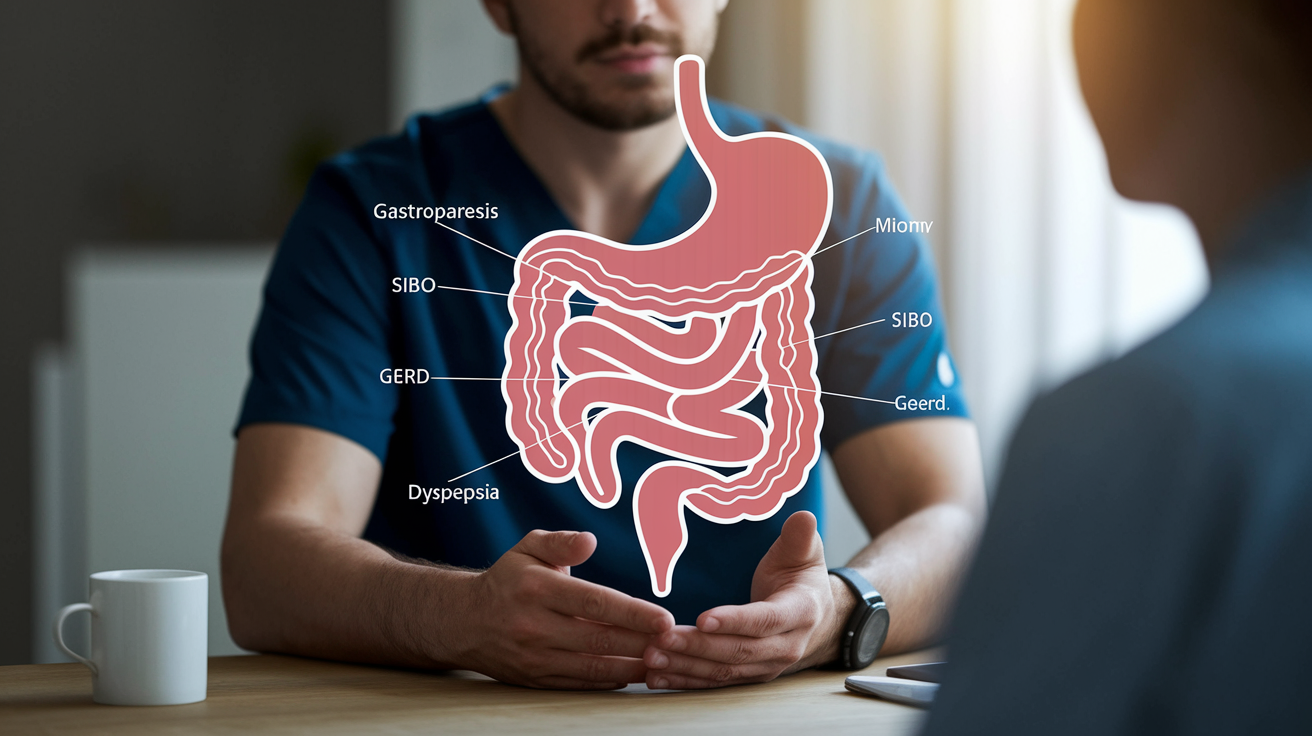
IBS and Visceral Sensitivity
Irritable bowel syndrome affects roughly 10 to 15 percent of adults and makes the nerves in the gut more sensitive to normal amounts of gas, fluid, or pressure. If you have IBS, even a moderate glass of water can feel uncomfortable because your intestines perceive the stretch more intensely than someone without the condition would. Cold water, carbonated water, or drinking quickly can all trigger bloating or cramping that feels disproportionate to the amount you actually drank. IBS doesn’t damage your intestines structurally, but it does amplify every sensation. Small changes in your drinking habits can make a noticeable difference.
Gastroparesis and Delayed Emptying
Gastroparesis means your stomach empties more slowly than it should, often because nerve signals controlling stomach muscle contractions are weak or disrupted. Diabetes, certain medications, and neurological conditions are common causes. When you drink water with gastroparesis, the liquid sits in your stomach longer than usual, adding to any food already sitting there. This delayed emptying creates prolonged fullness, nausea, and bloating that can last for hours after a single glass of water.
People with gastroparesis often notice these signs:
Feeling full after only a few sips or bites. Nausea that gets worse after drinking or eating. Bloating that doesn’t improve with burping or passing gas. Vomiting undigested food hours after a meal.
SIBO and Fermentation Effects
Small intestinal bacterial overgrowth (SIBO) occurs when bacteria that normally live in your colon migrate up into your small intestine. When you drink water, especially if it moves quickly through a stomach that’s already struggling with delayed emptying or low acid, it can carry those bacteria and undigested particles into the small intestine. The bacteria ferment carbohydrates and produce gas, which increases bloating. SIBO bloating often feels worse after meals and can cause a visibly distended abdomen that fluctuates throughout the day.
Reflux, Dyspepsia, and Constipation
Gastroesophageal reflux disease (GERD) and functional dyspepsia both make the upper digestive tract more sensitive. Large volumes of water can increase stomach pressure and push acid upward, worsening heartburn and creating a bloated, uncomfortable feeling in your upper abdomen. Constipation slows the entire digestive tract, so water that enters your system can’t move efficiently through your intestines. Instead, it sits alongside stool and gas, adding to the sense of fullness and bloating. Addressing constipation with fiber, movement, and adequate hydration actually reduces bloating over time. But in the short term, drinking water when you’re already backed up can feel worse before it feels better.
Comparing Gas, Distension, and Water Retention
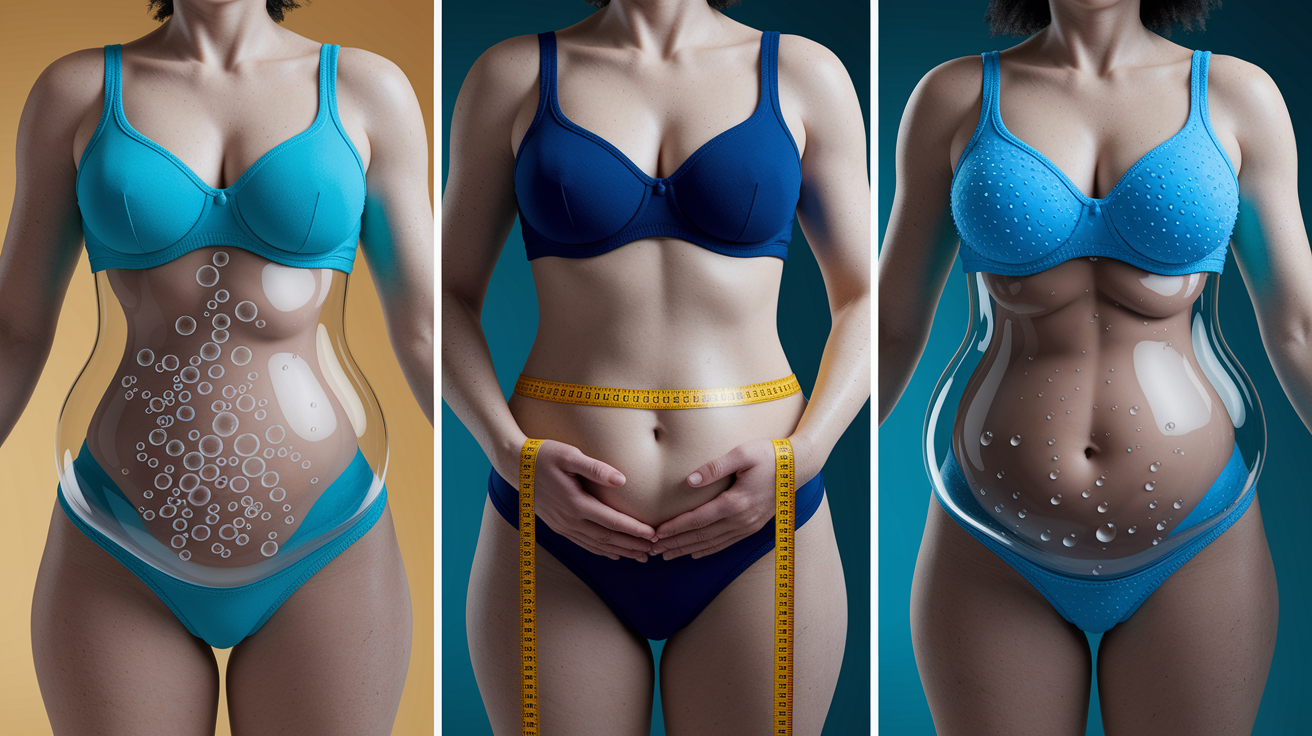
Gas bloating usually comes on quickly and feels like pressure or tightness, often with the urge to burp or pass gas. It’s caused by swallowed air or by bacteria in your gut producing gas as they break down food. Water retention, on the other hand, develops more slowly and feels heavier and puffier, especially around your waist, ankles, or fingers. Retention happens when your body holds onto extra fluid because of sodium, hormones, or inflammation. Both can make your abdomen feel larger, but the sensations and timing are different.
Distension is the visible expansion of your abdomen, and it can result from either gas or fluid. Your abdominal circumference can vary by several centimeters within a few hours depending on what you’ve eaten, how much air you’ve swallowed, and whether you’re retaining water. Measuring your waist in the morning and again in the evening can show you the difference. Gas distension often peaks after meals and improves overnight, while water retention tends to be more consistent throughout the day and may get worse as the day goes on if sodium intake is high.
Five key differences between gas, distension, and water retention:
Gas bloating usually causes burping, flatulence, and sharp, crampy discomfort that moves around. Water retention feels like a dull, heavy fullness and often shows up as swelling in your ankles or fingers along with abdominal puffiness. Gas distension can appear and disappear within an hour or two; water retention takes hours to days to resolve. Pressing on a gas bloated abdomen often shifts the sensation or triggers a burp; pressing on water retention feels softer and may leave a temporary indent. Gas bloating improves when you move, walk, or change position; water retention doesn’t respond as quickly to movement.
How Carbonated Water and Electrolyte Drinks Affect Bloating
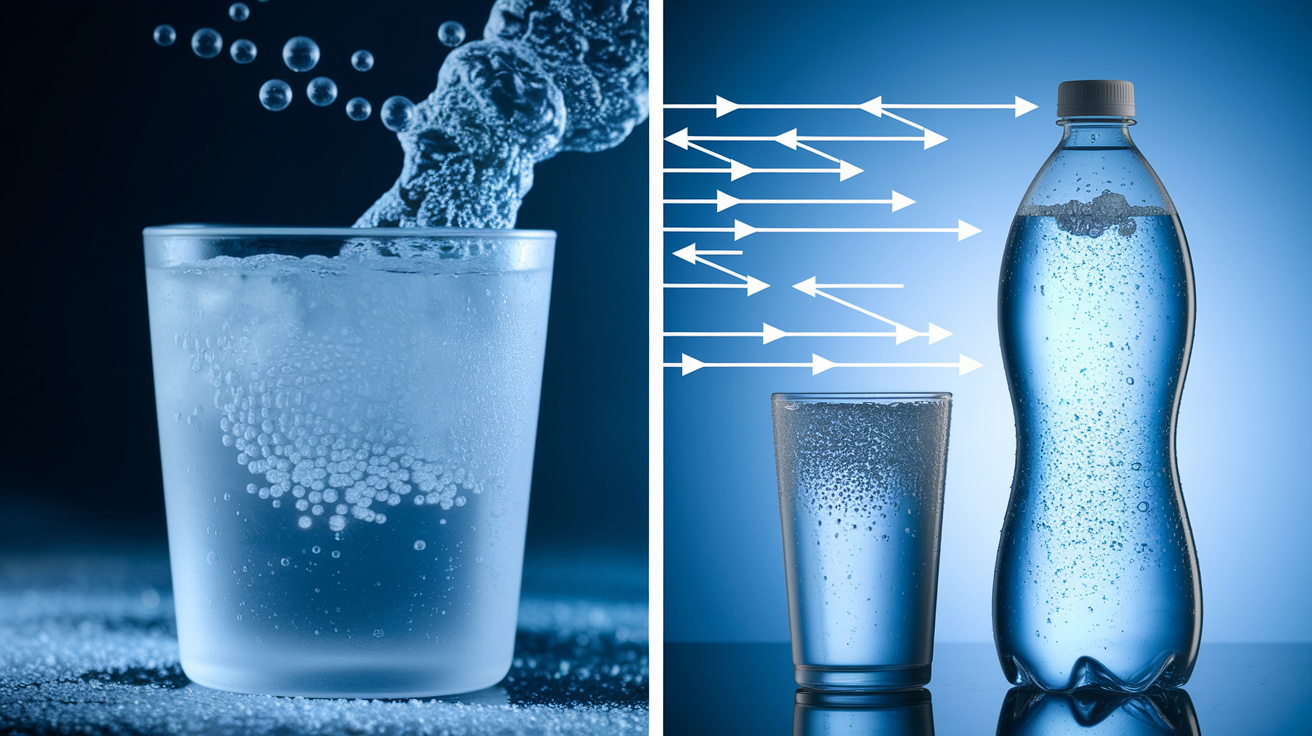
Carbonated water contains dissolved carbon dioxide under pressure. When you open the bottle or can and drink it, the CO₂ is released as gas in your stomach, creating immediate pressure and often triggering burping. That gas takes up space, stretches your stomach, and contributes to bloating in a way that still water doesn’t. The colder the carbonated drink, the more CO₂ it holds, so icy sparkling water can feel especially bloating because you’re getting both the gas release and the temperature slowed digestion at the same time.
Electrolyte drinks alter the osmolarity of the liquid in your stomach and intestines. Osmolarity is the concentration of dissolved particles (sodium, potassium, sugar) in a fluid. When an electrolyte drink has a high osmolarity, it can slow gastric emptying because your stomach needs to dilute it before passing it along to your small intestine. Sugary sports drinks often have a high osmolarity, which delays emptying and can make you feel fuller and more bloated than plain water would. Drinks that are isotonic (matching your body’s natural fluid concentration) empty faster, but any added sugar or sweeteners can still slow things down if your digestive system is sensitive.
When you combine carbonation, cold temperature, and rapid drinking, the effects stack. You’re swallowing extra air, introducing dissolved CO₂ that turns into gas, slowing your stomach’s ability to empty, and stretching your stomach faster than it can process the volume. That’s why people who switch from sparkling water to room temperature still water often notice an immediate reduction in bloating, even when they’re drinking the same total amount of fluid.
Hormones, Life Stages, and Water Bloating

Hormones directly influence how your body handles sodium and water. During the luteal phase of the menstrual cycle (the week or two before your period starts), progesterone levels rise, which causes your kidneys to hold onto more sodium. When sodium stays in your system longer, water follows, and you feel bloated and puffy. Drinking water during this phase can temporarily make the bloating feel worse because your body isn’t flushing the water out as efficiently as it does earlier in your cycle. This is a normal hormonal shift, and it usually resolves within a day or two after your period begins.
Pregnancy slows digestive motility because rising progesterone relaxes smooth muscle throughout your body, including in your intestines. That slower movement means water and food sit in your gut longer, increasing the likelihood of bloating after drinking. As pregnancy progresses and the uterus grows, it also puts physical pressure on your stomach and intestines, which compounds the sensation of fullness. Menopause brings a different set of changes. Estrogen levels drop, which can alter gut motility, increase visceral fat, and change how your body manages sodium and fluid balance, all of which can make bloating after drinking water more noticeable than it was earlier in life.
Hormone factors that affect water bloating include:
Progesterone driven sodium retention in the second half of the menstrual cycle. Slowed intestinal motility during pregnancy due to elevated progesterone. Physical pressure on the digestive tract from a growing uterus. Estrogen withdrawal during menopause altering gut motility and fluid handling.
Practical Fixes to Reduce Bloating After Drinking Water
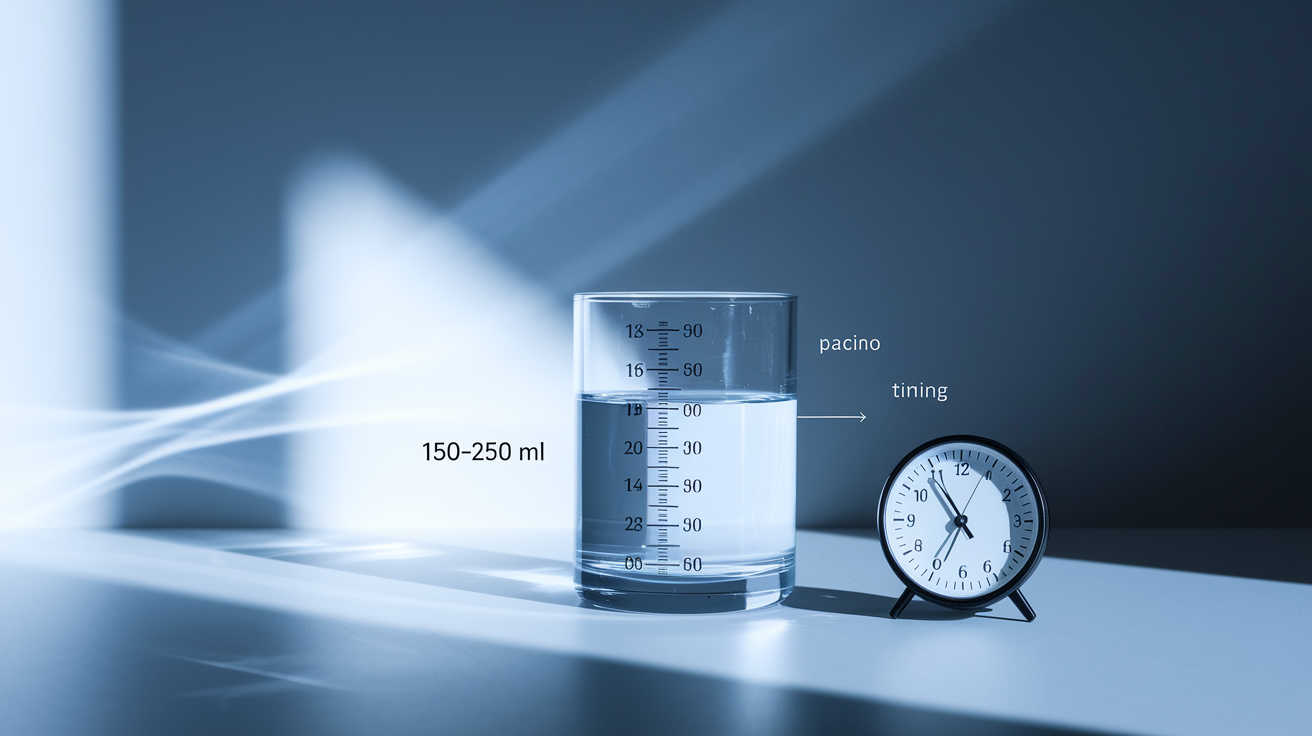
Start by changing how fast and how much you drink at one time. Take small sips of 10 to 30 milliliters, and aim to spread your total daily intake across the day rather than drinking large amounts in short bursts. A good rhythm is 150 to 250 milliliters every 15 to 30 minutes when you’re thirsty, rather than chugging 500 milliliters all at once. This pacing gives your stomach time to empty between drinks, reduces the amount of air you swallow, and keeps pressure low. Switching to room temperature or slightly cool water instead of ice cold also helps your stomach process the liquid faster, so it doesn’t sit and stretch your stomach wall.
Timing your water intake around meals can make a big difference. Try to drink most of your fluids 20 to 30 minutes before eating, or wait 30 to 60 minutes after a meal before drinking a full glass. This avoids adding extra volume to an already full stomach. Pay attention to posture too. Sitting upright while drinking and staying upright for at least 30 minutes afterward helps gravity move the water through your digestive tract more efficiently. Walking for 10 to 15 minutes after drinking or eating can stimulate gut motility and reduce the sensation of fullness. Managing stress through breathing exercises or short breaks also calms your digestive system, which can reduce bloating triggered by nervous swallowing or altered gut motility.
Reducing processed sodium is one of the most effective long term strategies. Aim to keep daily sodium intake below 2,300 milligrams, or lower if your doctor recommends it. Choose fresh or minimally processed foods, cook at home when possible, and read labels carefully. If certain foods consistently trigger bloating (especially high FODMAP foods like onions, garlic, beans, or dairy), consider working with a dietitian to identify patterns and adjust your diet. Stick with still water instead of carbonated, and avoid drinking through a straw or talking while you swallow.
| Strategy | Why It Helps | When to Use |
|---|---|---|
| Sip slowly, 10–30 mL per swallow | Reduces swallowed air and prevents rapid stomach expansion | Every time you drink, especially if prone to bloating |
| Drink room temperature or slightly cool water | Allows faster gastric emptying and reduces stomach muscle spasm | With meals and any time cold water triggers discomfort |
| Space intake: 150–250 mL every 15–30 minutes | Gives stomach time to empty between drinks; lowers pressure | Throughout the day, especially during exercise or hot weather |
| Reduce processed sodium below 2,300 mg/day | Lowers osmotic water retention; reduces post meal puffiness | Daily; most important after salty meals or during hormonal shifts |
| Avoid carbonated beverages and straws | Eliminates CO₂ gas and reduces swallowed air | Always, if bloating is a recurring problem |
Red Flags That Water Bloating May Need Medical Evaluation
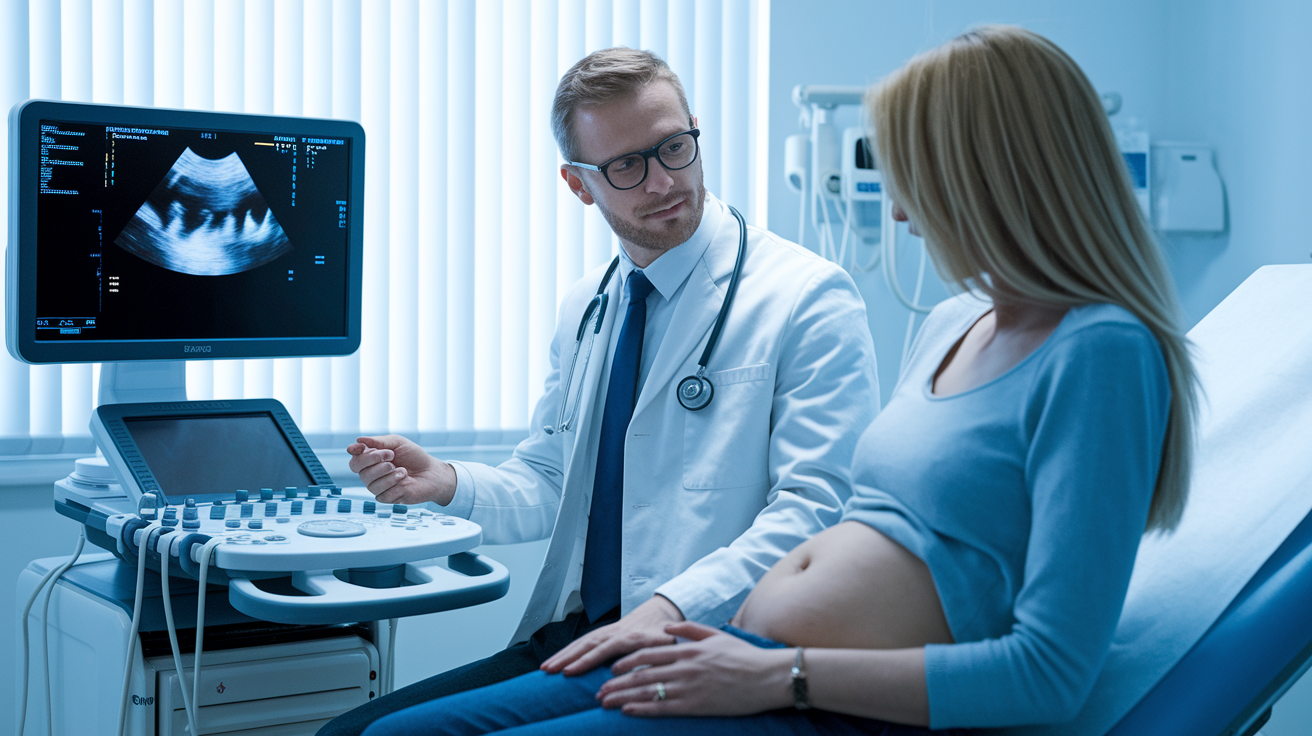
Water bloating that lasts longer than two weeks, or that’s severe enough to interfere with eating, sleeping, or daily activities, is worth discussing with a healthcare provider. So is bloating that suddenly appears and worsens over days, especially if you haven’t changed your diet or drinking habits. If drinking water consistently causes sharp pain, persistent nausea, or vomiting, that’s not normal. It may point to an underlying condition like gastroparesis, a stricture, or an ulcer that needs treatment.
When you see a clinician, they may start with a physical exam and a detailed history of your symptoms, eating patterns, and bowel habits. Depending on what they find, they might order tests such as an upper endoscopy to look at your stomach and esophagus, a gastric emptying study to measure how fast your stomach processes food and liquid, a breath test to check for SIBO, or abdominal imaging like an ultrasound or CT scan to rule out structural problems or masses. Blood tests can identify electrolyte imbalances, kidney issues, or signs of inflammation that might explain water retention or bloating.
Warning signs that should prompt a medical visit:
Bloating after drinking water that persists for more than two weeks despite pacing, temperature changes, and reduced sodium. Severe abdominal pain that comes on suddenly or worsens over a few days. Unintentional weight loss of more than five pounds over a few weeks. Persistent vomiting, especially if you’re vomiting undigested food hours after eating. Blood in your stool, black or tarry stools, or vomiting blood. Fever, chills, or signs of infection along with bloating and abdominal discomfort.
Final Words
In the action, we covered why your stomach can bloat after water: swallowed air, quick large gulps that stretch the stomach, and temperature or high-salt effects that slow digestion or hold extra fluid.
We looked at how habits—sipping versus gulping, straws, talking—change trapped air, and when ongoing or severe signs deserve a clinical check.
If you’re asking why does my stomach bloat after drinking water, try sipping small amounts, skip fizzy drinks, note patterns, and bring that log to your clinician. Small changes often help.
FAQ
Q: Is it normal to get really bloated after drinking water?
A: Getting very bloated after drinking water is often normal and comes from swallowed air, a quick large gulp stretching the stomach, or cold water briefly slowing digestion. See a clinician if it’s persistent or painful.
Q: How do I debloat my stomach asap?
A: To debloat your stomach quickly, sip small amounts slowly, walk, gently massage your abdomen, use a warm compress, avoid fizzy or salty foods, loosen clothes, and try to pass gas or urinate; seek care if severe.
Q: How do you get rid of water bloating?
A: To get rid of water bloating, drink in small sips, avoid carbonated and salty drinks, choose room-temperature water, move after drinking, track patterns, and cut rapid gulps; see a clinician if it recurs or worsens.
Q: Why is my stomach so bloated all the time?
A: A persistently bloated stomach can be caused by IBS, slow stomach emptying, excess gas from SIBO or constipation, hormonal changes, certain meds, or ongoing high-salt intake; track symptoms and see a clinician if it’s lasting or severe.