

Think yellow phlegm means you need antibiotics? Not always.
Yellow phlegm often just shows your immune system is working. White blood cells can color mucus as they fight infection.
But color alone doesn’t tell the full story.
This post explains what yellow phlegm commonly means, the likely causes, what safe self care you can try, and the red flags that should make you call a clinician.
Start by tracking when it began, what else you feel, and whether it’s getting better or worse. That information matters most.
Understanding What a Yellow Phlegm Cough Means

A yellow phlegm cough happens when mucus in your airways thickens and picks up color from your immune system’s work. Mucus normally stays clear or white, trapping dust, germs, and irritants before they reach your lungs. When infection or inflammation shows up, white blood cells rush in to fight back. As these cells do their job and die off, they break down into debris that stains the mucus yellow. It’s a normal immune response, not a sign that something’s gone catastrophically wrong.
The shift from clear to yellow usually means your body’s actively responding to a respiratory challenge. More than 80% of patients who produce darker yellow or green sputum show evidence of bacterial presence, compared to just 6% of those with lighter mucus. That correlation’s helpful but not absolute. A rhinovirus study found roughly 50% of adults developed yellow or green nasal mucus during common colds, even though viruses caused the infection, not bacteria. Color is a clue. It’s not the final diagnosis.
Think of yellow phlegm as your immune system leaving its fingerprint. The color tells you inflammation’s happening and cells are working, but it doesn’t always tell you whether the cause is viral, bacterial, allergic, or environmental. That’s why clinicians look at the full picture: how long you’ve been sick, what other symptoms you have, and how your body’s responding over time.
Most common interpretations of yellow phlegm:
- Viral upper respiratory infection, usually clears within 7 to 10 days without antibiotics
- Bacterial sinus or lung infection, may persist longer and worsen without treatment
- Allergic or irritant response, often paired with sneezing, itchy eyes, or exposure to smoke
- Chronic airway inflammation, seen in conditions like chronic bronchitis or long term smoking
Causes Behind a Yellow Phlegm Cough

Several conditions can trigger the immune response that creates yellow phlegm. Some are mild and self limiting, while others need medical evaluation and targeted treatment. The color’s one part of the story. How you feel overall and how long it lasts matter just as much.
Understanding the difference between viral and bacterial causes is especially important. Viral infections are by far the most common reason for a yellow phlegm cough, and they don’t respond to antibiotics. Bacterial infections are less frequent but sometimes require prescription medication. Chronic conditions, allergies, and environmental irritants can also produce thick yellow mucus without any infection at all.
Viral Upper Respiratory Infection
A common cold or viral bronchitis often starts with clear, watery mucus that thickens and turns yellow as your immune system ramps up. You might feel congested, tired, achy, with a mild sore throat and a dry cough that becomes productive after a few days. Yellow phlegm during a viral infection is normal and doesn’t mean you need antibiotics. Most viral upper respiratory infections resolve on their own within 7 to 10 days. If your symptoms start improving after that window, you’re likely on the mend.
Sinus Infection (Sinusitis)
Sinusitis can be viral or bacterial and often follows a cold that doesn’t quite clear. Yellow or greenish mucus drains from your sinuses, and you may feel facial pressure, headache, and congestion that won’t quit. Viral sinusitis usually improves within 10 days. Bacterial sinusitis is more likely if facial pain gets severe, symptoms last longer than 10 days, or you start feeling worse after initially getting better. That’s when a clinician might consider antibiotics.
Allergies and Irritants
Allergic reactions to pollen, dust, mold, or pet dander can cause thick yellow mucus, especially when post nasal drip’s been sitting in your throat or airways for a while. You’ll often notice sneezing, itchy or watery eyes, and congestion without fever. Environmental irritants like smoke, pollution, or chemical fumes can also inflame your airways and produce yellow phlegm, even without an infection. If you work around irritants or live in a high pollution area, your mucus may stay yellow longer.
Bronchitis and Chronic Airway Inflammation
Acute bronchitis usually starts with a viral infection and causes a persistent cough that brings up yellow or white phlegm. You might feel chest tightness, mild shortness of breath, and fatigue. Most cases clear within a few weeks with rest and hydration. Chronic bronchitis, often linked to smoking or long term irritant exposure, causes yellow mucus production that lasts for months or comes back repeatedly. If you’ve been coughing up yellow phlegm for more than three months over two consecutive years, chronic bronchitis is a possibility.
Pneumonia Related Yellow Phlegm
Pneumonia is a lung infection that can be viral, bacterial, or fungal. When bacterial pneumonia develops, yellow or rust colored phlegm often appears along with high fever, chills, sharp chest pain when breathing, and significant shortness of breath. This is more serious than a cold or bronchitis and requires prompt medical evaluation. Viral pneumonia can also produce yellow mucus, but the overall illness often feels different. Slower onset, less dramatic fever, more generalized fatigue.
| Cause | Typical Symptoms | Duration |
|---|---|---|
| Viral Upper Respiratory Infection | Congestion, mild sore throat, cough, fatigue | 7–10 days |
| Bacterial Sinusitis | Severe facial pain, thick yellow mucus, fever | More than 10 days or worsening after initial improvement |
| Allergic Reaction | Sneezing, itchy eyes, post nasal drip, no fever | Ongoing with exposure |
| Bacterial Pneumonia | High fever, chills, sharp chest pain, shortness of breath | Requires prompt treatment; variable recovery |
Symptoms That Often Accompany a Yellow Phlegm Cough

Yellow phlegm rarely shows up alone. It usually arrives with a cluster of other respiratory symptoms that help you and your clinician understand what’s happening. The combination of symptoms matters more than any single sign.
Common partners to a yellow phlegm cough include nasal congestion, sore or scratchy throat, mild to moderate fever, general fatigue, and a feeling of chest heaviness or tightness. Sinus infections often add facial pressure or pain, especially around the cheeks, forehead, or between the eyes. Bronchitis typically brings a persistent, hacking cough that feels like it’s coming from deep in your chest, sometimes with wheezing or mild shortness of breath during activity.
Key symptom clusters to watch for:
- Fever and chills, common in bacterial infections like pneumonia or sinusitis. Viral infections may cause low grade fever.
- Facial pain or pressure lasting more than 10 days, suggests possible bacterial sinus infection.
- Shortness of breath or wheezing, can indicate bronchitis, asthma flare, or pneumonia.
- Sharp chest pain when coughing or breathing, especially concerning for pneumonia or pleurisy.
- Extreme fatigue or confusion, red flags for severe infection or low oxygen.
- Blood tinged or rust colored phlegm, may signal pneumonia, tuberculosis, or other serious lung conditions.
When a Yellow Phlegm Cough Needs Medical Evaluation

Most yellow phlegm coughs are caused by viral infections that get better on their own. But certain warning signs mean it’s time to call your clinician or seek urgent care. The longer symptoms persist or the more severe they become, the more important it is to get checked.
If your cough and yellow phlegm last longer than 21 days without improvement, schedule an evaluation. Persistent symptoms can signal a bacterial infection that needs antibiotics, or a chronic condition like asthma or COPD that requires a treatment plan. Don’t wait three weeks if you’re also running a high fever, feeling worse instead of better, or noticing any of the red flags below.
Certain symptoms require same day or emergency evaluation because they can indicate serious infection, low oxygen, or complications that won’t resolve with home care. Trust your instinct. If you feel like something’s seriously wrong, it’s okay to get checked, even if you’re not sure it’s an emergency.
Urgent signs that require prompt medical attention:
- High fever (above 101°F or 38.3°C) that lasts more than a few days or doesn’t respond to fever reducers
- Difficulty breathing or shortness of breath at rest or with minimal activity
- Chest pain that’s sharp, severe, or worse when you breathe or cough
- Blood in your mucus or coughing up rust colored or bright red phlegm
- Confusion, extreme fatigue, or severe weakness that interferes with daily function
- Severe facial pain lasting more than 10 days, especially with swelling or vision changes
- Wheezing or a tight, squeezed feeling in your chest that’s new or worsening
Tests Clinicians May Order
When you see a clinician for persistent or severe yellow phlegm, they’ll often start with a physical exam, listening to your lungs and checking your vital signs. If they suspect a bacterial infection or need more information, they may order tests. A complete blood count (CBC) looks at your white blood cell levels to help gauge infection severity. A sputum culture can identify which bacteria are present and guide antibiotic choice. A chest X ray helps rule out pneumonia or other lung abnormalities. Pulse oximetry, a quick clip on your finger, measures your blood oxygen level to see if your lungs are working efficiently. These tests help clinicians treat the right cause with the right therapy.
Home Remedies for a Yellow Phlegm Cough

For mild cases of yellow phlegm caused by viral infections or minor irritation, supportive home care can help you feel better while your immune system does its job. The goal’s to keep mucus thin and moving so it doesn’t sit in your airways and worsen congestion.
Staying hydrated is one of the most effective things you can do. Drink water, herbal tea, warm broth, or diluted juice throughout the day. Fluids help thin mucus so it’s easier to cough up and clear. Steam inhalation, whether from a hot shower, a bowl of hot water with a towel over your head, or a warm humidifier, loosens thick phlegm and soothes irritated airways. Saline nasal sprays or rinses flush out mucus and reduce post nasal drip, which often contributes to a productive cough.
Evidence based home remedies for yellow phlegm cough:
- Increase fluid intake, aim for at least 8 glasses of water daily to keep mucus thin
- Use steam or a humidifier, especially helpful at night or in dry indoor air
- Try saline nasal irrigation, gently rinses sinuses and reduces thick drainage
- Sip warm fluids like ginger tea or honey in warm water, soothes throat and may reduce cough frequency
- Avoid smoke and other irritants, give your airways a break while they’re inflamed
Over the Counter Options for Managing a Yellow Phlegm Cough

When home remedies aren’t enough, over the counter medications can offer targeted relief. The right choice depends on your main symptom and the cause of your cough. Read labels carefully, and check with a pharmacist or clinician if you have other health conditions, take other medications, or are pregnant.
Expectorants like guaifenesin help loosen thick mucus so it’s easier to cough up and clear from your lungs. They’re useful when you have a productive cough with yellow phlegm. Decongestants, available as oral tablets or nasal sprays, shrink swollen nasal passages and reduce drainage that contributes to post nasal drip and coughing. Use nasal decongestant sprays for no more than three days to avoid rebound congestion. Antihistamines can help if allergies are driving your mucus production, but they may thicken mucus in some people, so use with caution during active infection.
Pain relievers like acetaminophen or ibuprofen reduce fever and ease body aches or sinus pain. Avoid cough suppressants if you’re actively coughing up yellow phlegm. You need to clear that mucus, not trap it in your lungs.
| Medication Type | Primary Use | Notes |
|---|---|---|
| Expectorant (guaifenesin) | Loosens thick mucus to make cough more productive | Drink extra water; avoid if cough is dry |
| Decongestant (oral or nasal spray) | Reduces nasal swelling and post nasal drip | Nasal sprays: use ≤3 days; check contraindications for heart conditions |
| Antihistamine (loratadine, cetirizine) | Relieves allergy related mucus and congestion | May thicken mucus; less useful during active infection |
| Pain reliever (acetaminophen, ibuprofen) | Eases fever, body aches, sinus pain | Follow dosing limits; avoid mixing similar products |
Medical Treatments for Persistent Yellow Phlegm Cough

When yellow phlegm and cough don’t improve with home care and over the counter options, or when your clinician identifies a bacterial infection or chronic condition, prescription treatments may be necessary. The key’s matching the treatment to the underlying cause.
Medical management goes beyond just stopping the cough. It addresses the infection or inflammation driving mucus production. Clinicians use a combination of your symptom history, physical exam, and sometimes lab or imaging tests to decide which therapies are appropriate. Never start antibiotics or prescription medications on your own. These decisions require clinical judgment to avoid unnecessary treatment and reduce antibiotic resistance.
When Antibiotics Are Necessary
Antibiotics should only be used when a bacterial infection’s confirmed or strongly suspected based on clinical criteria. Yellow phlegm alone isn’t enough reason to prescribe antibiotics, because most respiratory infections are viral. If your clinician diagnoses bacterial sinusitis, bacterial pneumonia, or another confirmed bacterial respiratory infection, they’ll choose an antibiotic based on the likely organism and your health history. Typical courses last 5 to 10 days. Finish the full prescription even if you feel better earlier, and report any side effects or lack of improvement within a few days.
Airway Medications (Bronchodilators and Steroids)
For people with asthma, COPD, or chronic bronchitis, yellow phlegm often signals an exacerbation that requires inhaled medications. Bronchodilators open narrowed airways and make breathing easier. Inhaled corticosteroids reduce inflammation in the lungs and can decrease mucus production over time. Mucolytic agents like acetylcysteine help break down thick, sticky mucus, making it easier to clear. These medications are prescribed based on your diagnosis and lung function. Pulmonary rehabilitation programs can also support long term management of chronic lung conditions by teaching breathing techniques and improving overall fitness.
Key treatment decision factors:
- Duration and progression, worsening or persistent symptoms suggest need for medical intervention.
- Presence of bacterial markers, high fever, prolonged illness, or positive lab/culture results guide antibiotic use.
- Underlying chronic conditions, asthma, COPD, or immune compromise may require earlier or more aggressive treatment.
- Response to initial care, if home remedies and OTC options don’t help within a reasonable time, prescription therapy may be needed.
Differentiating Yellow Phlegm From Other Mucus Colors
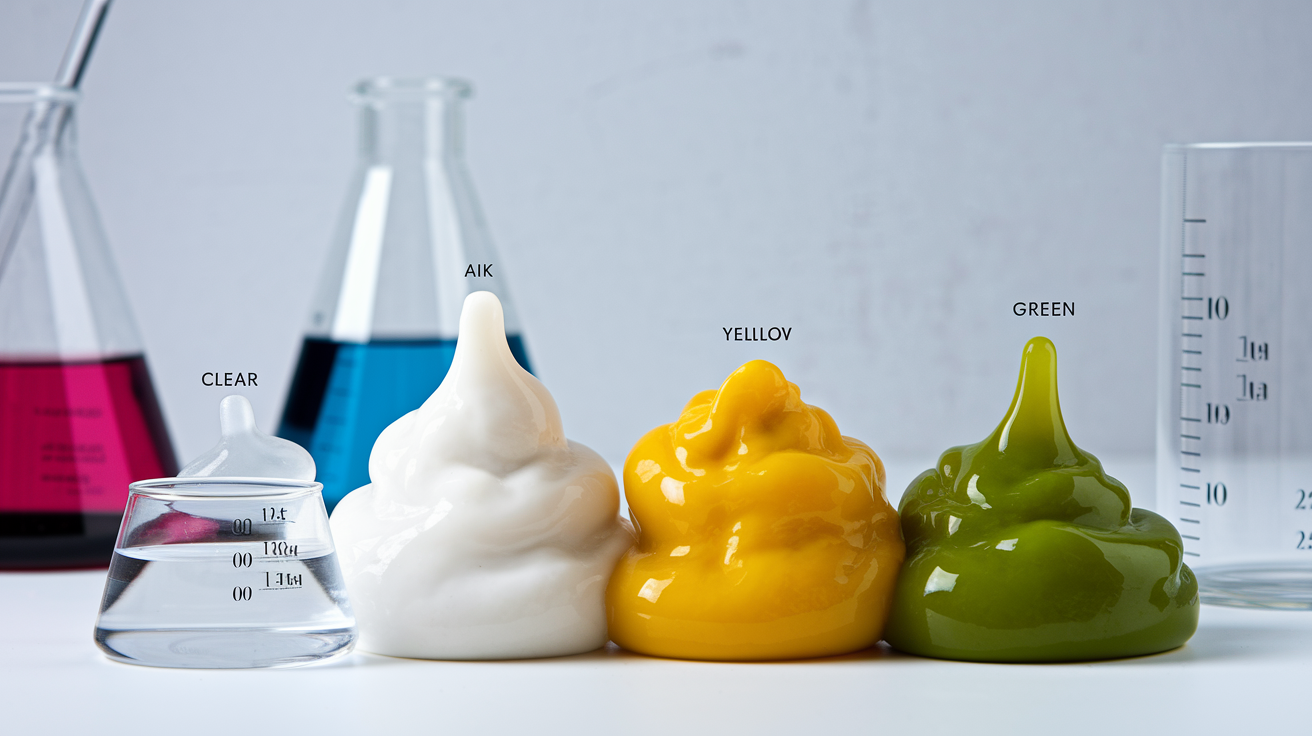
Mucus color can shift throughout an illness, and each shade offers clues about what’s happening in your airways. Yellow sits in the middle of the spectrum, signaling active immune response. Understanding the full color range helps you recognize when things are improving, stable, or heading in a more serious direction.
Clear mucus is usually normal or indicates the very early stages of a viral infection or an allergy. White mucus suggests congestion and inflammation but often still reflects a viral cause. Yellow mucus, as we’ve discussed, means white blood cells and debris are present, common in both viral and bacterial infections. Green mucus indicates higher concentrations of immune cells and enzymes, often seen when infection’s been present for several days or inflammation is more intense. Red, pink, or bloody mucus can result from small broken blood vessels, nosebleeds, or more serious lung injury and deserves prompt evaluation. Brown or black mucus may reflect old blood, chronic infection, or inhaled smoke or pollutants. Urgent evaluation’s needed.
| Color | Possible Meaning | When to Worry |
|---|---|---|
| Clear | Normal, early viral infection, allergies | Usually not concerning unless persistent with other symptoms |
| White | Congestion, viral bronchitis, GERD, mild inflammation | Monitor if it lasts more than 2 weeks or worsens |
| Yellow | Immune response to infection (viral or bacterial) | Seek evaluation if symptoms persist >21 days or worsen |
| Green | Higher inflammation, prolonged or more intense infection | Consider medical evaluation if accompanied by fever or shortness of breath |
| Red/Bloody | Broken blood vessels, nosebleed, lung injury, serious infection | Seek prompt evaluation, especially with chest pain or difficulty breathing |
Special Considerations: Yellow Phlegm Cough in Children, Older Adults, and Pregnancy

Not all yellow phlegm coughs are the same across age groups and life stages. Children, older adults, and pregnant individuals each face unique risks and treatment considerations that require extra care.
Children frequently develop yellow mucus during viral colds and ear infections. Their airways are smaller and more reactive, so congestion and cough can seem more dramatic. Most childhood yellow phlegm resolves on its own, but watch for high fever, difficulty breathing, extreme fussiness, or refusal to eat or drink. These are reasons to call a pediatrician. Avoid giving young children cough and cold medicines without guidance, as many aren’t safe for kids under six.
Older adults have a higher risk of bacterial pneumonia and complications from respiratory infections. Immune responses can be less robust, so symptoms may appear milder even when infection is serious. Yellow phlegm in an older adult, especially with fatigue, confusion, or decreased appetite, warrants prompt evaluation. Chronic conditions like COPD or heart disease can complicate recovery, making early medical assessment more important.
Pregnancy changes immune function and limits which medications are safe. Many decongestants and some antihistamines aren’t recommended during pregnancy, especially in the first trimester. Saline rinses, steam, hydration, and acetaminophen are generally considered safe, but always check with an obstetrician before starting any medication. If a pregnant person develops yellow phlegm with fever, shortness of breath, or chest pain, same day evaluation is necessary.
Key differences by population:
- Children, viral causes most common. Avoid unnecessary antibiotics, monitor hydration and breathing effort.
- Older adults, higher pneumonia risk. Subtle symptoms can mask serious infection, earlier evaluation recommended.
- Pregnancy, limited safe medication options. Prioritize nonpharmacologic care, consult obstetrician before taking OTC products.
- Immunocompromised individuals, any persistent yellow phlegm cough may require earlier clinical assessment and treatment.
Tracking a Yellow Phlegm Cough Over Time

Keeping a simple symptom journal helps you notice patterns and gives your clinician useful information if you need an appointment. Memory can be fuzzy when you’re not feeling well, and tracking details over several days shows whether you’re improving, stable, or getting worse.
Most viral infections that produce yellow phlegm improve within 7 to 10 days. If yours lasts longer than 21 days, or if you start feeling worse after initially getting better, that’s a signal to seek evaluation. Tracking lets you see those turning points clearly. Write down when your cough started, when yellow phlegm first appeared, and how both have changed. Note any fever spikes, new symptoms like shortness of breath, or shifts in mucus color from yellow to green or red.
What to track in your symptom journal:
- Date and time symptoms started, helps establish timeline and expected resolution.
- Mucus color and thickness changes, note shifts from clear to yellow, yellow to green, or appearance of blood.
- Associated symptoms, fever, fatigue, sore throat, chest pain, shortness of breath, sinus pressure.
- Exposures and triggers, new allergens, smoke, sick contacts, travel, changes in environment.
- Medications and treatments tried, what you took, when, and whether it helped or caused side effects.
Final Words
in the action: you learned why mucus can turn yellow, what that often signals, and the common causes like viral infections, sinus issues, and irritants.
We walked through typical symptoms, red flags, tests a clinician may order, safe home steps, and over-the-counter options. You also got tips on tracking changes so your story is clear at a visit.
If you have a persistent yellow phlegm cough, track what’s changing and seek care if it worsens—most people improve with simple care and timely checks.
FAQ
Q: Do I need antibiotics if coughing up yellow phlegm?
A: Needing antibiotics when you cough up yellow phlegm depends on whether a bacterial infection is likely. Yellow can be viral or bacterial. See a clinician if you have high fever, worsening breathing, blood, or symptoms that don’t improve.
Q: Does yellow phlegm mean you are getting better?
A: Yellow phlegm doesn’t always mean you’re getting better. It often shows immune cells in the mucus. Watch overall symptoms and function; if they worsen or persist, get checked.
Q: What does coughing yellow phlegm mean? Is yellow mucus viral or bacterial?
A: Coughing yellow phlegm means white blood cells and debris have mixed with airway mucus. It may come from viral illness, bacterial infection, allergies, or irritants, and color alone can’t confirm the cause.