

Could your stubborn, dry cough actually be coming from your stomach?
Tiny amounts of stomach acid that splash up into your throat or reach your voice box can irritate sensitive nerve endings and set off a cough that won’t quit.
It’s often dry, worse at night, and it can happen without the telltale heartburn, so people and clinicians sometimes miss it.
Research suggests reflux is behind about one in four chronic coughs.
This post explains why reflux causes chronic coughing, how to spot the patterns, and what to try or when to get checked.
Understanding Why Acid Reflux Causes a GERD‑Related Cough
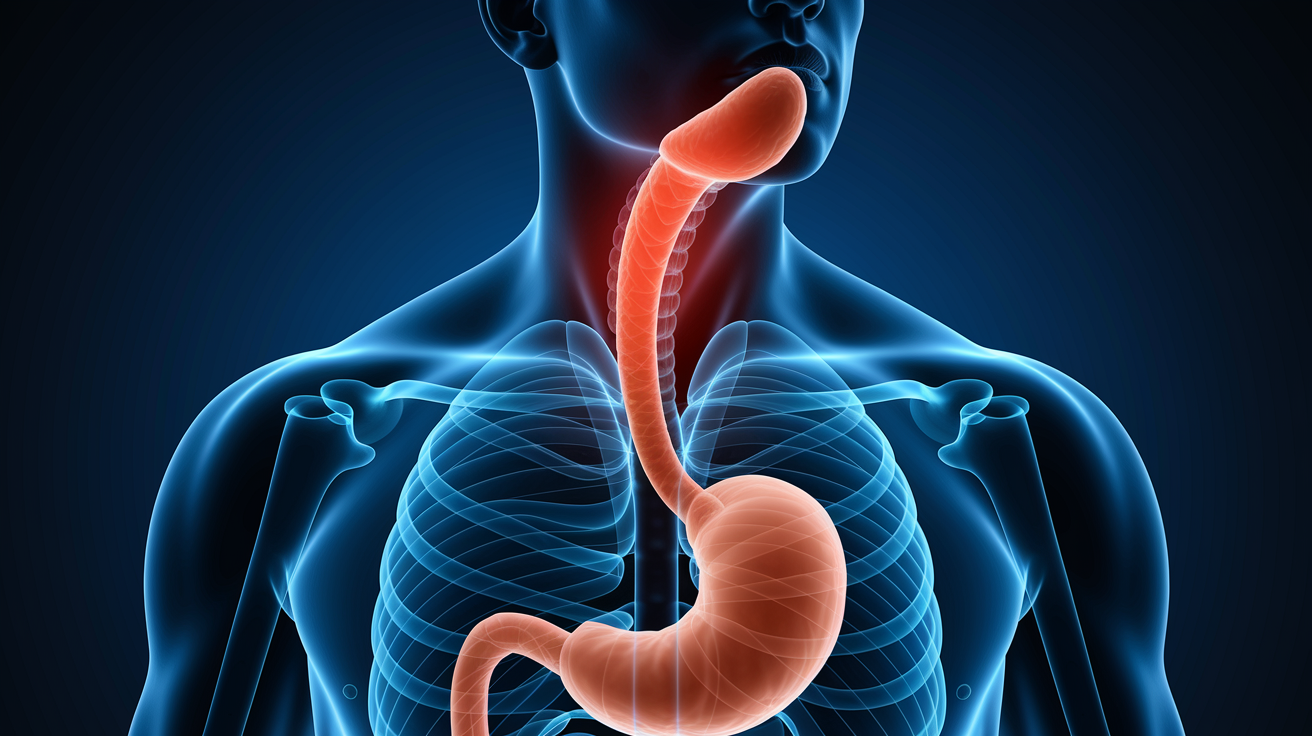
When stomach acid travels up into your esophagus, the tube that connects your throat to your stomach, it can irritate your throat and upper airway enough to trigger a cough that won’t quit. Even tiny amounts of acid reaching your voice box or the back of your throat can set off sensitive nerve endings that make your body think it needs to cough. It’s your airway trying to protect itself.
GERD cough is usually dry and hacking. Not the wet, mucus kind you get with a cold. It sticks around for more than 8 weeks, which is when a cough officially becomes chronic, and it tends to get worse at night when you lie flat because gravity stops helping keep acid where it belongs. Research suggests GERD is behind at least 25% of chronic cough cases. One in four people with a stubborn cough might have reflux driving it.
Here’s what makes GERD cough tricky: it doesn’t always come with heartburn. You might not feel any burning in your chest, just a cough that refuses to go away. And the frustrating part? Coughing can actually make the reflux worse by increasing pressure in your abdomen, pushing more acid upward. So you get a cycle. Cough triggers reflux, reflux triggers more cough.
What a GERD cough looks like:
- Dry, no mucus (nothing productive about it)
- Chronic (more than 8 weeks and not budging)
- Worse at night or when you’re lying down
- May show up without heartburn or any obvious reflux signs
Key Symptoms and Patterns That Point Toward a GERD Cough

Along with the cough, you might notice other signs that acid is irritating your throat and airway. Hoarseness is common. Your voice sounds raspy or strained, especially first thing in the morning. You might feel like you need to clear your throat constantly, or have a sore throat that never quite heals. These happen because acid isn’t just irritating your esophagus, it’s reaching your voice box and causing inflammation there. Sometimes this gets called laryngopharyngeal reflux (LPR).
If you have asthma, GERD can make it worse. The acid irritation can trigger wheezing, chest tightness, or shortness of breath. Some asthma medications can actually relax the valve between your stomach and esophagus, which makes reflux worse. It goes both ways: reflux worsens asthma, and asthma treatments can worsen reflux. More than 75% of people with asthma also have GERD, according to research. Treating the reflux often helps asthma symptoms calm down.
Common patterns and symptoms suggesting your cough is GERD related:
- Hoarseness or voice changes, especially when you wake up
- Sore throat or constant throat clearing that won’t stop
- Nighttime coughing that disrupts sleep
- Worsening asthma or breathing discomfort
- Little to no mucus, even though you’re coughing a lot
Distinguishing a GERD Cough From Allergies, Postnasal Drip, or Asthma

Figuring out whether your cough is from GERD or something else takes detective work. Several common conditions cause chronic coughing. Postnasal drip, when mucus from your sinuses drips down the back of your throat, often produces a wet cough or the sensation of mucus in your throat. You might also have a runny or stuffy nose, and nasal saline rinses or allergy medications often help. If your cough improves with those, postnasal drip is likely the cause.
Asthma cough tends to flare with specific triggers: cold air, exercise, strong fragrances, smoke, or after a respiratory infection like a cold. You might also wheeze or feel chest tightness, and inhaler medications typically bring relief. If your cough gets worse during allergy season or after exposure to dust, pets, or chemicals, that points toward asthma or allergies.
GERD cough is dry, worse when you lie down or soon after meals, and may improve when you take acid reducing medication. It doesn’t usually respond to antihistamines or inhalers. Clinicians often look at timing (worse at night or after eating), the lack of mucus, and whether you have other reflux symptoms like heartburn, regurgitation, or difficulty swallowing. If acid reducing treatment helps your cough, that’s a strong clue GERD is driving it.
| Cause | Typical Clues | Common Triggers |
|---|---|---|
| Postnasal Drip | Wet cough, mucus in throat, runny or stuffy nose | Allergies, sinus infections, seasonal changes |
| Asthma | Wheezing, chest tightness, cough after exercise or cold air | Cold air, smoke, fragrances, respiratory infections |
| GERD | Dry cough, worse at night or after meals, hoarseness | Lying down, fatty or fried foods, large meals before bed |
Diagnostic Steps for Identifying a GERD Cough

When you see a clinician for a chronic cough, they’ll start by asking detailed questions about when the cough started, what makes it better or worse, and whether you’ve noticed other symptoms like heartburn, trouble swallowing, or voice changes. They’ll also review your medications. Certain drugs like ACE inhibitors (used for high blood pressure) can cause a dry cough, and others like ibuprofen or iron supplements can worsen reflux. Smoking history matters too, because smoking weakens the valve that keeps acid in your stomach.
A physical exam and sometimes a chest X-ray help rule out lung problems like pneumonia or chronic bronchitis. If reflux is suspected, your clinician may suggest a trial of acid reducing medication to see if your cough improves. If symptoms are severe, persistent, or you have red flags like difficulty swallowing or weight loss, you’ll likely be referred to a specialist. An ear, nose, and throat (ENT) doctor can examine your throat and voice box to look for acid damage, inflammation, or other causes like allergies or laryngeal issues. A gastroenterologist may perform tests to measure acid levels in your esophagus or look inside with an endoscope.
Common diagnostic tools clinicians use:
- Esophageal pH monitoring measures how much acid is reaching your esophagus and throat over 24 hours
- Endoscopy uses a camera to examine your esophagus and stomach lining for inflammation or damage
- Throat exam (laryngoscopy) lets an ENT look at your voice box for signs of acid irritation
- Medication review and trial therapy involves stopping suspected trigger drugs or starting acid reducing medication to see if symptoms improve
Lifestyle Changes Shown to Improve a GERD Cough

Treating a GERD cough often starts with simple, practical changes that reduce how much acid moves upward from your stomach. These measures are backed by research and recommended by institutions like the Mayo Clinic. They won’t cure reflux overnight, but they address the root mechanics and can make a real difference, especially when you layer several together.
Maintaining a healthy weight is one of the most effective steps. Extra weight, especially around the abdomen, increases pressure on your stomach and pushes acid upward. Quitting smoking is equally important. Smoking weakens the lower esophageal sphincter (the valve that keeps acid down) and slows your body’s ability to clear acid from the esophagus. When you lie down, elevate the head of your bed by 6 to 9 inches using a wedge block or bed risers. Stacking pillows doesn’t work as well because it just bends your neck and can actually make reflux worse. Avoid lying down for at least 2 to 3 hours after eating, so gravity can help keep food and acid in your stomach. Eat slowly, and skip heavy meals right before bed. Wear loose fitting clothing, because tight waistbands or belts increase abdominal pressure and push acid upward.
Six practical lifestyle steps to reduce GERD and cough:
- Maintain a healthy weight through balanced eating and regular activity.
- Stop smoking and avoid secondhand smoke.
- Elevate the head of your bed 6 to 9 inches with a wedge or bed risers (not stacked pillows).
- Wait at least 2 to 3 hours after eating before lying down or going to bed.
- Eat slowly and keep portions moderate, especially in the evening.
- Avoid tight clothing around your waist and abdomen.
Medical Treatment Options That Help Reduce a GERD Cough

When lifestyle changes aren’t enough, prescription or over the counter medications can significantly reduce acid production and give your esophagus and throat time to heal. Proton pump inhibitors (PPIs) are among the most effective. They block the cells in your stomach that produce acid, lowering acid levels for up to 24 hours. H2 blockers work more quickly but for a shorter duration, reducing acid by blocking histamine receptors in the stomach. Antacids neutralize acid on contact and provide fast, short term relief, though they don’t heal underlying inflammation.
Your clinician will choose a medication based on symptom severity, how long you’ve had the cough, and whether you have other complications like esophageal damage. It’s also important to review your current medications, because some, like certain antibiotics, iron supplements, and nonsteroidal anti inflammatory drugs (ibuprofen, for example), can irritate the esophageal lining or relax the valve between your stomach and esophagus, making reflux worse. In rare cases where medication and lifestyle measures fail and severe reflux persists, surgery (fundoplication, which tightens the lower esophageal sphincter) may be considered. But most people find relief without needing an operation.
Common medication categories and their roles:
- Proton pump inhibitors (PPIs) reduce stomach acid production for long lasting relief
- H2 blockers decrease acid by blocking histamine receptors, work faster than PPIs but shorter duration
- Antacids neutralize acid quickly for immediate symptom relief
- Reviewing current medications involves identifying and adjusting drugs that worsen reflux (antibiotics, iron, ibuprofen)
Natural and Supportive Remedies for Managing a GERD Cough

In addition to prescribed treatments, gentle home remedies can soothe throat irritation and support your body’s natural defenses against acid. Staying well hydrated keeps your throat moist and helps wash away small amounts of acid. Sipping water throughout the day is a simple, effective habit. Chewing sugar free gum after meals stimulates saliva production, and saliva is slightly alkaline, so it helps neutralize acid in your esophagus. Ginger, aloe vera juice, and chamomile tea have mild anti inflammatory properties and can reduce throat discomfort, though they’re not substitutes for medical treatment when reflux is severe.
Vocal hygiene matters too, especially if you’re dealing with hoarseness. Avoid throat clearing as much as possible. It irritates already inflamed tissues. Instead, try gentle humming or sipping water. Use a humidifier at night if the air in your bedroom is dry, because dry air can worsen coughing and throat irritation. These supportive measures won’t cure GERD, but they can make daily symptoms more tolerable while lifestyle changes and medication take effect.
Simple supportive remedies to ease a GERD cough:
- Drink plenty of water throughout the day to keep your throat moist and help clear acid
- Chew sugar free gum after meals to increase saliva and neutralize acid
- Sip ginger tea, aloe vera juice, or chamomile tea for mild anti inflammatory relief
- Use a humidifier at night to prevent dry air from irritating your throat and airway
When a GERD Cough Signals Something More Serious

Most GERD coughs improve with treatment, but certain warning signs mean you should see a clinician right away. Difficulty swallowing (dysphagia) can indicate severe inflammation, scarring, or a more serious condition in your esophagus. Unintended weight loss, losing pounds without trying, raises concern for esophageal damage or even cancer. A chronic cough that lasts 8 weeks or longer without improvement deserves evaluation, because it may be a sign of untreated reflux damage or another underlying problem.
Chronic acid irritation over many years can lead to changes in the esophageal lining called Barrett’s esophagus, which increases the risk of esophageal cancer. That said, most people with GERD do not develop cancer, especially if reflux is managed early and effectively. Risk is higher if you also smoke, drink alcohol heavily, are over 50, or have a family history of esophageal cancer. If you notice any bleeding (vomiting blood, black tarry stools), persistent hoarseness, or bone pain, seek urgent medical evaluation. These red flags don’t mean you definitely have something serious, but they do mean you need a thorough workup to rule out complications.
Red flags that require prompt medical attention:
- Difficulty swallowing (food or liquids getting stuck, pain when swallowing)
- Unintended weight loss (losing weight without changing your diet or activity)
- Chronic cough lasting 8 weeks or longer without improvement
- Bleeding into the esophagus (vomiting blood, black or tarry stools)
- Persistent hoarseness, throat pain, or other voice changes that don’t resolve
Long Term Management and Prevention of a GERD Cough

Once you’ve identified GERD as the cause of your cough and started treatment, the focus shifts to keeping symptoms under control and preventing flare ups. Most people see significant improvement within a few weeks to a few months once acid levels are reduced and irritated tissues begin to heal. Sticking with lifestyle changes long term is key. This isn’t a quick fix, but a sustainable way of managing reflux so it doesn’t come back.
If you also have asthma or chronic sinusitis, treating those conditions alongside GERD often improves all your symptoms. Stress management helps too, because stress can worsen reflux and increase stomach acid production. Be mindful of exercise timing. Vigorous workouts right after eating can trigger reflux, so plan meals and activity with a buffer of at least 2 hours. Keep a symptom journal if patterns aren’t clear. Tracking what you eat, when you lie down, and when symptoms flare can help you and your clinician fine tune your plan.
Long term prevention strategies:
- Maintain the lifestyle changes that reduced your symptoms (meal timing, head elevation, trigger avoidance, healthy weight)
- Manage stress through regular routines, sleep, and relaxation techniques
- Coordinate treatment if you have asthma, sinus disease, or other conditions that interact with GERD
- Time exercise carefully, avoiding vigorous activity for at least 2 hours after eating
Final Words
If you have a dry cough that’s worse at night or comes with throat clearing, this post showed how stomach acid can reach the throat, what symptoms point toward reflux, and how clinicians tell it apart from allergies or asthma.
We also covered simple checks and treatments: lifestyle steps (head elevation, timing meals, trigger foods), supportive remedies, when medications or testing may be needed, and clear red flags to watch for.
A gerd cough often gets better with careful changes and the right care. Track what helps, and get checked if it’s not improving—there’s reason to expect progress.
FAQ
Q: How do you get rid of a GERD cough? Does a GERD cough ever go away?
A: Getting rid of a GERD cough and whether it goes away: a GERD cough often improves when reflux is treated—try diet changes, elevating your bed head, and short-term acid-reducing treatment; see a clinician if it lasts more than 8 weeks.
Q: How can you tell if your cough is from GERD?
A: You can tell a cough is from GERD if it’s dry, chronic (often >8 weeks), worse at night, linked to throat clearing or hoarseness, may occur without heartburn, and often improves with acid-reducing measures.